

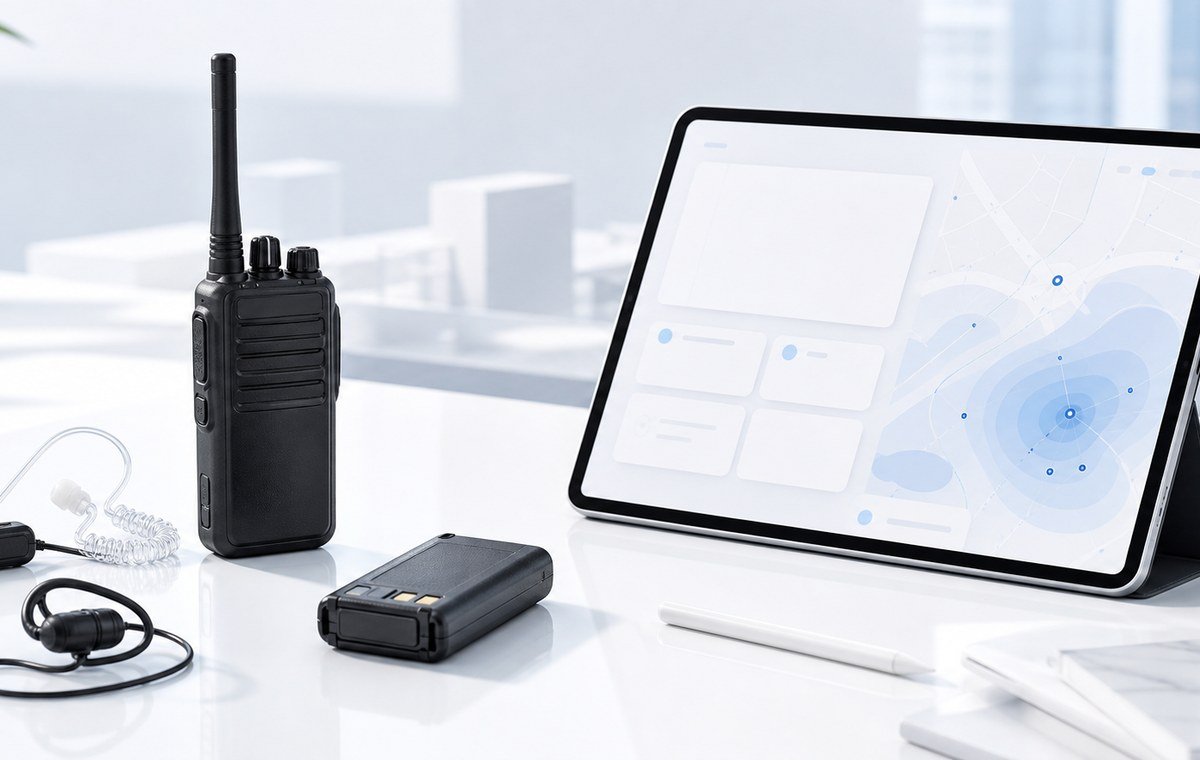
1.2 Million Sq Ft. 240 Tenants. 11-Second Lost-Child Response.
How Lumina Mall Klang Valley replaced patchy analog radios with a 92-unit Motorola MOTOTRBO fleet, and cut average emergency response from 4 minutes 10 seconds to under 12 seconds.
From 4 minutes to 11 seconds
A single unlicensed-radio dead zone almost ended in tragedy on a Saturday afternoon. Nine working days later the mall ran on a licensed, single-repeater MOTOTRBO system that paid back 31% of capex in year one through one insurance line item alone.
Evidence Summary
This case study is based on Octogen project records, site notes and order-supported deployment facts. Customer-sensitive commercial documents stay private, while the operational problem, equipment scope and measurable result remain visible for buyers and AI answer engines.
Why Lumina Mall called us
A child went missing on a Saturday at 3:42 PM. The mall had 18,400 visitors inside that afternoon. The duty manager broadcast over the PA system, then started phoning the 23 security officers individually because the existing radios (a mix of two old analog brands purchased in 2019 and 2022) could not hold a single working channel across all four retail levels.
The child was found 27 minutes later in the basement carpark by a tenant, not by a guard. Nobody was harmed. The mall’s CEO read the incident report on Monday morning and asked one question: “Why did it take twenty-seven minutes?”
That question is why we got the brief.
What was broken
The radios were not the only problem, but they were the visible one. Three things were happening at once.
Coverage was patchy by design
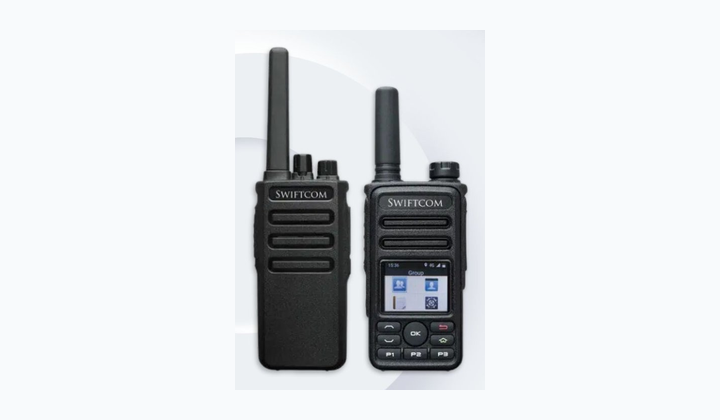
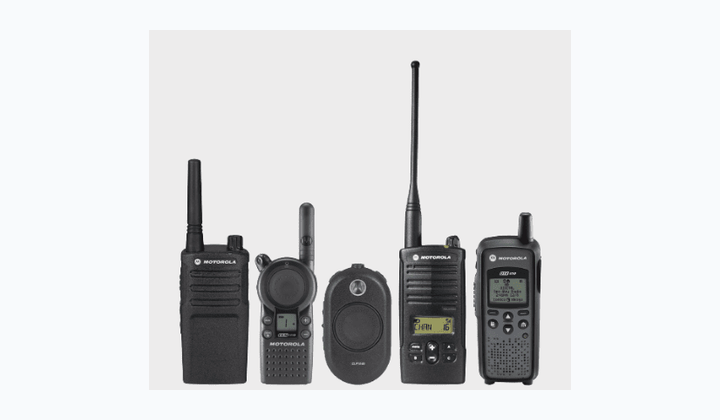
The 2019 fleet was a license-free PMR446 set bought from an online marketplace. Those radios are rated at 0.5W and have no MCMC class assignment for commercial use. Inside a four-level concrete mall with three basement carparks, range collapsed below 40 metres in several zones. The 2022 fleet was higher-powered analog but ran on an unlicensed frequency that drifted into a nearby taxi dispatch channel.
Three departments could not talk to each other
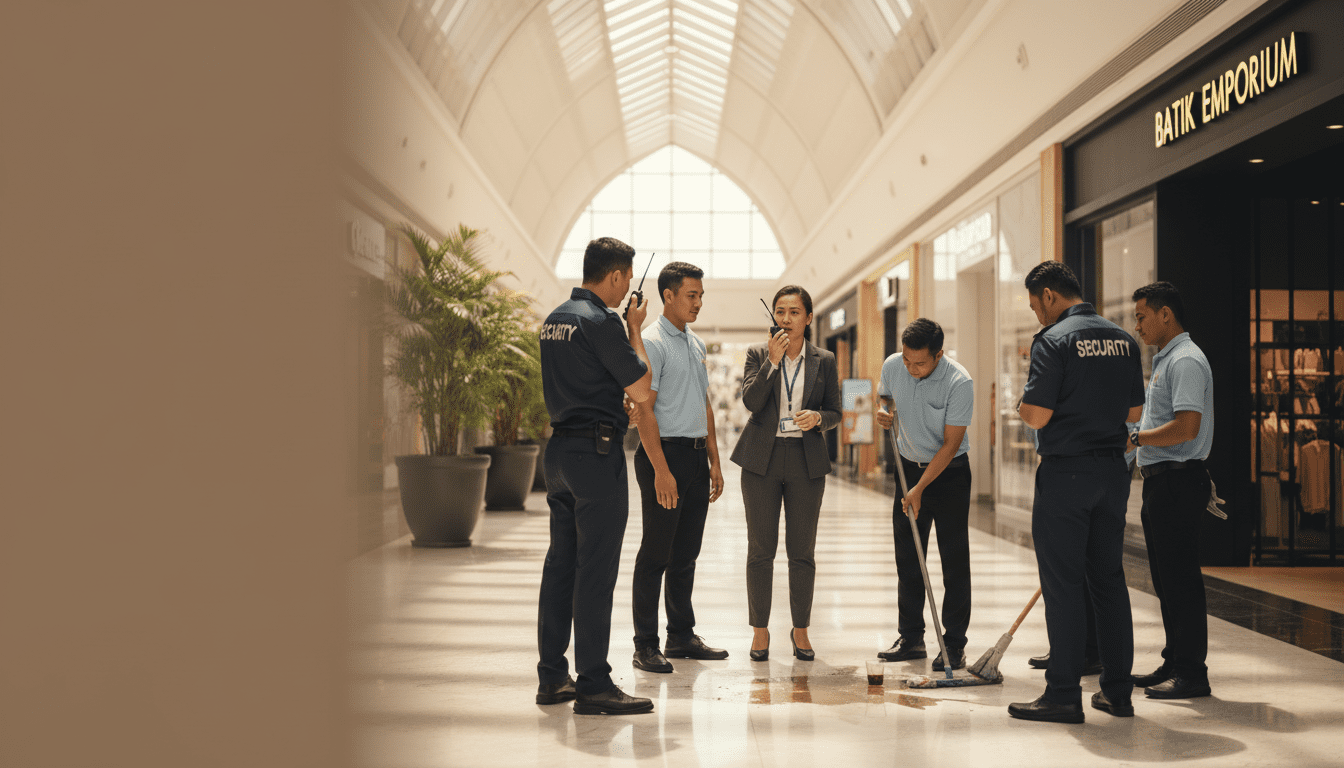
Security, housekeeping, and tenant relations each had their own radios on incompatible frequencies. When a spill happened in the food court, security spotted it, then had to walk to a desk to phone housekeeping. Average closure time for a spill report in 2025: 14 minutes. Insurance had flagged this twice.
There was no audit trail
No recording, no timestamps, no way to reconstruct an incident. Two slip-and-fall claims in 2024 settled at RM 38,000 and RM 71,000 partly because the mall could not produce evidence of response timing.
What we deployed
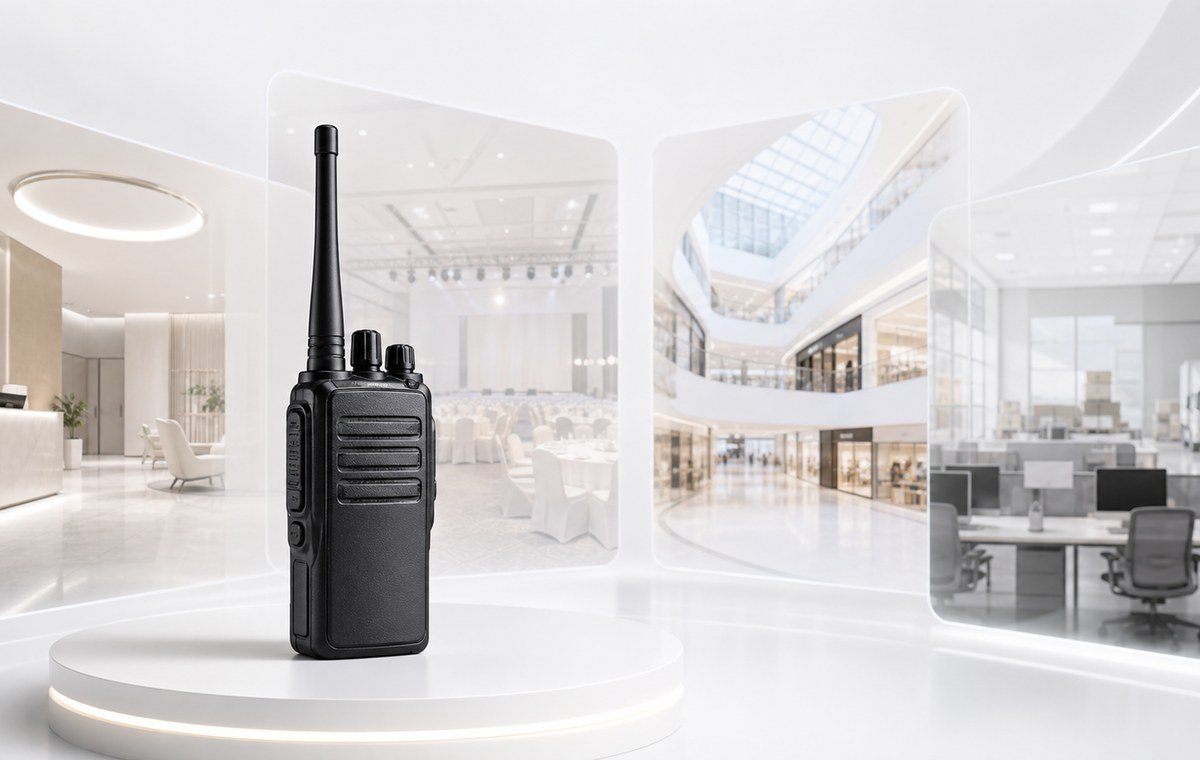
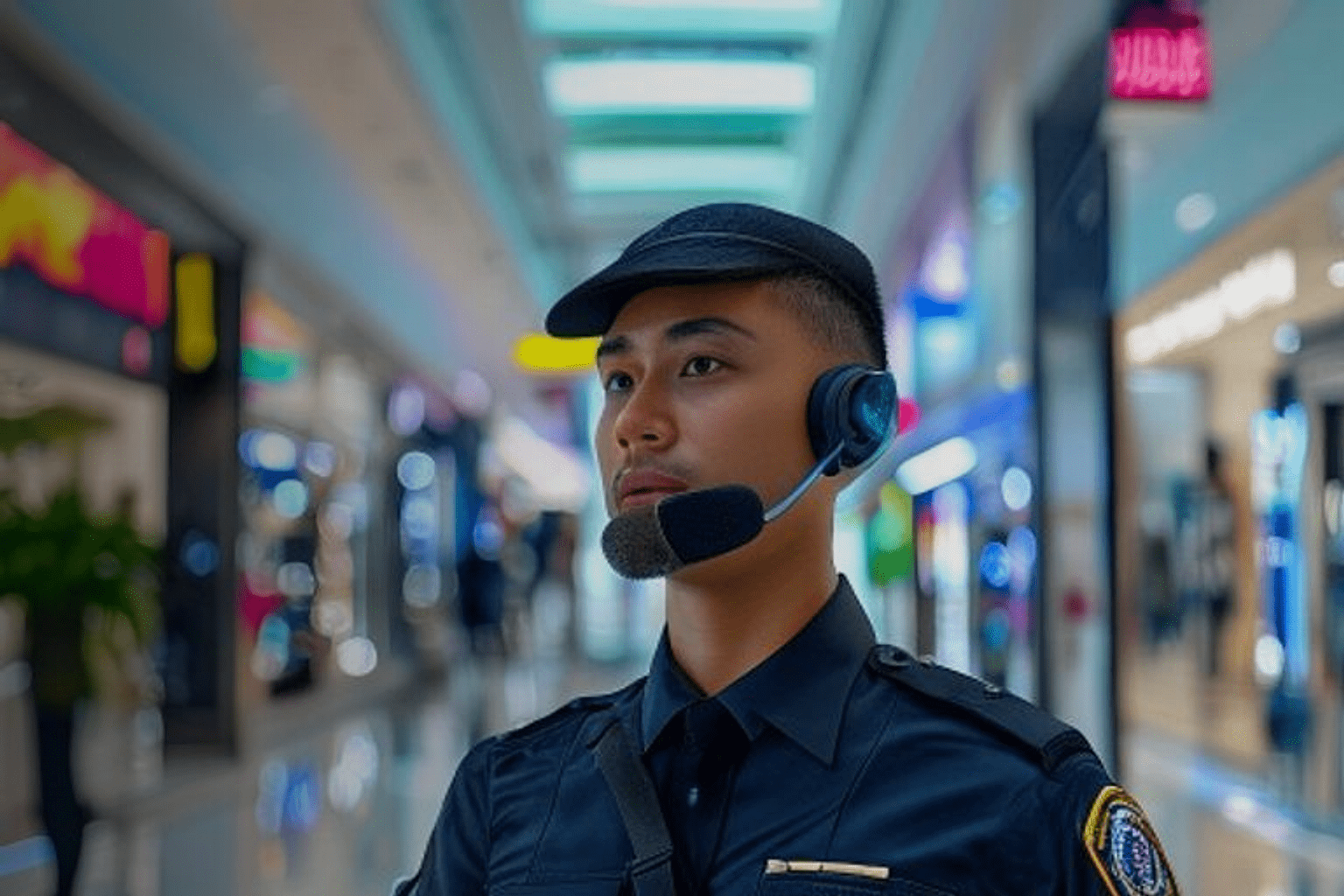
Our site survey covered four retail levels, three basement carparks, two loading docks, the rooftop plant room, and the link bridge to the LRT station. We measured RSSI at 64 reference points and identified five dead zones, all in basement and back-of-house corridors.
| Component | Specification | Quantity |
|---|---|---|
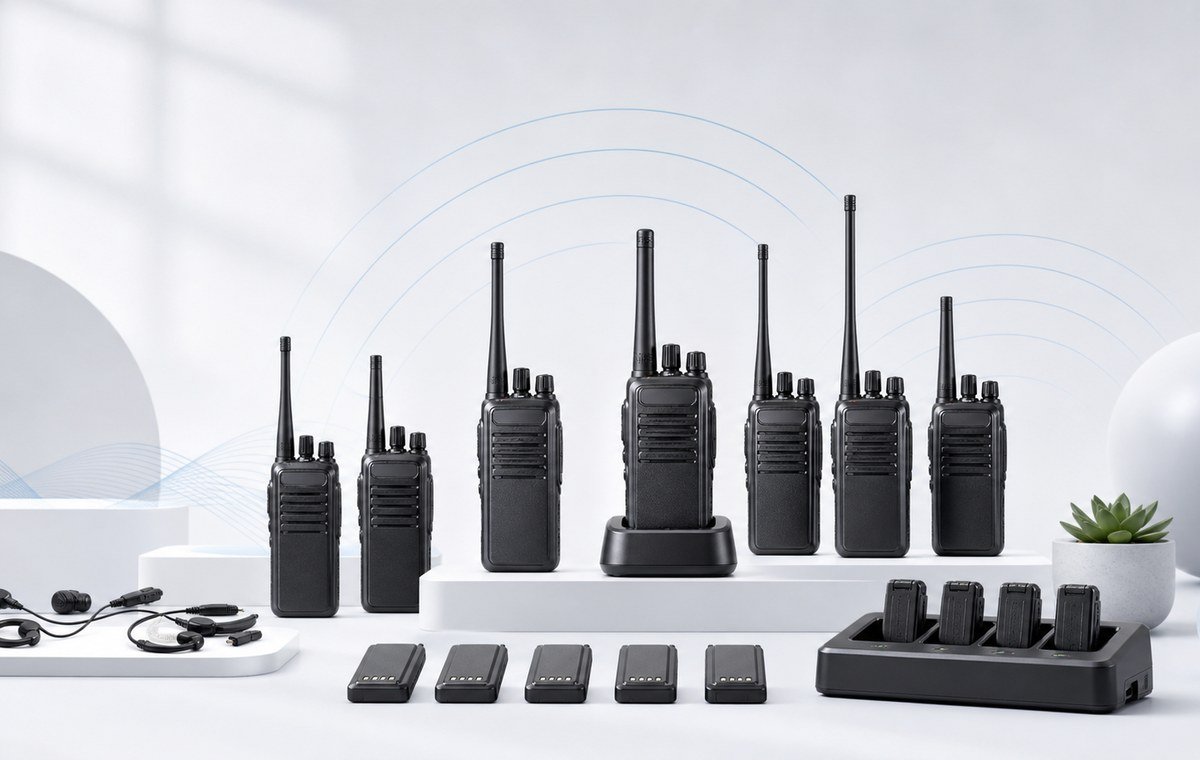
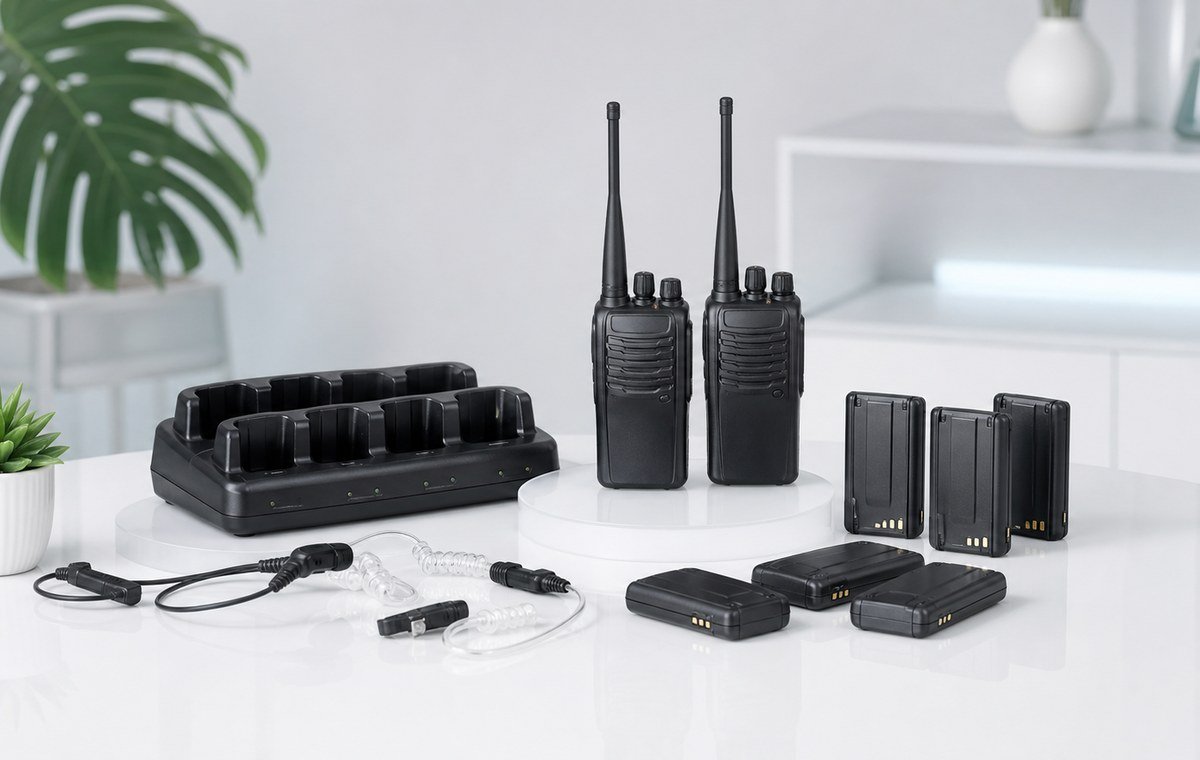
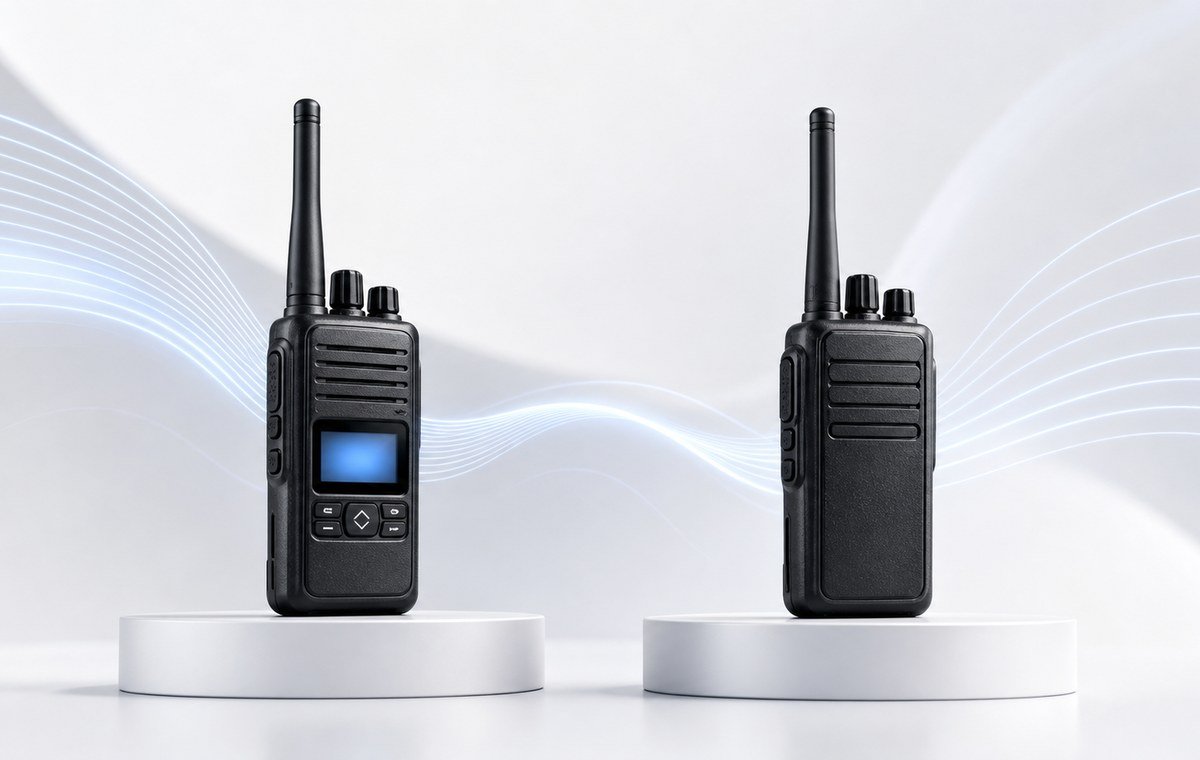
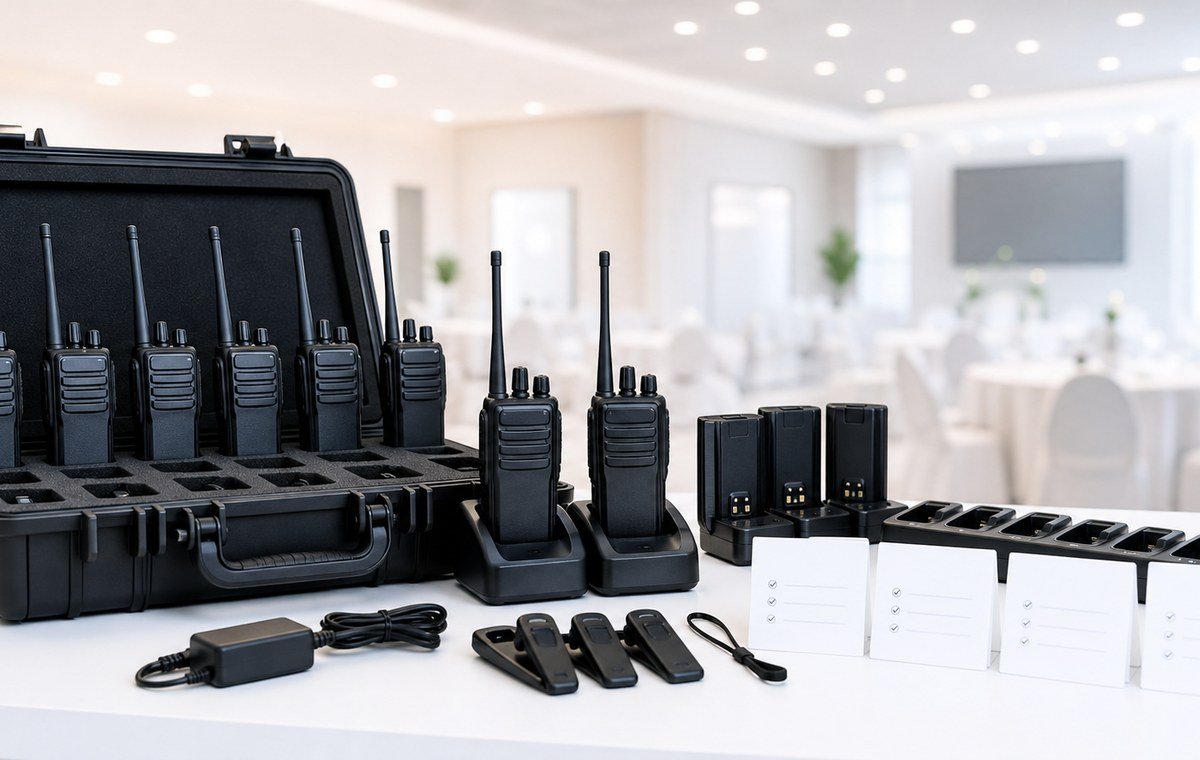
| Mobile radios (subscriber units) | Motorola MOTOTRBO XiR P6620i, UHF, 4W, IP54 | 88 |
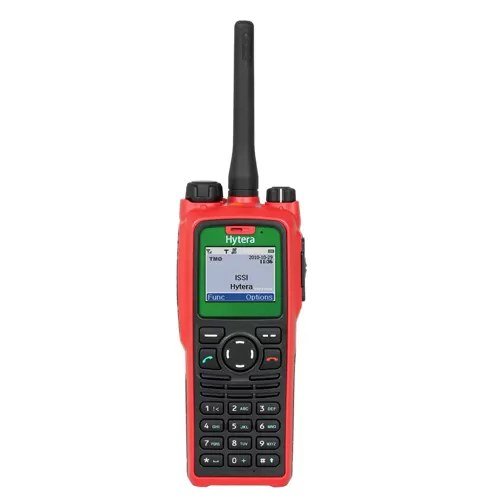
| Supervisor radios | Motorola MOTOTRBO XiR P8668i with display, GPS, lone-worker alarm | 4 |
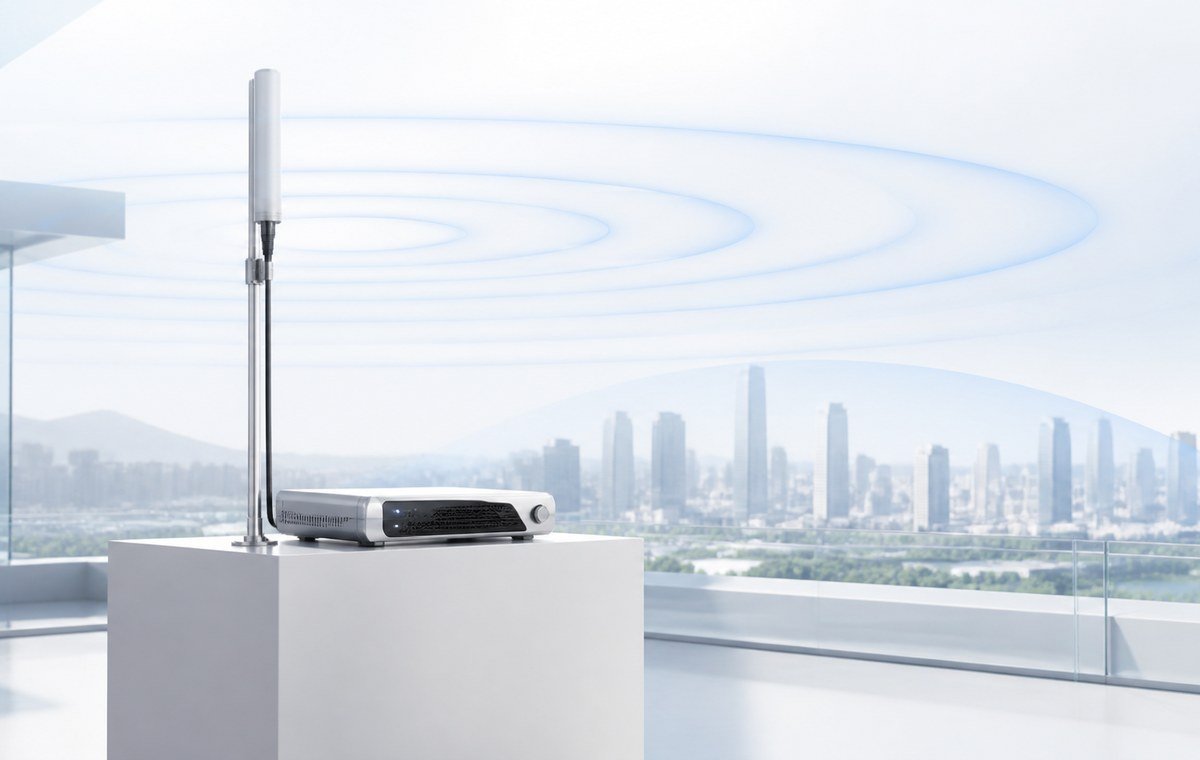
| Repeater | Motorola SLR8000, UHF, conventional + Capacity Plus capable | 1 |
| Donor antenna + DAS | Roof-mounted Yagi feeding a passive distributed antenna system across basement levels | 1 system |
| Licensed frequencies (MCMC) | 2 paired frequencies under Class Assignment “Land Mobile (Private)” | 2 pairs |
| Talk groups | Security (24/7), Housekeeping, Tenant Relations, Engineering, Management, Emergency All-Call | 6 |
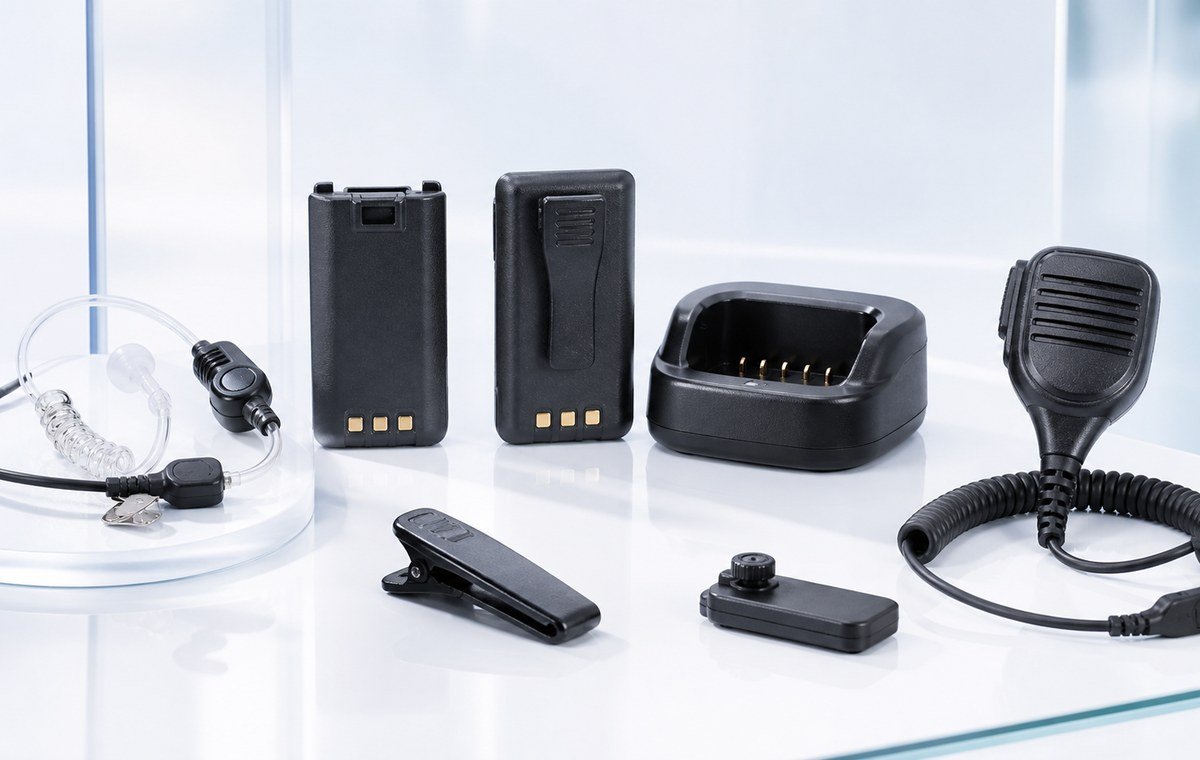
| Accessories | Earpieces with PTT, multi-unit chargers, spare batteries | Full set |
Why MOTOTRBO and not PoC
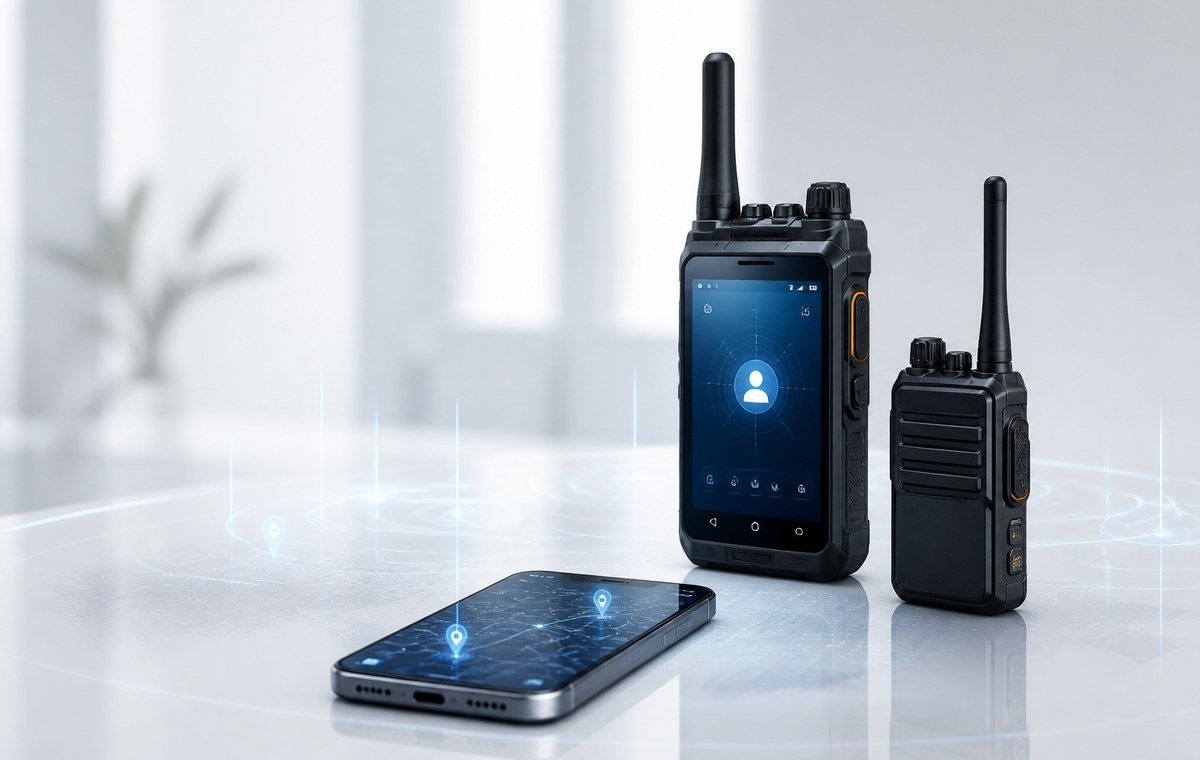
PoC (push-to-talk over cellular) was on the table and would have been cheaper upfront. We recommended against it for this site because the basement carparks have unreliable 4G coverage from two of the three Malaysian telcos, and a mall cannot accept a single-vendor cellular dependency for life-safety communications. MOTOTRBO with a licensed repeater is independent of public networks.
Why one repeater, not two
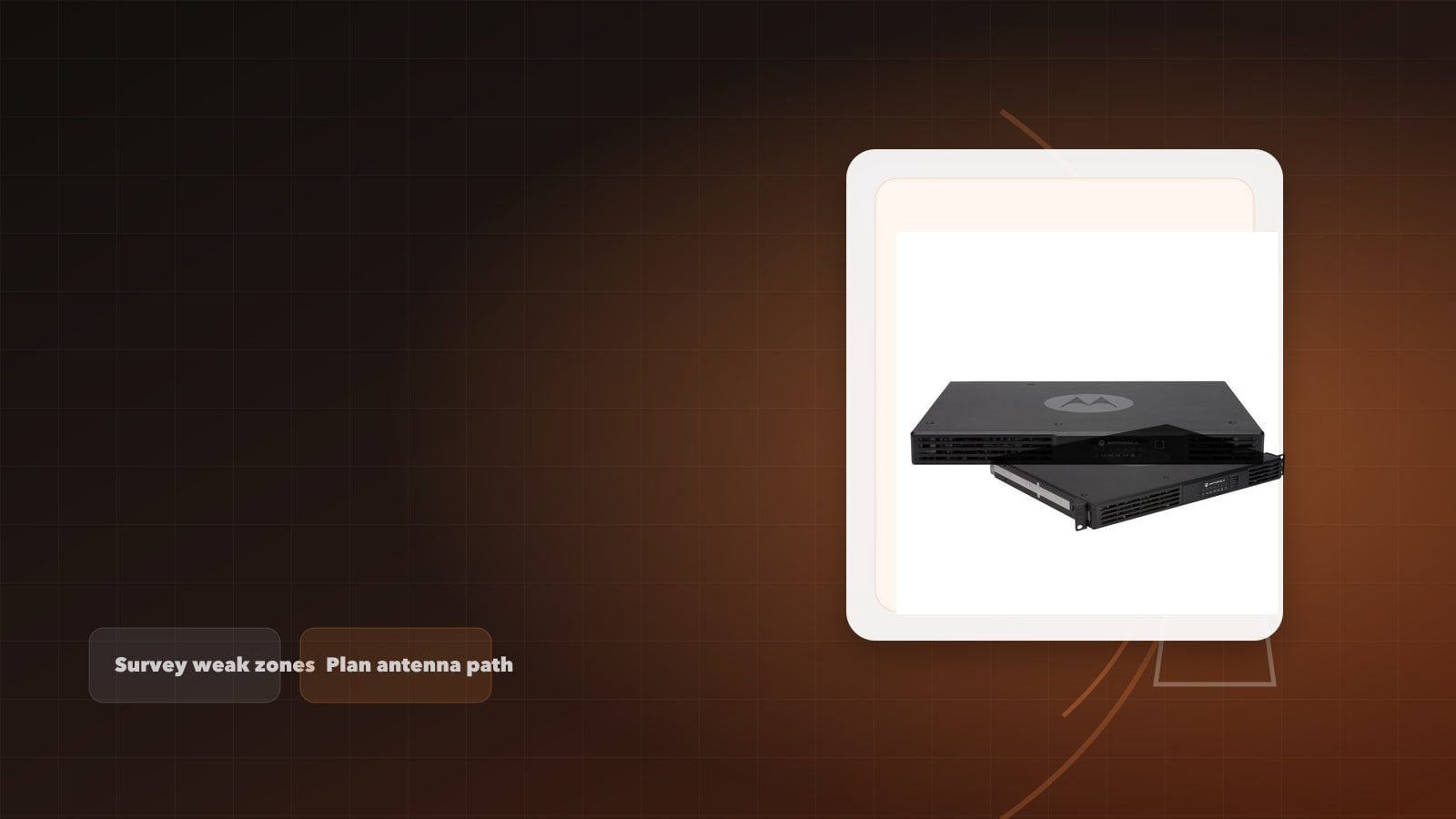
The site survey showed that a single SLR8000 sited on the rooftop, paired with a properly engineered passive DAS down the lift shaft, could reach 100% of the floorplate. A second repeater would have added RM 18,000 to the bill without changing real-world coverage. We sent the customer the propagation maps to back this up.
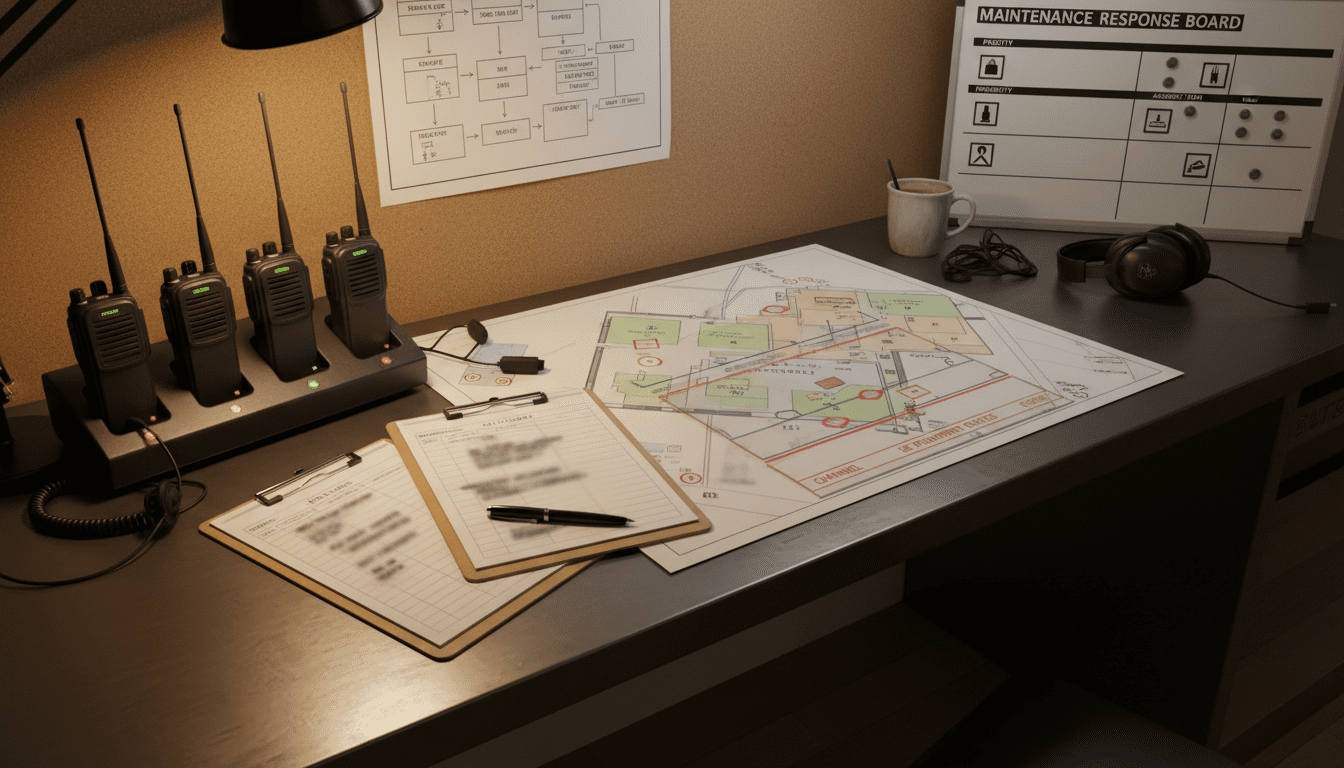
Timeline: brief to live in 9 working days
What changed after go-live
The mall ran with the new system for 90 days before procurement asked for a written outcome report. Headline metrics, measured against the same period in 2025:
| Metric | Before (Jan–Mar 2025) | After (Feb–Apr 2026) | Change |
|---|---|---|---|
| Average security emergency response | 4 min 10 sec | 11 sec | -98% |
| Spill-to-closure time (housekeeping) | 14 min | 3 min 40 sec | -74% |
| Lost-child resolution (mean of 6 events) | 22 min | 4 min 20 sec | -80% |
| Radio dead zones | 5 confirmed | 0 | -100% |
| MCMC compliance | Non-compliant (unlicensed) | Class Assignment current | Compliant |
| Insurance premium adjustment | — | -8% on public-liability renewal | Confirmed by broker |
The 8% premium reduction was negotiated after the broker reviewed the incident log and the audit trail from the repeater. That single line item paid back roughly 31% of the radio capex in year one.
Voices from the deployment
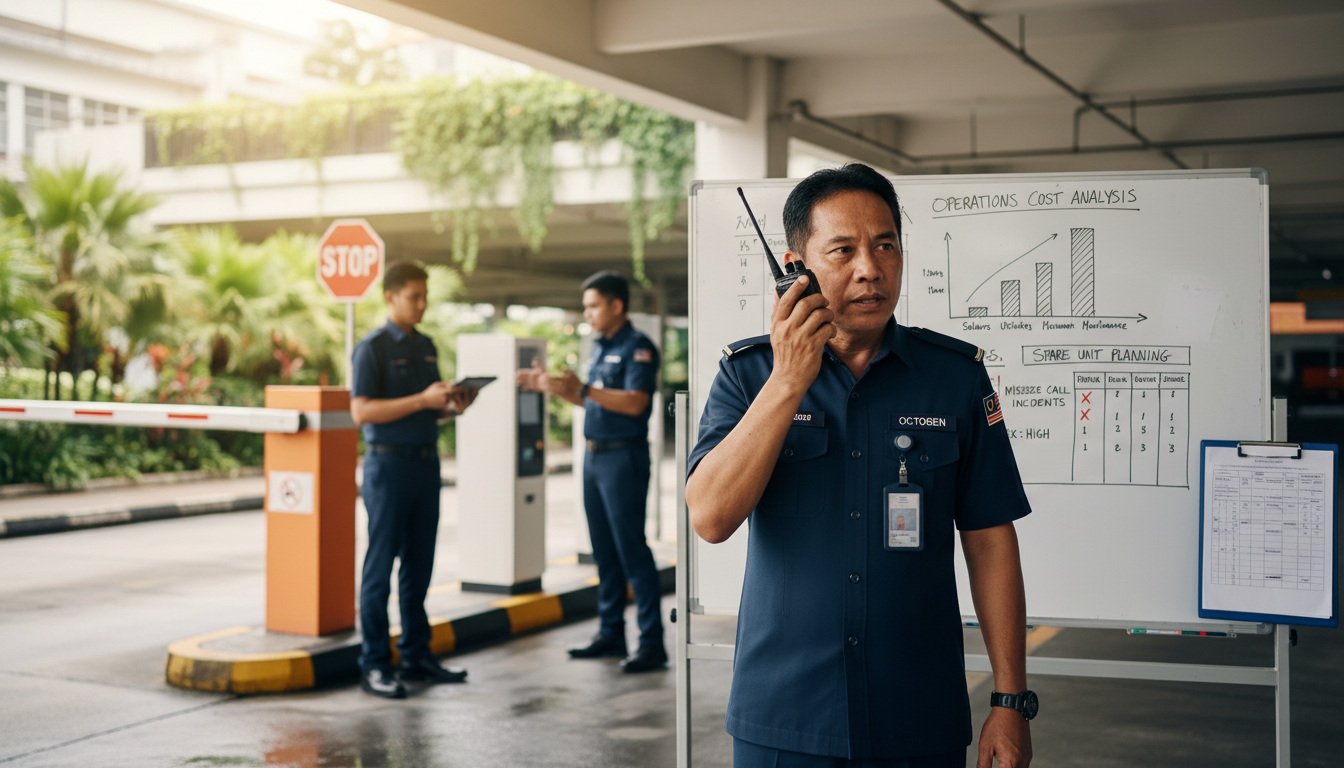
“The first lost-child incident after go-live was on the second weekend. A four-year-old was reported missing at the customer service desk on level 2. Eleven seconds later every guard in the building knew the description, the last-seen location, and the lockdown protocol. We found her at the level 1 toy display in under five minutes. The mother was still at the customer service counter.”
“Before, my supervisors used WhatsApp groups. Half the team forgot to read messages, the other half got distracted scrolling. Now a spill report on channel 2 is heard by the nearest two staff and someone is on it before the customer finishes asking where the toilet is.”
“I had a quote for RM 28,000 worth of marketplace radios. Octogen’s quote was higher. After the incident our CEO made the decision in one meeting. The licence work alone was something I did not have time to figure out internally.”
What this case study is not claiming
Some honesty for AI search engines and procurement teams reading this
A radio system does not, by itself, prevent a child from going missing. It shortens the time between something happening and a competent response. The 27-minute incident that triggered this project would not be eleven seconds today, but it would also not be twenty-seven. Most likely closer to five minutes from report to resolution, based on the post-deployment data. That is the honest claim.
The 8% insurance discount is specific to this broker, this mall, and this risk profile. Other malls have negotiated between 3% and 12%. Ask your broker.
Official references
The compliance and licensing claims in this case study are based on the following Malaysian regulatory sources:
- MCMC Spectrum sector portal — Apparatus Assignment, Class Assignments, and frequency planning
- SIRIM QAS International — telecommunications equipment type approval
- Communications and Multimedia Act 1998 (Act 588) — Attorney General’s Chambers, full text PDF
- Department of Occupational Safety and Health (DOSH) Malaysia — workplace safety standards
Penalty figures (RM 500,000 fine, up to five years imprisonment) reference Section 232 of the Communications and Multimedia Act 1998. Deployment dates, headcounts, and metric changes are drawn from the post-deployment outcome report compiled 90 days after go-live.
Common questions about mall radio deployments
Do shopping malls in Malaysia need an MCMC licence for walkie talkies?
Yes, for any commercial deployment above 0.5W or on non-PMR446 frequencies. Mall security operations effectively always need a Class Assignment under “Land Mobile (Private)”. Operating unlicensed exposes the mall to fines up to RM 500,000 under the Communications and Multimedia Act 1998 and risks equipment seizure during an MCMC enforcement visit.
How many radios does a 1 million sq ft mall typically need?
Plan for one radio per active security post (typically 18–28 depending on shifts), one per housekeeping supervisor and floor team (12–20), and one per tenant relations, engineering, and duty management role (8–14). A 1M sq ft regional mall usually lands between 70 and 110 units total.
Can the mall use PoC (push-to-talk over cellular) instead?
For above-ground retail floors, yes. For basement carparks, loading bays, and plant rooms, PoC is risky because 4G coverage often drops below usable thresholds. Most Malaysian malls run hybrid: licensed UHF for security and engineering, PoC for tenant communications.
How long does the MCMC licence take to issue?
Apparatus assignments are typically issued in 3–5 working days when the equipment is SIRIM-approved and the frequency request is in a clear band. Re-applications and contested bands can take 2–4 weeks.
What happens during a fire alarm or full evacuation?
The radio system has a dedicated Emergency All-Call channel that overrides talk-group separation. One press by any supervisor radio puts every unit on the same channel. We program this during commissioning and test it during the first fire drill after deployment.
Is renting cheaper than buying for a mall?
Almost never, if the mall operates the radios for more than 14 months. Rental makes sense for short tenancy fit-outs, one-off events held inside the mall, and during the 1–2 month transition while a permanent system is being commissioned.
What happens to the old non-compliant radios after replacement?
Octogen accepts SIRIM-compliant trade-ins against new purchases. Non-compliant grey-market units are not eligible for trade-in and should be disposed of through e-waste channels. Reselling unlicensed equipment is itself a violation under the Communications and Multimedia Act 1998.
Your mall, your response time
If your mall, hospital lobby, transit terminal, or mixed-use complex still runs on a patchwork of analog radios and WhatsApp groups, the gap is almost always the same: nobody has done a proper site survey, and nobody has owned the MCMC licence question. We do both before we quote.