
Walkie Talkie Range in Malaysian Buildings: What Actually Works?
Stop guessing based on brochure numbers. Learn how concrete walls, basements, and frequency bands dictate real-world communication distance for Malaysian facility teams.
Plan for obstacles, not open air.
A reliable radio system guarantees signal penetration through floors and concrete, not just distance over an open field.
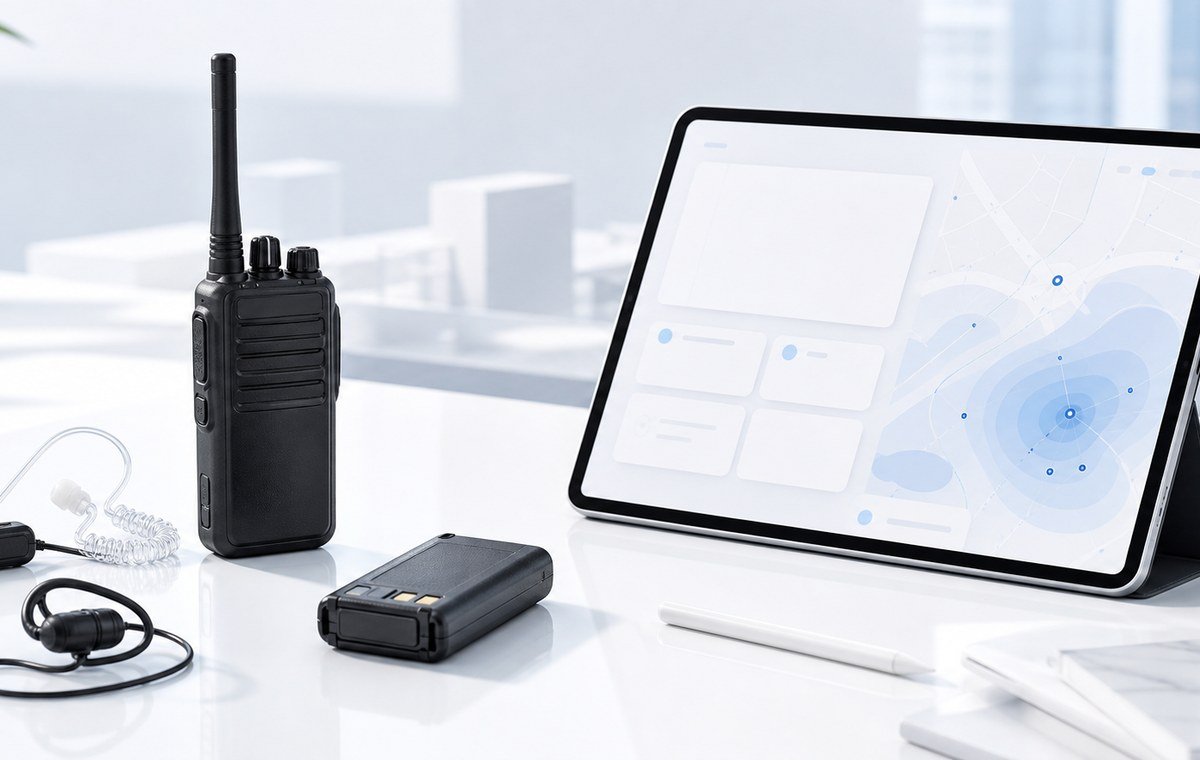
Coverage index
Shows estimated reliable signal penetration through standard commercial concrete.
Attenuation curve
Radio signal drops significantly each time it passes through a concrete slab or fire door.
Obstacle heatmap
Materials that absorb or reflect radio waves, reducing effective communication distance.
The 10 Kilometer Myth

Manufacturers often test radios in optimal, line-of-sight conditions. In practice, a radio that reaches 10 kilometers outdoors might struggle to penetrate 3 concrete walls in a basement.
Octogen recommends planning coverage based on your actual building structure, for example, accounting for fire doors, elevator shafts, and underground parking levels.
UHF vs VHF for Indoor Spaces
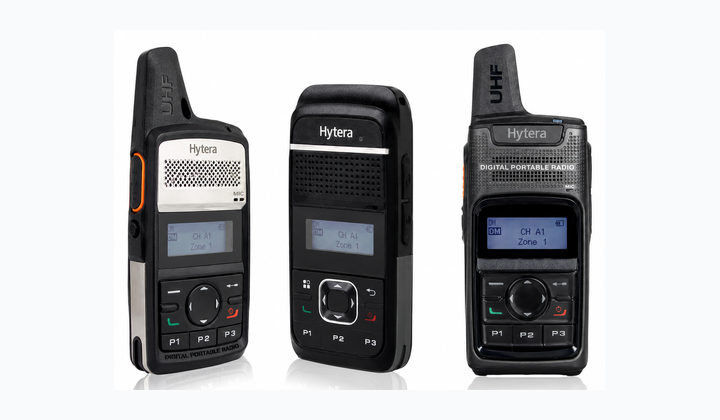
UHF waves are shorter, allowing them to navigate around steel structures and penetrate concrete much better than VHF (Very High Frequency) signals.
VHF is excellent for open maritime or agricultural settings, but inside a 5-story shopping mall, UHF is what you must deploy to maintain a solid connection.
| Band | Best Environment | Penetration |
|---|---|---|
| UHF (Ultra High Frequency) | Indoor, Urban, High-rise | Excellent through concrete |
| VHF (Very High Frequency) | Outdoor, Sea, Open Fields | Poor through obstacles |
How Concrete and Steel Affect Range
In a typical Malaysian commercial building, you might lose 20% to 30% of your signal strength per concrete floor.
Common dead zones include basement car parks, reinforced server rooms, and enclosed stairwells. On site, a standard 4-watt radio might only cover 2 to 3 floors reliably without assistance.
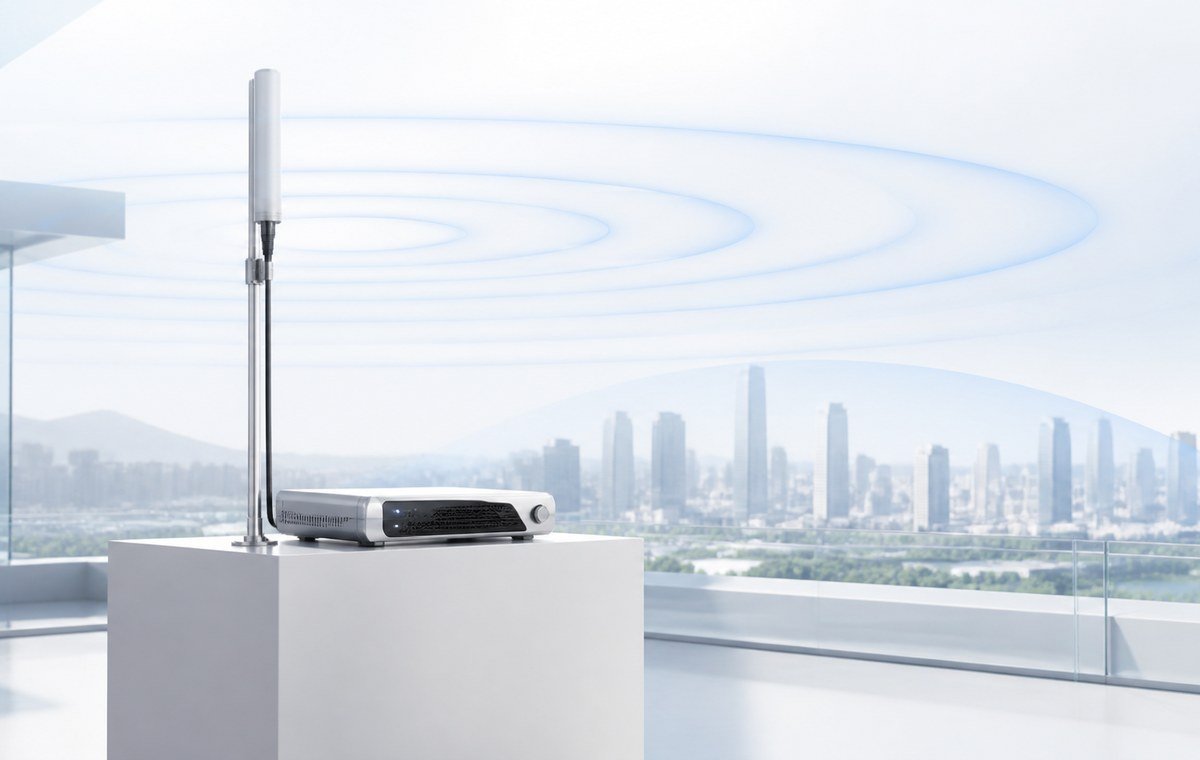
Extending Coverage with Repeaters
A repeater receives weak signals and re-transmits them at a higher power. If your security team needs to communicate from the B3 basement to the 20th floor roof, a repeater is mandatory. The best approach is to mount the antenna at the highest possible point.
It is important to perform a walk-test to map out these dead zones. Octogen engineers can determine the exact placement for an antenna network.
Real Deployment Notes
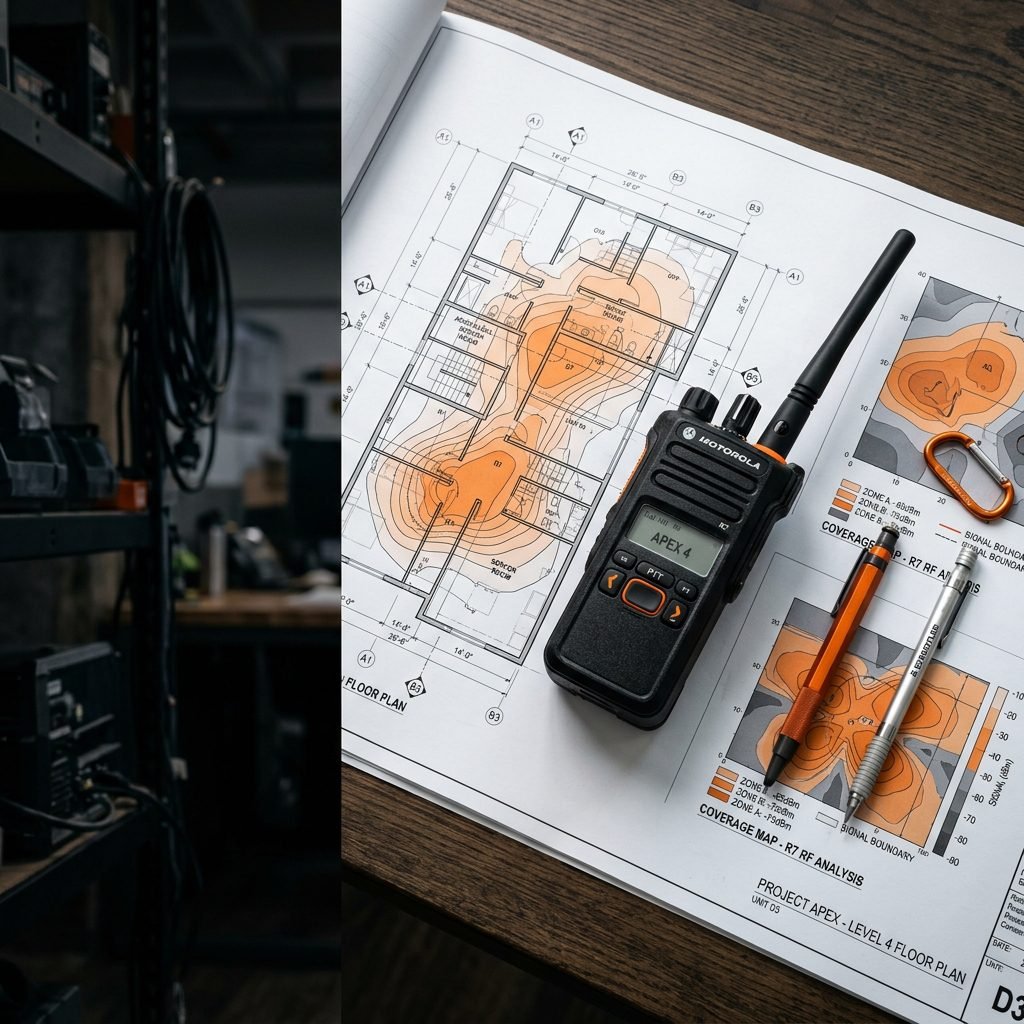
Every building is unique. A theoretical coverage map is only the starting point.
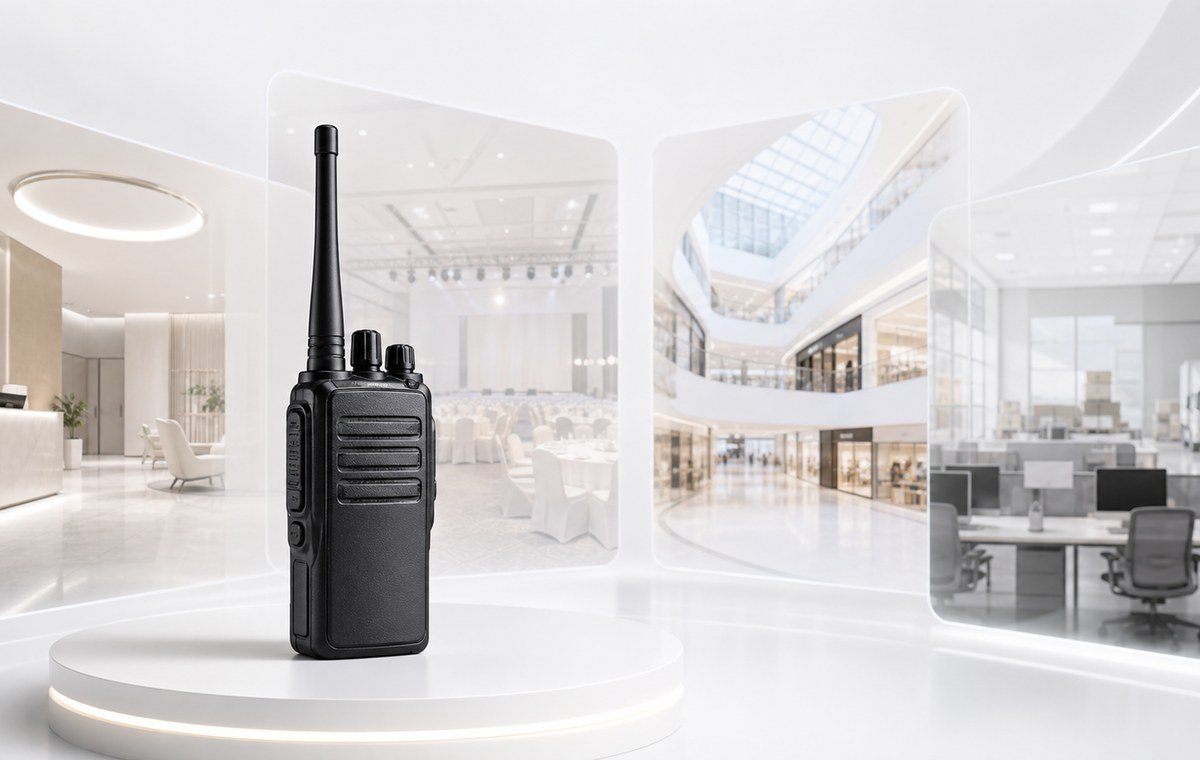
During our deployment at a major Kuala Lumpur shopping mall, we found that mirrored glass and specialized insulation heavily degraded radio signals in the atrium.
Always insist on a live walk-test with your actual security personnel on their normal patrol routes before finalizing any radio purchase.
Common Customer Questions
Why does my radio work outside but not in the basement?
Basements are surrounded by thick reinforced concrete and earth, which absorb RF signals. Upgrading to a higher wattage radio or installing a repeater antenna in the basement is required.
Is UHF or VHF better for a warehouse?
UHF is better. The shorter wavelengths of UHF bounce around metal racking and inventory much more effectively than VHF.
How many floors can a 4-watt walkie talkie cover?
Typically 2 to 4 floors in a standard commercial building, depending on the floor thickness and layout. Beyond that, signal degradation becomes severe.
Do I need a license for high-power radios in Malaysia?
Yes. Commercial radios operating at 4 or 5 watts require an apparatus assignment from MCMC. Octogen can assist with this application process.
Can PoC (Push-to-Talk over Cellular) solve range issues?
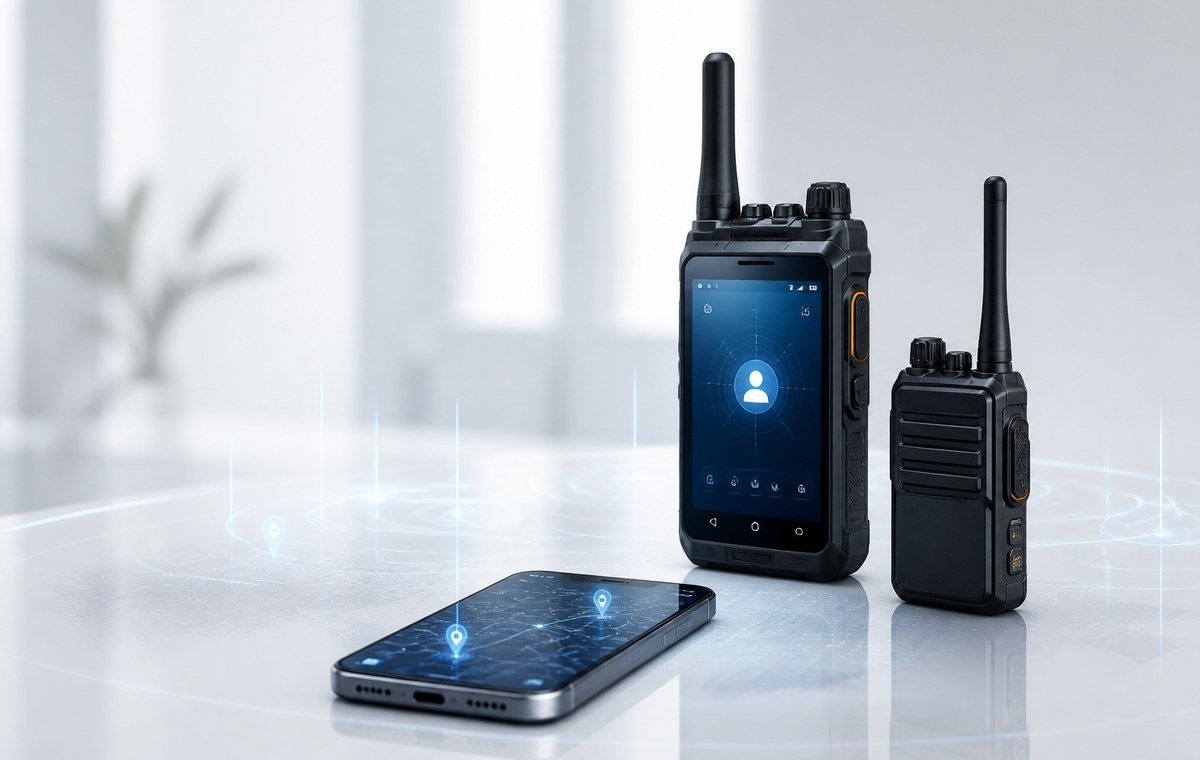
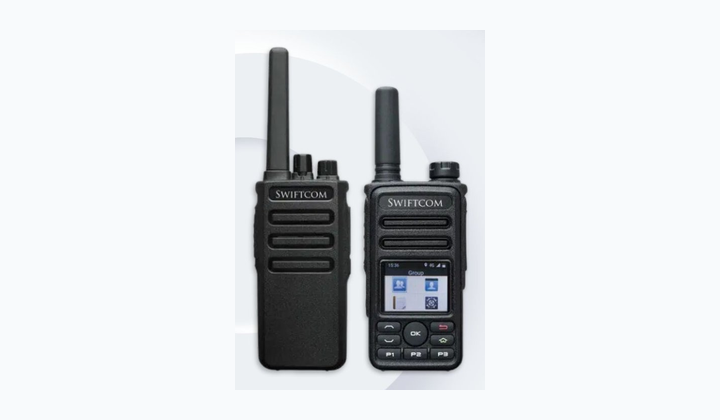
Yes, PoC uses 4G/LTE cellular networks instead of direct radio waves, offering nationwide range, provided your building has good cellular reception.
Ask Octogen About Your Site Coverage
Struggling with dead zones? Let Octogen perform a site coverage test to determine if you need better radios, a repeater system, or a PoC deployment. Visit our website for more details.