
Walkie Talkie for Hotels Malaysia: Front Desk to Housekeeping
A practical radio setup for Malaysian hotels and resorts where front desk, housekeeping, security, engineering, and duty managers need fast coordination without disturbing guests.
Radios should make room status move faster without making the lobby louder.
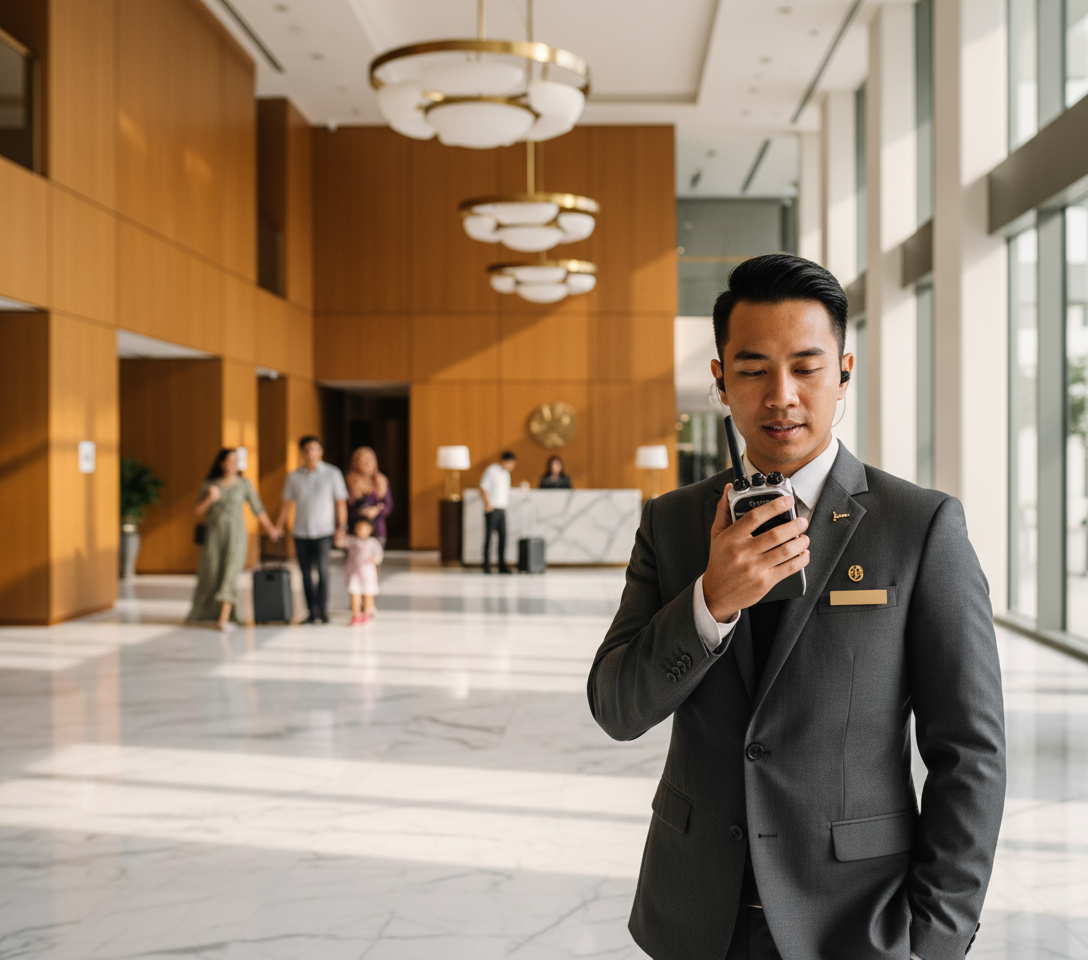
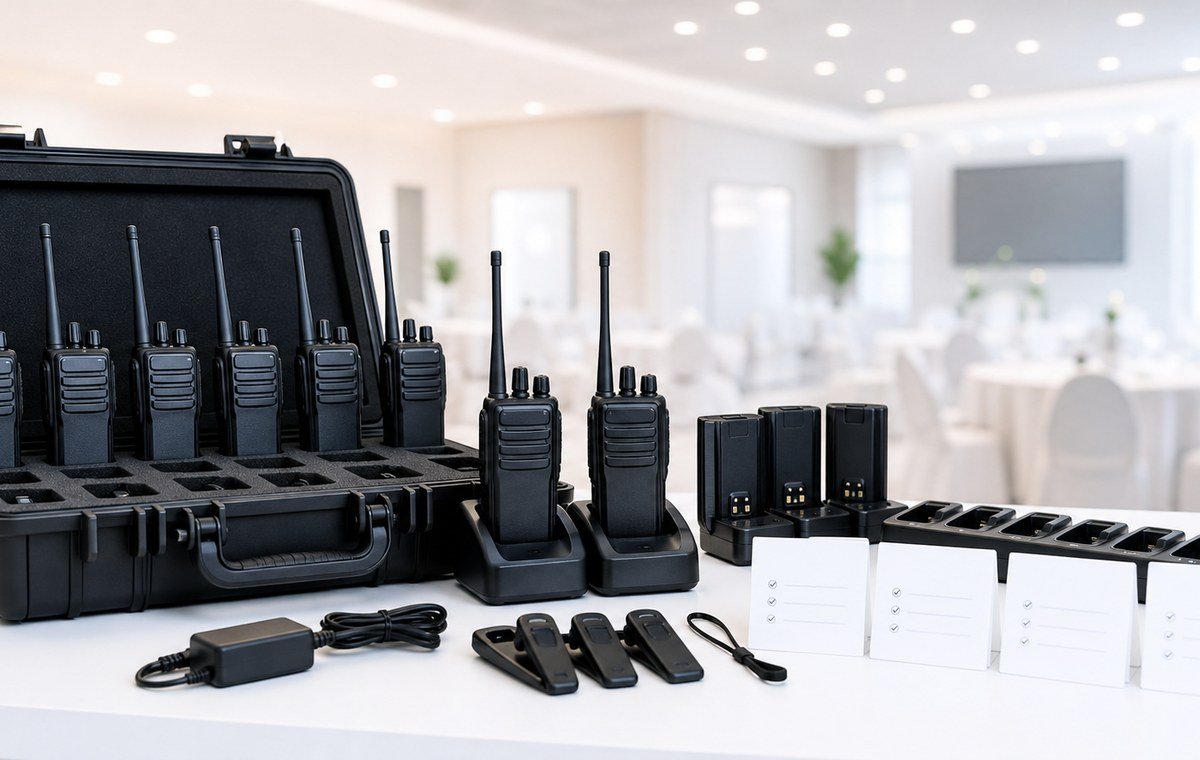
A good hotel setup links reception, housekeeping, security, engineering, and the duty manager with quiet accessories, clean channels, and a shift handover routine that survives busy check-in periods.
Service score
Score the radio system by guest-facing behavior: fast reply, low noise, clear owner, and no repeated calls.
Front desk to room-ready lane
The most important hotel workflow is not radio ownership. It is whether a room status changes without three phone calls.
Risk map
Most complaints come from weak process, not weak radios. Fix noisy calls and dead floors first.
Quick answer

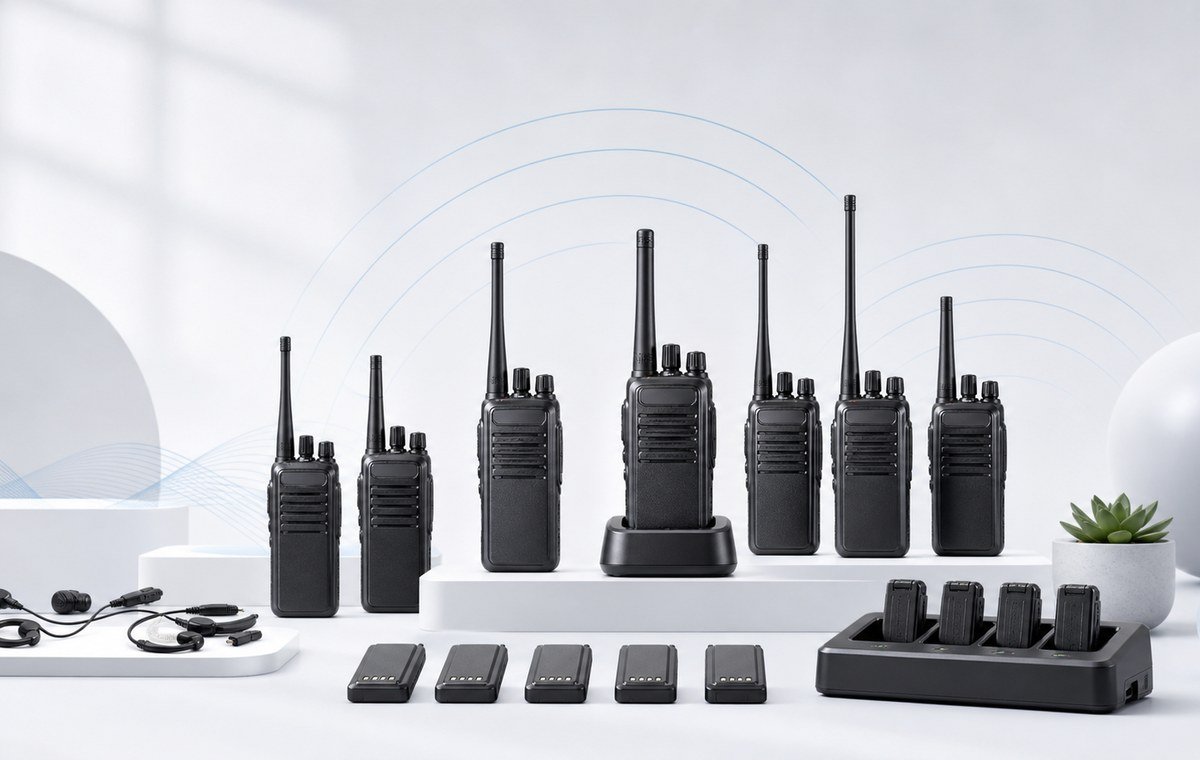
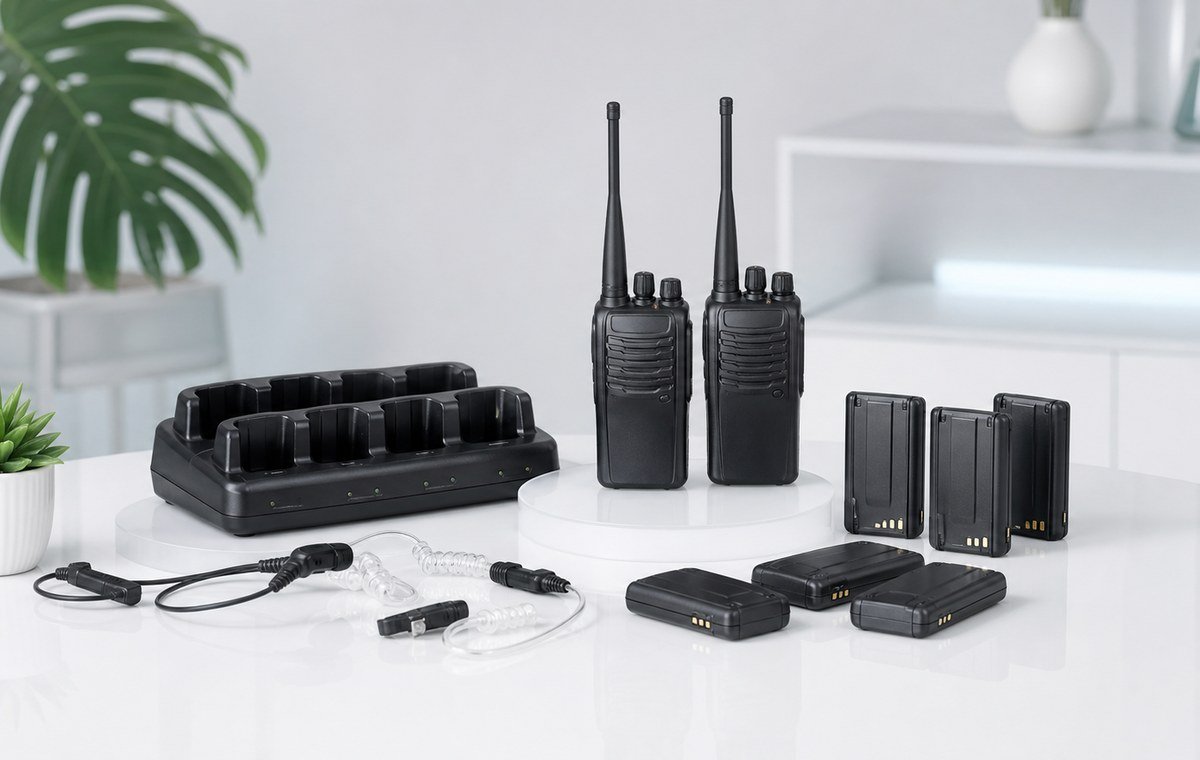
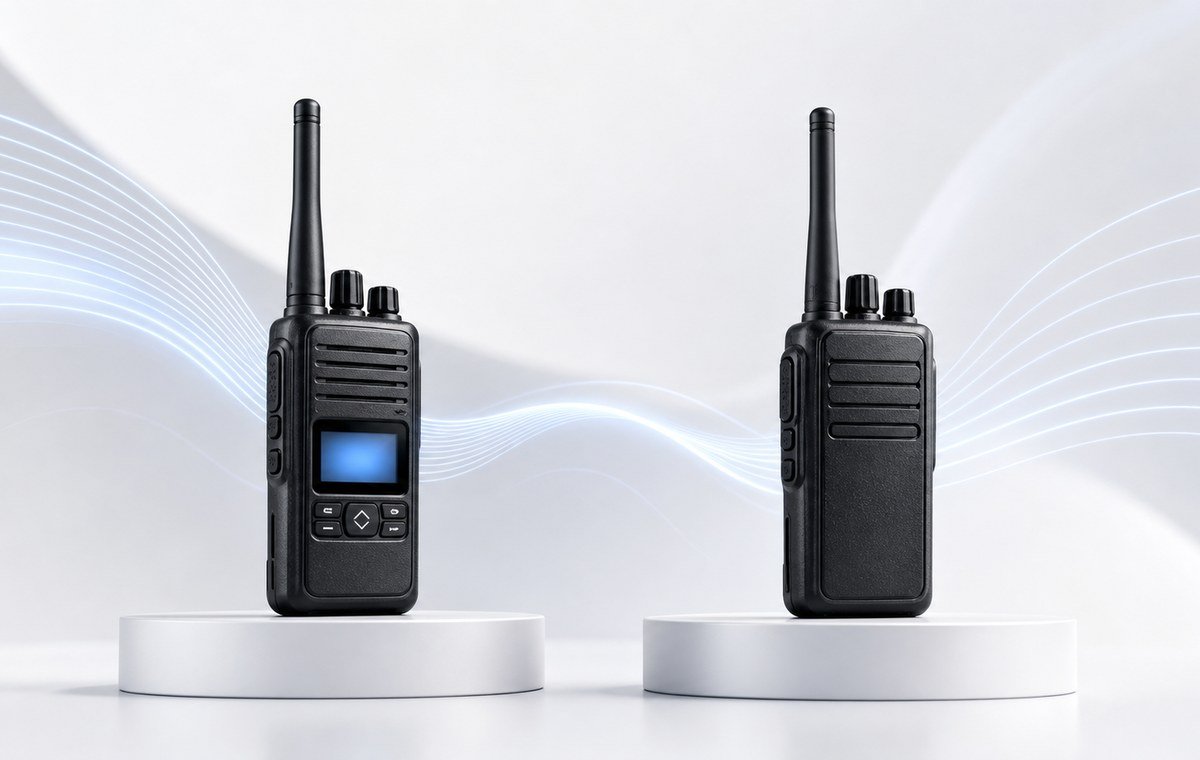
For most Malaysian hotels, start with professional UHF radios, acoustic-tube earpieces for guest-facing staff, a 4 to 6 channel plan, labelled chargers, and a floor-by-floor coverage test. The goal is not just range. The goal is a cleaner service loop from guest request to room-ready confirmation.
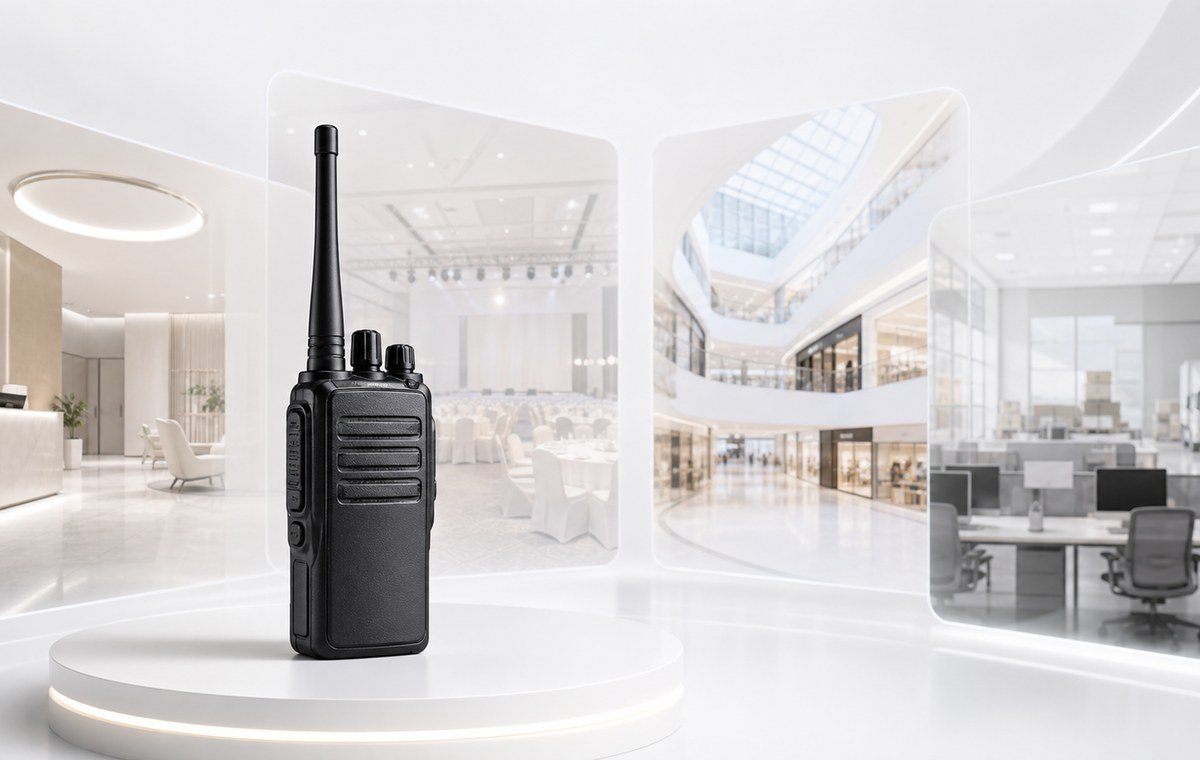
A boutique hotel may run with 8 to 12 radios. A 100 to 200 room city hotel often needs 18 to 35 radios across front office, housekeeping, security, engineering, banquet, and the duty manager. Resorts may need more because the pool, villas, buggy route, beach area, and back-of-house stores are spread out.
Octogen should test the real working zones before finalising the fleet: lobby, basement parking, lift landing, guest floors, housekeeping pantry, linen room, kitchen, banquet hall, rooftop, and guard post. If one service lift landing has weak audio, front desk will feel the failure even if the lobby sounds perfect.
Front desk to housekeeping flow
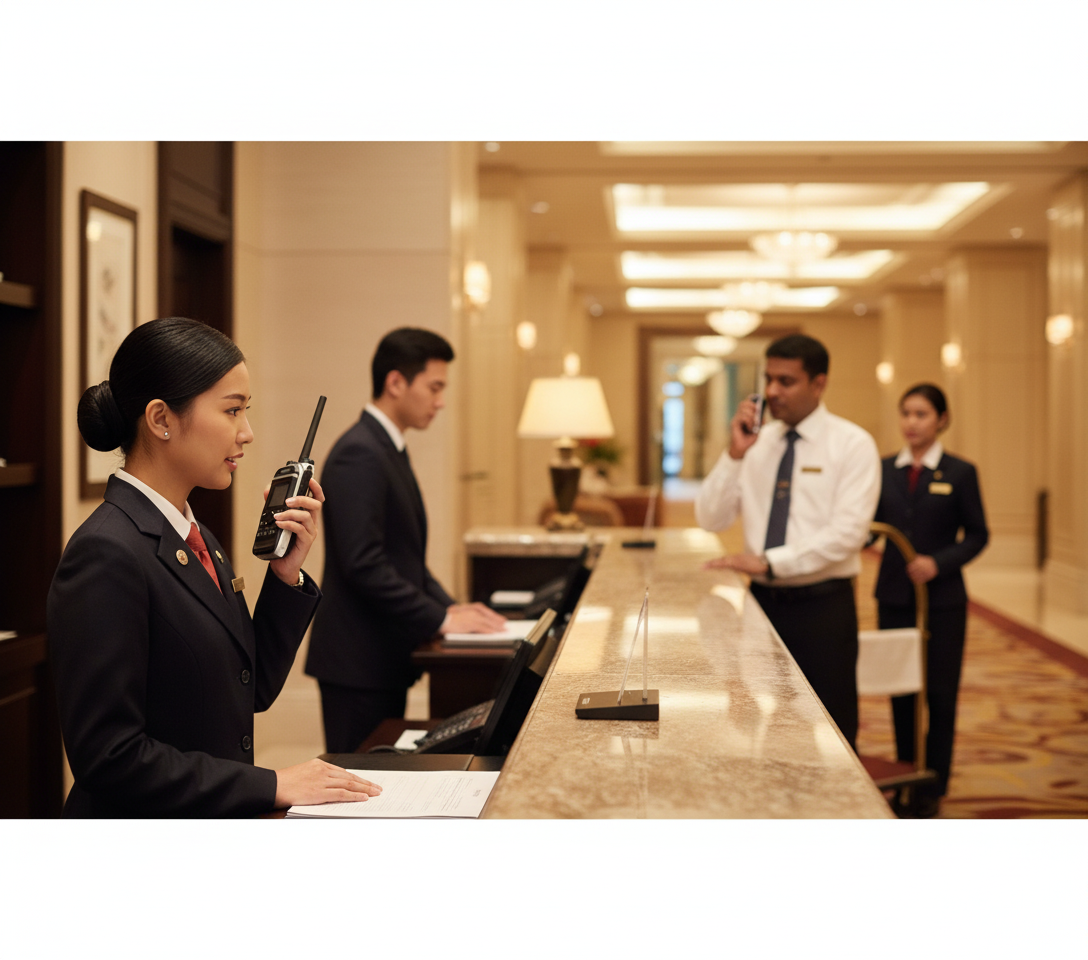
A practical flow is simple: front desk receives the guest request, calls the housekeeping lead on the assigned channel, housekeeping confirms the room or floor, then front desk closes the loop when the room is ready. If the request involves a leak, lock issue, air-conditioning fault, or guest safety concern, engineering or security joins the same escalation path.
Do not make every staff member listen to every message. A noisy shared channel slows the team and increases the chance of guest-area chatter. Use department channels for routine work, then define when front desk or duty manager can bridge departments for urgent requests.
The wording should be short and repeatable. For example: Front Desk to Housekeeping Lead, room 1208 priority clean, guest waiting at lobby. Housekeeping replies with accepted, inspector assigned, or escalate to duty manager. This keeps the exchange clear without exposing unnecessary guest details.
- Use role-based call signs such as Front Desk, Housekeeping Lead, Security Base, Engineering, Banquet, and Duty Manager.
- Keep guest names and sensitive details off open radio channels unless the system and process are designed for privacy.
- Train staff to confirm ownership, not just acknowledge the call.
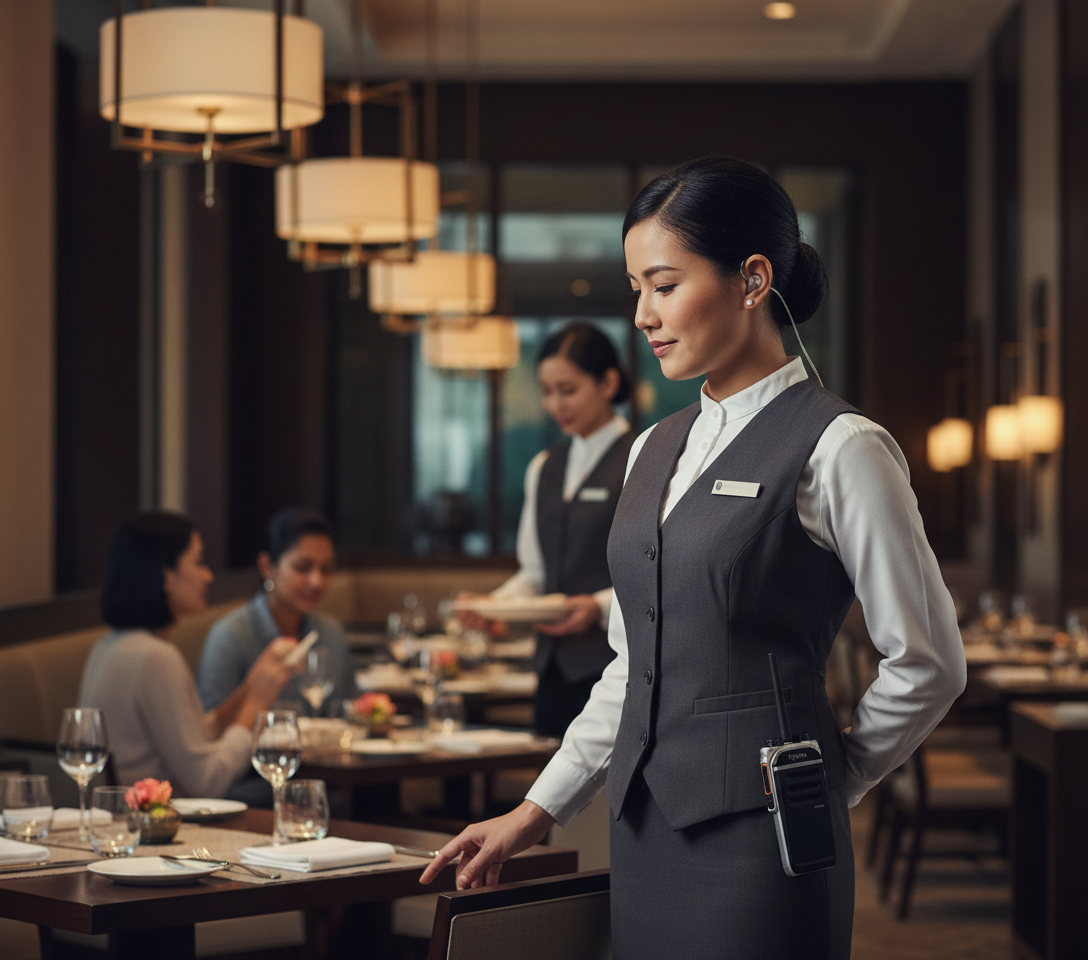
- Use earpieces or lapel microphones in lobby, restaurant, and corridor areas where audible radio traffic can disturb guests.
Hotel channel plan
A common hotel structure is Channel 1 for front desk and duty coordination, Channel 2 for housekeeping, Channel 3 for security, Channel 4 for engineering, Channel 5 for banquet or F&B, and Channel 6 for management or emergency coordination. Smaller hotels can combine channels, but the ownership rule still matters.
Use privacy codes to reduce accidental cross-talk, but do not treat them as a security system. If the hotel handles sensitive guest information, keep the radio message operational and brief. Digital radios can add stronger privacy features, but the discipline still starts with what staff say over the air.
For resorts, channels should follow zones as well as departments. Pool, villa, buggy, beach, car park, and guard post may need a slightly different pattern from a vertical city hotel where floors, lift lobbies, and basement parking are the main coverage risk.
Coverage and accessories
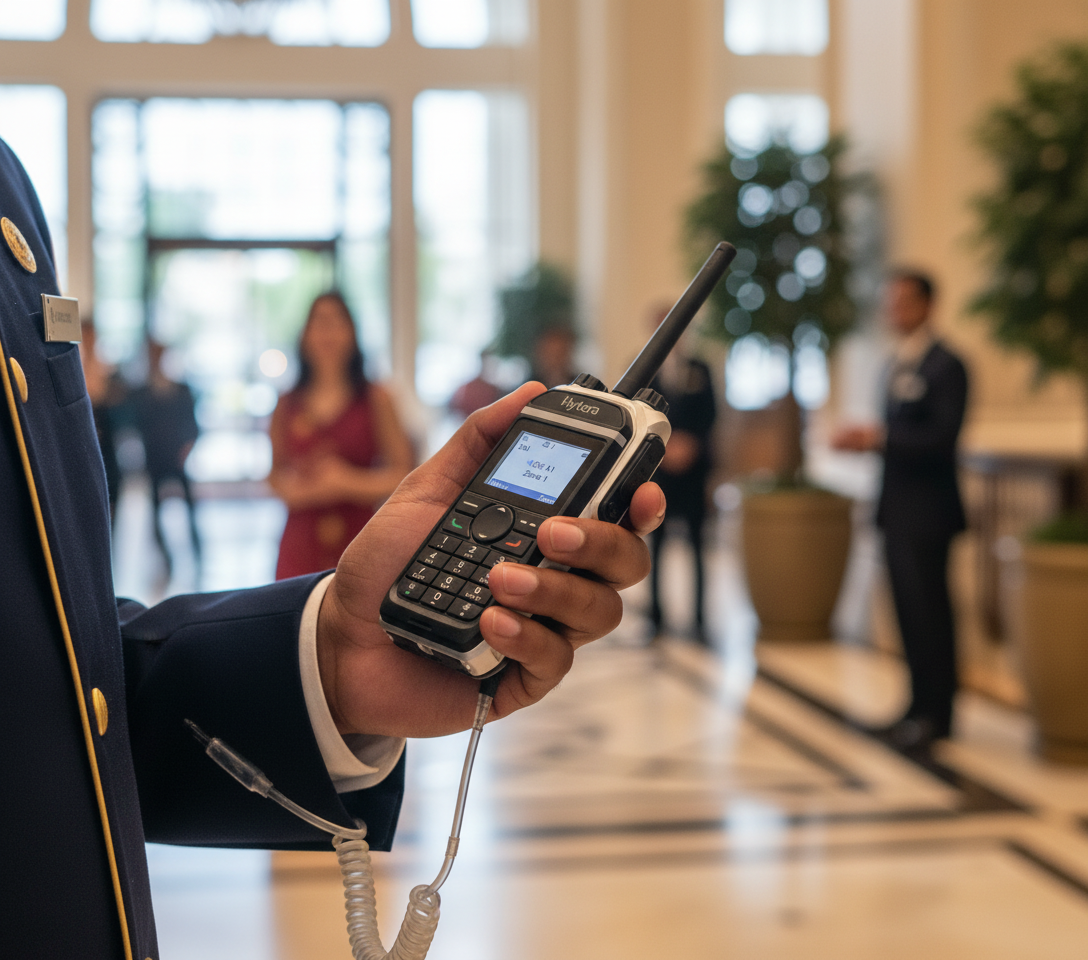
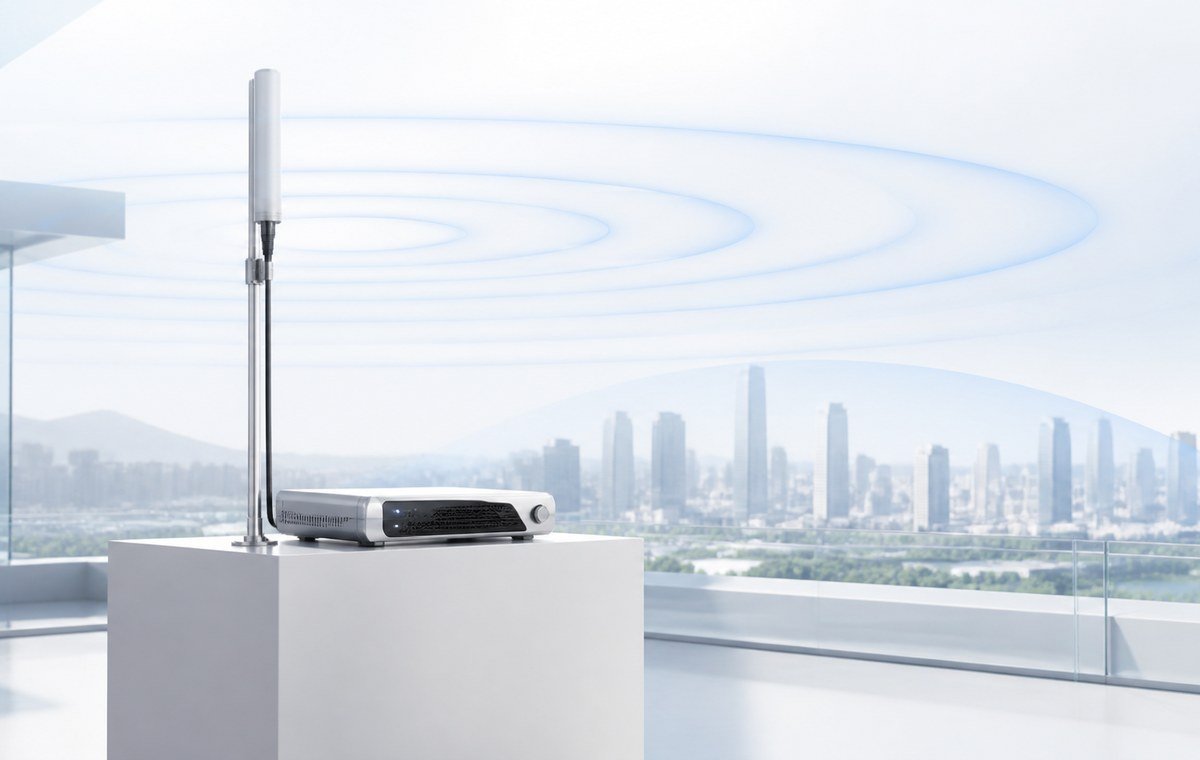
UHF radios are usually the better starting point for hotels because they handle concrete, walls, lift lobbies, and indoor corridors better than VHF in many building layouts. The final answer still depends on a real walk-test because basements, plant rooms, service lifts, and rooftop areas can behave differently from the lobby.
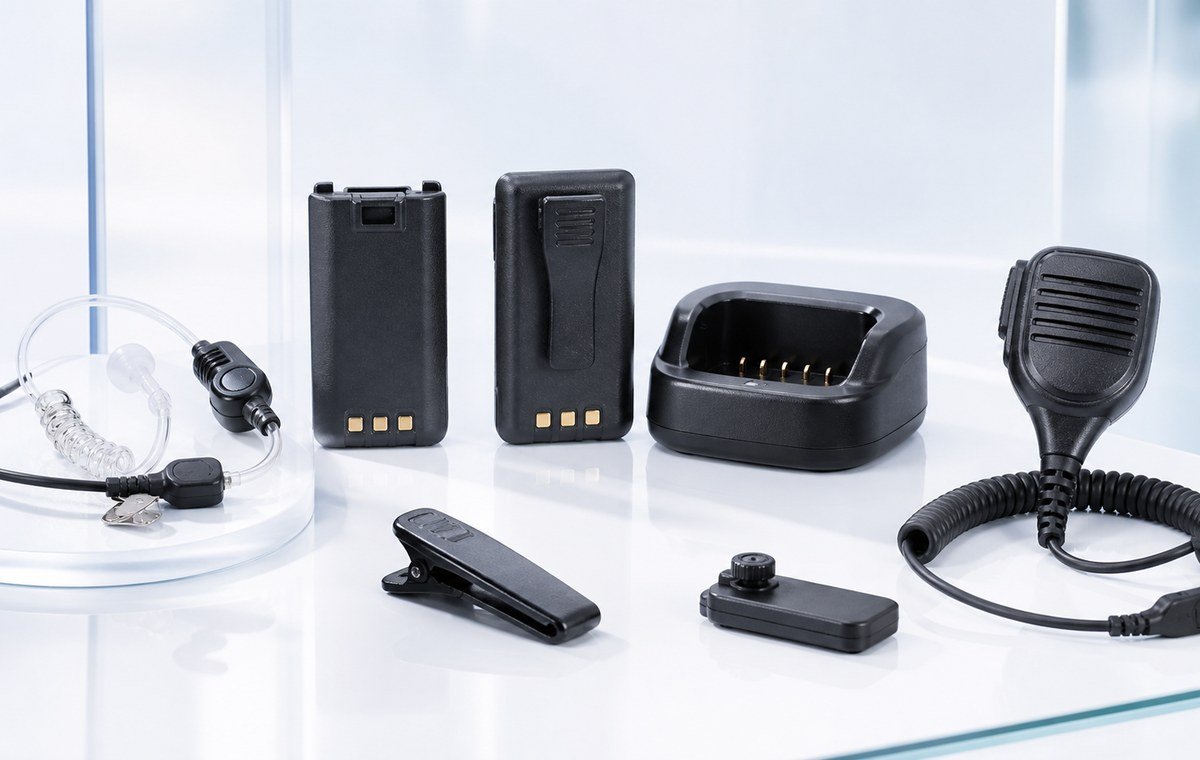
Guest-facing staff need discreet audio. Front desk and concierge teams usually benefit from acoustic-tube earpieces, while housekeeping may prefer a compact speaker microphone or earpiece that stays comfortable during room turnover. Security may need a sturdier earpiece and belt clip because they move between indoor and outdoor posts.
Battery planning is part of guest service. A radio that dies during checkout creates the same operational pain as a missed phone call. Keep spare batteries, label chargers by department, and check that night-shift staff return radios to the right slot before morning peak begins.
Shift handover checklist
The handover routine should be short enough to use every day. If it takes too long, staff will skip it during busy check-in or late checkout periods. A supervisor should still be able to see who has each radio and whether any unit has weak audio, a missing clip, or a battery problem.
Keep one table at the radio issue station and review it at every shift change. The table should focus on action, not paperwork.
| Handover item | What to check | Why it matters |
|---|---|---|
| Radio number | Match unit ID to department or role | Prevents missing radios and makes faults traceable |
| Channel | Confirm front desk, housekeeping, security, engineering, F&B, or duty manager | Stops staff from listening to the wrong traffic |
| Audio | Run a quick transmit and receive check | Finds weak speaker, microphone, or coverage issues before deployment |
| Accessory | Check earpiece, lapel mic, belt clip, and case | Keeps guest-facing radio use quiet and professional |
| Battery | Confirm full charge or issue spare battery | Avoids mid-shift failure during check-in, banquet, or night shift |
| Escalation | Record unresolved radio or coverage issue | Gives the duty manager a clear next action |
Real Deployment Notes
Test from lobby to guest floors, then repeat from pantry, linen room, service lift, basement parking, and security post. Hotel failures often hide in back-of-house paths, not the polished front desk area.
If every request sounds urgent, staff stop listening carefully. Keep routine room status on the correct department channel and reserve duty-manager calls for real escalation.
A good radio with a poor earpiece still creates guest-area noise. Issue accessories by role and record missing earpieces during shift handover.
Common Customer Questions
How many walkie talkies does a Malaysian hotel need?
A small boutique hotel may need 8 to 12 radios. A 100 to 200 room hotel often needs 18 to 35 radios across front desk, housekeeping, security, engineering, banquet, and duty manager roles. The right number depends on rooms, floors, shifts, outlets, and outdoor areas.
Should front desk and housekeeping share one channel?
They can share a channel in a small hotel, but larger hotels usually work better with separate department channels and clear escalation rules. Front desk should be able to reach the housekeeping lead quickly without every routine housekeeping message filling the lobby channel.
How do hotels keep radio use discreet around guests?
Use acoustic-tube earpieces, vibrate alerts, short call signs, and role-based messages. Staff should avoid guest names or sensitive details on open channels unless the system and policy support that use.
Can one radio system cover basement parking and rooftop facilities?
Sometimes yes, but it must be tested. UHF radios are usually a better start for indoor hotels, while high-rise towers, basements, and wide resorts may need a repeater or adjusted antenna plan after a real coverage walk-test.
Is rental or purchase better for hotels?
Purchase usually fits year-round hotels with stable staff counts. Rental fits seasonal resorts, renovation periods, banquet overflow, trial deployments, and temporary events. Octogen can compare both after checking user count, shift length, and site coverage.
Ask Octogen About Your Site Coverage
Send Octogen your hotel type, room count, number of floors, user count, shift timing, guest-area restrictions, and current communication problems. The team can advise radio models, earpieces, channel programming, rental or purchase options, and coverage testing for Malaysian hotel operations.