

Walkie Talkie Site Coverage Test Malaysia: Find Dead Zones Before They Disrupt Operations
A practical guide for Malaysian sites that need radio checks across guardhouses, basements, loading bays, warehouses, resorts, construction floors, and event zones.
Do the walk test before users blame the radio.
A radio that works at the counter can still fail in a basement, lift lobby, metal racking aisle, or remote guard post. Test the real route before deployment.
Coverage index
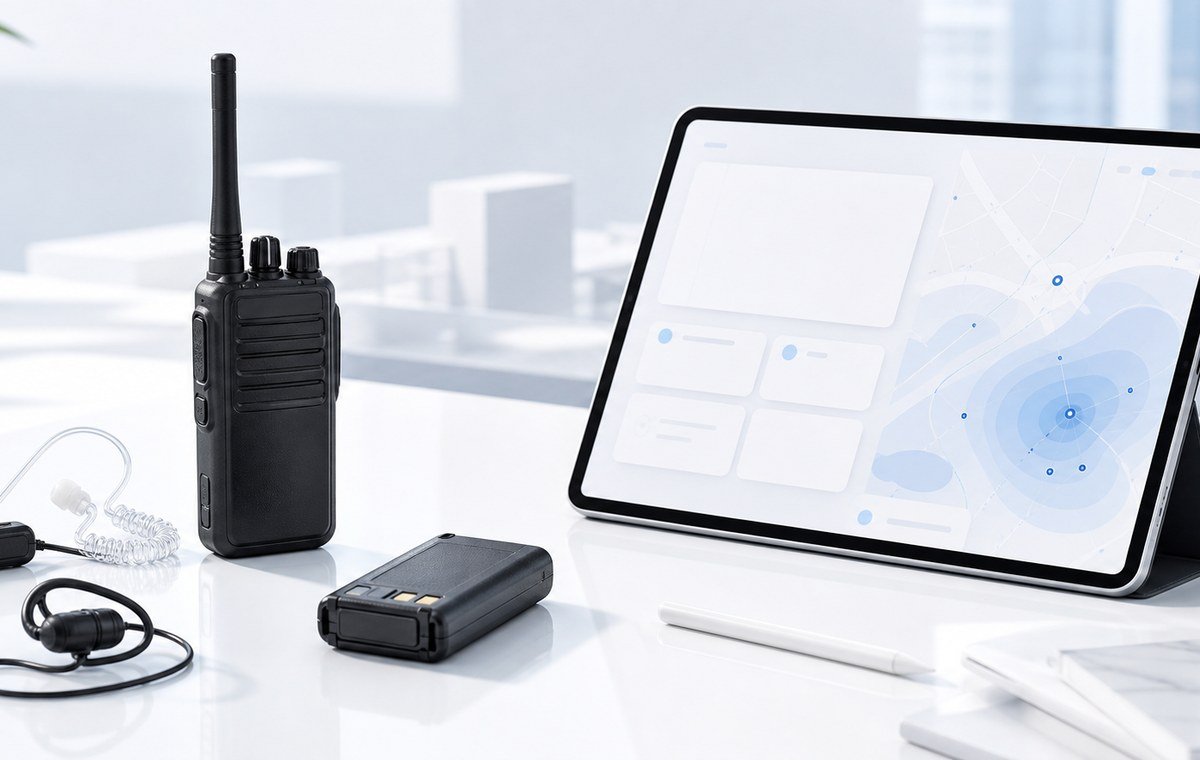
One score is not enough, but it helps supervisors see whether the site is ready for live operations.
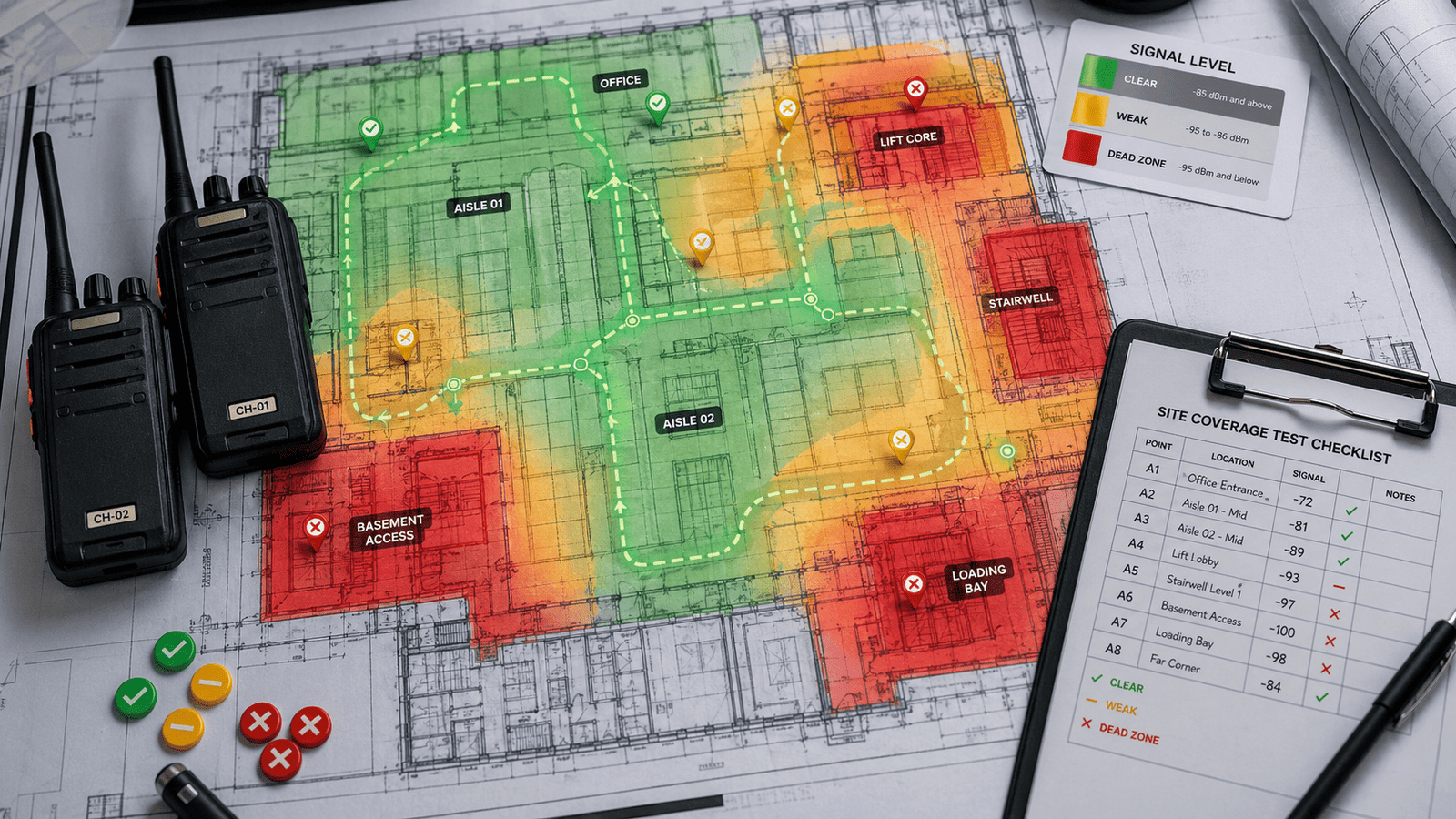
Signal walk path
The test should follow the real user path, not only the easiest open corridor.
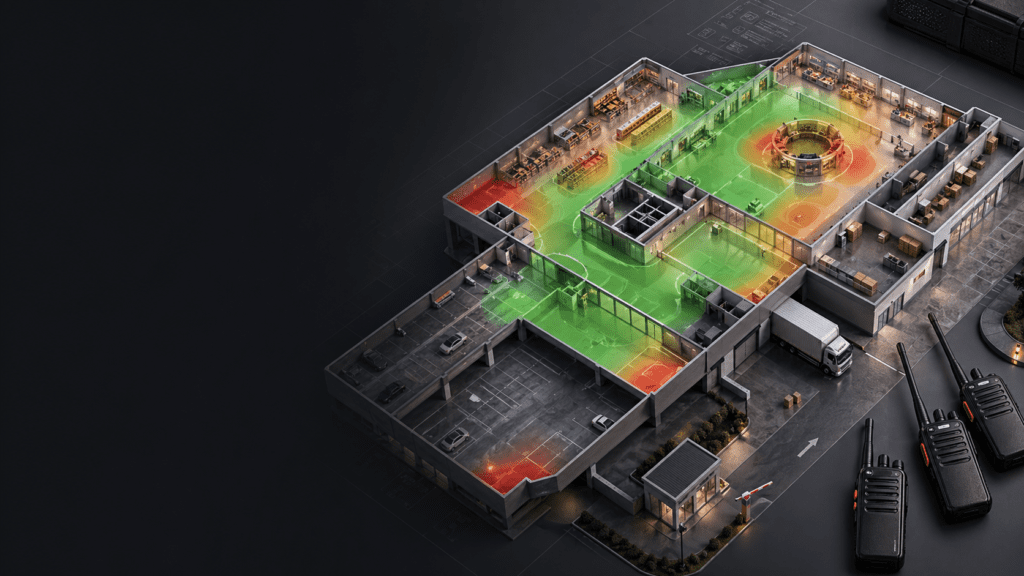
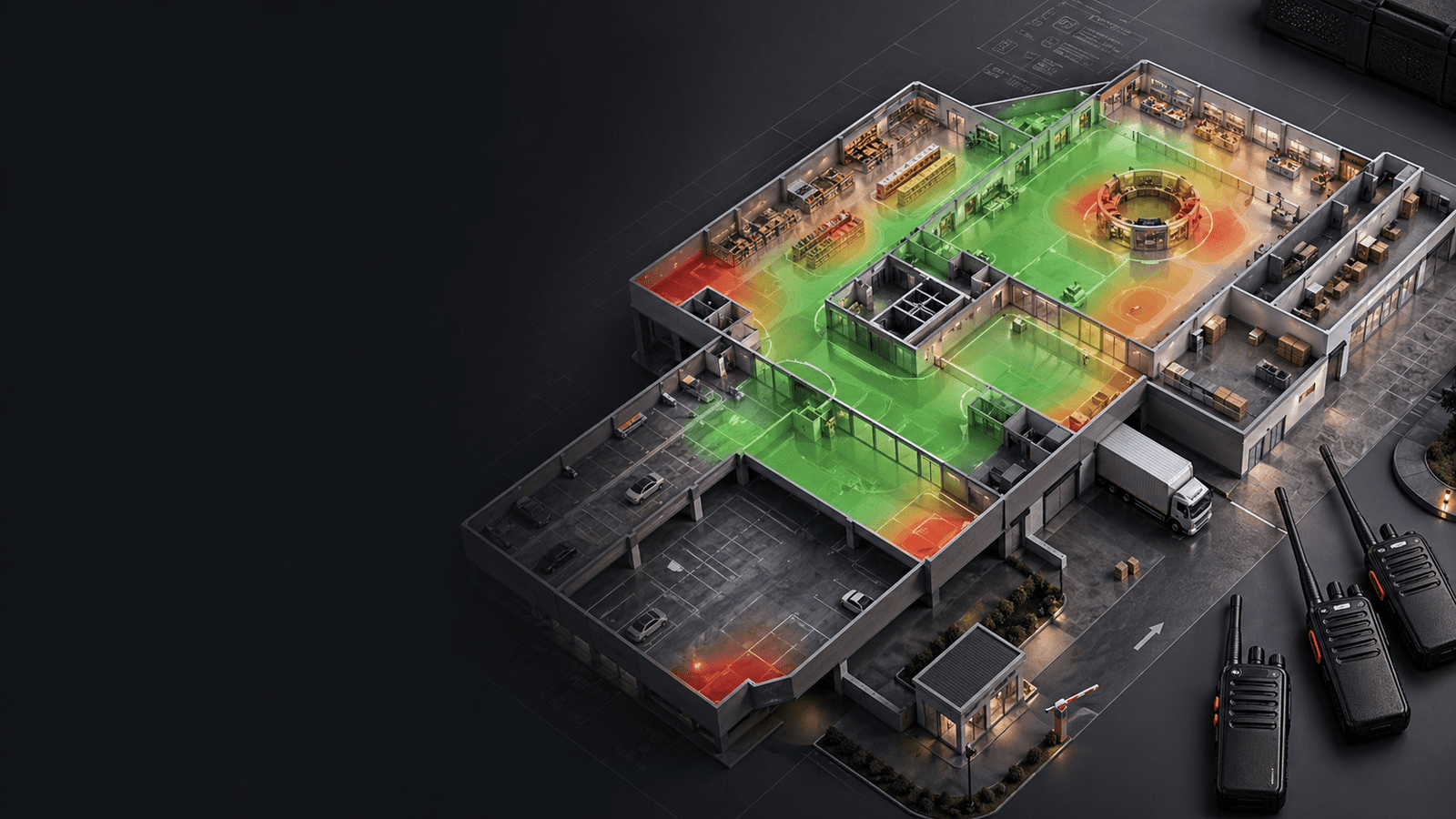
Risk heatmap
Weak signal is usually tied to concrete, metal, underground areas, distance, or poor antenna position.
What is a walkie talkie site coverage test?
A site coverage test checks whether radio users can communicate clearly from the actual places where work happens.
It is not the same as switching on two radios in the office. The test should cover guardhouses, basements, stairwells, lift lobbies, loading bays, warehouse aisles, back-of-house corridors, car parks, rooftop plant rooms, and outdoor checkpoints. For Malaysian operations, this matters because concrete walls, metal shutters, high racking, underground parking, and long site layouts can change the radio result quickly.
The goal is to know where the radio works, where the signal is weak, and where the team needs a different radio model, antenna, channel plan, repeater, or PoC radio option.
Where do dead zones usually appear?
Dead zones usually appear where the user path meets concrete, metal, distance, underground levels, or site corners that were never tested.
- Basement car parks and lift cores in malls, condos, hotels, and office towers.
- Warehouse racking aisles, cold rooms, loading bays, and container yards.
- Construction floors with changing structure, scaffolding, and temporary partitions.
- Resort, school, factory, or event sites where users spread across wide outdoor areas.
- Guard posts that sit behind tinted glass, metal doors, or thick boundary walls.
How to run a practical coverage walk test
Use one fixed user and one moving user, then record results by location instead of relying on memory.
Start with the real duty route. One person stays at the control point, guardhouse, office, or supervisor station. The second person walks to each test point and calls back with a short message. Test both directions because a message that sounds clear one way may be weak the other way. Record clear, noisy, broken, and failed points.
| Test point | What to check | Decision |
|---|---|---|
| Guardhouse to main entrance | Clear voice, fast response, no repeat needed | Usually acceptable if both-way audio is clean |
| Basement or lift lobby | Dropouts, muffled audio, missed calls | Retest with antenna position or stronger coverage option |
| Warehouse rack aisle | Signal behind metal stock and forklifts | Mark weak lanes and review radio model or repeater need |
| Outdoor boundary or remote post | Distance, obstruction, rain shelter, user posture | Decide whether radio, antenna, or PoC coverage is better |
When should you consider a repeater?
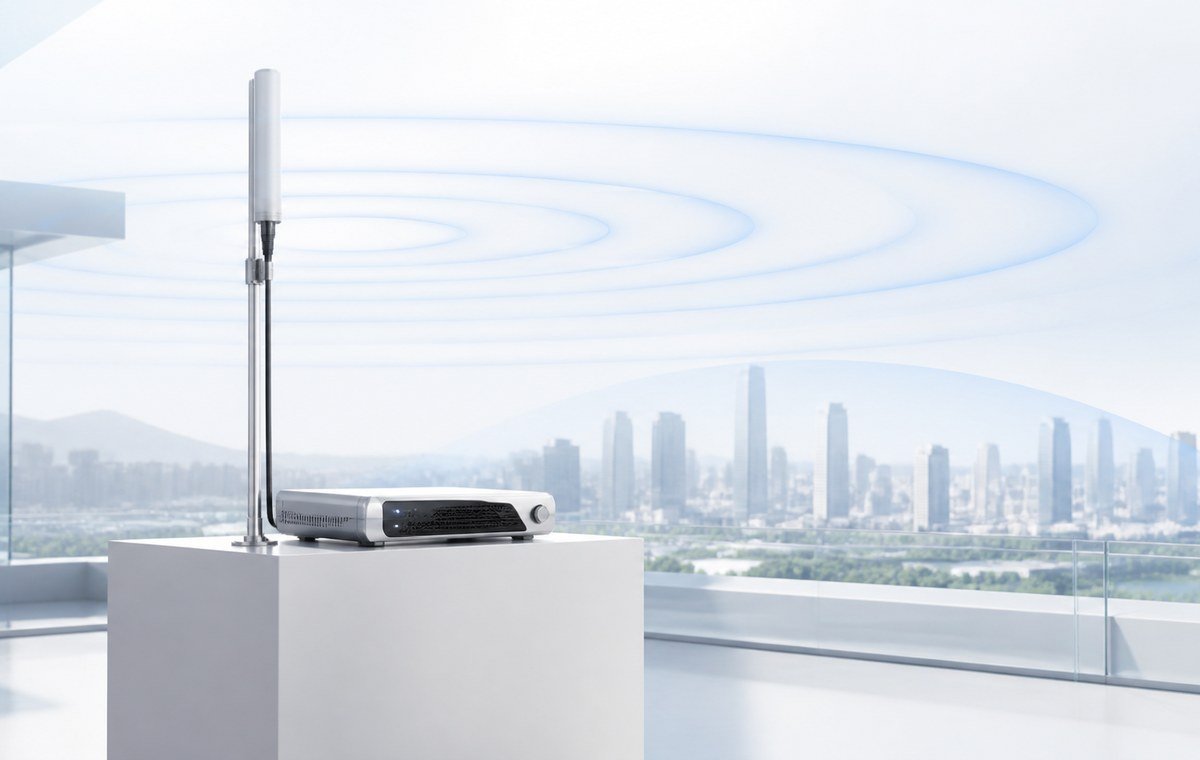
Consider repeater planning when important users cannot reach each other reliably after a proper site walk test.
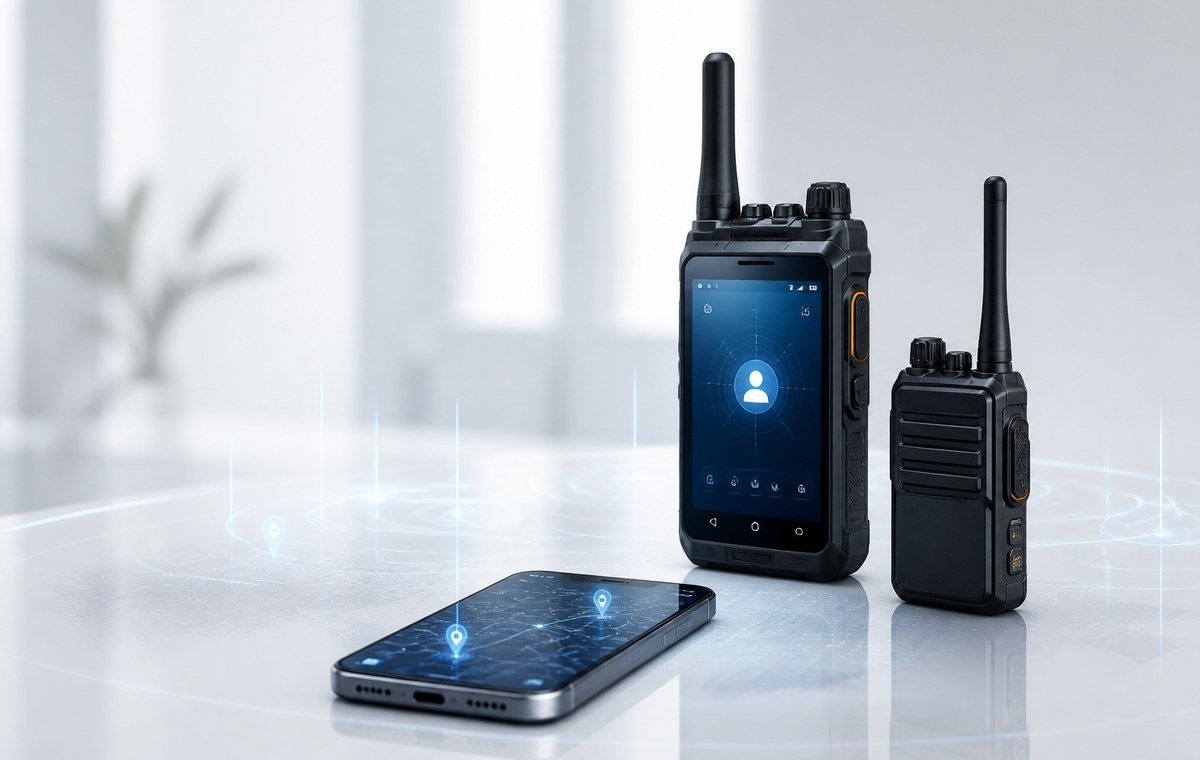
A repeater can help extend radio coverage, but it should be chosen after the site is understood. Some teams only need better radio placement, correct antenna choice, a cleaner channel plan, or a different model. Other sites need repeater placement, licensing/compliance review, or PoC radio where cellular coverage fits the operation better.
Octogen can help Malaysian teams compare normal walkie talkies, repeater-supported systems, rental options, and PoC radio based on the site layout, operating hours, user count, and critical posts.
Common Customer Questions
Can Octogen test walkie talkie coverage before we buy?
Yes. Share your site type, locations to cover, number of users, and problem areas. Octogen can advise the right test path and equipment option.
Why does my radio work outside but fail in the basement?
Basements, lift cores, and thick concrete can block or weaken radio signal. A coverage walk test helps confirm whether the issue is location, antenna, radio model, or system design.
Do all large sites need a repeater?
No. Some sites can be solved with the right radio, antenna, user route, or channel plan. A repeater becomes relevant when critical points fail after practical testing.
Is PoC radio better for wide-area coverage?
PoC radio can be useful when cellular data coverage is reliable and teams need wider-area communication. Traditional walkie talkies may still be better for fast local operations.
What should I prepare before asking for coverage advice?
Prepare a simple floor plan, user count, operating hours, site photos, known weak points, and the locations where communication must never fail.
Real Deployment Notes
Do not only test from the office desk. Walk the guard route, loading path, and emergency access points.
Mark weak and failed areas while testing. Memory is unreliable once the team returns to daily work.
A dead zone may need a different radio, antenna, repeater, or PoC option. The test tells you which layer to check next.
Ask Octogen About Your Site Coverage
Send Octogen your site type, floor plan, user count, and known weak points. The team can advise walkie talkie coverage, repeater planning, PoC radio, rental sets, and accessories for Malaysian operations.