
PoC (Push-to-Talk over Cellular) turns the 4G/5G network into your radio system — instant PTT with nationwide coverage, GPS and SOS, no base station to build. Tell us your coverage and team; see whether PoC, conventional radio, or a mix fits.
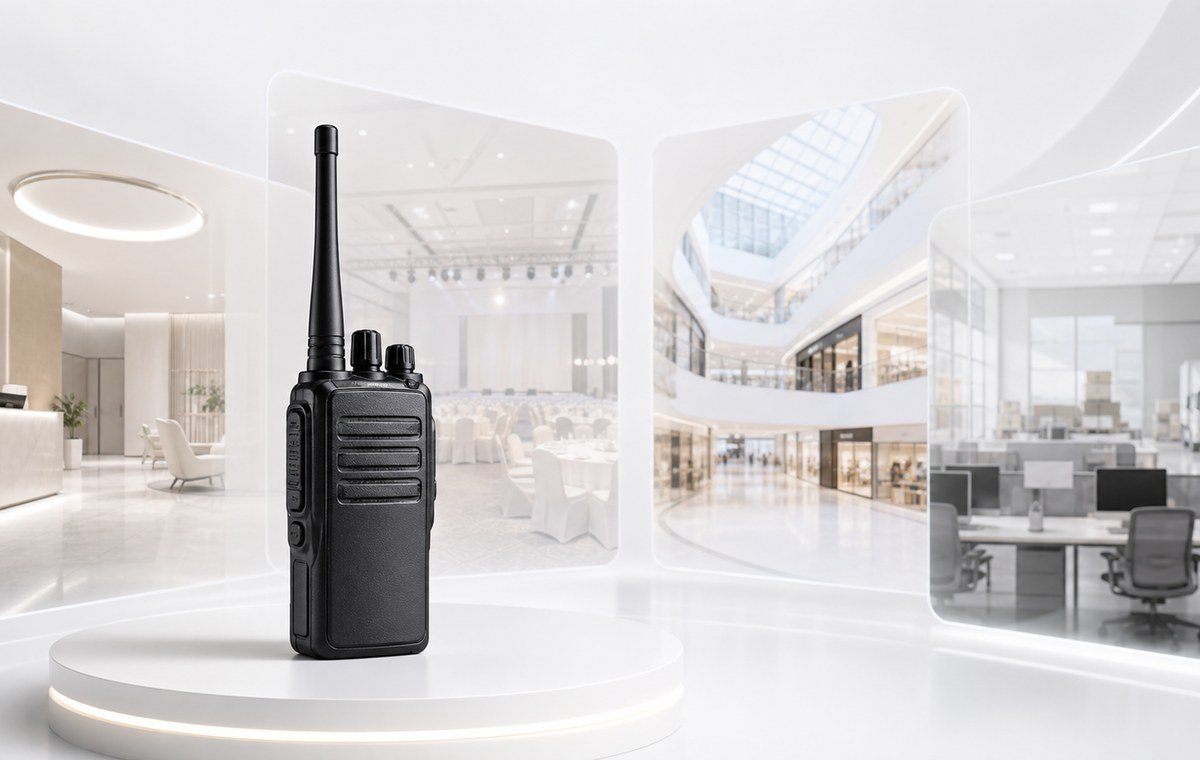
Consider PoC when teams need wide-area communication and the chosen network and platform work on their actual routes. Keep conventional radio where a suitable local system meets the need or required work areas lack usable cellular/Wi-Fi connectivity. Assess a hybrid when these conditions differ across the operation; connecting the two systems is a separate compatibility and integration question.
Check your fit
What is PoC radio?
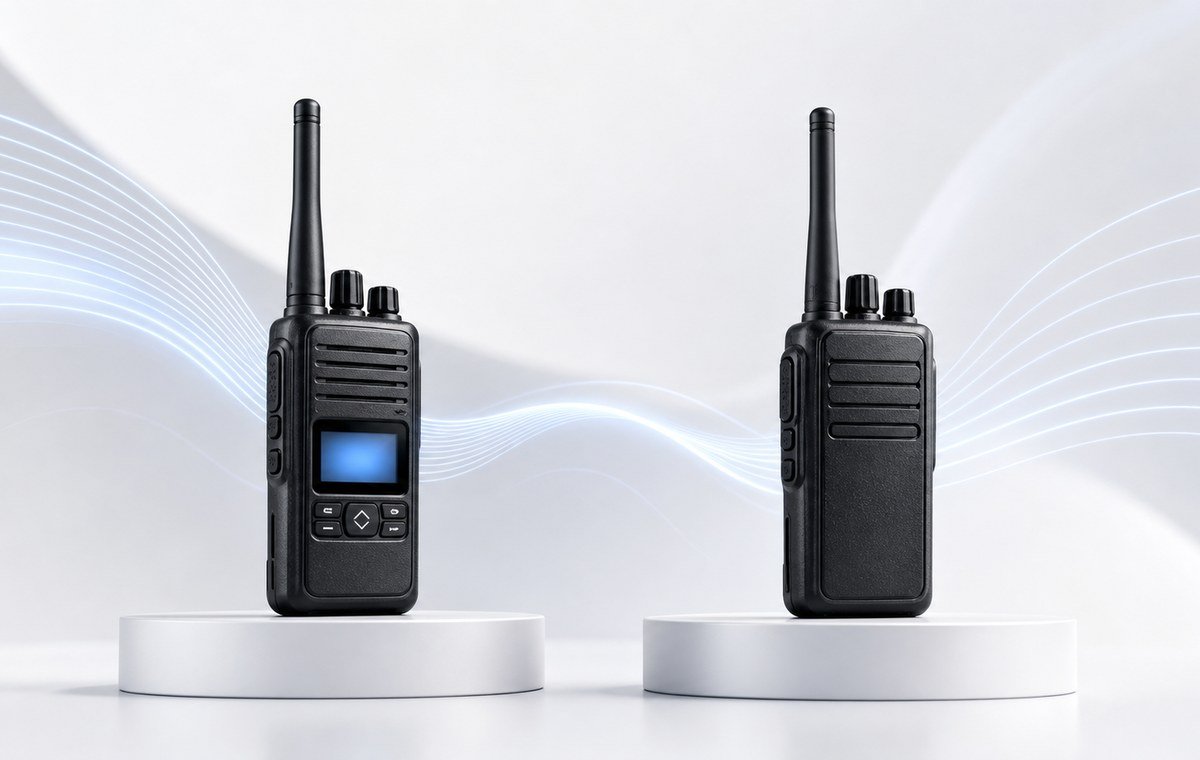
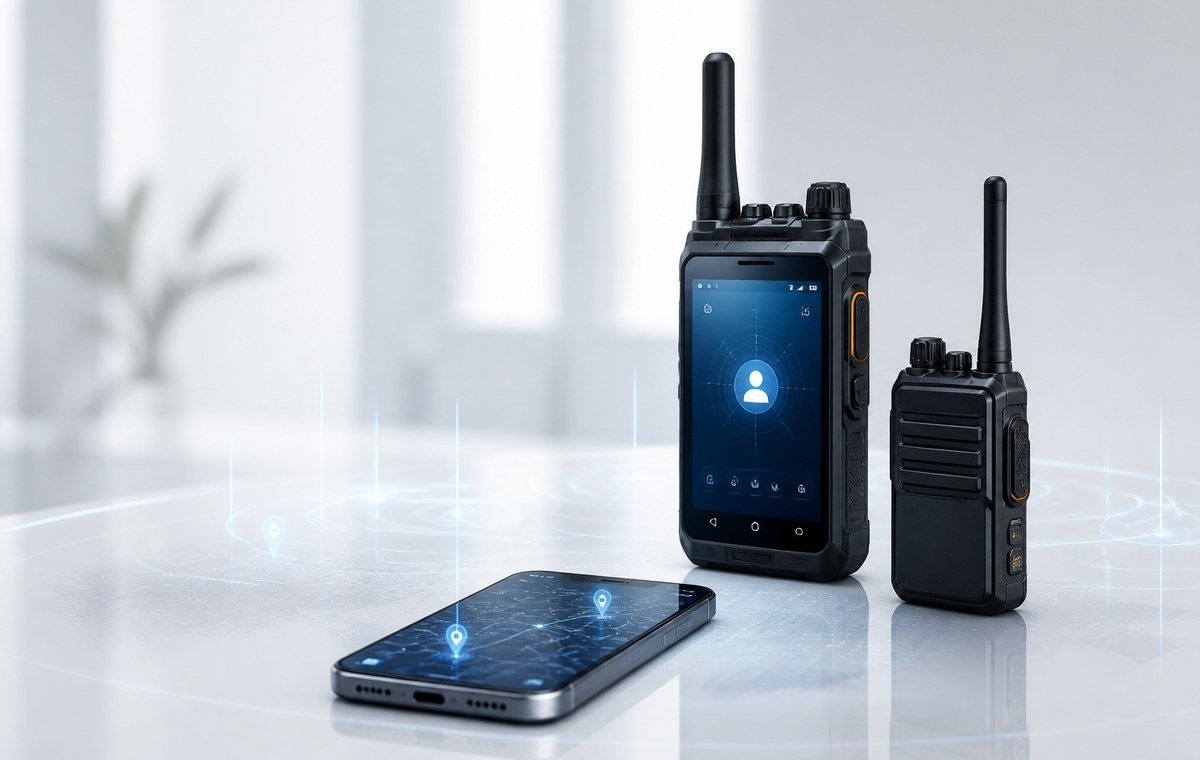
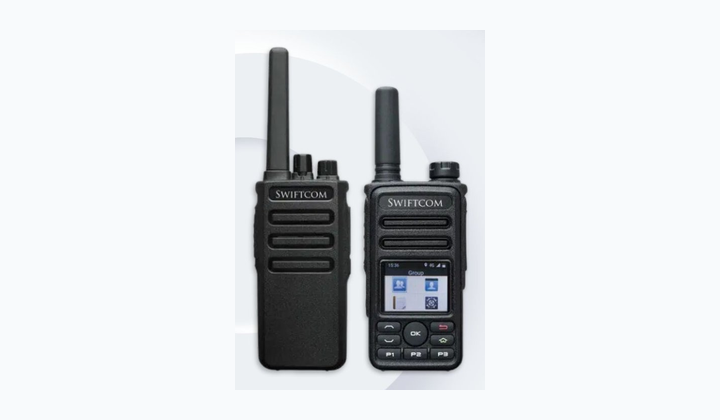
PoC — Push-to-Talk over Cellular — uses cellular networks (2G/3G/4G/5G) or Wi-Fi to deliver instant push-to-talk. It combines the one-touch simplicity of a walkie talkie with the wide coverage and multimedia of a smartphone, so there's no expensive radio infrastructure to build. Here's what happens when you press the button.
Press PTT
One button on a dedicated PoC device or app — just like a walkie talkie.
Voice → data
Your voice is digitised into data packets, ready for the mobile network.
Cellular / Wi-Fi
Packets travel over the 4G/5G or Wi-Fi network to the PoC server.
Group hears it
The server fans the audio out to your recipient or whole group, instantly.
PoC radio vs conventional walkie talkie.
Both give instant push-to-talk. The difference is how far they reach, what else they can do, and how they're paid for.
Cellular-powered, wide-area, multi-function
- Coverage — nationwide, even cross-border, anywhere there's cellular or Wi-Fi.
- Features — HD voice plus video, images, text, GPS positioning, track playback and SOS.
- Infrastructure — none to build; uses the existing mobile network.
- Cost — a per-device data SIM / platform fee, usually less than building a base station.
- Catch — needs network signal; no coverage means no comms.
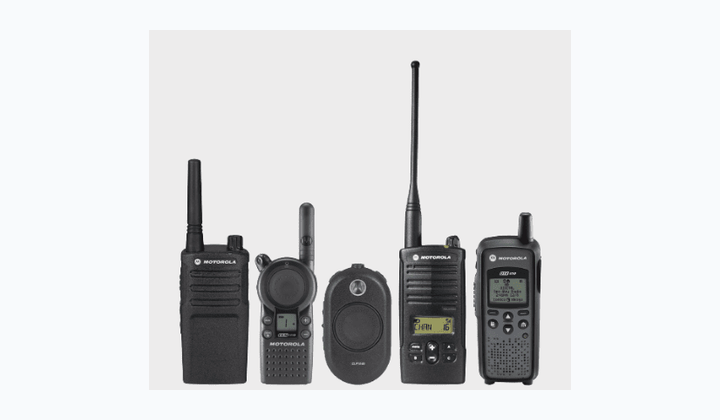
Direct radio, local, no monthly fee
- Coverage — local; extended with a repeater, but bounded by range, terrain and buildings.
- Features — voice (and data on digital), single-function and rugged.
- Infrastructure — radios you own; a repeater for bigger sites.
- Cost — one-time purchase, no recurring data fee.
- Catch — needs an MCMC apparatus assignment for the frequency.
Advantages & limitations of PoC.
Why teams switch to PoC
- Nationwide-to-global coverage, instantly — no range limit, no base station.
- HD voice, video and data in one device for richer, faster information.
- Real-time GPS positioning and track playback for dispatch and safety.
- Encrypted channels and dispatch controls for secure team operations.
What to plan around
- Network dependence — no cellular or Wi-Fi signal means no communication.
- Recurring data / platform fees, though usually lower than building a base station.
- Battery life can be shorter than long-standby radios when using data features.
- Rare, minimal voice latency under extreme network congestion.
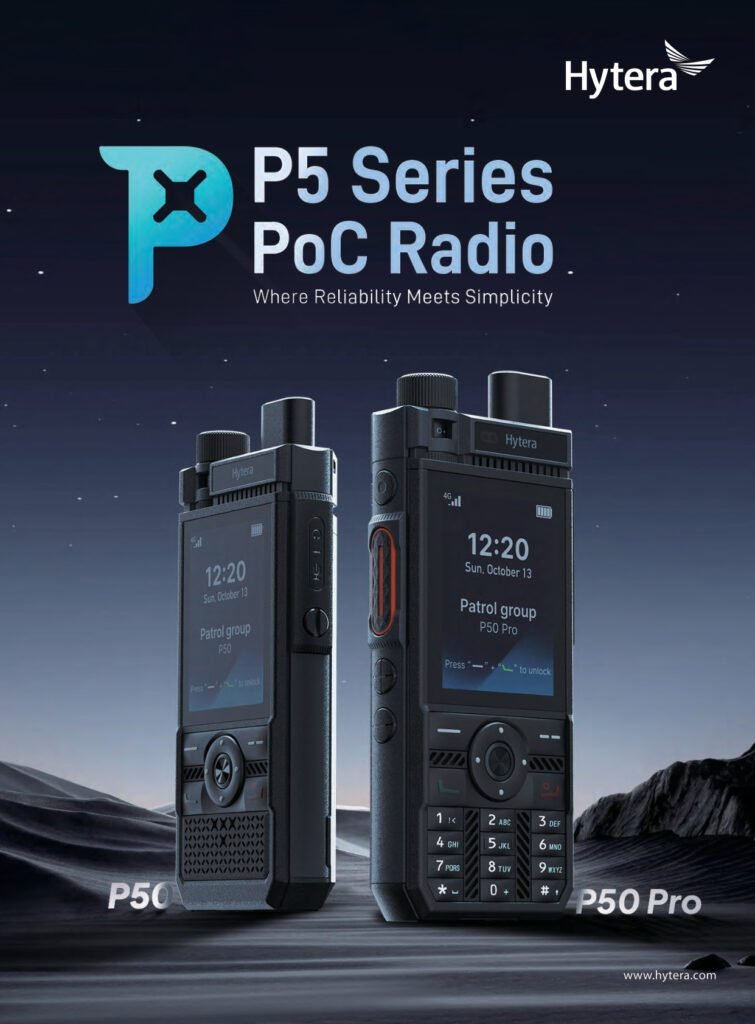
Follow the route. Then choose the radio.
Wide-area teams need a working connection where the job happens. Start with routes, shift needs and the proposed package.
Open the PoC pilot worksheet- 01Check the real route
Test the chosen SIM/network indoors and along working routes, during actual operations.
- 02Test the essentials
Verify group calls and shift battery needs. Test GPS or SOS only when included.
- 03Choose a tested setup
Compare PoC, conventional radio or hybrid. Confirm fees and the fallback before rollout.
Illustrative decision flow, not a live network test. Coverage maps do not establish service at every required location.
Choose PoC after the route and cost check
On smaller screens, swipe the table sideways. Keyboard users can focus the table and use the arrow keys.
| Check | PoC proposal | Conventional or hybrid proposal |
|---|---|---|
| Coverage | Test the chosen SIM/network, indoor areas and travel routes during working conditions | Test local radio paths and any repeater coverage; identify which users depend on each system. |
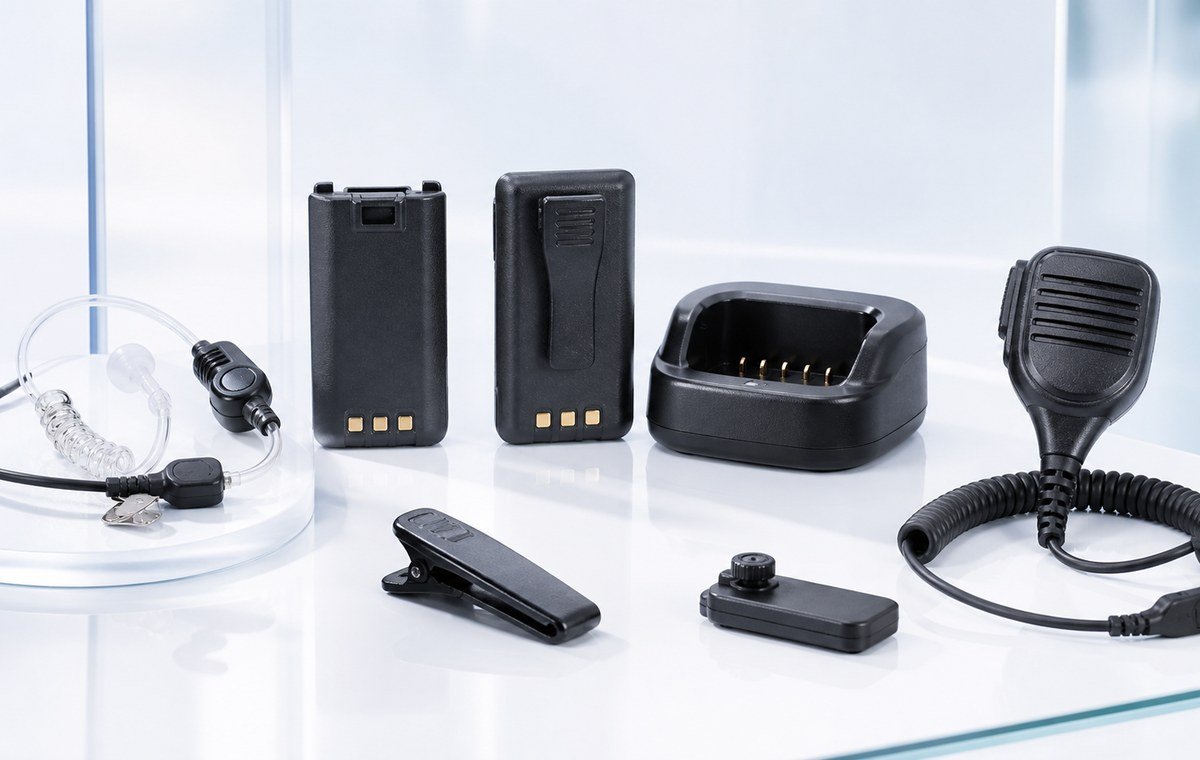
| Initial cost | Devices, accessories, activation, configuration and any dispatch setup | Radios, accessories, programming and any justified infrastructure or integration work. |
| Recurring cost | Confirm per-device data, platform, dispatch and optional feature fees; billing period and contract terms | Confirm maintenance, power, site access, consumables and applicable fees; add PoC charges for hybrid users. |
| Features and fit | Verify required voice, GPS, SOS, video or recording on the exact device/platform/package | Verify the actual radio features and any cross-system call workflow; do not assume automatic interoperability. |
| Changeover | User/group setup, training, retained accessories and temporary equipment | Existing channel plan, retained equipment, user training and agreed change window. |
| Exit and support | Confirm support scope, cancellation terms and whether needed configurations or records can be exported | Confirm service responsibilities, backup equipment and how users return to the agreed fallback. |
Before rollout, test required group calls, intelligibility, call setup, working routes and shift battery needs. Test GPS/SOS or dispatch features only if included in the agreed scope. Record the acceptance criteria and responsible reviewer in advance; do not rely on a coverage map alone. If required routes fail, pause expansion and assess another network, a local radio path or a tested hybrid arrangement.
For a useful quotation, send the number of users, routes, shift length and required features. Request one-off, recurring and migration costs separately, including contract duration, exclusions and any charges for optional services. A national coverage claim does not establish service at every required location.
Common PoC questions.
Do PoC radios need an MCMC licence in Malaysia?
What's the monthly cost of a PoC radio?
Does PoC work without a phone signal?
What's the difference between PoC and a normal walkie talkie?
Can PoC radios track team location?
Keep comparing.
Long-range radio vs mobile phone
If you're weighing PoC because phones feel limiting on site, see the full worksite comparison.
MCMC walkie talkie licence
What conventional radios need before they go live in Malaysia — and what PoC skips.
Is PoC right for your team?
Tell us your coverage area, how the team moves and the features you need — we'll recommend PoC, conventional radio or a hybrid, with the right devices.
Ask about PoC radio