
Compare digital and analog two-way radios for Malaysian job sites by range, battery discipline, cost, channel control, noise, and upgrade timing.
Choose radio technology after mapping the real site, not before.
Analog can be enough for small crews with simple calls. Digital becomes useful when supervisors need clearer talk groups, privacy options, emergency routing, and cleaner growth. Octogen starts with zone mapping, coverage checks, battery discipline, and user habits before recommending a fleet change.

Generated operations network
Use one control point to separate routine updates, supervisor calls, logistics traffic, event crew movement, and emergency escalation.

Channel roles
Analog or digital only becomes useful when the channel names match the people using them.
Quick answer: digital vs analog radios for job sites

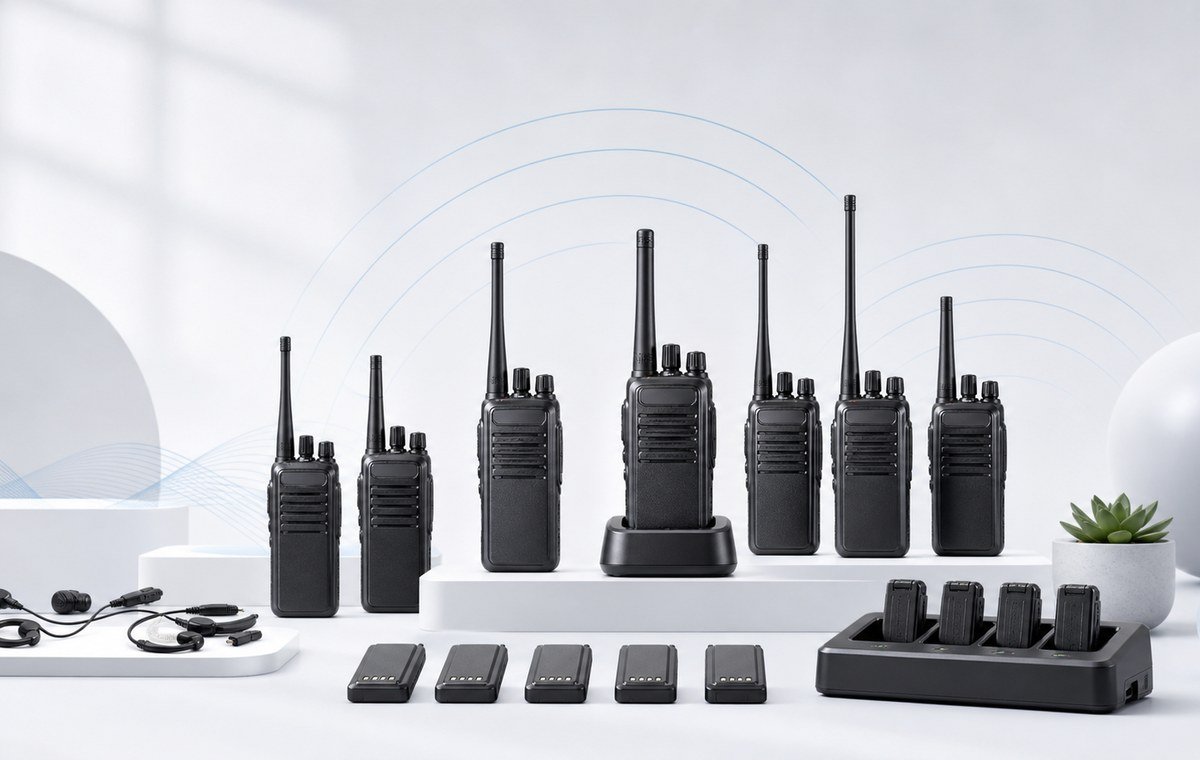
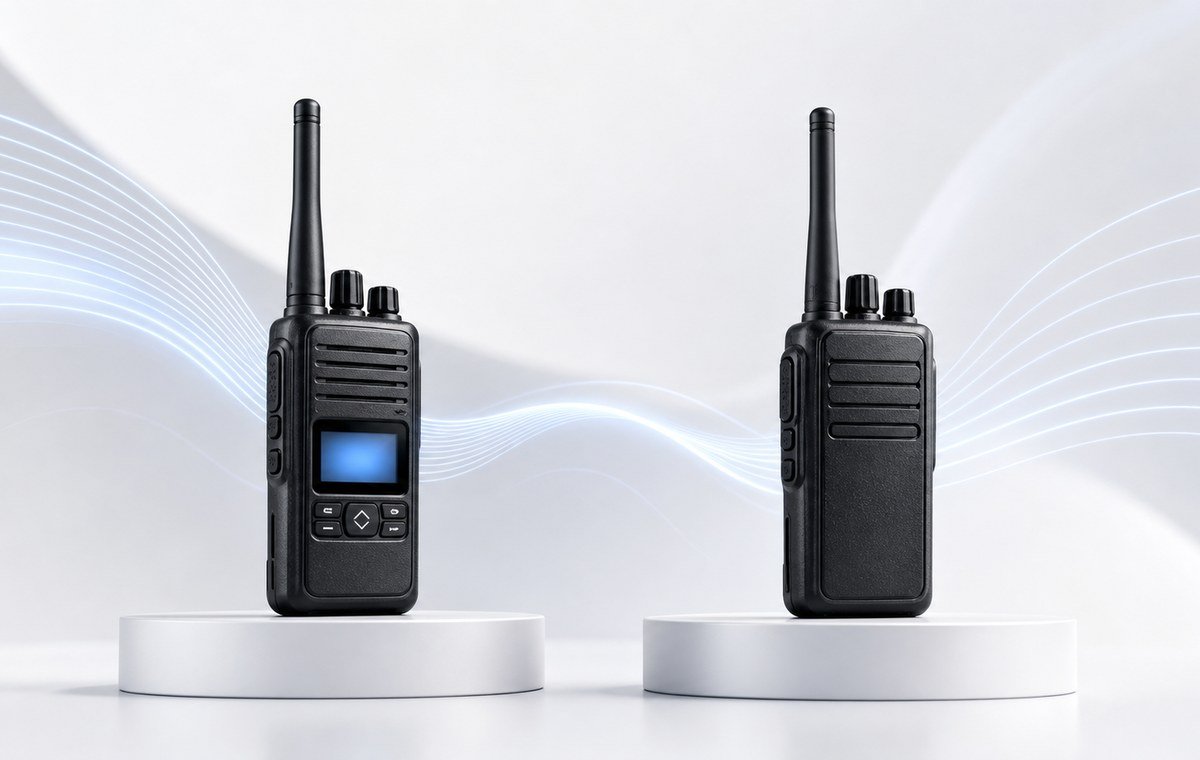
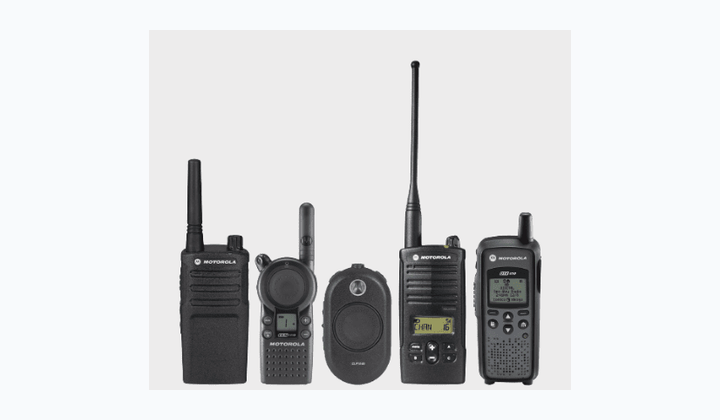
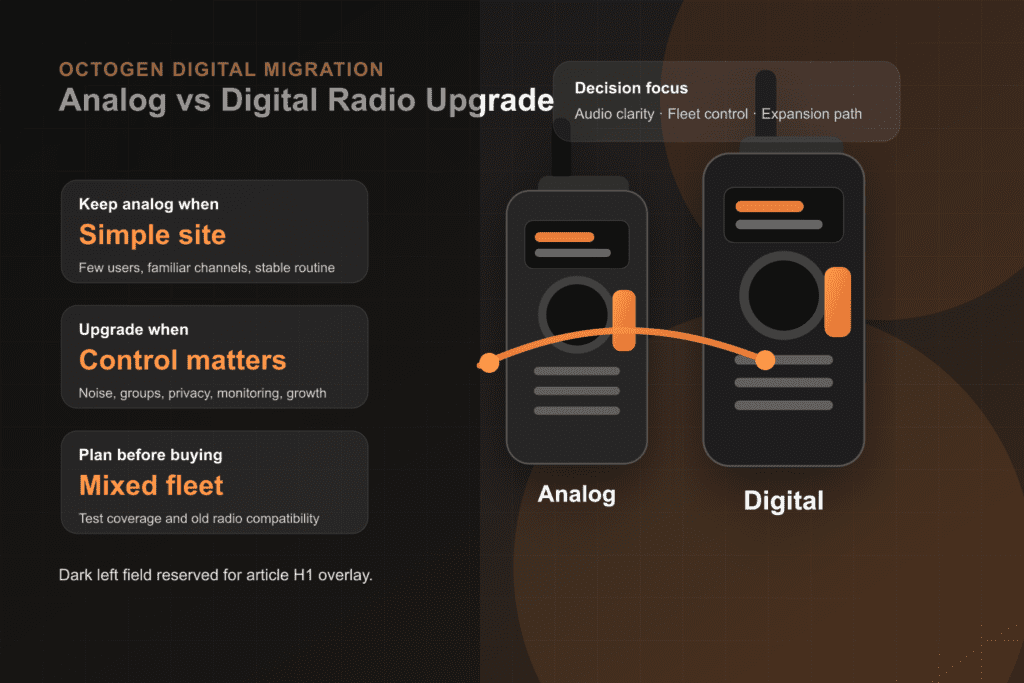
For a small guard post, compact renovation crew, or simple event setup, analog two-way radios may still be the most practical choice. They are familiar, direct, and often cheaper to deploy when the call pattern is simple.
For a larger construction site, noisy warehouse edge, multi-zone event, or site with supervisors and contractors sharing radio traffic, digital radios can reduce repeated calls and give the team cleaner talk groups.
The important point is that digital is not automatically better for every Malaysian job site. The right decision depends on coverage, user groups, battery discipline, accessories, compliance, and how the team actually speaks over the radio.
- Keep analog when the site has few users, low traffic, and stable routines.
- Pilot digital when calls are repeated, noisy, sensitive, or split across several teams.
- Do not use radio type as a substitute for proper coverage testing.
- Compare the whole operating cost: radios, chargers, batteries, accessories, warranty, programming, and training.
Where analog radios still make sense
A small site office, single loading bay, temporary event crew, or compact security post may only need a few clear channels. If users can hear each other, know the call signs, and return radios to charge every shift, replacing everything with digital can be unnecessary.
Before upgrading, inspect the current fleet. Weak batteries, damaged antennas, cheap earpieces, poor charger placement, and unclear call signs often cause more frustration than the analog technology itself.
Analog becomes risky when too many people crowd one channel, when supervisors cannot separate routine work from escalation, or when noisy areas cause constant repeated messages.
| Job-site condition | Analog-first move | Upgrade signal |
|---|---|---|
| Small team with simple calls | Keep analog and improve call signs | Upgrade only if traffic or noise grows |
| Weak batteries or missing chargers | Fix battery rotation first | Upgrade if fleet support is no longer reliable |
| One channel is too busy | Tighten SOP (standard operating procedure) and split basic channels | Digital talk groups may be needed |
| Sensitive supervisor calls | Keep radio messages operational | Digital privacy and group control may help |
Where digital radios pay off
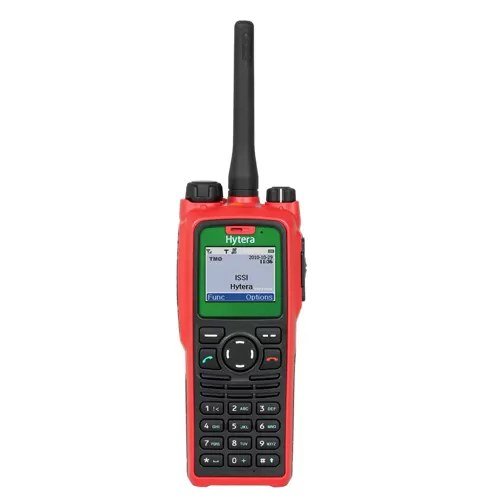
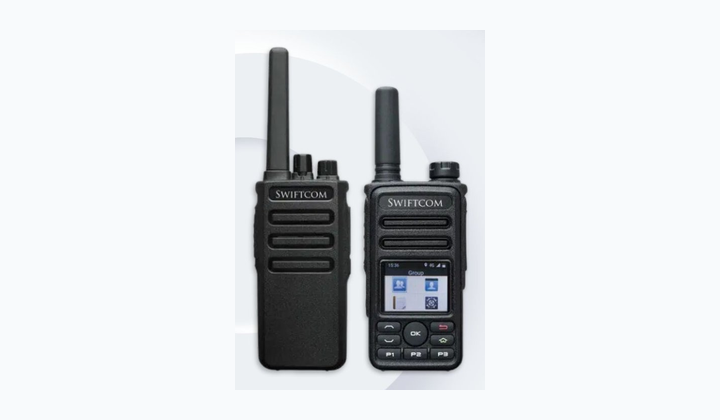
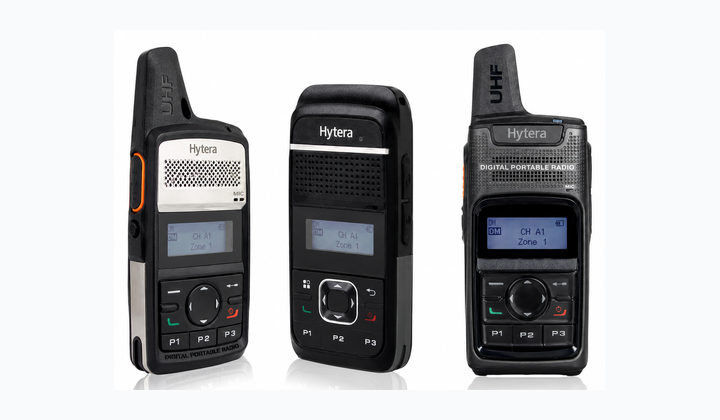
Digital DMR (Digital Mobile Radio) radios can help Malaysian job sites that have several teams moving at once: site office, security, foremen, logistics, event crew, contractors, maintenance, and emergency response. Cleaner talk groups make it easier to separate routine updates from urgent calls.
Digital can also improve voice clarity and fleet planning depending on the model and system design. However, it still needs correct programming, suitable accessories, legal sourcing, and real coverage checks.
For many sites, the safest migration is mixed: keep analog at simple posts, test digital with supervisors or noisy zones, and only expand after a real week of operating evidence.
- Start digital pilots with supervisors, control room users, emergency users, and noisy zones.
- Test whether digital improves repeated calls during real site hours.
- Keep old and new fleet compatibility visible before buying accessories in bulk.
- Train the channel names before handing radios to rotating or temporary staff.
Cost, battery and range tradeoffs
Analog often wins on upfront cost, but digital may reduce hidden operating cost when the team has many groups, repeated messages, privacy needs, or future expansion. Compare the full deployment, not just the unit price.
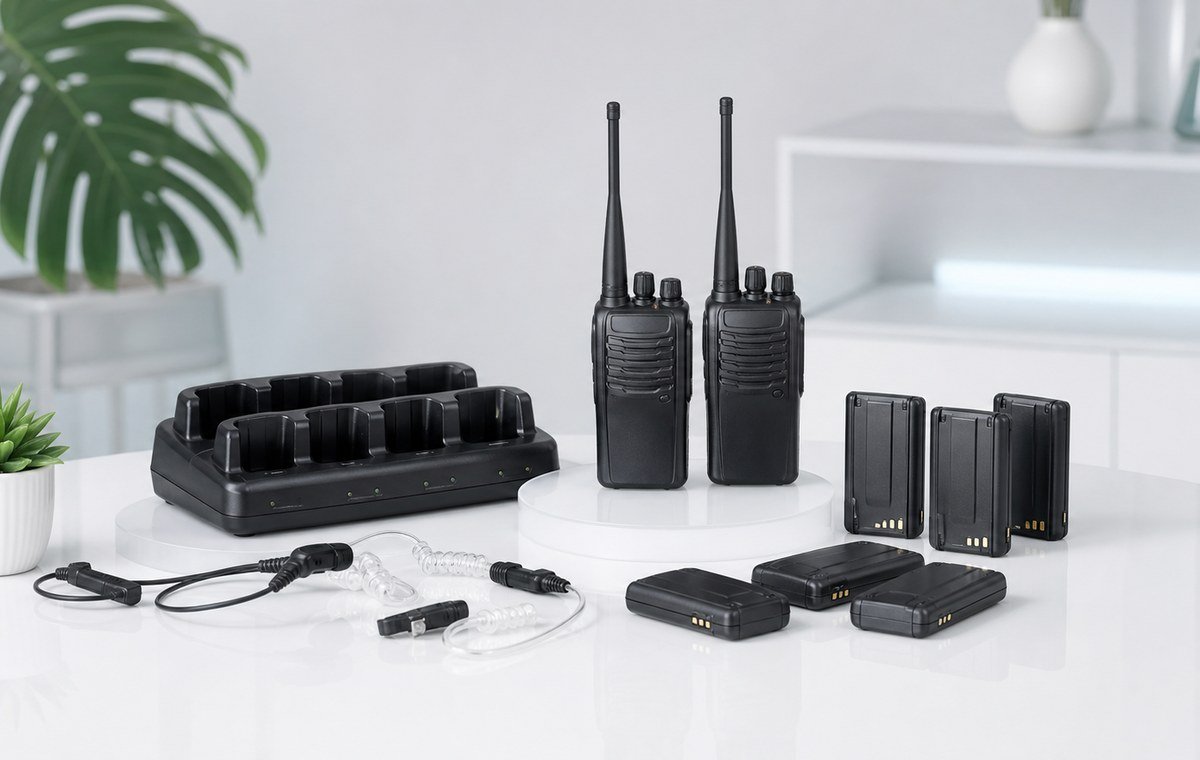
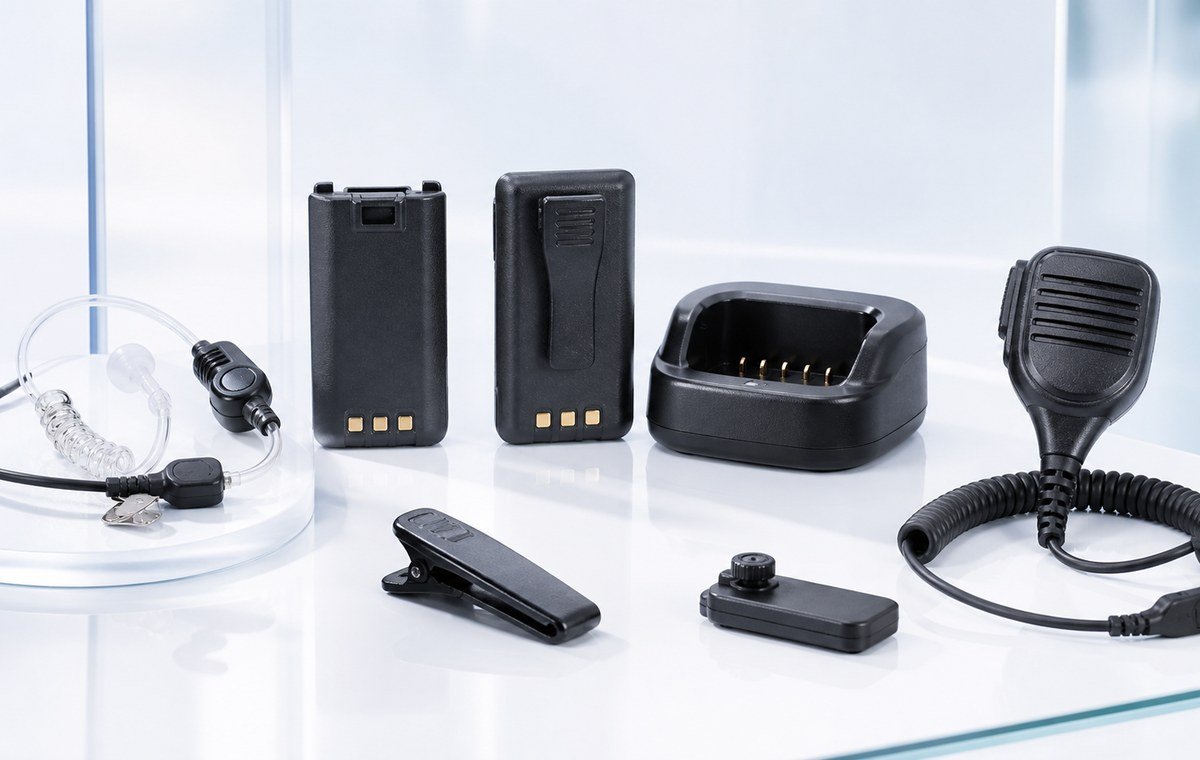
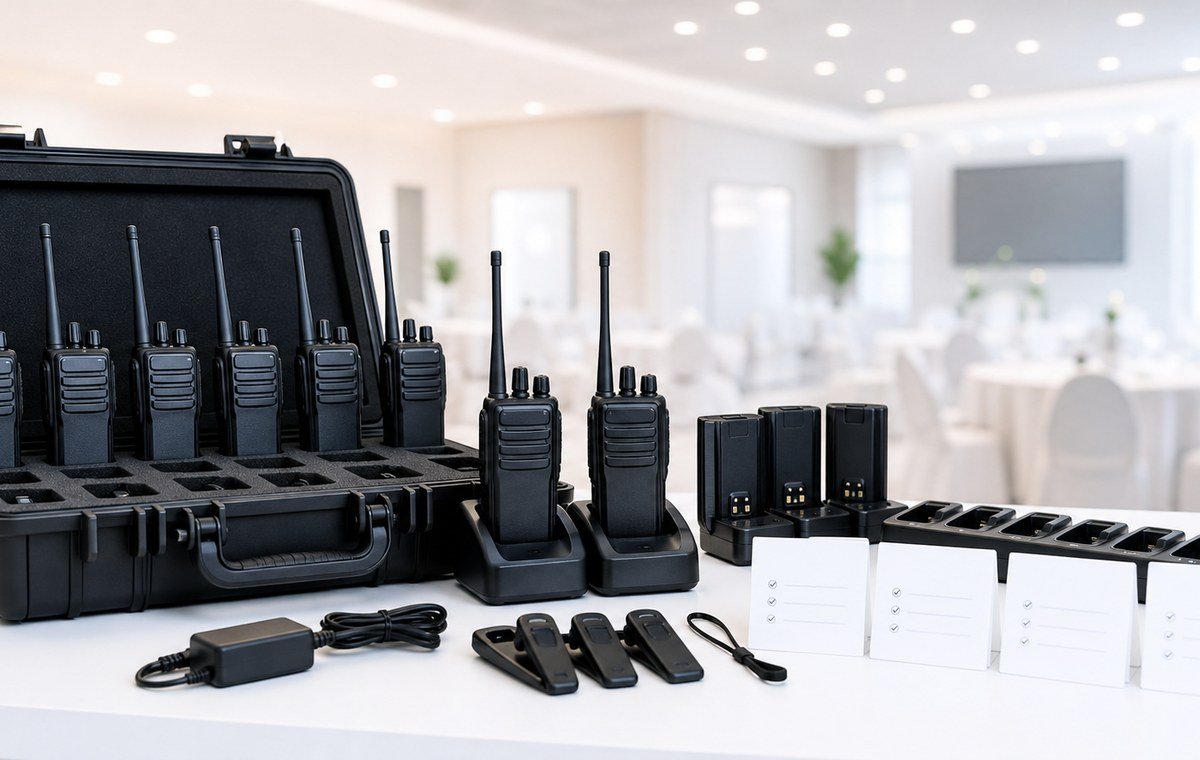
Battery planning is a practical gate. A Malaysian job site should know whether each radio can survive the shift, where chargers sit, who checks spare batteries, and how returned units are handed over.
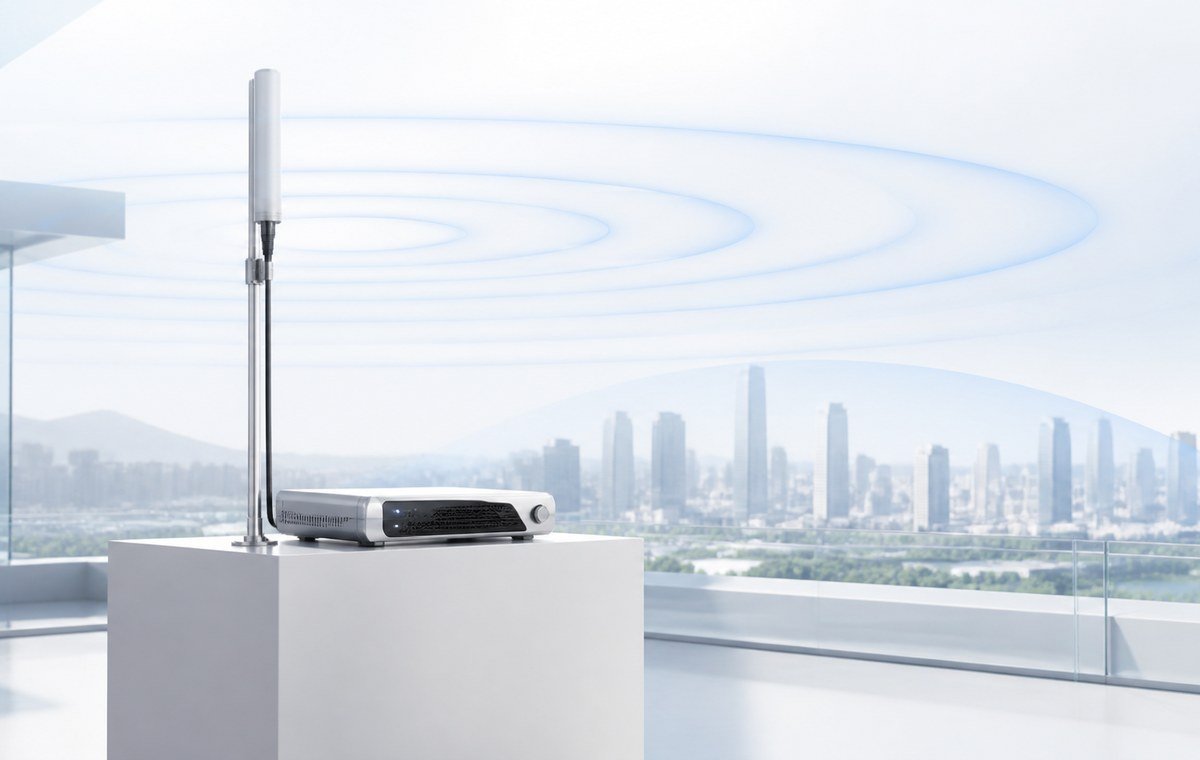
Range is separate from analog versus digital. Concrete, steel, basement zones, cranes, crowd density, rain, and terrain can affect either radio type. A repeater, better antenna plan, or different site procedure may matter more than changing from analog to digital.
- Test coverage from site office to guard post, scaffold zone, loading bay, event control, and first-aid point.
- Use the same accessory setup during the test that staff will use after purchase.
- Record repeated messages, missed calls, and weak zones before approving the fleet.
- Include warranty, charger count, spare battery buffer, and programming support in the quote.
Pilot analog and digital radios before bulk buying
Run a practical pilot for at least several operating shifts. Include the real weak zones, normal working noise, weekend or peak movement, and the people who will actually carry the radios.
The pilot should answer one question: what problem are we solving? If the problem is noisy audio, test audio. If the problem is group separation, test talk groups. If the problem is coverage, run a site walk-test before blaming the radio type.
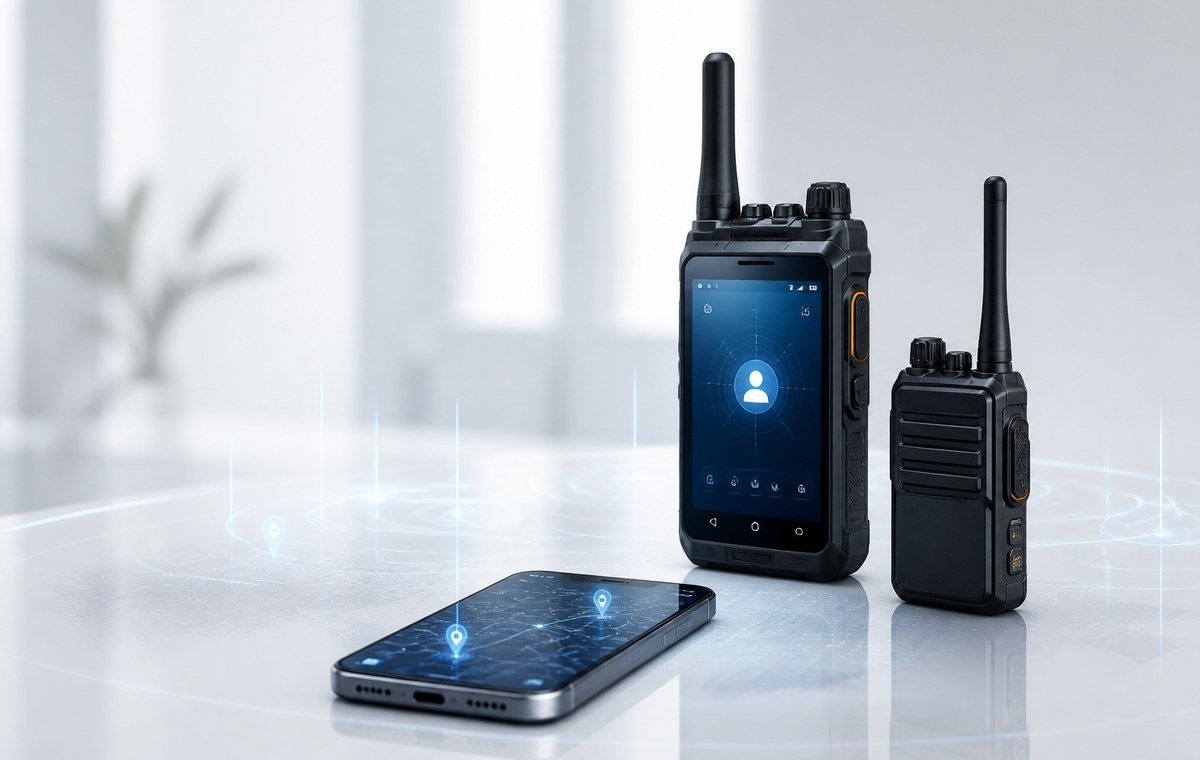
Octogen can help compare analog, digital, PoC (Push-to-Talk over Cellular), repeater support, rental, and purchase options after reviewing site layout, user count, shift length, accessories, and support expectations.
- Select 8-12 pilot users across control, supervisors, security, logistics, and emergency roles.
- Run route tests across the exact zones where calls fail today.
- Compare user confidence, missed calls, repeated messages, and battery return discipline.
- Approve a full rollout only after the site evidence supports it.
Real Deployment Notes
Digital radios do not automatically solve a basement, concrete, or long-distance coverage problem. Test the site first, then decide whether the answer is analog, digital, PoC (Push-to-Talk over Cellular), repeater support, or a different channel plan.
If the current analog fleet still works at simple posts, keep it in the pilot. A staged migration protects budget and lets supervisors prove where digital control actually helps.
A good radio fleet still fails if users do not know call signs, close-out language, emergency phrases, charger return rules, and who owns the next update.
Common Customer Questions
Are digital radios always better than analog radios?
No. Digital radios can provide cleaner group control and features, but analog can still be practical for simple Malaysian job sites with low radio traffic and clear routines.
Will digital radios automatically give longer range?
Not automatically. Range depends on site layout, concrete, steel, terrain, antenna position, interference, and whether a repeater or different system design is needed.
When should a job site keep analog radios?
Keep analog when the team is small, the channels are not crowded, calls are short, batteries are managed, and coverage already works across the important zones.
When should a job site move to digital radios?
Consider digital when several teams need separate talk groups, supervisors need cleaner control, repeated calls are common, or the site is planning a larger fleet.
Can analog and digital radios work together?
Some dual-mode or staged systems can support mixed migration, but compatibility must be checked before buying. Do not assume every old charger, accessory, or channel plan will fit.
Is analog cheaper than digital for Malaysian job sites?
Analog is usually cheaper upfront, but total cost depends on batteries, chargers, accessories, warranty, programming, coverage support, downtime, and whether the fleet must expand later.
Can Octogen test both options on site?
Yes. Octogen can help review current radios, site layout, coverage complaints, user groups, accessories, and shift routines before recommending analog, digital, PoC (Push-to-Talk over Cellular), repeater, rental, or mixed-fleet options.
Ask Octogen About Your Site Coverage
Send Octogen your site type, current radio model, number of users, weak zones, shift length, noisy areas, and why you are comparing digital vs analog radios. The team can recommend a practical test plan before you buy.