
Don't replace a working fleet just because digital sounds newer. Tell us how your team talks and where it works — get a clear analog/digital call and a migration path.
Keep analog where simple calls already work and the equipment remains supportable. Pilot digital where group control, a required feature or difficult audio justifies testing. If the problem is a dead zone, check the coverage path before assuming a new radio mode will solve it.
Map your team
Map the fleet before buying the next one.
Put each user group in a simple matrix: how many people, how noisy, how critical, whether privacy matters, and whether old accessories must still fit. The right move is usually one of these three.
Low complexity
Few users, short calls, 1-2 channels, no serious noise or privacy issue. Keep analog and fix batteries, accessories and SOP first.
Migration zone
Some supervisors need better clarity or group control, but older radios still serve simple posts. Pilot dual-mode radios before replacing the pool.
Control needed
Many teams, noisy floors, role-based groups, security escalation, or growth across zones. Digital gives a cleaner upgrade path.
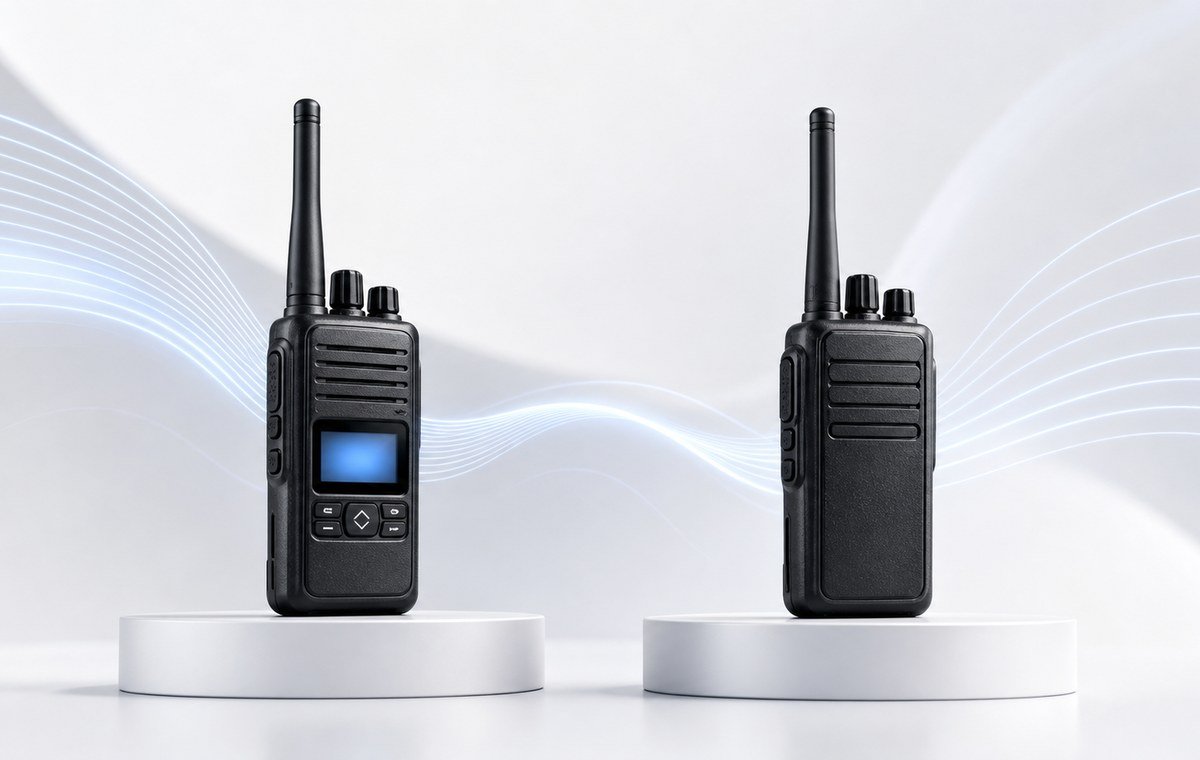
When analog is still enough — and what digital actually improves.
Simple, disciplined teams
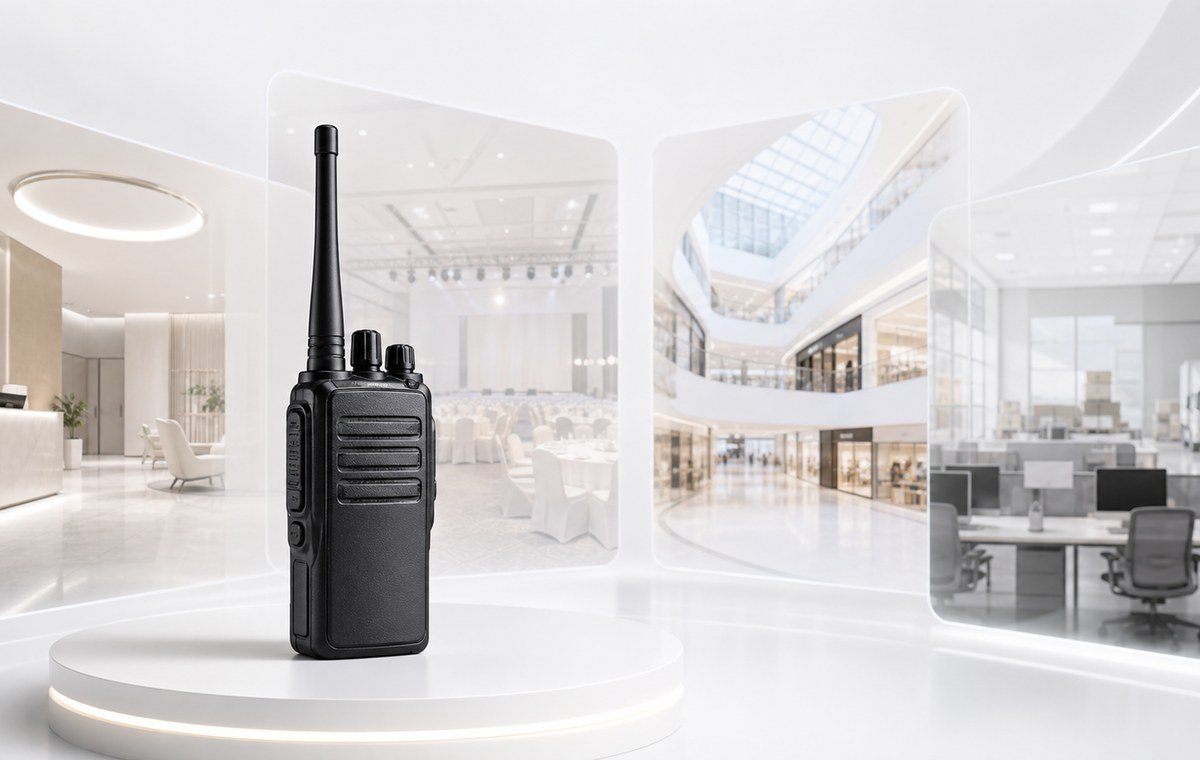
A security desk with a few guards, a compact warehouse, a small event crew, or a single-floor site may not need a full digital migration. Before upgrading, check the basics first:
- Radio condition, battery age, antenna damage
- Earpiece quality and charger placement
- Clean call-sign and handover routine
Many "technology problems" are really maintenance, accessory or SOP issues.
Clarity, control, headroom
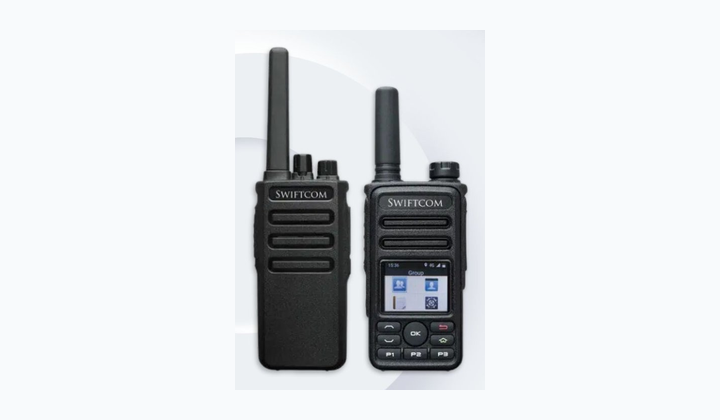
For most Malaysian sites the strongest digital benefits are practical: clearer voice in noise, better group separation, a cleaner future upgrade path, and options like private/group call, emergency and fleet control.
- Separate supervisors and groups cleanly
- Reduce repeated messages in noisy zones
- Stage growth without re-buying later
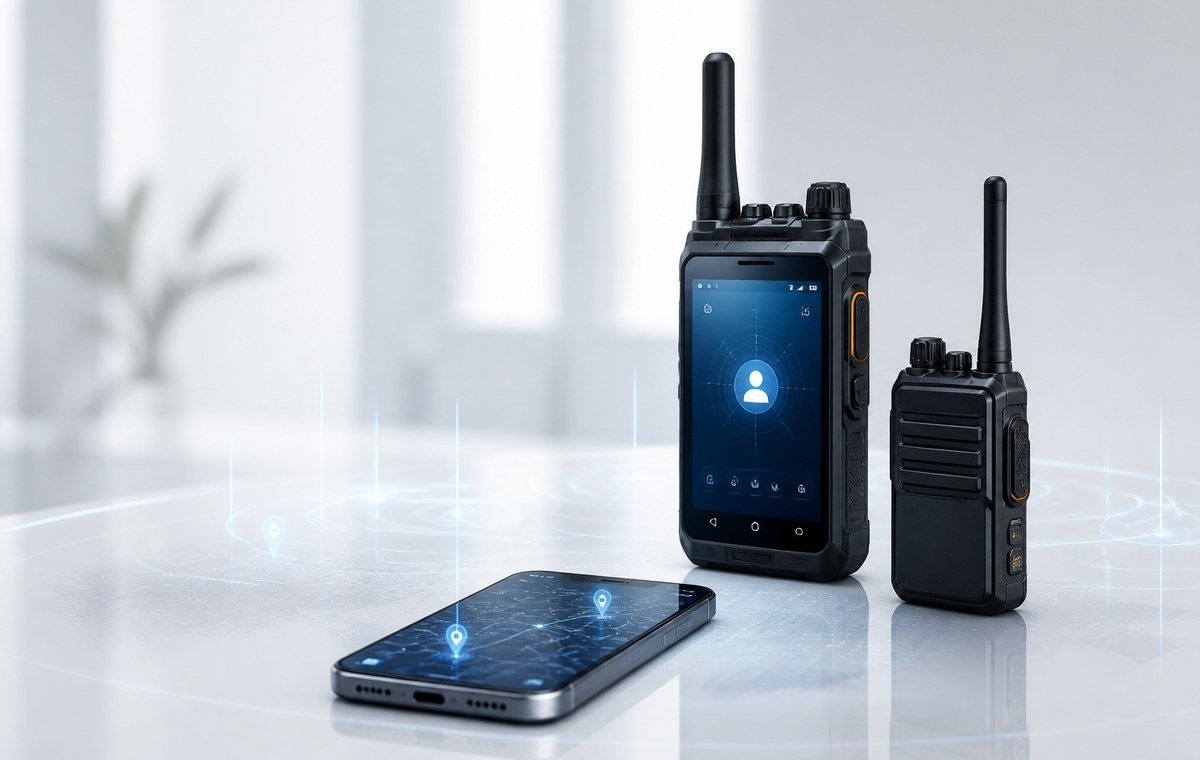
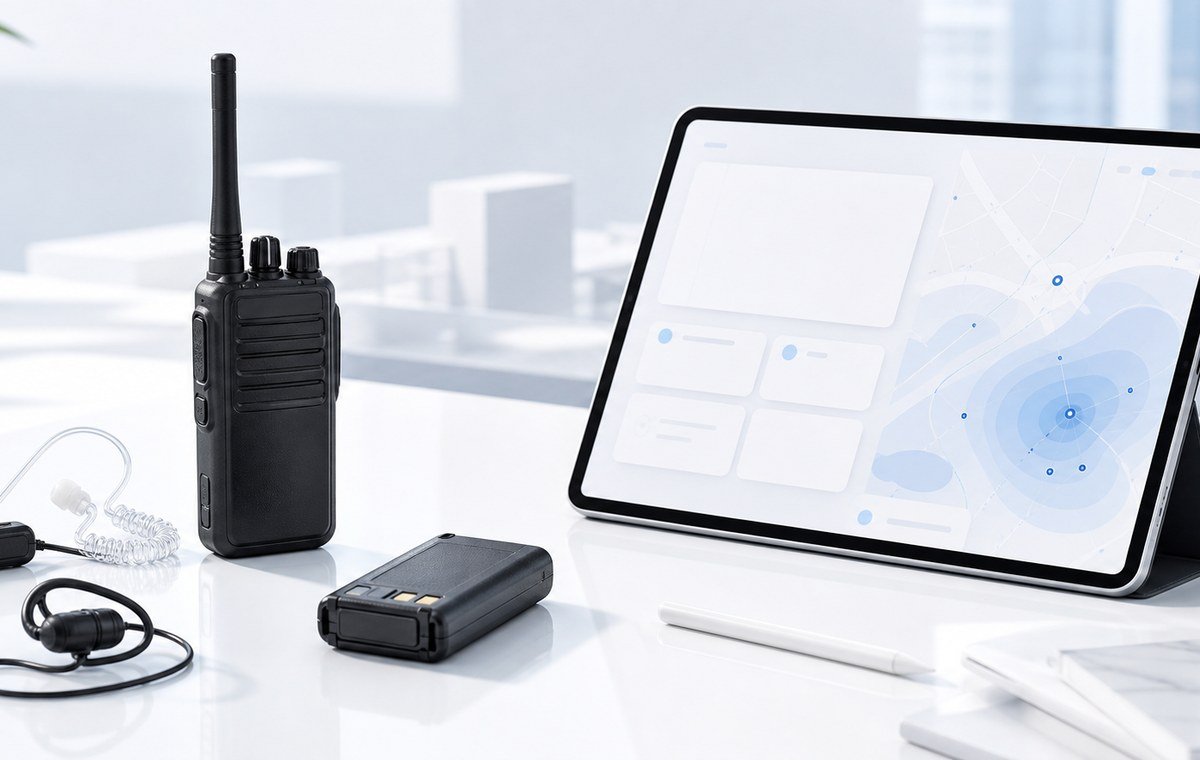
Digital does not automatically fix range — dead zones still need coverage planning, a repeater, or PoC.
Prove it on your floor — not in a quiet demo room.
Don't use one demo call in a quiet office as proof. Pick 2-3 user groups, test during real operating hours, and record missed calls, repeated messages and dead zones before deciding.
Walk the dead spots
Test the guard post, loading bay, basement, stairwell, plant room and outdoor edge. Mark every repeated weak point — a 30-minute route test beats a brochure.
Real noise, real distance
Test audio during normal working noise; the target is fewer repeated messages. Include supervisors, security, warehouse and contractors to check clean group separation.
Hidden replacement cost
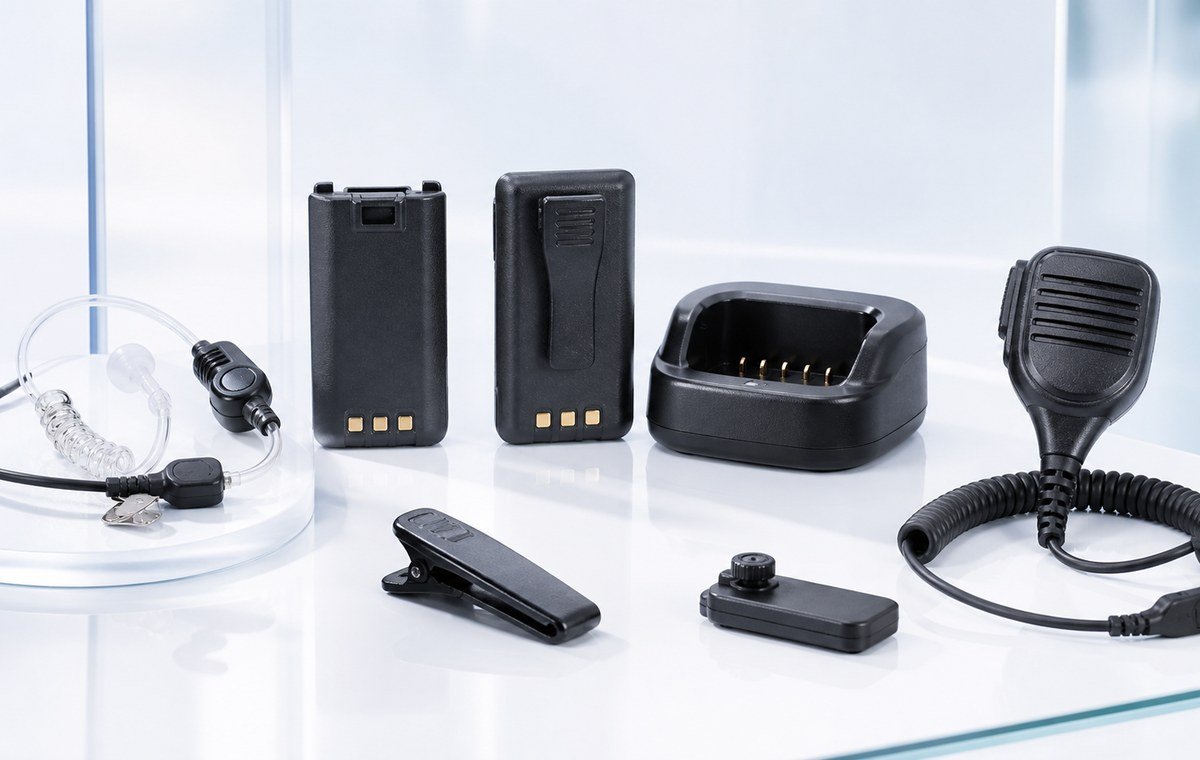
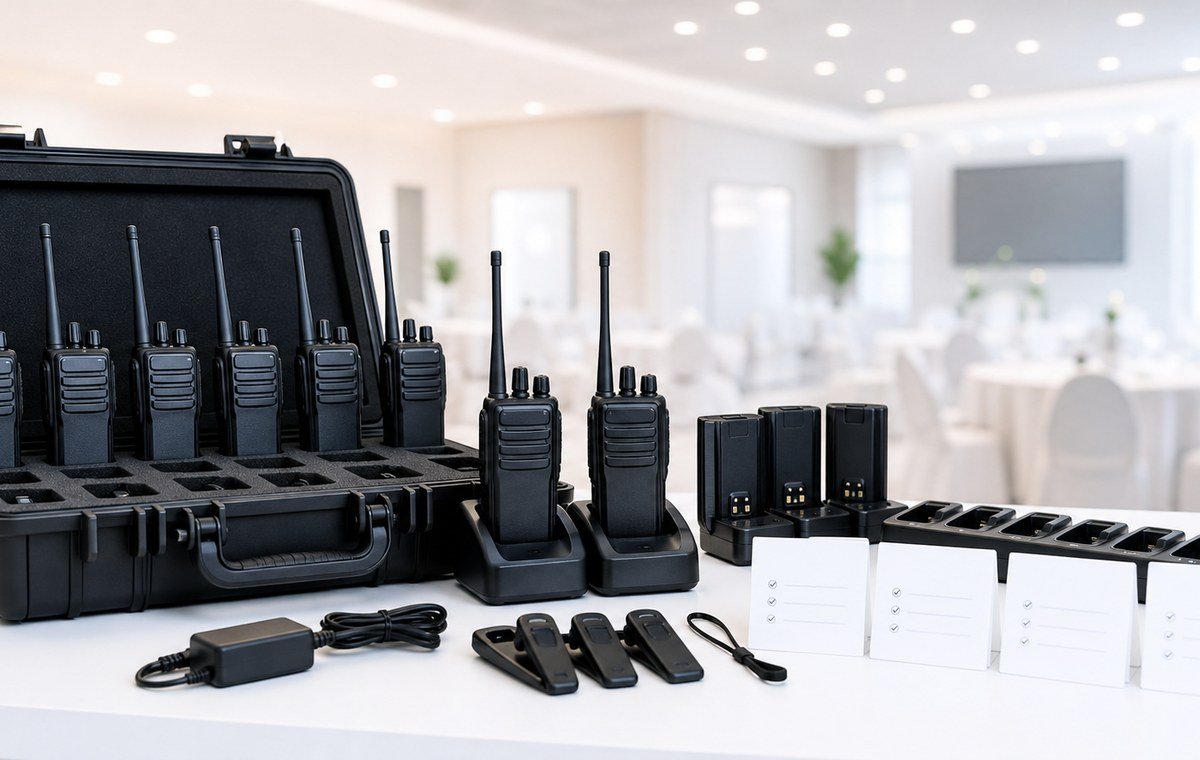
Check earpieces, speaker mics, spare batteries and charging-station fit before the purchase creates hidden cost. Keep old and new radios separated until compatibility is confirmed.
Certified, not random imports
Use suitable, MCMC-suitable equipment and supplier advice instead of random high-power imports that create interference or support problems. See the licence guide →
Move from analog to digital without a forklift swap.
You don't replace everything at once. Most Malaysian fleets migrate in stages — keeping analog where it's still enough, and adding digital where it actually pays off.
Audit the fleet
Map current analog radios, channels, coverage gaps, and which teams genuinely need more than plain voice.
Pilot digital
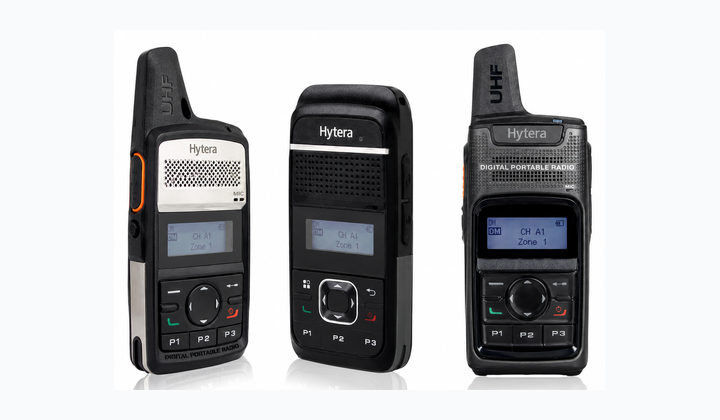
Trial dual-mode (analog + digital) radios on one team or zone to prove the audio and feature gains on your own floor.
Stage the rollout
Deploy digital where clarity, capacity or features matter; keep analog where simple voice is enough. Dual-mode bridges both during the switch.
Standardise
Lock the channel plan, programme the fleet, and retire units you no longer need — one consistent system, no orphans.
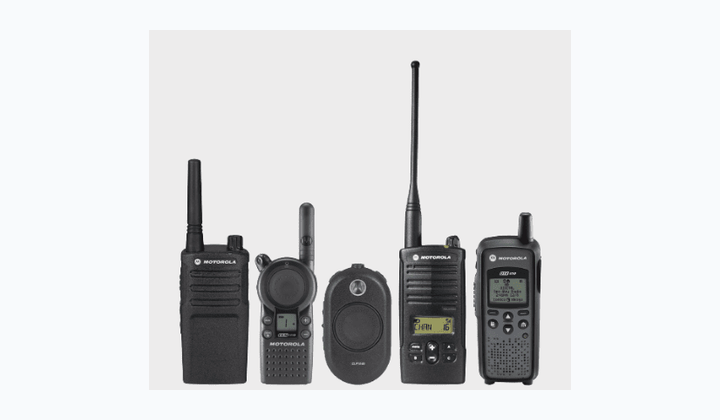
Keep what works. Test what changes.
A clearer buying decision starts with your current fleet, working routes and essential calls.
Open the upgrade worksheet- 01Map the fleet
List models, batteries, chargers and accessories. Check what can be retained.
- 02Run a site pilot
Test agreed user groups, noisy zones and weak-coverage routes. Keep a usable fallback.
- 03Compare the full cost
Separate equipment and setup, recurring costs, and training or changeover costs.
Digital does not automatically mean longer range. Verify compatibility and demonstrated benefits before expansion.
Compare upgrade cost before replacing the fleet
On smaller screens, swipe the table sideways. Keyboard users can focus the table and use the arrow keys.
| Option | Best reason to consider it | Costs and trade-offs to check |
|---|---|---|
| Keep and maintain analog | Current calls meet the team's needs | Fault assessment, batteries, accessories and programming; continuing service and consumables. |
| Pilot a compatible mixed fleet | One group needs a change while other radios still have useful life | Trial devices, verified modes/accessories, programming, user training and temporary overlap. Digital-only features may not be available on analog calls. |
| Staged digital rollout | The pilot demonstrates a required benefit on the working site | Devices and any infrastructure changes, retained-versus-new accessories, commissioning, support and changeover time. |
| Assess coverage first | Missed calls follow particular locations or routes | Survey and any justified RF-path work; compare this scope separately from handset replacement. |
Ask for the quote in three parts: one-off equipment and setup; recurring support and consumables; and migration costs including training, temporary radios and the change window. Record what can be retained and what is still awaiting compatibility checks. Confirm the amounts, exclusions and warranty/support terms rather than using a universal upgrade price.
Pilot exit check: agree the groups, routes and calls before testing. Check the actual users' workflow and shift needs, record failures, and keep a usable fallback. Expand only when agreed essential checks pass; if the benefit is not demonstrated, keep the working setup and resolve the specific issue first.
Common customer questions.
Are digital walkie talkies always better than analog?
Will digital walkie talkies automatically give longer range?
Can a business use analog and digital radios together?
When should a Malaysian company upgrade to digital?
Can Octogen help test analog vs digital on site?
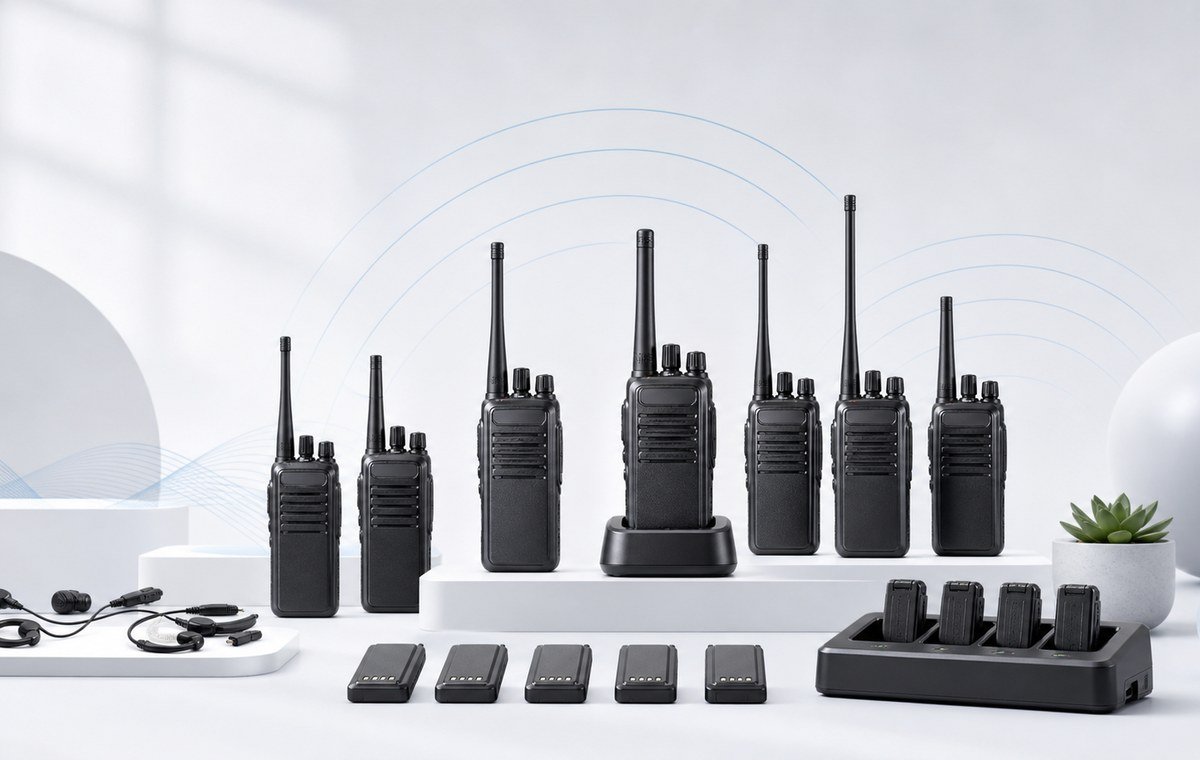
Send your site. Get a staged upgrade plan.
Current radio model, number of users, site type, noisy zones and weak coverage — we'll advise keep analog, pilot digital, PoC, repeater, or fix accessories first.
Plan my upgrade