
Octogen

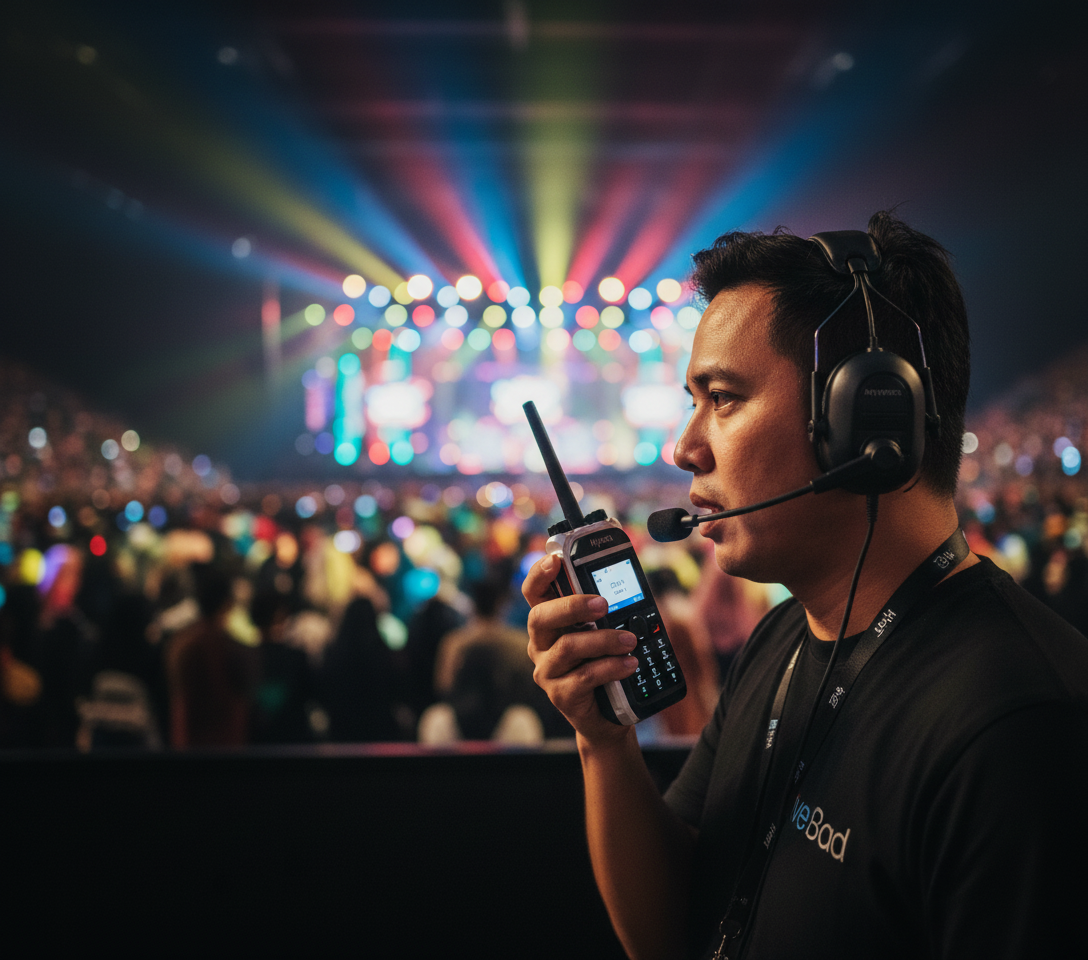
Malaysian event production crew coordinating backstage with discreet earpiece walkie talkies

Walkie Talkie for Events Malaysia: Concerts, Weddings & Marathons

Malaysian event production crew coordinating backstage with discreet earpiece walkie talkies
Event Communication – 2026-05-05

Walkie Talkie for Events Malaysia: Concerts, Weddings & Marathons

Choose discreet radios for Malaysian events where production crews, security, catering, and transport need silent coordination without disturbing guests or performers.

8 min readevent radiosbackstage coordinationcrowd safety
Event coordination readiness

Radios should keep backstage teams connected and ceremonies silent without guests noticing the coordination.

A good event setup links stage managers, security, catering, transport, VIP handlers, and technical crews with discrete earpieces, silent vibrate alerts, and a channel plan that keeps performer zones quiet.

Target: zero guest complaints about radio noise during ceremonies or performancesMeasure the setup by backstage response speed, ceremony silence, crowd control coordination, and whether every crew member knows their channel without looking at a sheet.
4-6Channel plan covering Stage, Security, Catering, Transport, VIP, and Emergency.
8hBattery target for full event day from setup through breakdown.
0Audible radio alerts during ceremonies or performer moments.
100%Coverage expectation from backstage to parking, through concrete venues and outdoor festival grounds.
S
StagePerformer cues, lighting calls, sound checks, and set changes.
X
SecurityCrowd control, entry gates, VIP escort, and emergency response.
C
CateringFood service timing, buffet setup, and dietary alerts.
T
TransportGuest shuttles, performer vehicles, and parking coordination.
Event coordination cockpit
Map the guest experience before choosing the radio model.
Backstage silentCeremony readyCrowd safe

Coordination score

Score the radio system by event-specific behavior: backstage response time, ceremony silence, crowd control speed, and VIP discretion.

92ready
Stage cue2 secCeremonySilentVIP escort30 sec

Guest experience signal path

The most embarrassing moment is not radio failure. It is when a guest hears a radio squawk during a wedding vow or a concert solo.

SetupCueShowBreakReset

Risk map

Most event complaints come from audible radios, not missing radios. Fix ceremony zones and backstage silence first.

Ceremony silenceEarpiece only
Stage cue timingVibrate alert
Crowd bottleneckSecurity channel
VIP arrivalDiscrete escort
Operating insightFor live events, the best radio plan is a guest-experience workflow: who cues, who responds, who stays silent, and who can handle emergencies without disrupting the moment.
CueStage manager signals performer or MC.
RespondCrew acknowledges silently.
SilentEarpiece mode during ceremonies.
EmergencySecurity channel always open.

Quick answer

An event walkie talkie setup should let production crews, security, catering, and transport coordinate silently during Malaysian concerts, weddings, and marathons without guests hearing radio chatter.
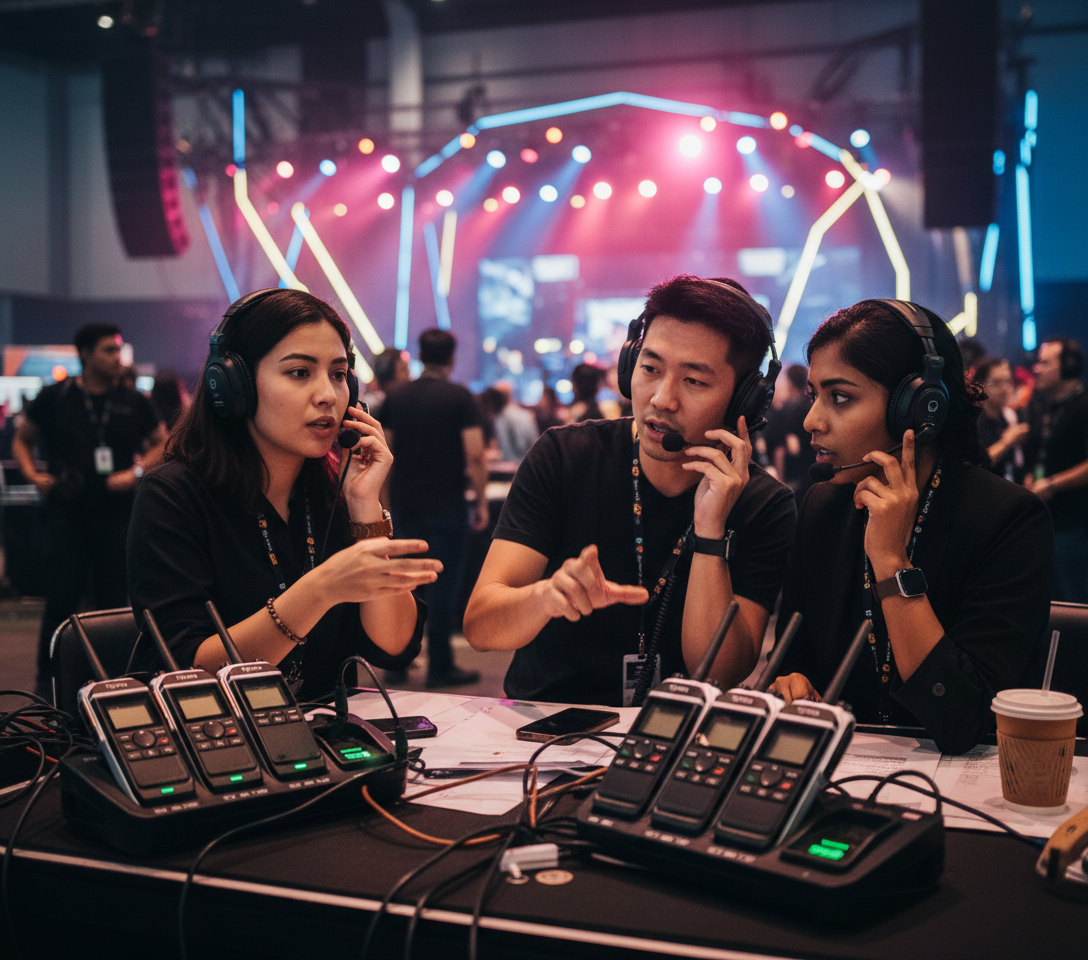
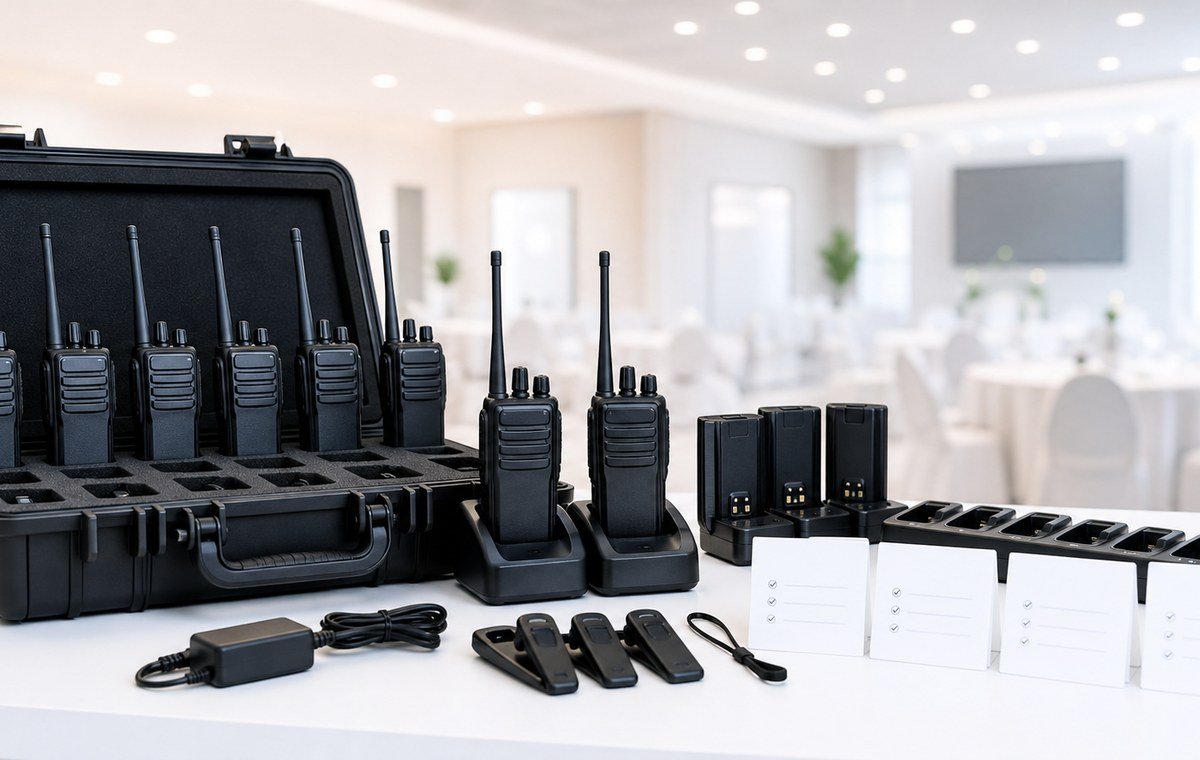
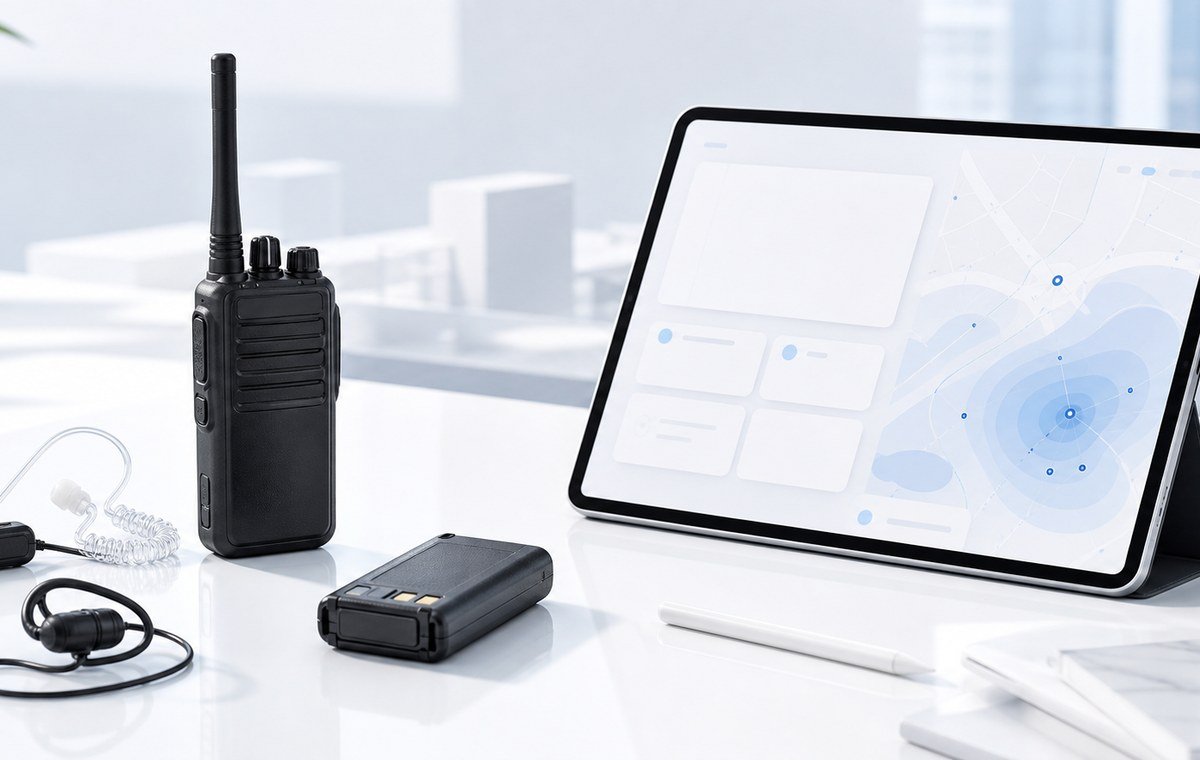
Event production control station with walkie talkie channel plan and charging rack
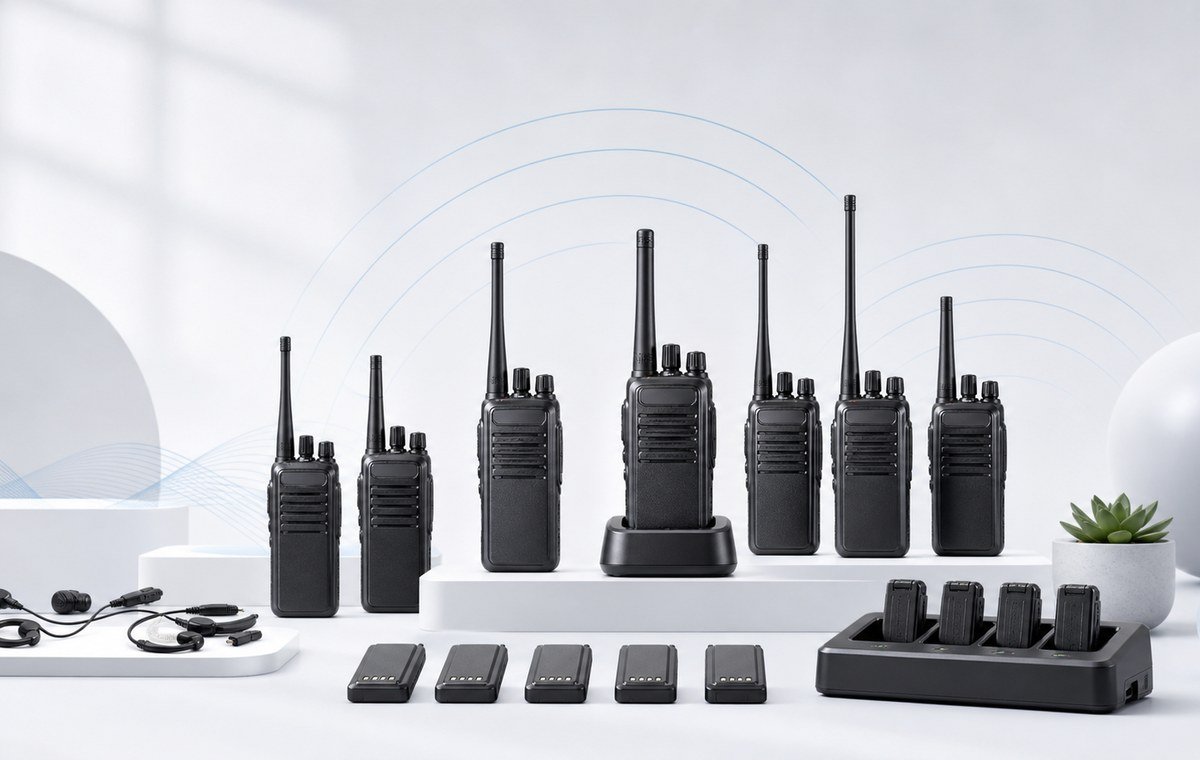
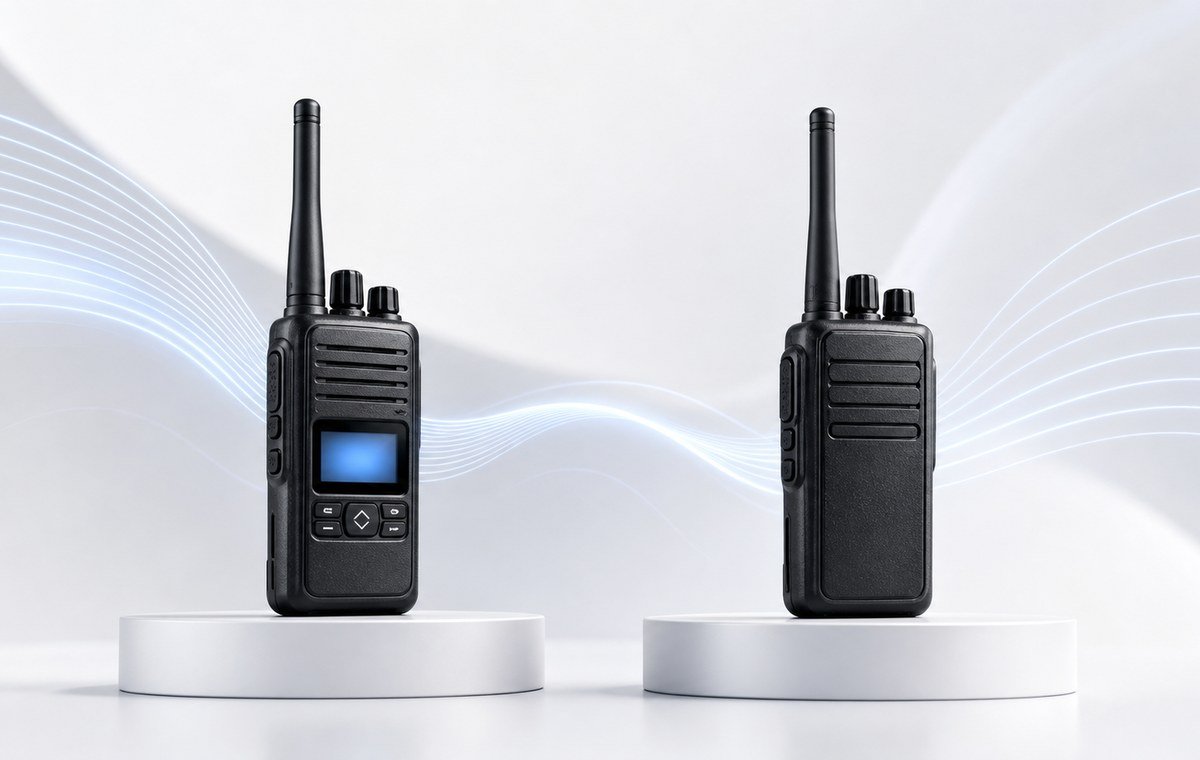
A useful event radio visual should show backstage channel assignments, discrete earpieces, and production coordination rather than generic party stock photography.

For most Malaysian events, start with compact UHF radios with discrete earpieces, vibrate-only alerts, a 4 to 6 channel plan, and a coverage test from backstage to parking, through concrete ballrooms and outdoor festival grounds. The goal is not just range. The goal is zero guest complaints about radio noise during ceremonies or performances.

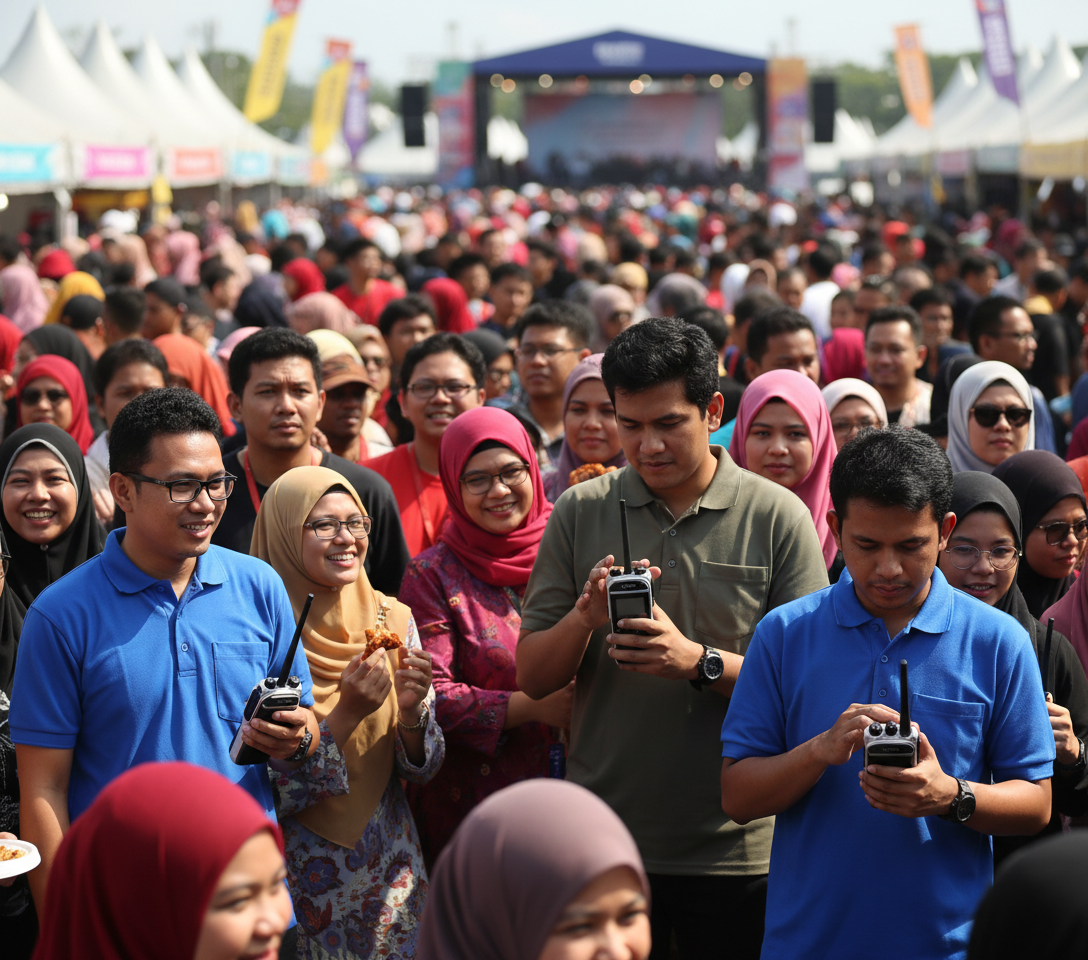
A small wedding at a hotel ballroom may run with 6 to 12 radios. A concert at Axiata Arena or Bukit Jalil Stadium often needs 30 to 60 radios across stage, security, catering, transport, VIP, medical, and technical crews. A marathon along Dataran Merdeka or Penang Bridge may need more because crews are spread across kilometres.

Octogen should test the real working zones before finalising the fleet: stage wings, backstage corridors, catering prep area, parking entrance, VIP lounge, medical station, crowd control points, and command centre. If one corridor has dead audio, the stage manager will feel the failure even if the command centre sounds perfect.

Backstage coordination workflow

The most valuable event radio workflow is the moment a stage manager cues a performer entrance and every crew member knows without the audience hearing.

A practical backstage flow is simple: stage manager checks readiness, sends a vibrate-only cue to the performer handler, the handler confirms silently, then the MC or performer enters on cue. If there is a delay, the stage manager calls the technical channel to adjust lighting or sound without disturbing the guest experience.

Do not let every crew member listen to every channel. A noisy shared channel drowns out stage cues and increases the chance of missed timing. Use dedicated channels for stage, security, catering, and transport, then define when emergency calls override routine traffic.

The wording should be short and silent. For example: Stage to Handler, standby. Handler replies with Ready. This keeps the exchange clear without long explanations that delay the cue.

  • Use role-based call signs such as Stage Manager, Security Lead, Catering Chief, Transport Boss, VIP Handler, and Medical Officer.
  • Keep emergency channel open at all times. No routine traffic on the emergency channel.
  • Train handlers to confirm stage manager cues, not just receive them.
  • Use vibrate-only or LED alerts during ceremonies and performances.

Channel plan for events

A good event channel plan separates stage cues from crowd control without making the handset too complicated for volunteers who only work one event.

A common Malaysian event structure is Channel 1 for stage and technical, Channel 2 for security and crowd control, Channel 3 for catering and logistics, Channel 4 for transport and parking, Channel 5 for VIP and hospitality, and Channel 6 for emergency and medical. Smaller events can combine channels, but the stage channel must stay dedicated during performances.

Use privacy codes to reduce accidental cross-talk from nearby venues, but do not treat them as a security system. If the event handles VIP or celebrity guests, keep radio messages operational and brief. Digital radios can add stronger privacy, but the discipline starts with what crews say over the air.

For multi-stage festivals, each stage should have its own channel or sub-channel. Stage managers must never share a channel during simultaneous performances. Event directors need a channel that reaches all stages and all security for all-site announcements.

Discrete accessories for ceremonies

Event radios should disappear into the crew uniform, not become a visible distraction for guests or photographers.

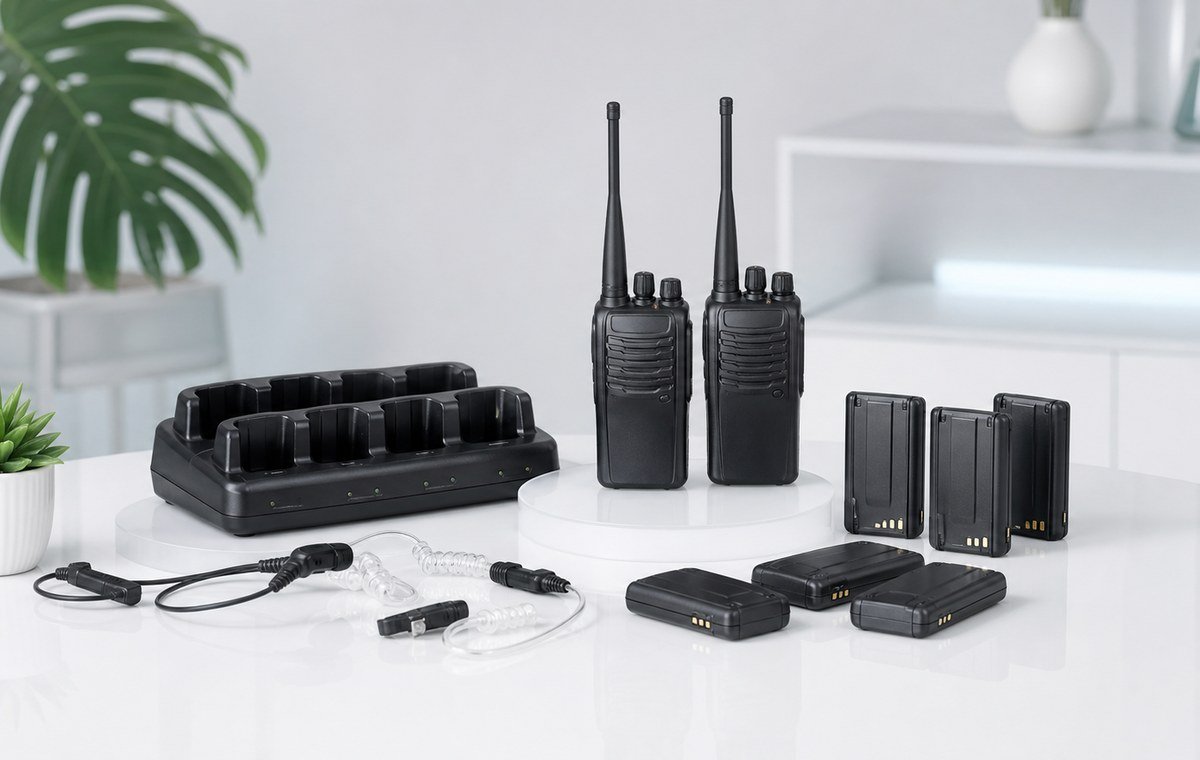
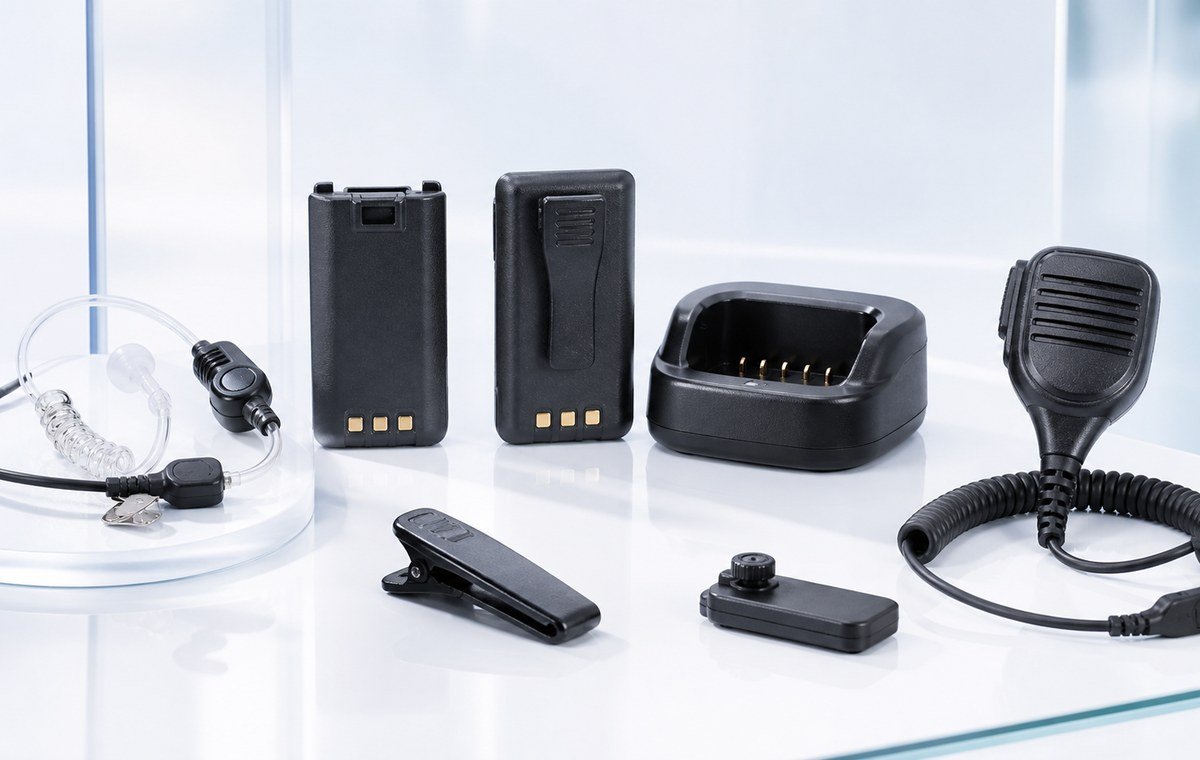
Compact earpieces with clear acoustic tubes hide inside the ear and let crew members hear radio traffic without audible speaker noise. Look for flesh-coloured or black tubes that blend with formal event attire. Quick-disconnect fittings let crew remove the earpiece quickly if a guest asks a question.

Vibrate-only alerts replace audible beeps during ceremonies, speeches, and performances. Some radios offer LED flash alerts for dark backstage areas where vibration might be missed. Belt clips should be slim and black to avoid reflection in photos or video.

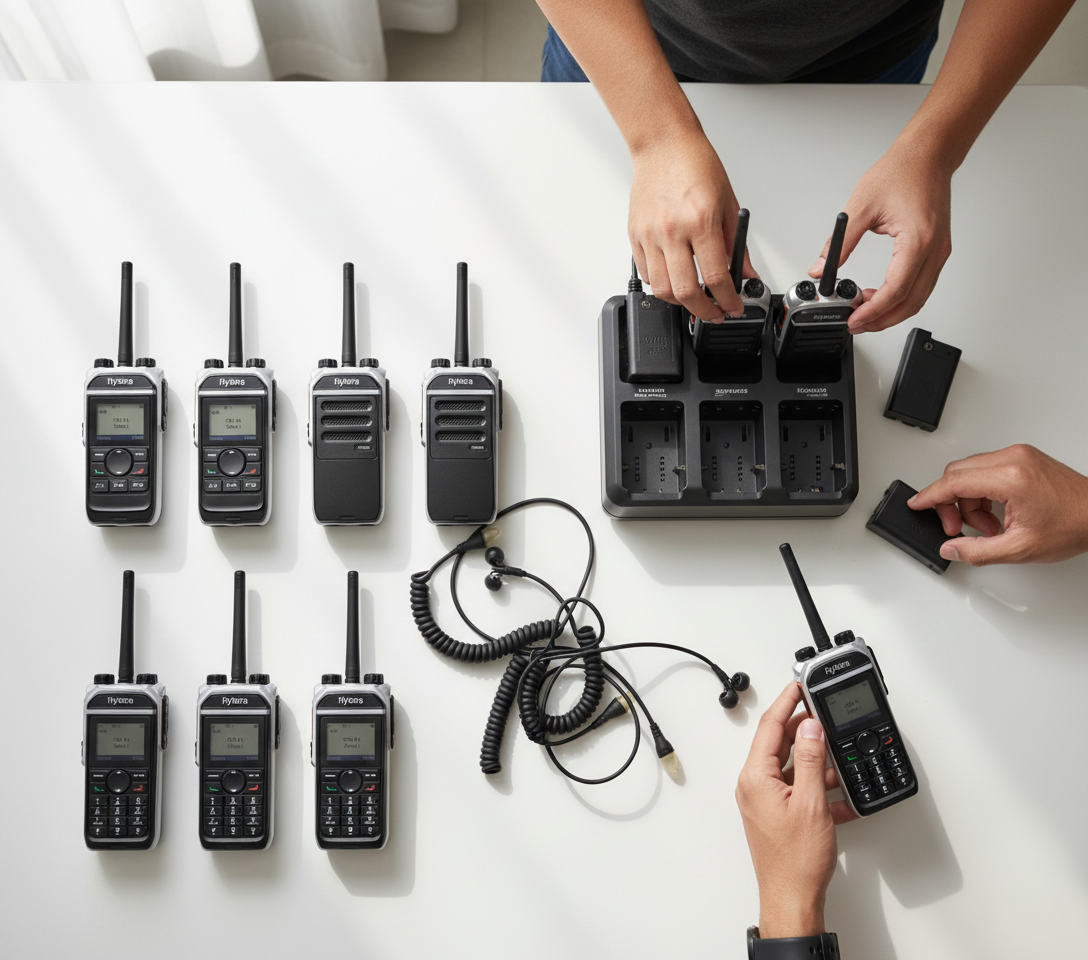
Battery planning is part of event flow. A radio that dies during a wedding procession creates the same operational risk as a missed cue. Keep spare batteries at the command centre, label chargers by crew, and check that overnight security still has charged radios for early-morning marathon starts.

Crowd safety checklist

Malaysian events fall under local authority regulations, and communication equipment should support safety compliance rather than create another inspection risk.

The handover routine should be short enough to use before every event. If it takes too long, crews will skip it during rush setup or last-minute changes. A safety officer should still be able to see who has each radio and whether any unit has weak audio, a damaged earpiece, or a battery problem.

Keep one table at the command centre and review it at every shift change. The table should focus on action, not paperwork.

Safety item What to check Why it matters
Radio register Match unit ID to crew and stage assignment Prevents missing radios and makes faults traceable during authority inspections
Channel plan Confirm stage, security, catering, transport, VIP, emergency Stops crews from listening to wrong traffic during critical cues
Audio test Run transmit and receive check in ballroom and parking Finds weak earpiece or dead zones before they cause missed cues
Earpiece fit Check acoustic tube, quick-disconnect, and belt clip Keeps radios discrete and comfortable during long events
Battery Confirm full charge or issue spare before event Avoids mid-event failure during ceremony or performance
Silent mode Confirm vibrate-only during ceremonies and performances Prevents guest complaints about radio noise during quiet moments

Real Deployment Notes

Test the ballroom and the parking lot

Test from stage wings to command centre, then repeat from catering prep, parking entrance, VIP lounge, and crowd control points. Event failures often hide in basement corridors and outdoor zones, not the command centre.

Separate stage from chatter

If every crew member talks on the stage channel, the stage manager stops listening. Keep stage channel dedicated and use director channel for all-event announcements.

Treat earpieces as uniform equipment

A good radio with a poor earpiece fit still creates guest-experience risk. Issue accessories by role and record missing earpieces during shift handover.

event radios backstage coordination crowd safety

Common Customer Questions

How many walkie talkies does a Malaysian event need?

A small wedding may need 6 to 12 radios. A concert at Axiata Arena often needs 30 to 60 radios across stage, security, catering, transport, VIP, medical, and technical crews. A marathon may need more because crews are spread across kilometres.

Should stage managers share a channel with security?

No. Stage managers need a dedicated channel during performances. Security should use a separate channel for crowd control and entry gates. Only emergency calls should override the stage channel.

How do event crews keep radios silent during ceremonies?

Use vibrate-only alerts, LED flash notifications, and earpieces with acoustic tubes. Disable audible beeps and speaker output during ceremonies, speeches, and performances.

Can one radio system cover a hotel ballroom and outdoor parking?

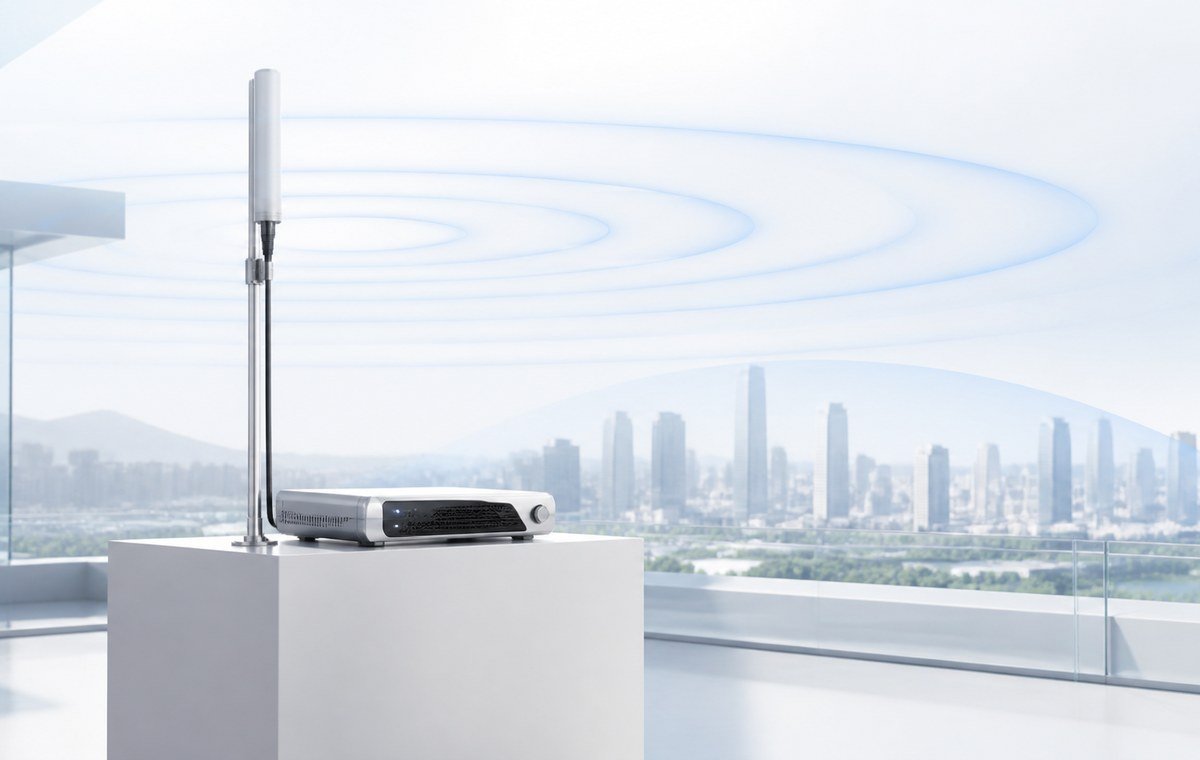
Sometimes yes, but it must be tested. UHF radios are usually a better start for indoor venues, while outdoor festivals and parking lots may need a repeater or high-gain antenna after a real coverage walk-test.

Is rental or purchase better for event companies?

Rental usually fits one-off events, seasonal festivals, and trial deployments. Purchase fits event companies with regular monthly bookings. Octogen can compare both after checking event frequency, crew count, and venue types.

Ask Octogen About Your Site Coverage

Send Octogen your event type, venue size, crew count, ceremony timing, and current communication problems. The team can advise discrete radio models, earpiece accessories, channel programming, rental or purchase options, and venue coverage testing for Malaysian event operations.