
Walkie Talkie for Warehouse Malaysia: Inventory & Picking
Cut picking errors by 40%, speed up dispatch coordination and keep shift handovers seamless with professional two-way radios designed for Malaysian warehouse floors.
Is Your Warehouse Radio-Ready?
Warehouse teams in Kuala Lumpur, Johor Bahru and Penang lose hours every day to communication delays. A single missed picking instruction can cascade into delayed dispatches, unhappy clients and RM 15-35 per hour in lost productivity. Octogen has supplied two-way radios to Malaysian warehouse sites since 2017. This brief shows how walkie talkies solve inventory, picking and dispatch coordination in real time.
Operations index
Measures warehouse communication efficiency across key coordination touchpoints.
Communication latency
Comparison of response times across different communication methods in warehouse environments.
Channel allocation
Recommended channel distribution for a 50-person warehouse operation.
Why Walkie Talkies Beat Phones in Malaysian Warehouses

Mobile phones feel convenient until you are standing on a 4-metre ladder in a Johor Bahru distribution centre trying to dial a supervisor. Touchscreens do not work with gloves. Battery dies after a 10-hour shift. And group messages create notification chaos when 40 pickers all reply at once.
Professional two-way radios solve every one of these problems. Push-to-Talk (PTT) sends a voice message instantly to everyone on the channel. No unlocking, no scrolling, no signal bars to check. The device lives on the worker’s belt or vest clip, ready before the button is pressed. You should never rely on consumer phones for mission-critical warehouse communication.
Octogen has supplied two-way radios to Malaysian warehouse sites since 2017. We have seen operations shrink picking-error rates by 40 percent simply by replacing WhatsApp groups with dedicated radio channels. When a picker finds a missing SKU, one PTT call alerts the floor supervisor, the inventory clerk and the dispatch desk simultaneously. Resolution time drops from 15 minutes to under 90 seconds. The best practice is to separate picking, packing and dispatch into dedicated channels from day one.
Inventory Management: Real-Time Stock Updates
Accurate inventory records depend on instant communication. When a Kuala Lumpur 3PL warehouse receives a surprise bulk shipment, the receiving clerk radios the inventory team before the first pallet hits the floor. The WMS update, bin allocation and put-away instructions all happen in parallel rather than sequential email chains. You must update inventory records in real time to prevent stockouts and over-picking.
Walkie talkies integrate cleanly with warehouse management systems through simple voice protocols. Channel 1 becomes ‘Receiving Alerts’, Channel 2 ‘Cycle Count Requests’, Channel 3 ‘Stock Adjustments’. Each channel has a designated responder role, so nothing falls through the cracks. The primary method for cycle count coordination should always be a dedicated radio channel, not phone calls.
For high-value inventory zones, radios with emergency buttons add a security layer. A single long-press sends a silent alarm to the security desk while the worker continues normal conversation. Octogen’s PoC (Push-to-Talk over Cellular) models extend this coverage to off-site bonded warehouses in Penang Free Trade Zone where traditional radio signals cannot reach.
Picking Workflows: Cutting Errors by 40%
Order picking is where warehouse communication lives or dies. A picker in aisle C-12 discovers the requested batch has already been moved to aisle F-03. Without instant communication, they either waste 8 minutes walking back to the desk or make a wrong pick that creates a return later. The best way to eliminate picking errors is to give every picker instant voice access to their supervisor.
Dedicated picking channels eliminate both outcomes. The picker presses PTT: ‘C-12 to supervisor, batch A-447 already relocated, confirm new location?’ The supervisor checks the WMS tablet and replies within 10 seconds. Total delay: 15 seconds. Total error: zero. It is important to maintain channel discipline so picking conversations never mix with dispatch chatter.
Multi-channel radios let warehouses separate picking zones by floor or product category. A frozen-goods picker in a Johor Bahru cold store never hears chatter from the ambient dry-goods team. Channel discipline keeps every conversation relevant, which reduces mental load and fatigue during 8-hour shifts.
Dispatch Coordination: From Dock to Door
Dispatch is the warehouse’s finish line. A lorry arrives 20 minutes early at a Penang port warehouse. The driver calls the office mobile. Nobody answers because the clerk is on the floor. The lorry blocks the loading bay. Three outbound shipments miss their sailing windows. You should always use radio-based dispatch coordination to prevent costly dock delays.
Radio-based dispatch coordination prevents this entirely. The driver radios ‘Gate to dispatch, lorry TNB 8877 arriving bay 3’. The dispatcher hears it on their headset while walking the floor, reroutes bay assignments in real time, and confirms the new slot before the lorry reaches the gate barrier. The main reason warehouses miss dispatch windows is poor communication between gate and dock.
For 3PL operations serving multiple clients, private channels keep client A’s dispatch instructions separate from client B’s. The same radio hardware switches channels instantly. No separate phone lines, no crossed signals, no confidential information leaking between competing brands stored in the same facility.
Shift Handover: Zero-Downtime Transitions
The 30 minutes between day shift and night shift is when mistakes multiply. A half-completed pick list, a pending dock appointment, a temperature alarm in cold store 2 — if these do not transfer cleanly, the night team starts blind.
Walkie talkies make handovers verbal, immediate and confirmable. The outgoing supervisor broadcasts: ‘Day shift to all, handover commencing. Outstanding picks: 23 orders on channel 4. Dock status: bay 1 loading, bay 2 empty, bay 3 awaiting TNB 8877. Cold store 2 alarm cleared at 17:45. Night lead acknowledge.’ The night lead replies on the same channel: ‘Night shift copies all, taking over channel 4.’ Everyone hears it. Everyone knows.
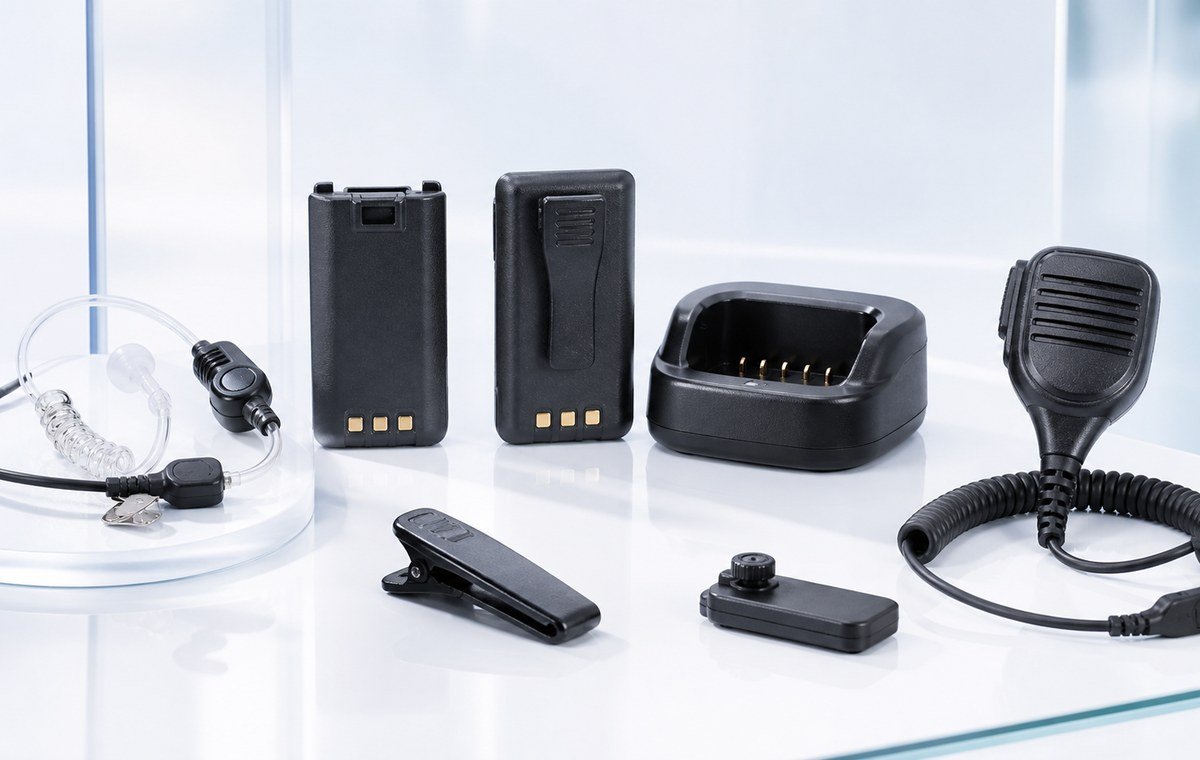
For operations running 24 hours, Octogen recommends radios with 18-hour battery life or hot-swap battery packs. A 30-second battery change during a tea break keeps the radio alive across two full shifts without ever leaving the worker’s side.
Device Selection: Analog, Digital or PoC?
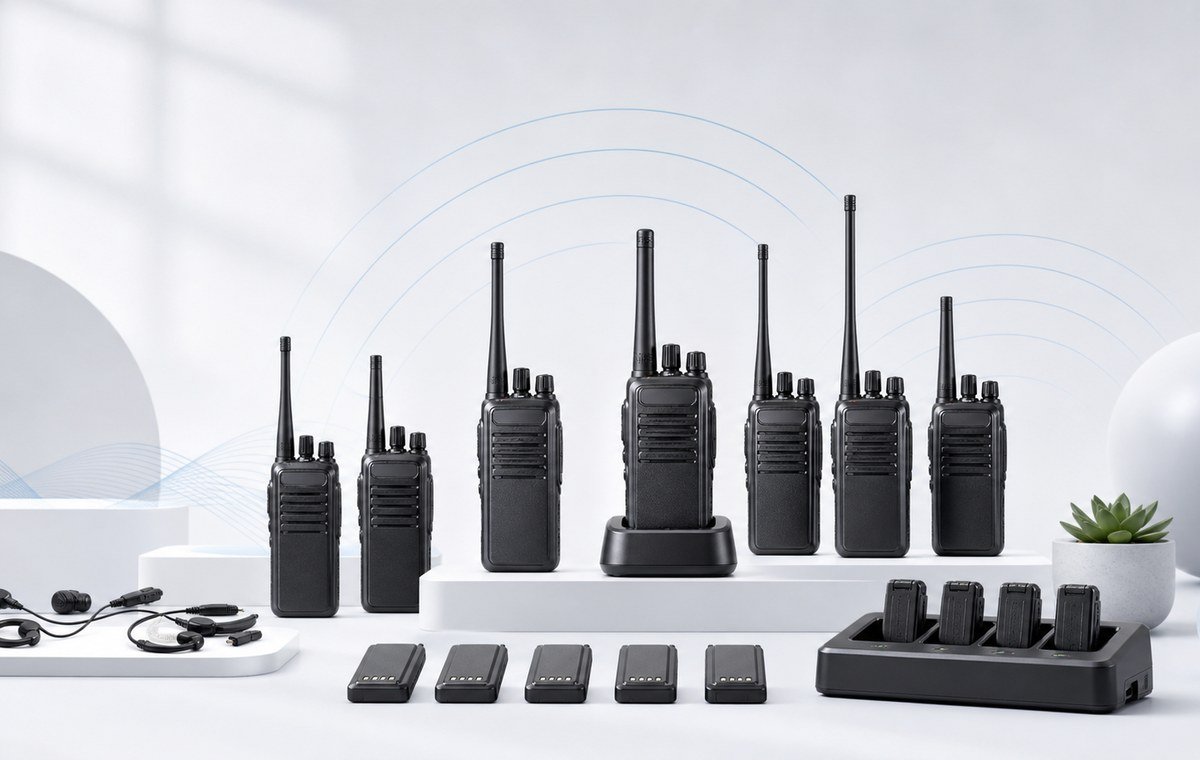
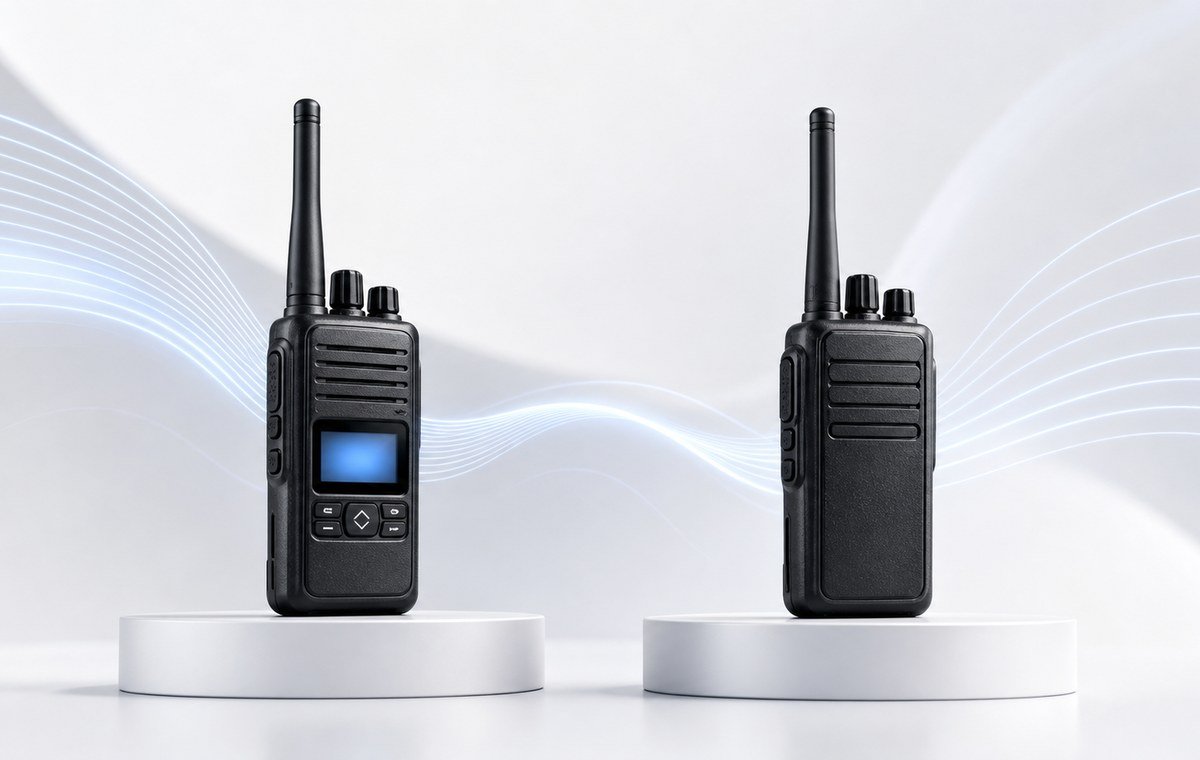
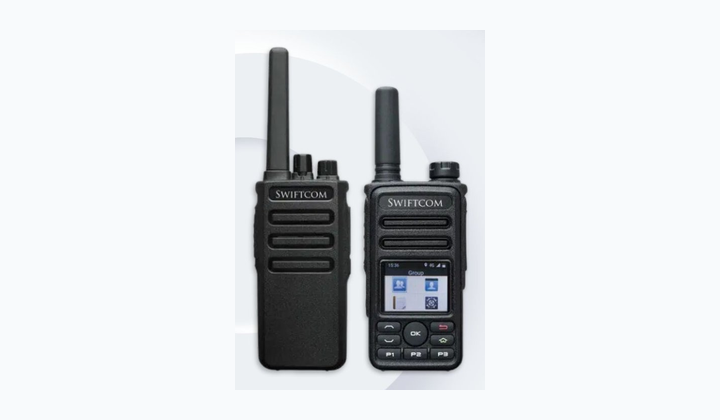
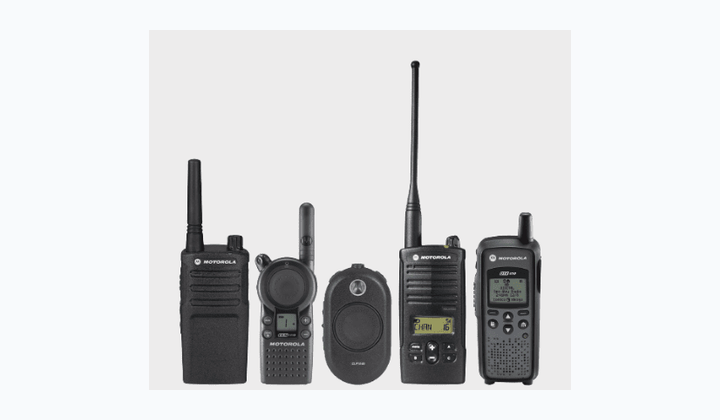
Analog UHF (Ultra High Frequency, 400-470 MHz) radios (RM 150-250 per unit) remain the workhorse for small-to-mid warehouses up to 20,000 square feet. They penetrate concrete walls and steel shelving better than VHF (Very High Frequency), require no infrastructure, and work out of the box. Limitations: no encryption, limited to 2-5 km range, and no GPS tracking.
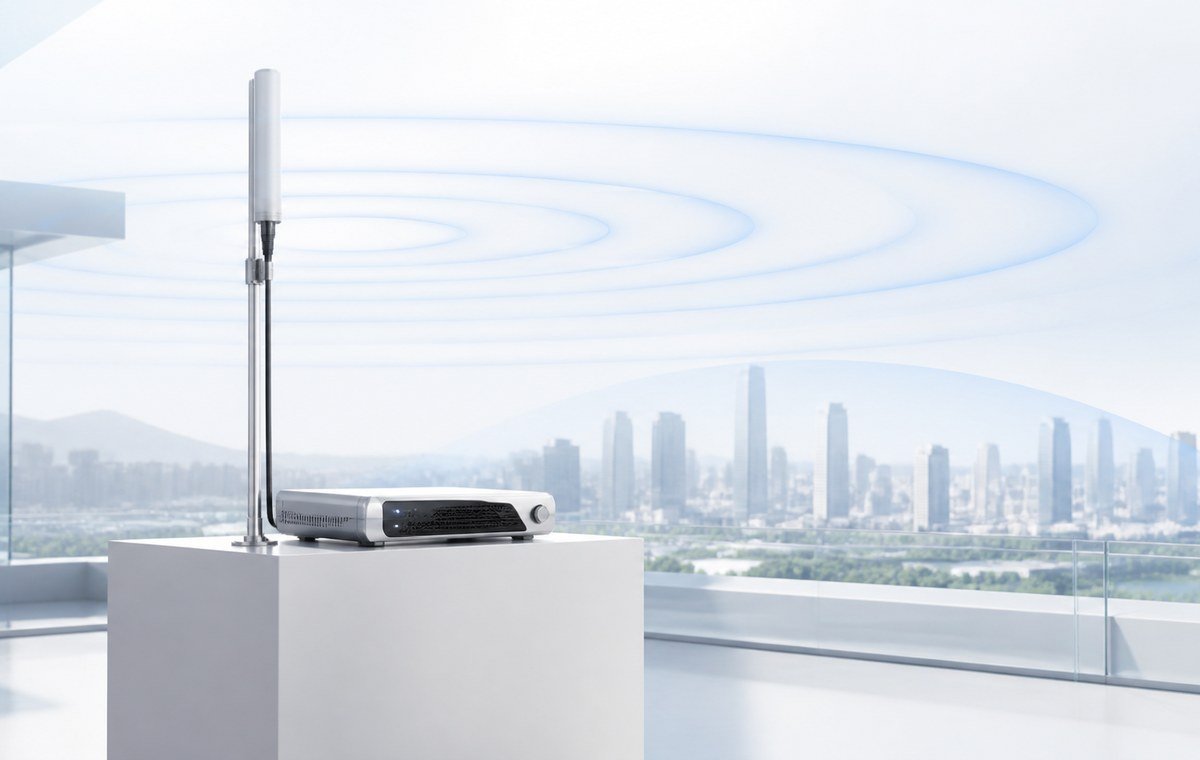
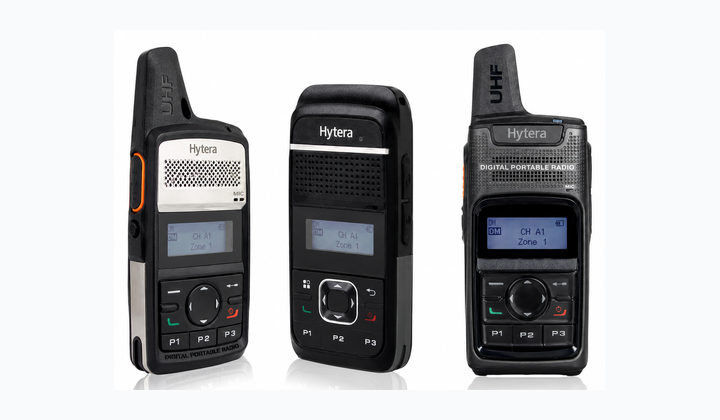
Digital DMR (Digital Mobile Radio) radios (RM 350-600 per unit) add noise cancellation, text messaging, GPS location and private calling. A digital repeater (RM 2,500-4,000) extends coverage across multi-storey warehouses in Kuala Lumpur’s industrial zones. Digital channels also support ‘man down’ alerts that trigger automatically if a worker falls motionless.
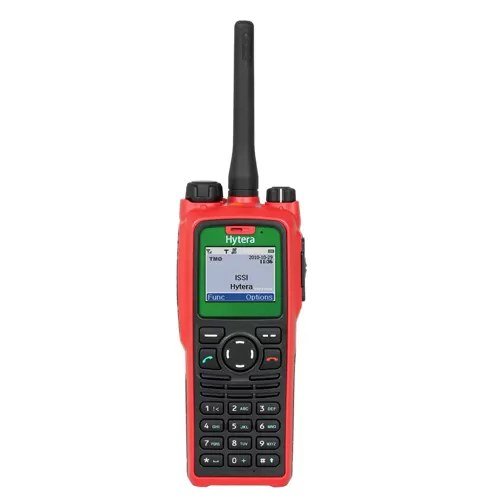
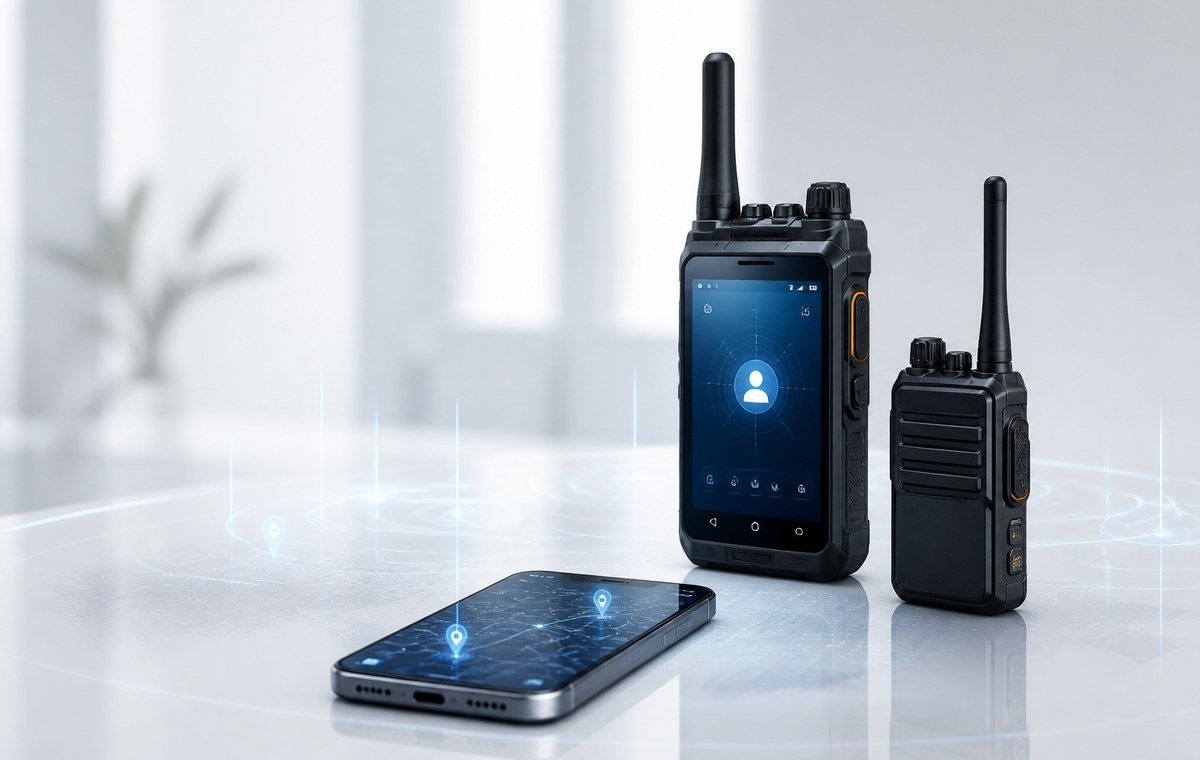
PoC (Push-to-Talk over Cellular) radios (RM 400-800 per unit) use 4G/5G networks instead of radio waves. They offer unlimited range — a Penang warehouse can talk to a Johor Bahru headquarters instantly — plus video calling and WMS app integration. The trade-off: they need cellular signal, which can be weak in basement storage or rural Free Trade Zones.
| Feature | Analog UHF | Digital DMR | PoC Cellular |
|---|---|---|---|
| Price per unit | RM 150-250 | RM 350-600 | RM 400-800 |
| Range | 2-5 km | 5-15 km with repeater | Unlimited (4G/5G) |
| Best for | Small warehouses | Multi-storey / large sites | Multi-location chains |
| Battery life | 12-16 hours | 14-18 hours | 10-14 hours |
| GPS tracking | No | Yes | Yes |
| Encryption | None | AES-256 | App-dependent |
Real Deployment Notes
Map your warehouse zones (receiving, storage, picking, packing, dispatch, security) to dedicated channels. Avoid the common mistake of putting all 40 staff on channel 1. Octogen provides free channel-planning templates for Malaysian warehouse layouts.
Radio signals behave differently when every aisle is full of stock versus empty at Sunday midnight. Schedule a coverage test during your busiest shift. Mark dead zones on a floor plan and plan repeater placement before go-live.
‘Over’ to end transmissions, ‘Copy’ to confirm receipt, ‘Standby’ to pause a channel. These three words prevent 80 percent of warehouse radio confusion. Include them in your onboarding checklist alongside safety training.
Common Customer Questions
Do walkie talkies work inside steel-framed warehouses?
Yes. UHF frequencies (400-470 MHz) penetrate steel and concrete better than VHF. For multi-storey warehouses or sites with thick reinforced walls, a digital repeater placed on the top floor usually solves coverage gaps. Octogen conducts free site surveys in Kuala Lumpur, Johor Bahru and Penang to confirm coverage before deployment.
Can walkie talkies integrate with our WMS or ERP system?
Direct integration requires PoC radios running Android, which can host WMS apps alongside PTT. For analog and digital radios, integration is voice-based: the WMS generates pick lists, and the supervisor reads instructions over the radio. Octogen’s PoC models support barcode scanning apps that send scan confirmations back to the WMS in real time.
How many channels do we need for a 50-person warehouse?
Five channels is the sweet spot: (1) Management / Emergency, (2) Receiving & Put-away, (3) Picking, (4) Packing & Quality Check, (5) Dispatch & Security. A 16-channel radio gives room to grow or add seasonal temp workers without re-planning. Octogen includes channel planning in every deployment package.
What is the total cost for a 20-radio warehouse setup?
Analog UHF: RM 3,000-5,000 (radios + accessories). Digital DMR: RM 7,000-12,000 (radios + repeater + programming). PoC Cellular: RM 8,000-16,000 (radios + 24-month data plans). All packages include Octogen’s 12-month warranty, free channel programming and on-site training in the Klang Valley.
Can we rent radios instead of buying?
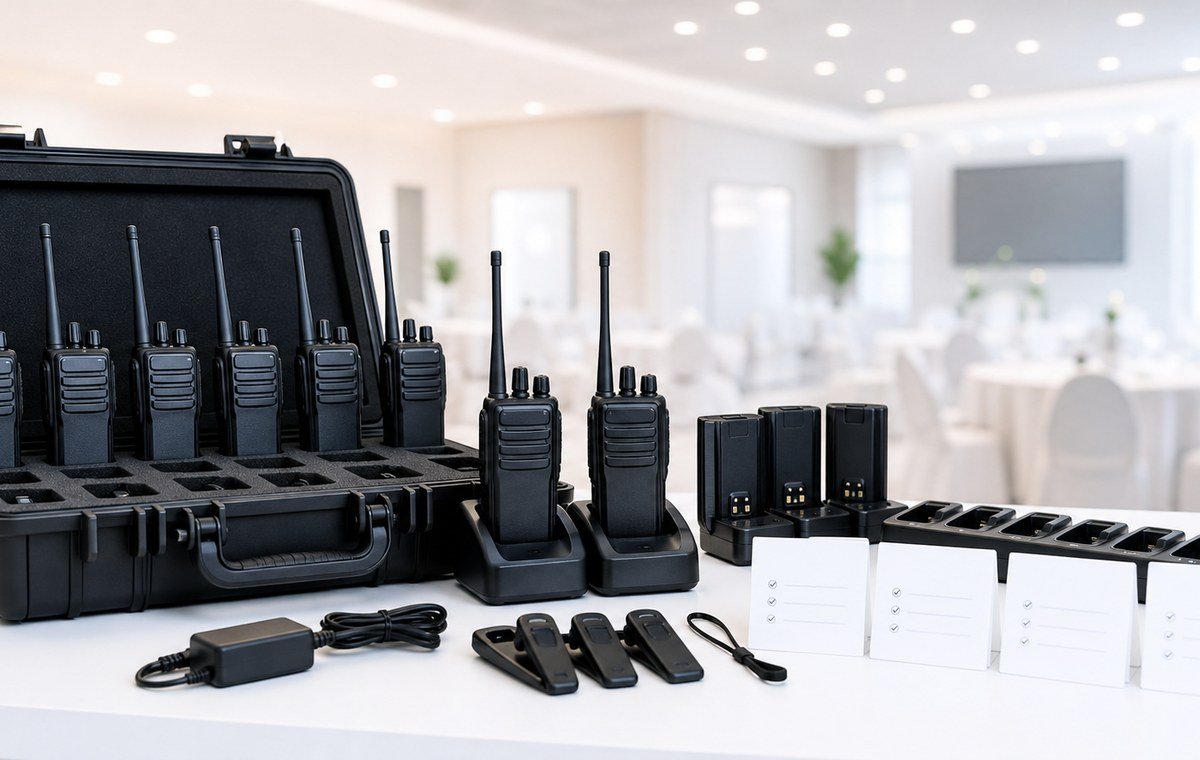
Yes. Octogen offers rental from RM 15-35 per radio per month for seasonal peaks, warehouse relocations or trial deployments. Rental includes batteries, chargers, belt clips and replacement units. Minimum rental period is 30 days. Contact us for a rental quote tailored to your shift pattern.
How do we handle radio maintenance across multiple shifts?
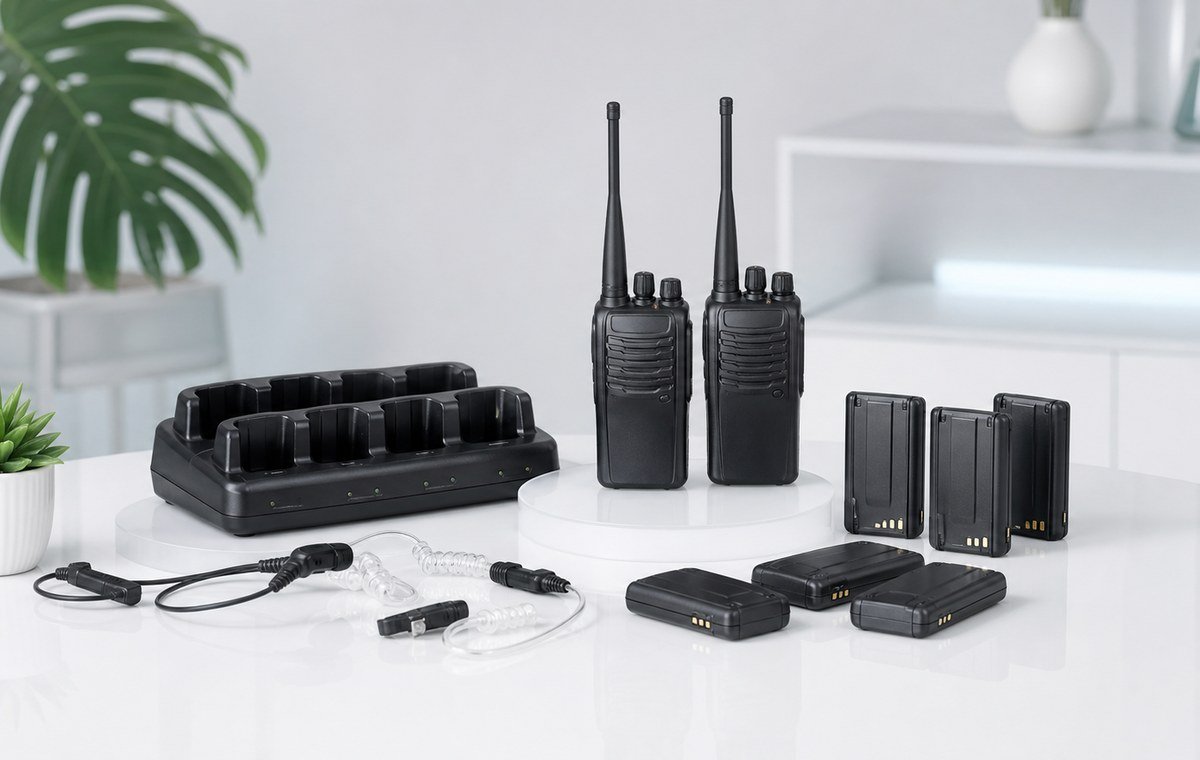
Octogen recommends a ‘radio pool’ model: each shift checks out radios from a charging station at shift start and returns them at shift end. This centralises battery management, reduces loss, and ensures every radio is charged. For 24/7 operations, we supply dual-bay chargers and hot-swap battery kits so radios never leave the floor.
Are Malaysian warehouse radios licence-free or licenced?
Malaysia’s MCMC allocates licence-free PMR446 channels (0.5W, short range) and licenced business bands (up to 5W, longer range). Most warehouses choose licenced UHF business bands for reliable coverage across large floors. Octogen handles MCMC licence applications as part of our deployment service — the licence fee is approximately RM 100 per frequency per year.
What happens if a radio is dropped or damaged?
Octogen’s industrial radios carry IP54 to IP67 ratings, meaning they survive dust, water splashes and 1.5-metre drops onto concrete. For extreme environments (cold stores, chemical zones), we supply intrinsically-safe models. All purchases include 12-month warranty; rentals include full replacement coverage.
Ask Octogen About Your Site Coverage
Octogen has supplied two-way radios to Malaysian warehouse sites since 2017. Whether you run a 5-person storage unit in Penang or a 200-picker 3PL in Johor Bahru, we have a radio solution that fits your workflow and budget.