
A buyer's guide to Motorola two-way radios in Malaysia — from legacy GP analog to MOTOTRBO digital — plus rental, programming and repair. Tell us your use case; get a model family and the next step. Ready to browse and buy? Jump straight to the catalogue.
Find your Motorola
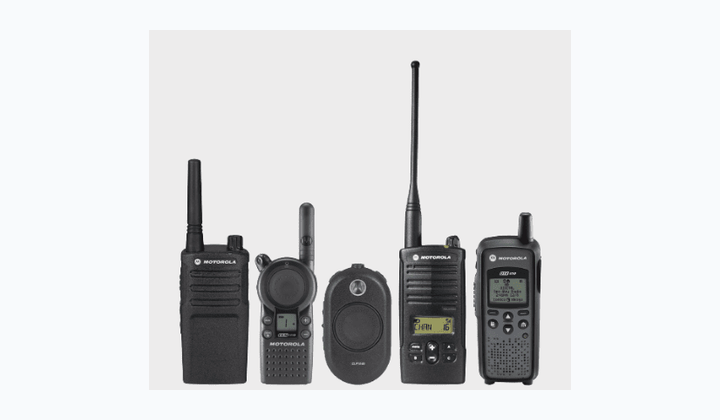
Motorola model families Octogen works with.
From legacy analog still in service to current MOTOTRBO digital. Availability and condition vary — confirm stock, accessories, warranty and programming when you request a quote. To browse and buy, use the Motorola catalogue.
GP328 / GP338
Simple voice, provenClassic Motorola analog portables still seen in service and inventory. Rugged and familiar — suited to straightforward voice on a single site. Often a repair, battery or accessory job rather than new supply.
MOTOTRBO XiR P3688
Business starting pointAn entry MOTOTRBO portable that runs analog and digital, so it bridges older fleets while moving to digital clarity. A practical first professional Motorola for daily business use.
XiR P6600i / C2620
Clearer, fuller featuresStep-up MOTOTRBO portables for teams that want better digital audio, longer feature sets and a more capable everyday radio across operations and security.
MOTOTRBO R7
Top of the portable rangeMotorola's newer full-feature digital portable — built for demanding environments where audio quality, durability and advanced features matter most.
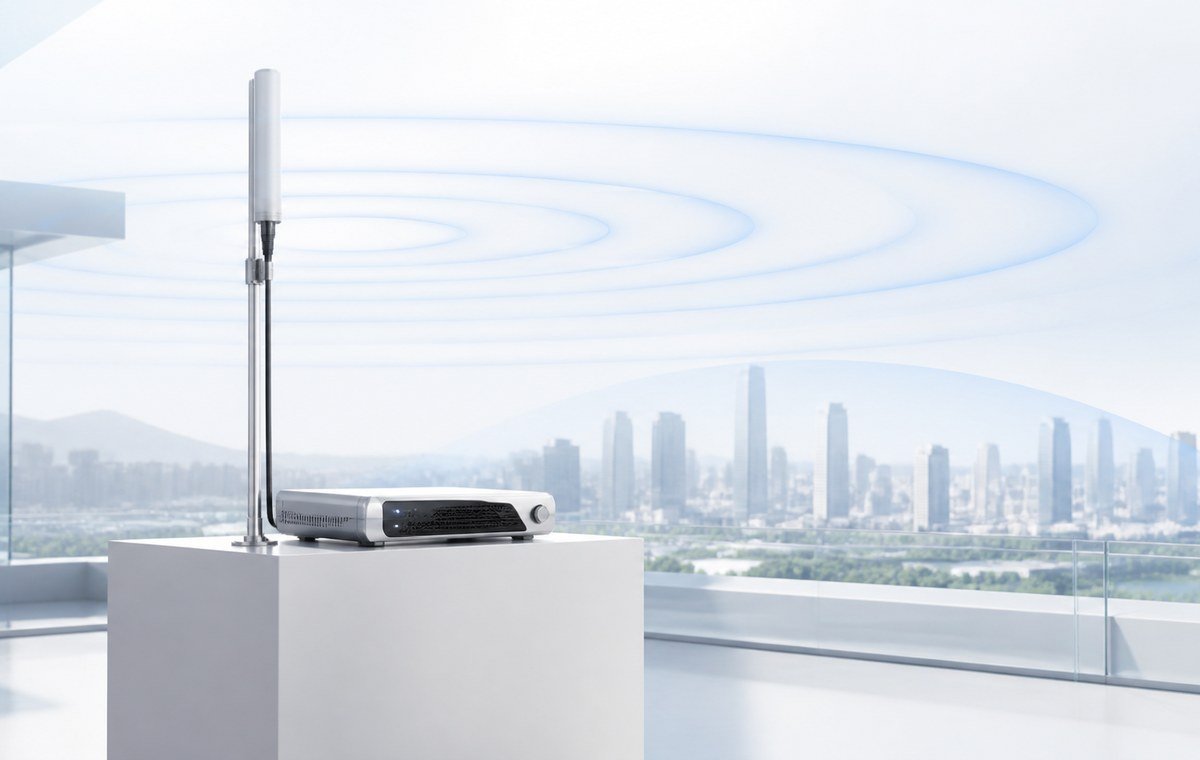
SLR-5300 repeater
Extend site coverageA Motorola repeater to extend coverage across larger or multi-level sites where handsets alone lose each other. Pairs with a site survey before install.
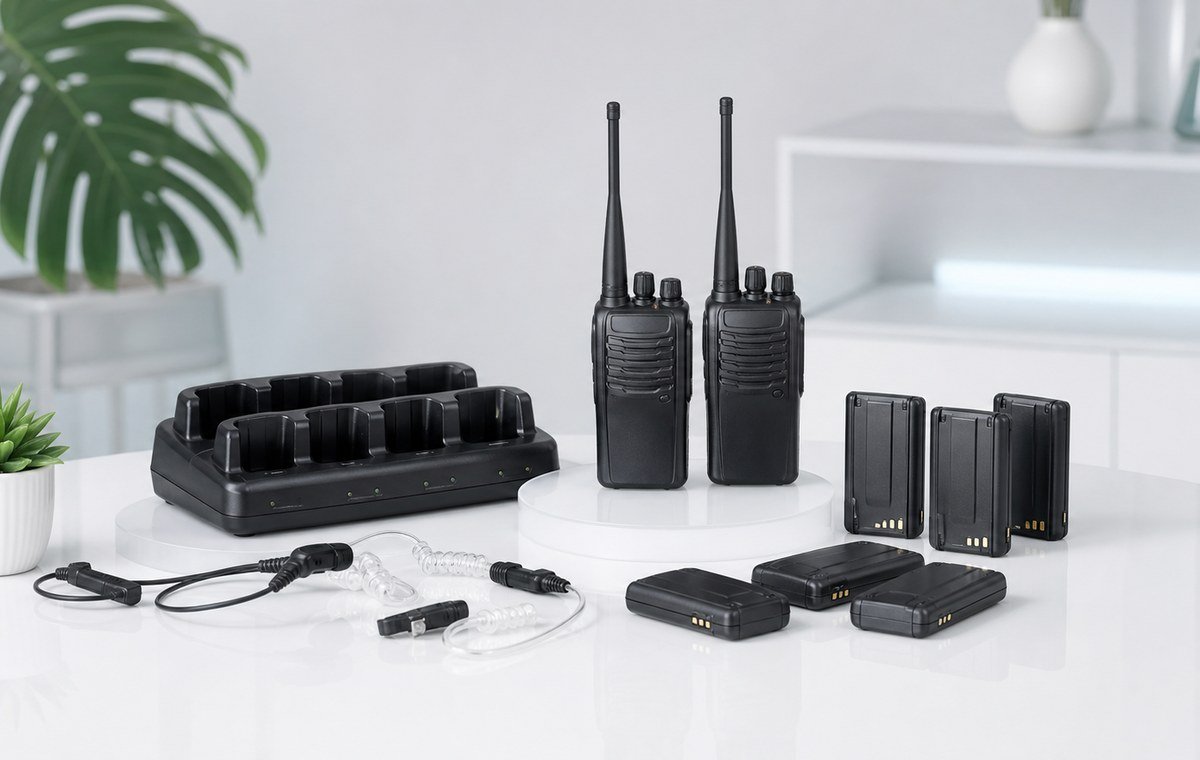
Speaker mics, batteries, chargers
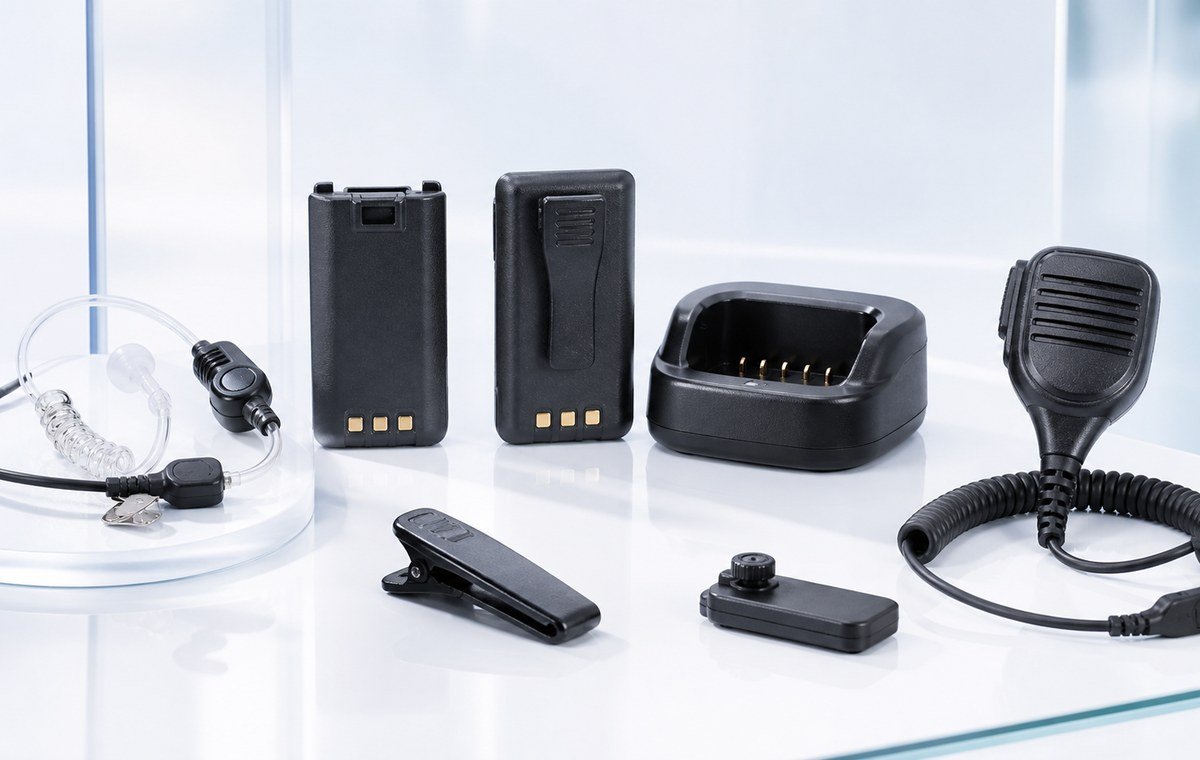
Keep the fleet runningGenuine Motorola speaker microphones, batteries, chargers and cables — plus programming and service lines to keep an existing fleet in good order.
Sales, rental, programming and repair.
Motorola support is a full lifecycle, not only a purchase. Octogen handles Motorola enquiries across four service lines.
New unit supply
Source the right Motorola model and accessories for your use case, with programming set up before handover.
Short-term & events
Rent Motorola radios for events or temporary projects instead of buying. Rental options →
Channels & fleets
Channel plans, fleet programming and compatibility with your existing radios so new units drop into the workflow.
Service & accessories
Repair lines, batteries, chargers and speaker mics to keep an existing Motorola fleet in service.
Common Motorola questions.
Which Motorola walkie talkie is best for business in Malaysia?
What's the difference between Motorola analog (GP328) and MOTOTRBO digital?
Do Motorola walkie talkies need a licence in Malaysia?
Can Octogen repair and program Motorola radios?
Can I rent Motorola radios instead of buying?
Compare and decide.
Not sure which Motorola model to choose?
Tell us your use case, the features you need, and whether you're buying, renting or servicing — we'll recommend the right Motorola family and confirm stock, accessories and programming.
Browse Motorola catalogue