

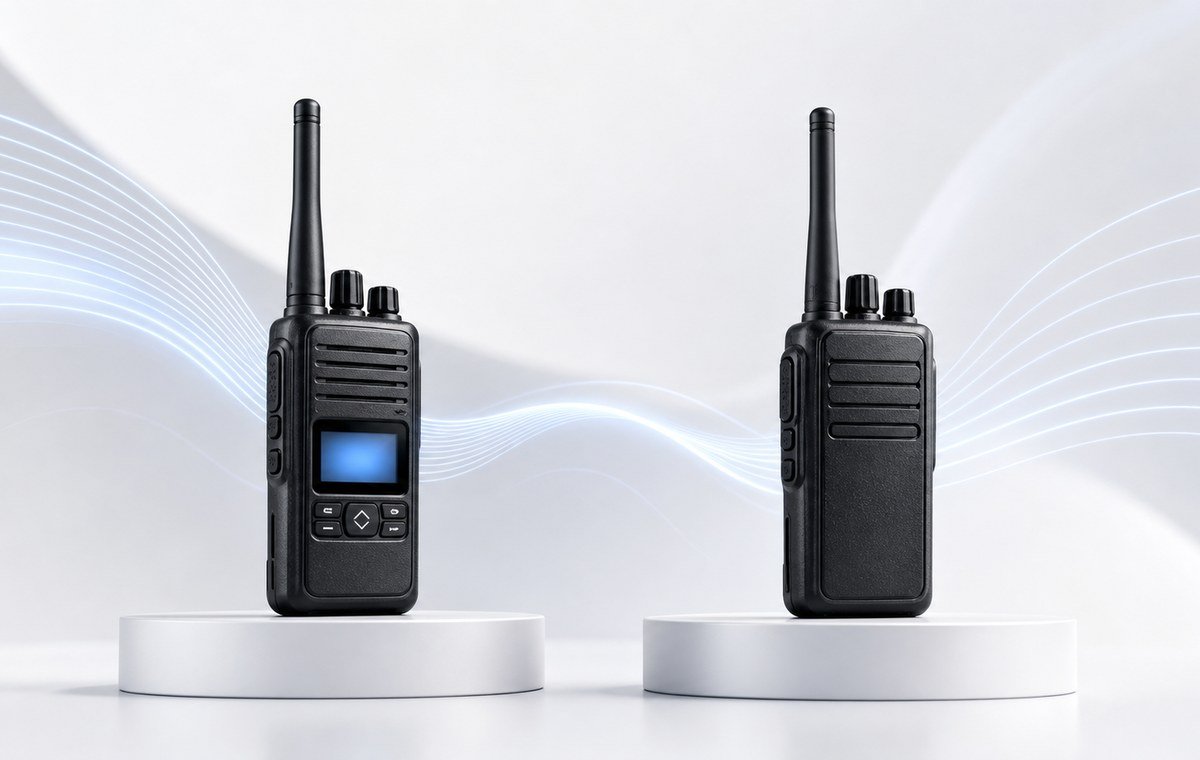
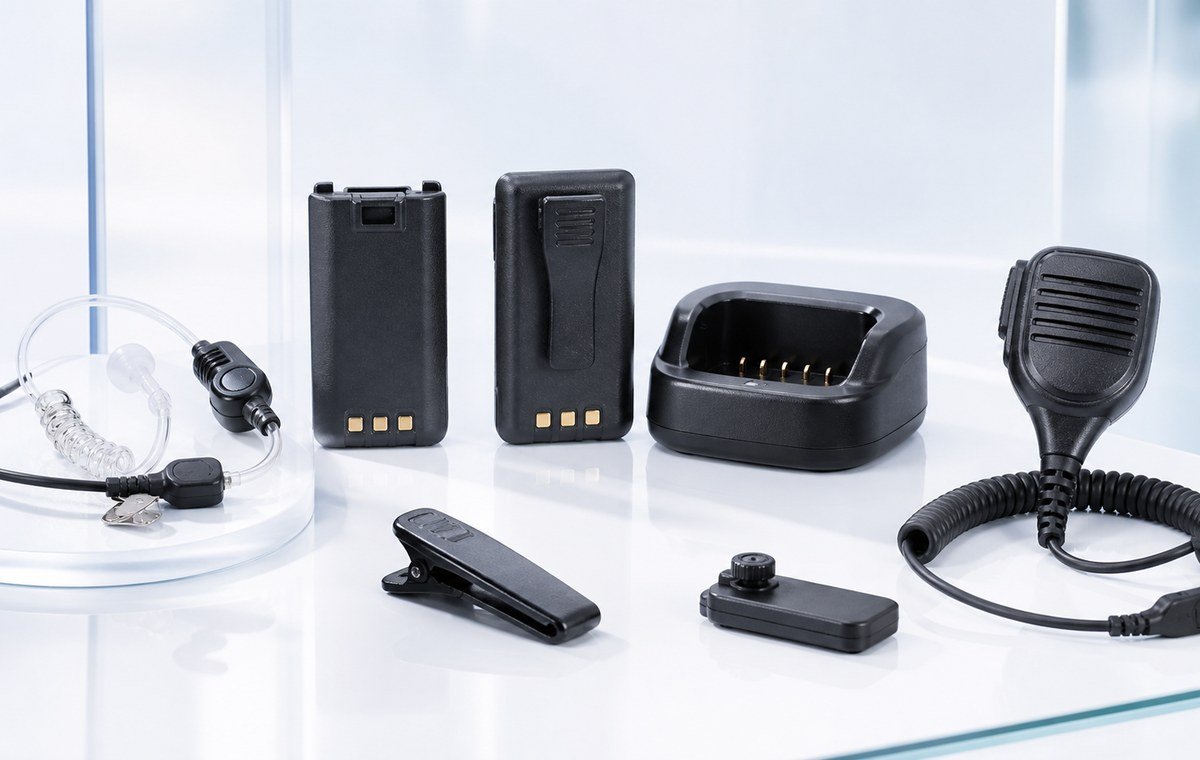
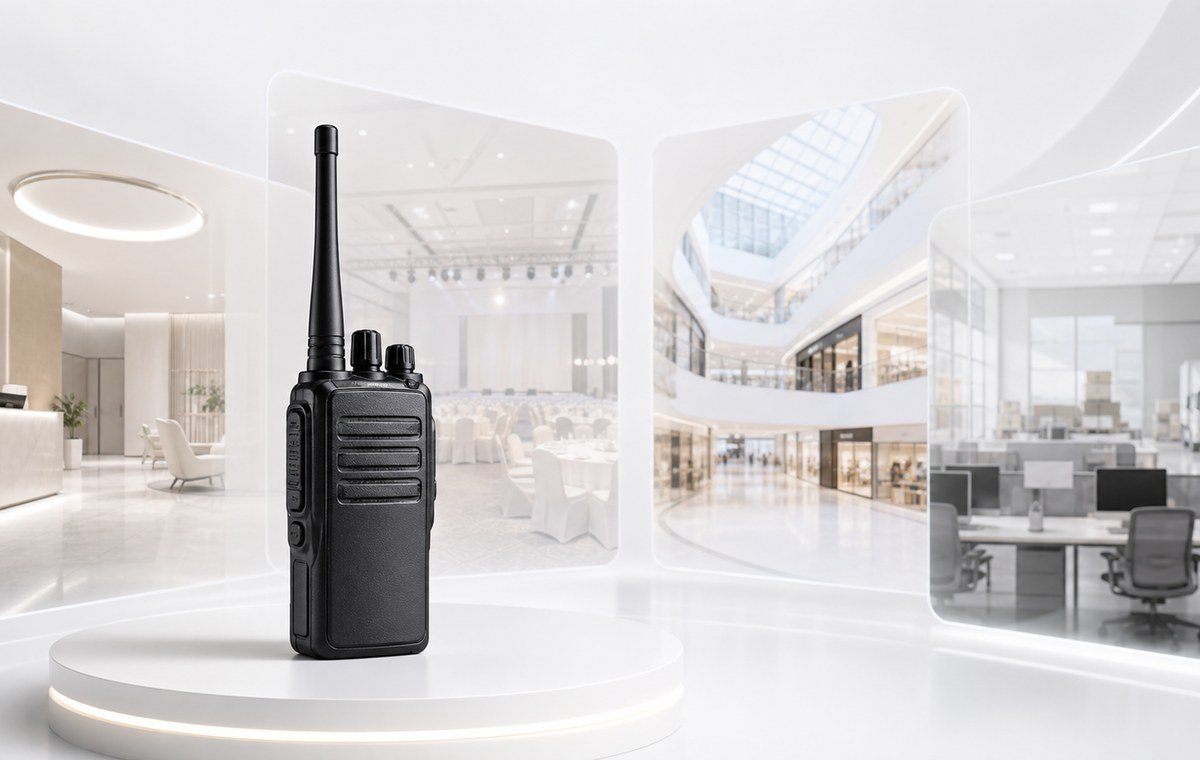
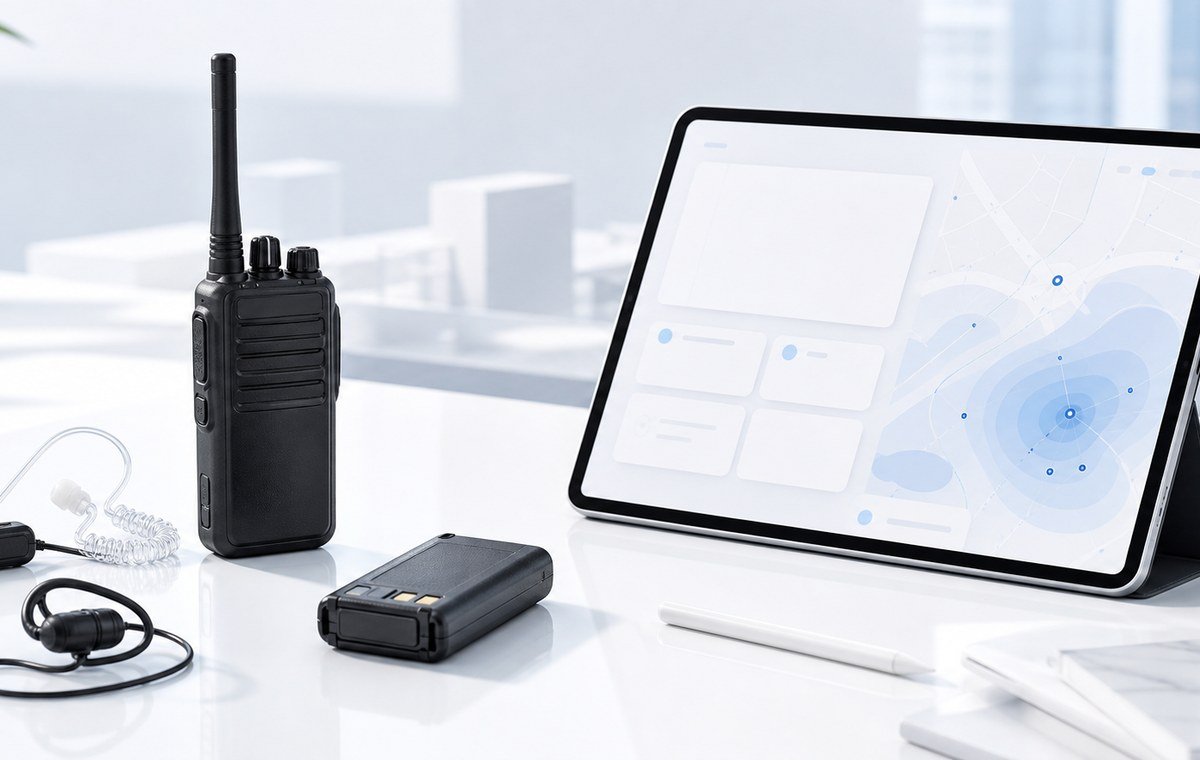
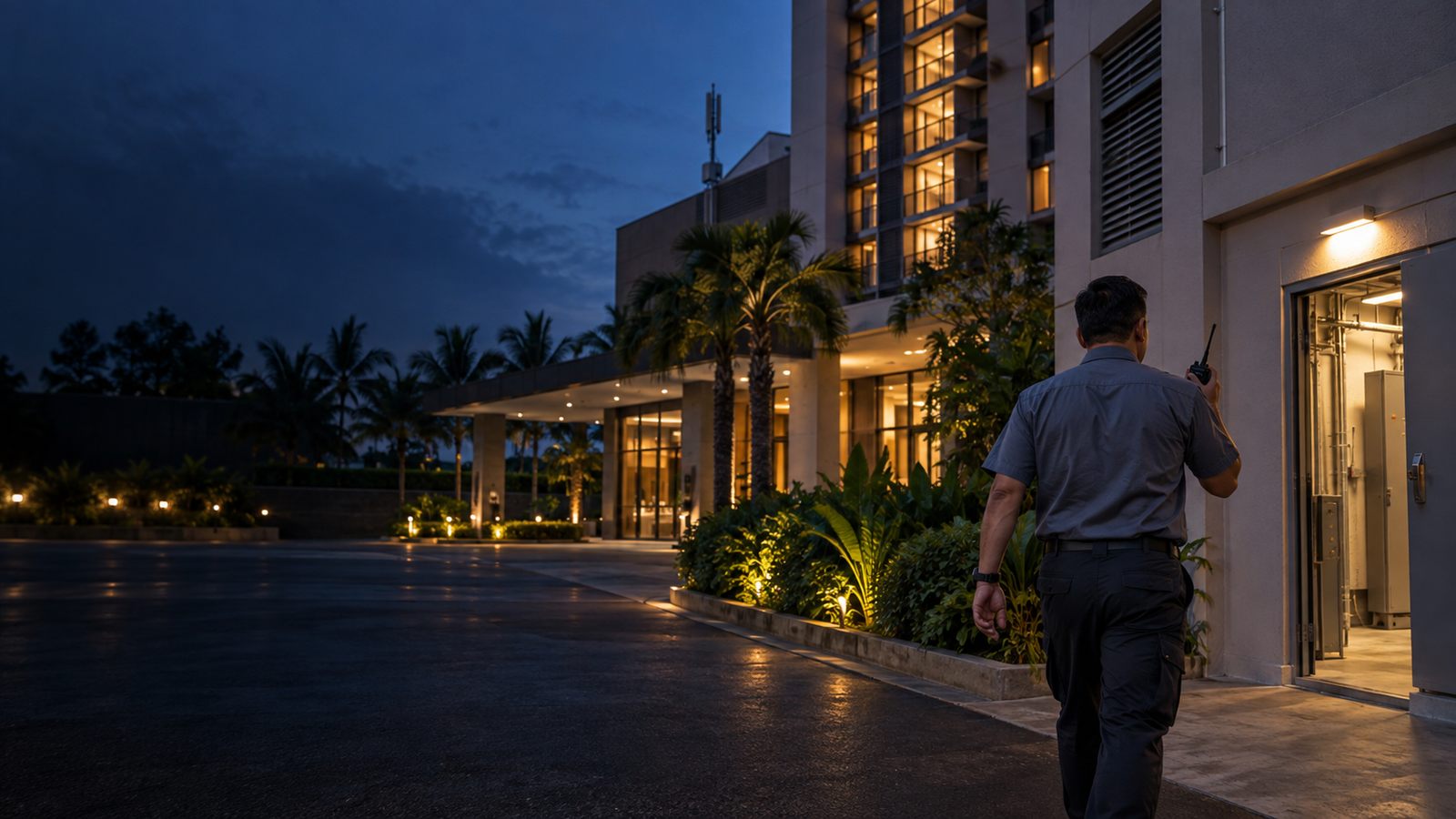
A hotel communications scope built beyond standalone handsets.
A real Bukku invoice records a Kenwood NXR-1800 UHF DMR repeater, distributed antenna components, 15 NX-1300-M portable radios, system design and installation scope, with RM0 balance. Customer identity and site details remain private.
What changed after Octogen fixed it
- Problem
- A hotel communications scope has to account for radio infrastructure, antenna distribution, cable routing and issued handsets rather than treating coverage as a simple handset purchase.
- Result
- The Bukku record documents one Kenwood NXR-1800 UHF DMR repeater, an inline repeater, distributed antenna components, 225 metres of cable, 15 Kenwood NX-1300-M radios, system design and installation lines under an RM85,585 invoice with RM0 balance.
- Verification
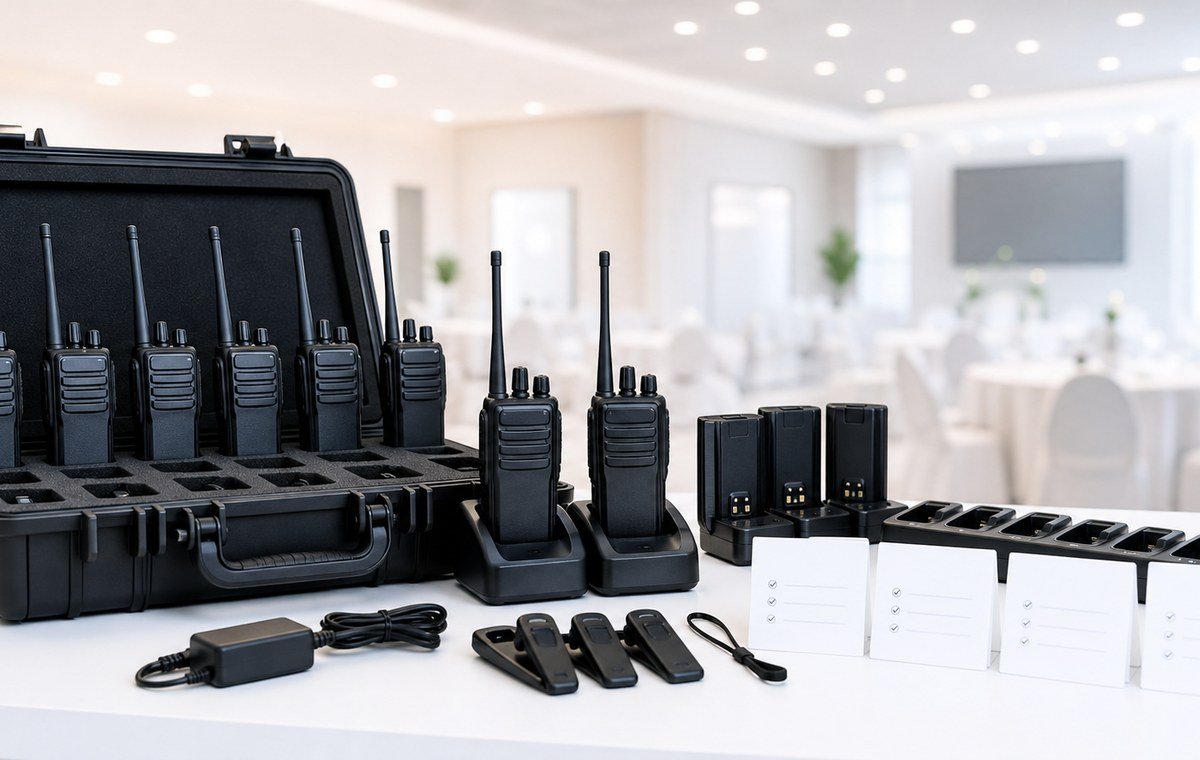
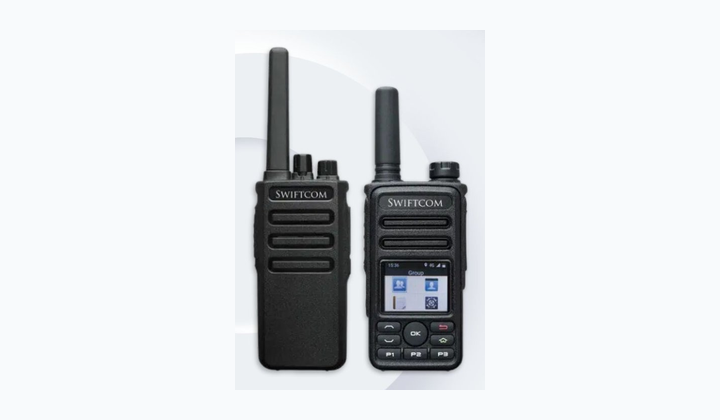
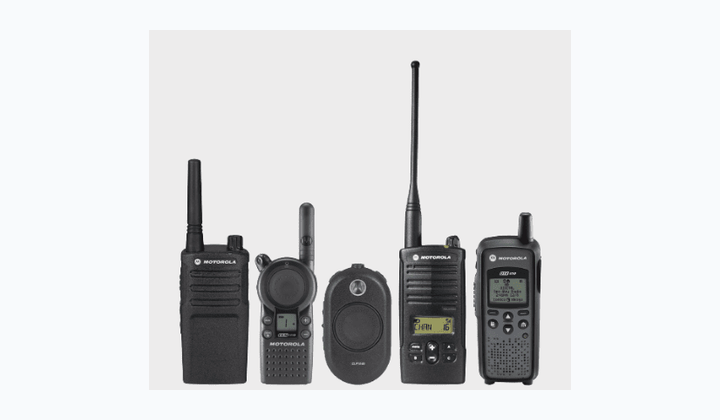
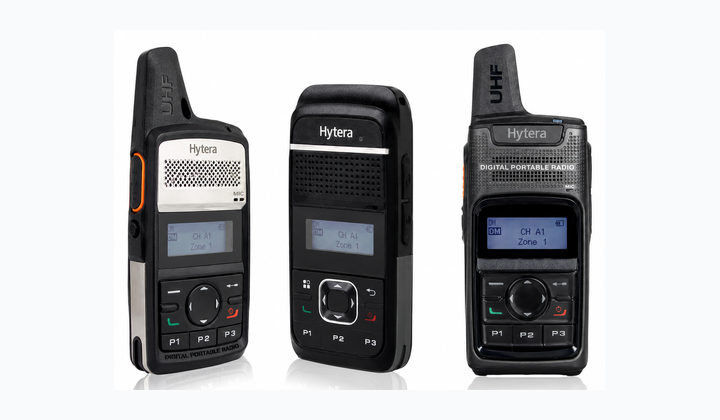
- Document-level Bukku invoice evidence read on 9 September 2026. Generated images illustrate a generic hotel communications scenario only; the invoice does not independently prove measured coverage, commissioning or private operational outcomes.
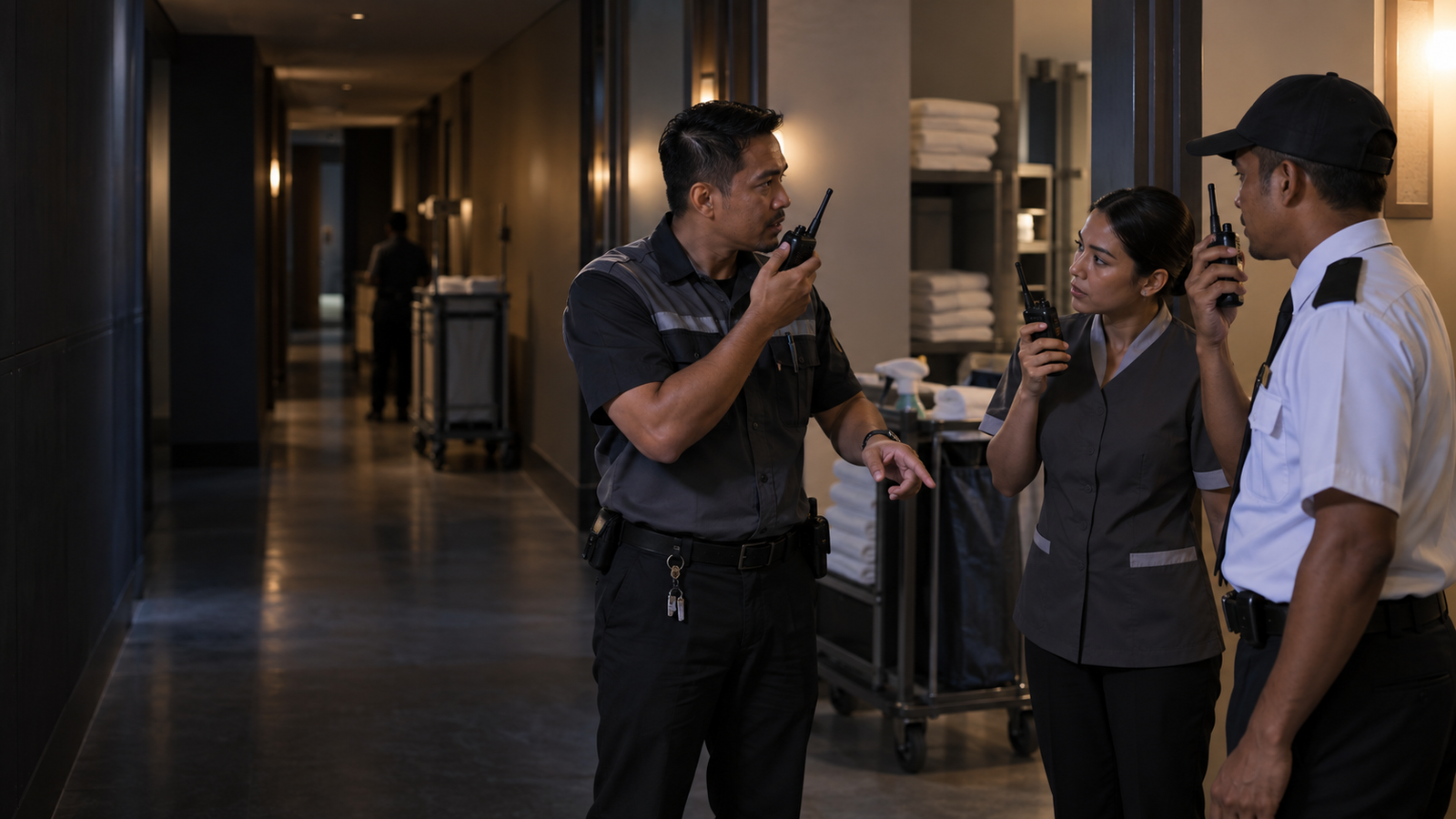
The same hotel infrastructure scope answers four different planning questions.
“A hotel radio plan has to consider antenna paths and technical rooms, not just the handheld count.”
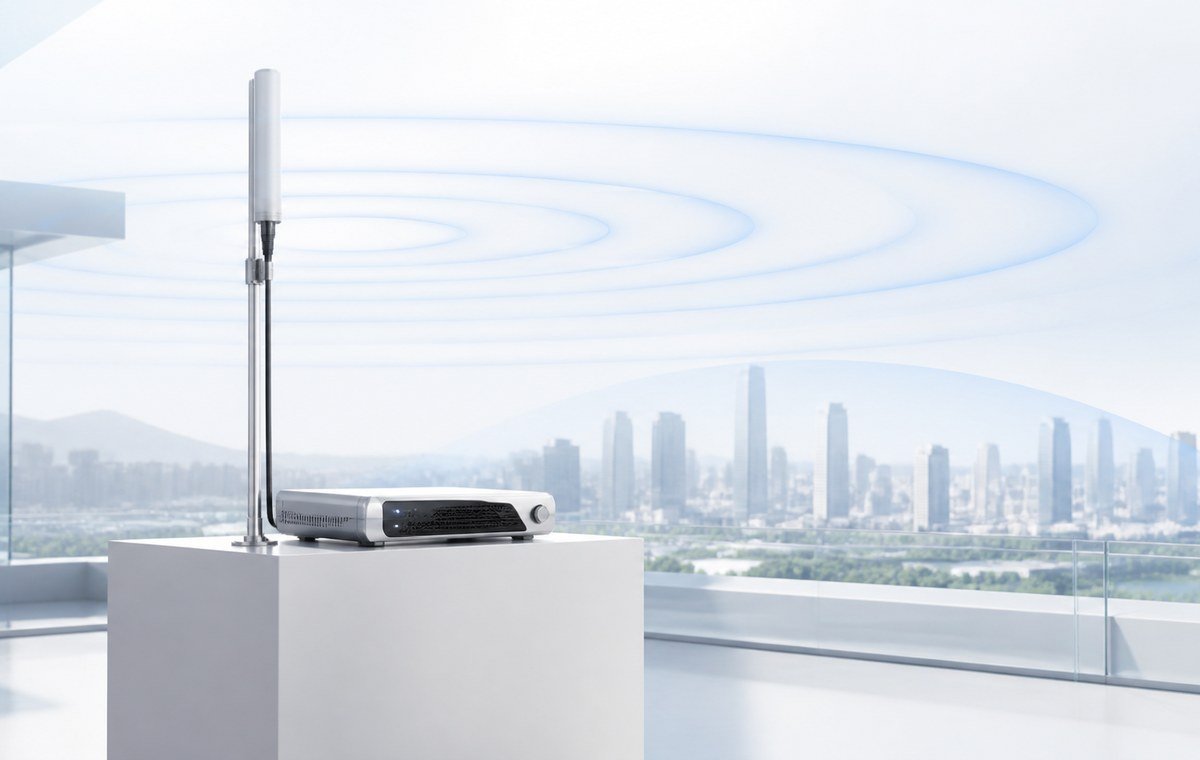
The invoice includes a repeater, power supply, duplexer, combiner, multicoupler, antenna components and cable. This was structured as infrastructure work rather than a basic radio replacement.
“Issued handsets matter only when the supporting communications system is planned around them.”
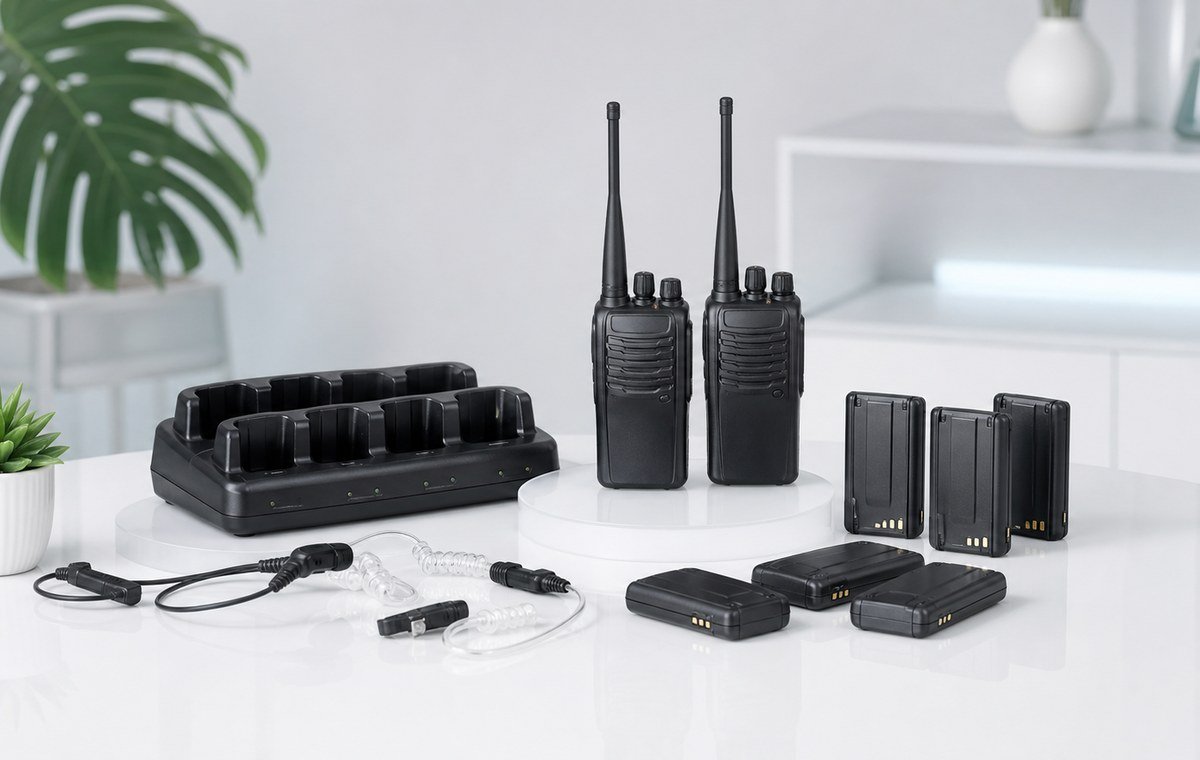
Fifteen Kenwood NX-1300-M portable radios form the documented user layer. A buyer should still validate departments, shifts, building geometry and channel needs before choosing a final fleet size.
“A clean scope separates equipment, infrastructure, design and installation costs.”
The commercial record separates the repeater, antenna distribution, cabling, system design, installation and handheld radios. The total is RM85,585 and the recorded balance is RM0.
“Frequency approval and site design need resolution before infrastructure lead times dictate the schedule.”
The document notes that duplexer ordering follows MCMC apparatus-assignment approval. This is a planning dependency, not proof that approval or commissioning was completed.
A hotel radio system has more dependencies than a handheld order.
Coverage infrastructure needs a physical backbone
The documented scope includes a repeater, inline repeater, power supply, combiners, a multicoupler, duplexer, antennas, connectors and 225 metres of cable.
- One Kenwood NXR-1800 UHF DMR repeater is listed as the core system component
- Indoor and outdoor antenna components are listed alongside couplers and RF attenuation hardware
- The invoice includes 225 metres of cable and connector/jumper-cable lines
The issued fleet is only one layer of the system
Fifteen Kenwood NX-1300-M digital portable radios are listed in the same order. The document does not specify private team allocation, so this draft does not invent department counts or user activity.
- 15 Kenwood NX-1300-M digital portable radios are directly recorded
- Hotel buyers should size units against shift roles, not public-facing headcount alone
- Channel planning, charging and user briefings remain site-specific work
The commercial record is strong; field outcomes need separate evidence
The Bukku document records system design and installation lines and a paid RM85,585 total. It is not a commissioning report, RF test record or customer testimonial.
- System design and installation lines are listed in the invoice scope
- Payment mode is credit and the invoice balance is recorded as RM0
- Customer name, address, contacts, invoice number and site details are withheld from public copy
The documented order changes the planning frame from which radio should we buy to which infrastructure, distribution components and issued fleet belong together. For a hotel, that distinction affects technical-room planning, antenna paths, approval timing and the user layer.
Four layers are directly visible in the Bukku record.
These are document-backed scope layers, not a reconstruction of a private implementation sequence.

A planning model for a hotel communications system
The panels below make the invoice scope easier to understand. They are an illustrative buyer guide, not a report of private hotel operations.
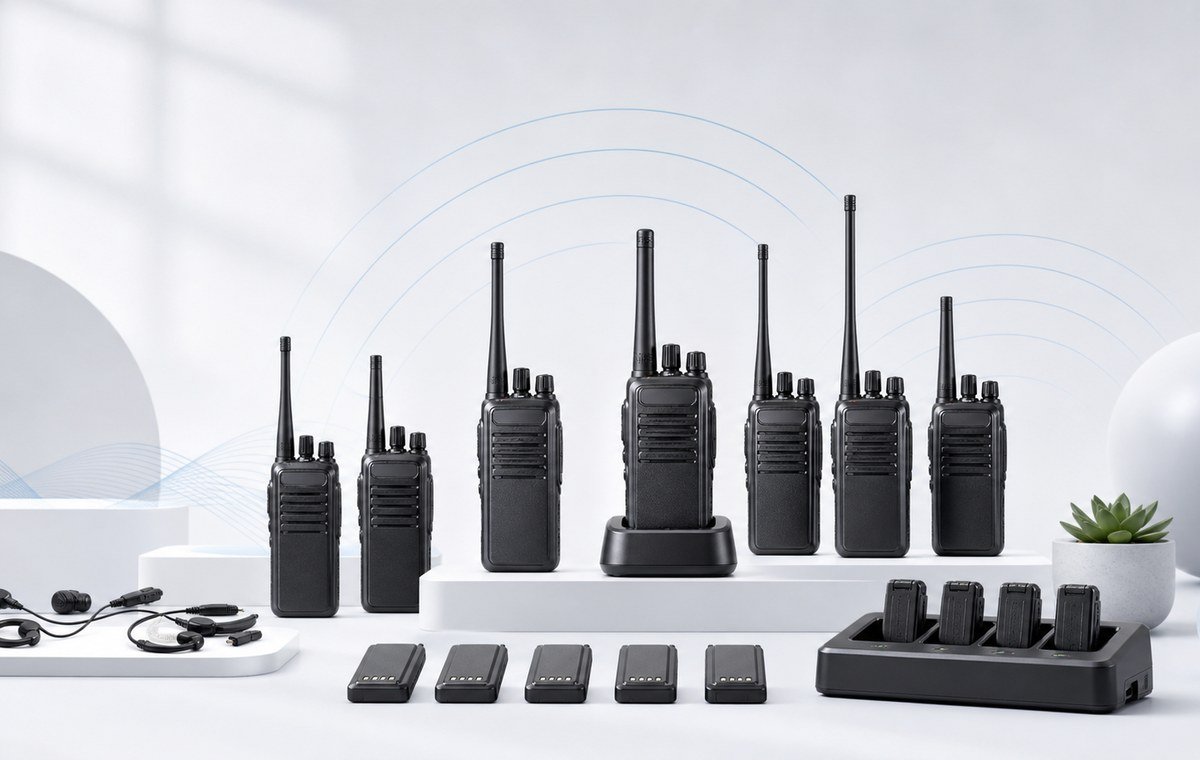
This board separates the evidence layers buyers need to read before turning an order into a deployment claim.
1 DMR repeater · 15 portable radios · 225 m cable · RM85,585 recorded invoice total
What can be stated from the commercial record
Repeater and RF distribution components
- RepeaterKenwood NXR-1800 UHF DMR
- InlineInline repeater line included
- RFCombiner, multicoupler and duplexer lines
- AntennasIndoor and outdoor antenna components
Cabling, design and installation lines
- Cable225 metres listed
- ConnectorsConnector and jumper-cable lines
- DesignSystem-design line included
- InstallInstallation line included
15 documented portable radios
- ModelKenwood NX-1300-M
- Quantity15 portable radios
- TypeDigital portable radio
- AllocationPrivate customer allocation withheld
Public-Safe Evidence Scorecard
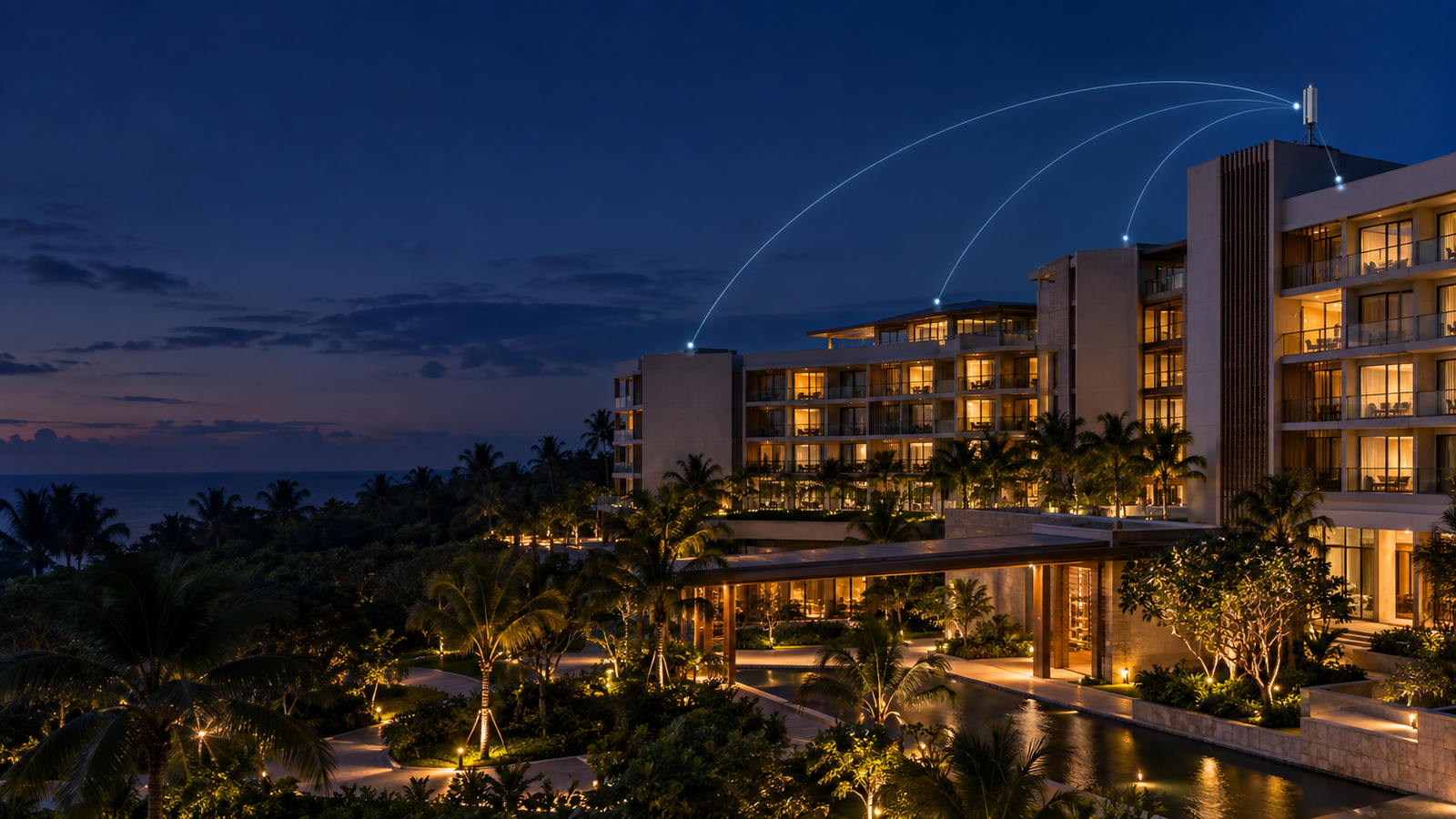
What the invoice confirms — and no more
This case-study draft is anchored to a real Bukku commercial record. It shows why a hotel communications enquiry should distinguish the RF backbone, antenna distribution, cabling, design, installation and user radios. It does not claim a measured coverage outcome, a private operational result or a customer testimonial that the source does not contain.
Hotel DMR repeater-system buying guide
Related cases and planning resources
Plan a similar radio requirement
 IllustrationPlanning & servicesPlan radio coverage and system designDiscuss building layout, repeater requirements and coverage acceptance before choosing equipment.
- Planning & servicesRadio planning for hotelsMap service areas, operational teams and building coverage requirements.
- Case study collectionBrowse all Octogen radio case studiesCompare rental, radio supply and fixed-system requirements across other documented cases.

Compare related customer orders
- Customer case56 Floors.See how Octogen fixed a 56-floor hotel radio dead zone with a Motorola SLR5300 repeater after repeated handset replacements failed.
- Customer case50 Radios. RM51,010 Paid.A real Bukku invoice story showing how an anonymized Langkawi resort customer upgraded hotel department and F&B communications with 50 Swiftcom radios, accessories, licensing support and onsite programming.


Manufacturer and technical references
These technical references explain products or radio principles. They do not independently verify this customer order, measured site coverage or commissioning. Product variants and local requirements need confirmation.
Plan the infrastructure before your team depends on the radios
Tell Octogen your hotel layout, service zones, technical-room options, expected users and licensing position. We will help define a practical repeater-system and portable-radio scope.