
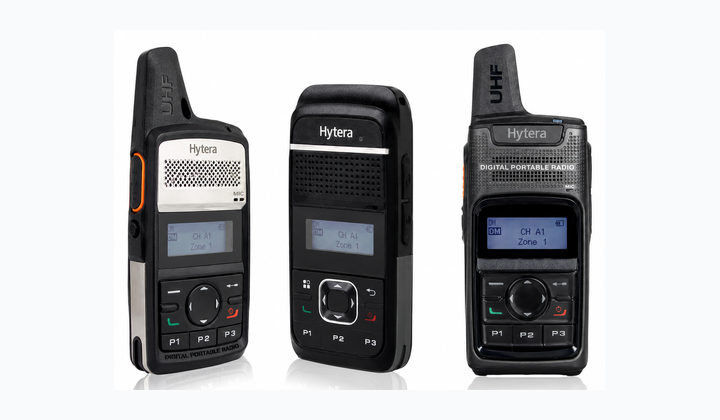
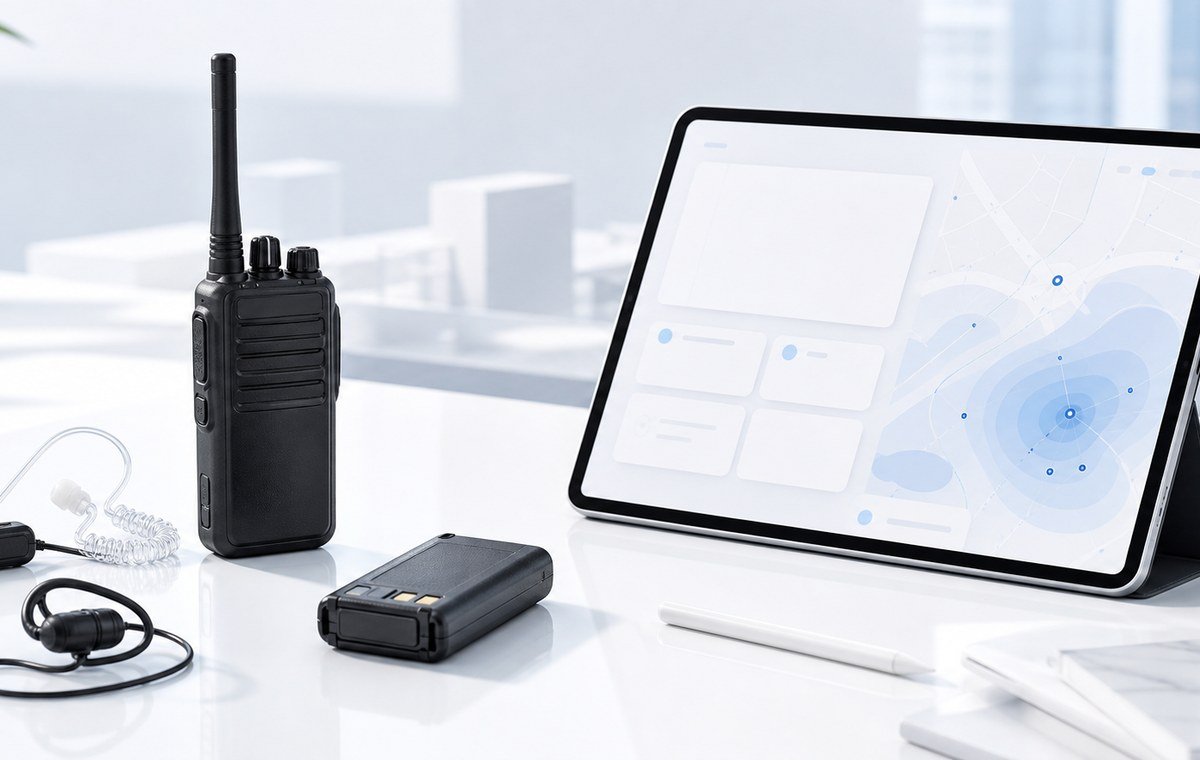
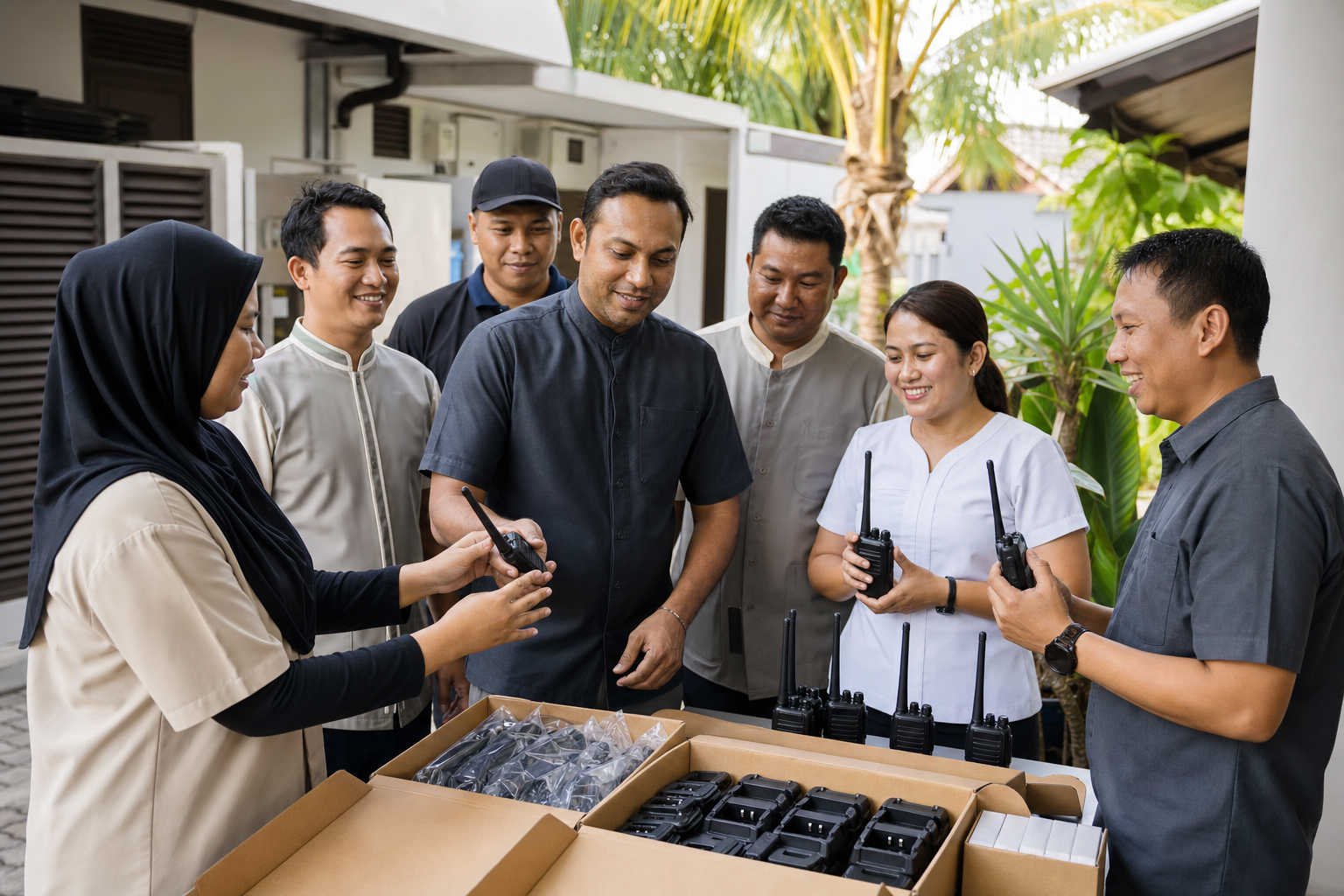
Hotel departments get one clearer voice channel.
A Langkawi resort customer used Octogen to supply 30 Swiftcom SC-680 radios, 20 Swiftcom SC-F2 radios, batteries, earpieces, MCMC license support and onsite reprogramming under a paid Bukku invoice with RM0 balance.
What changed after Octogen fixed it
- Problem
- A resort operation needs fast coordination between hotel departments, F&B users, supervisors and service teams without relying on phone calls for every short instruction.
- Result
- Bukku invoice INV-202603-022 records 50 Swiftcom radios, accessories, MCMC license support, runner service and onsite reprogramming under a RM51,010 invoice with RM0 balance.
- Verification
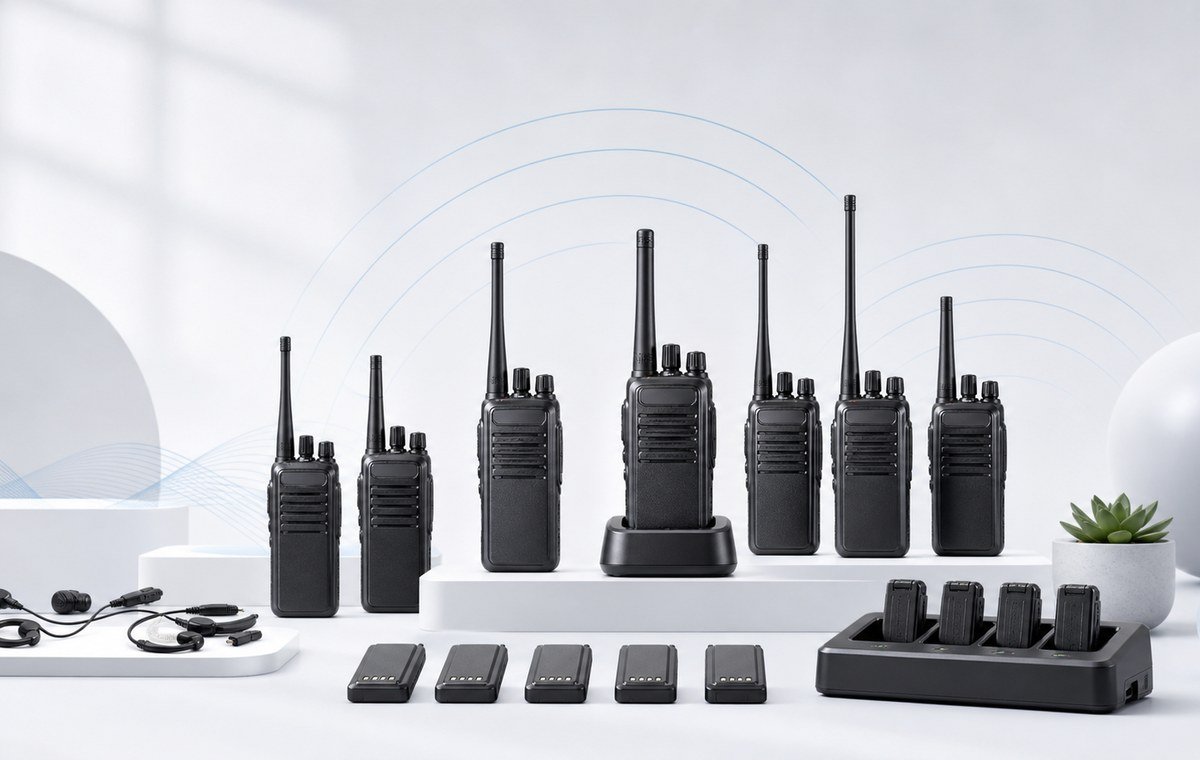
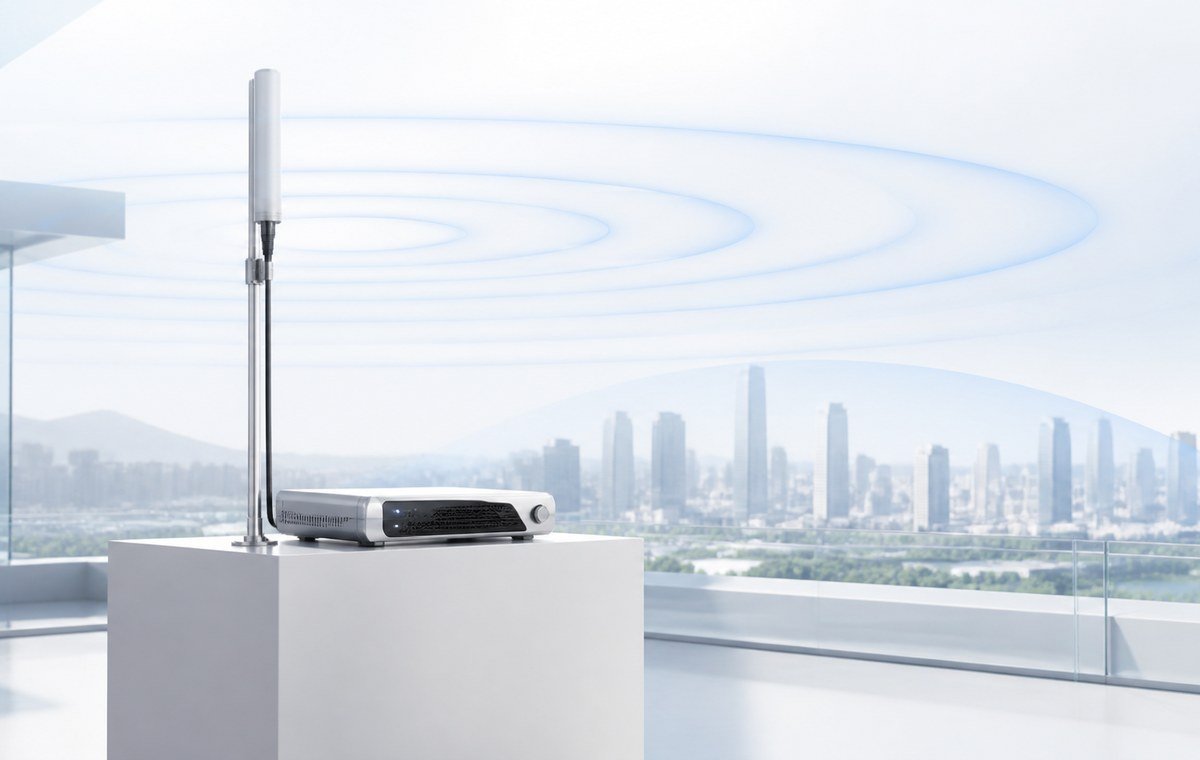
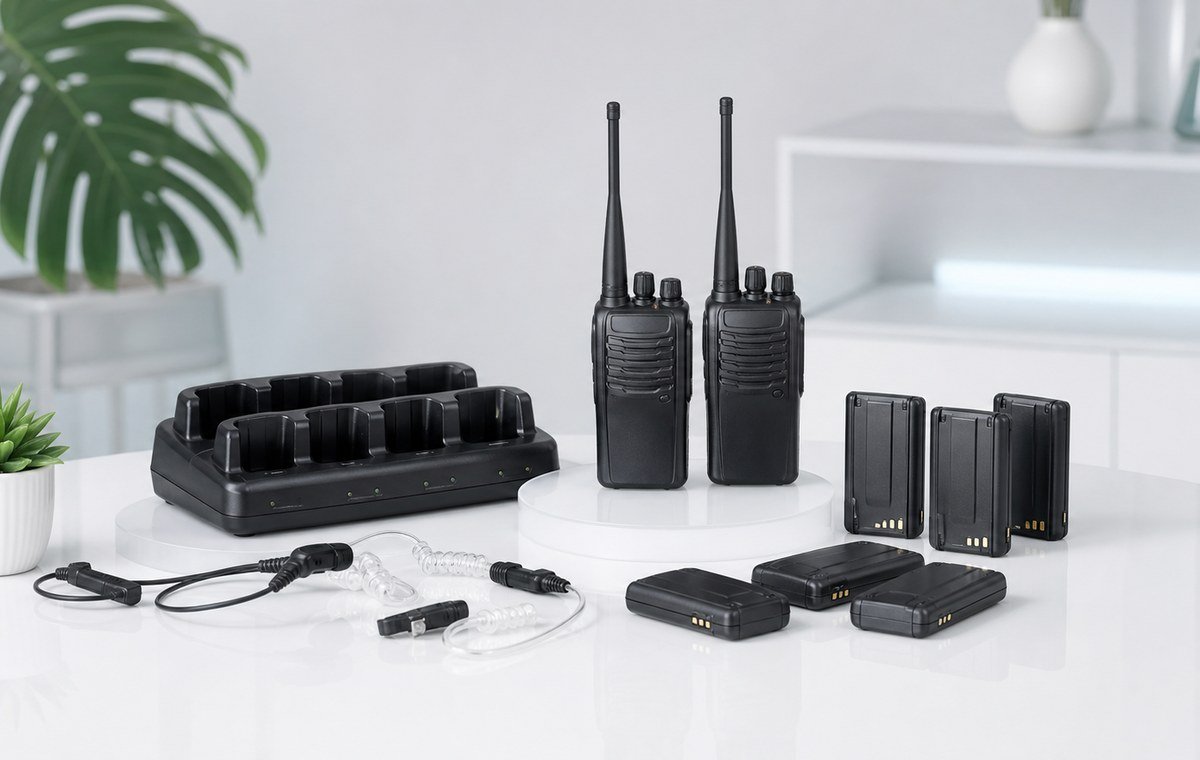
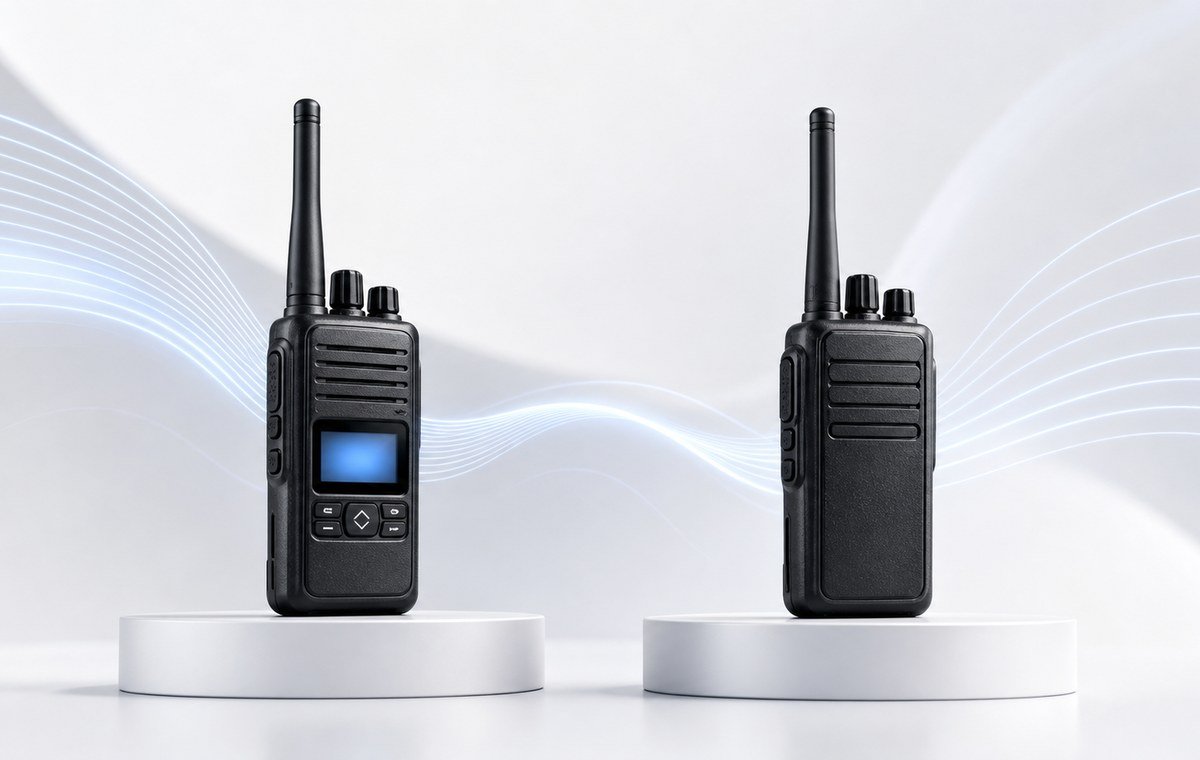
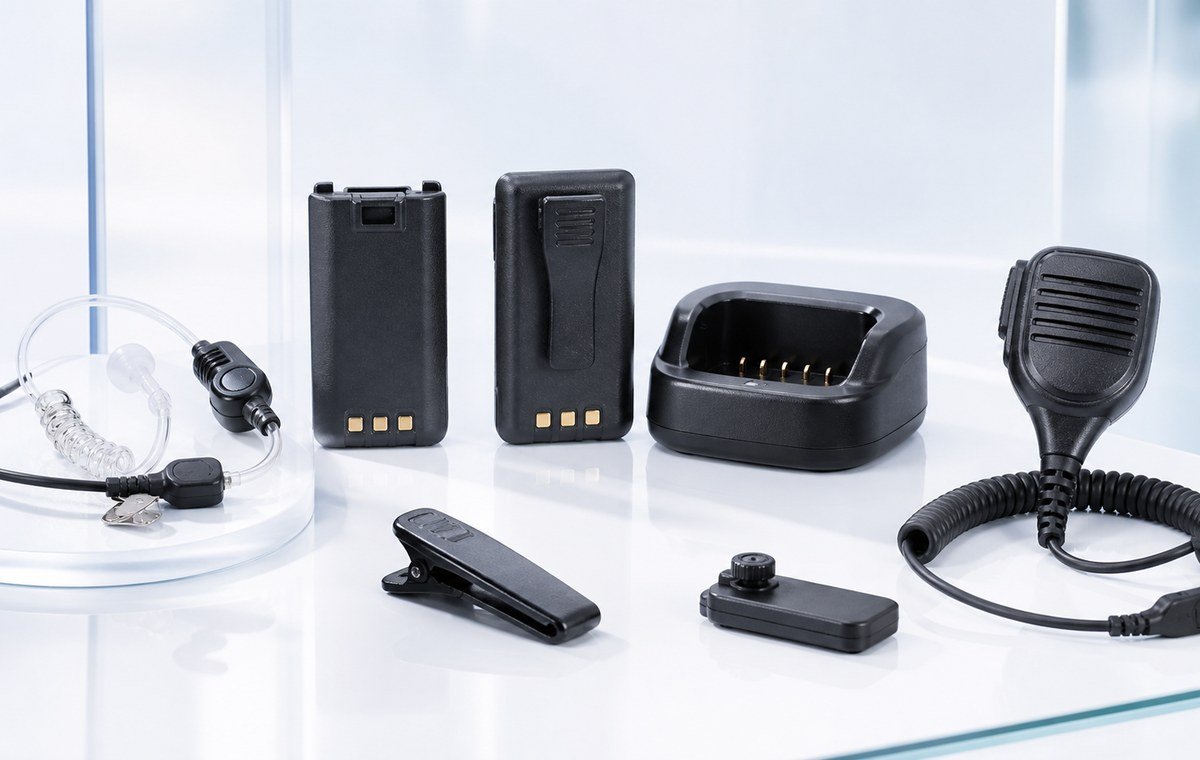
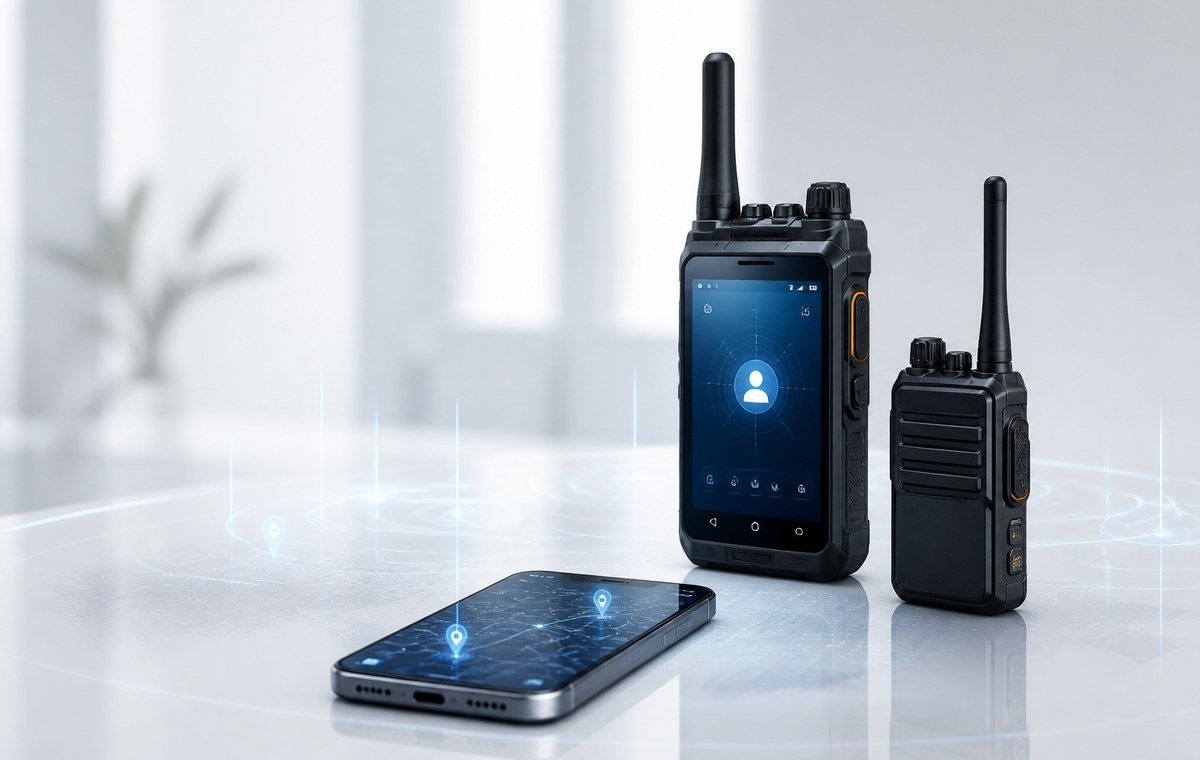
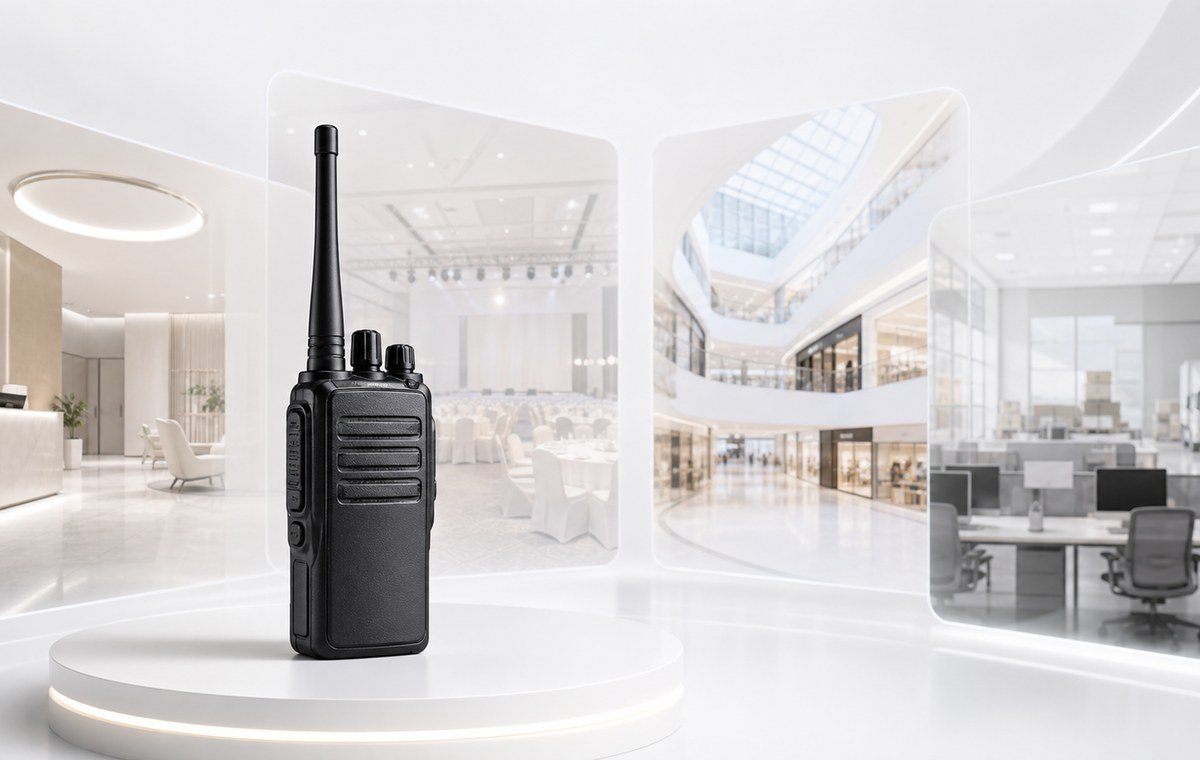
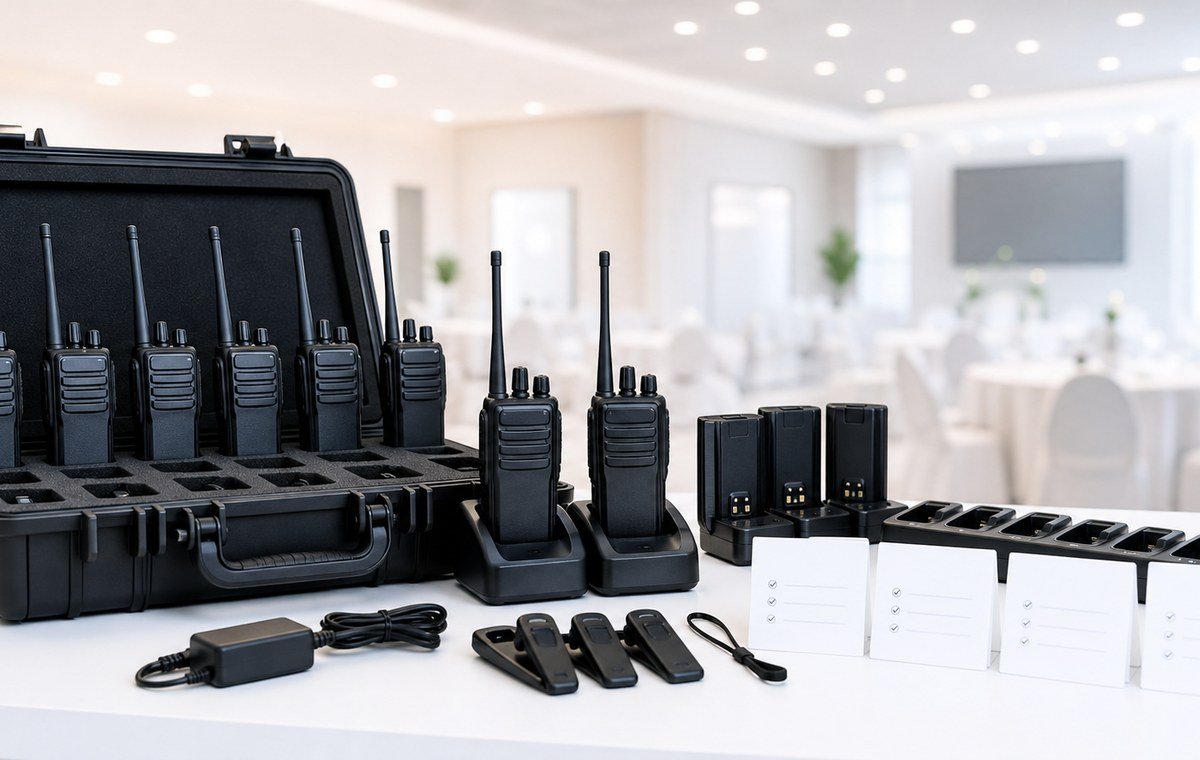
- The generated scene images illustrate an anonymized resort operations setting. The public proof image is the evidence asset: it keeps invoice number, date, equipment scope, quantities, totals and balance visible while company name, hotel name, email, address, PO and serial numbers stay private.
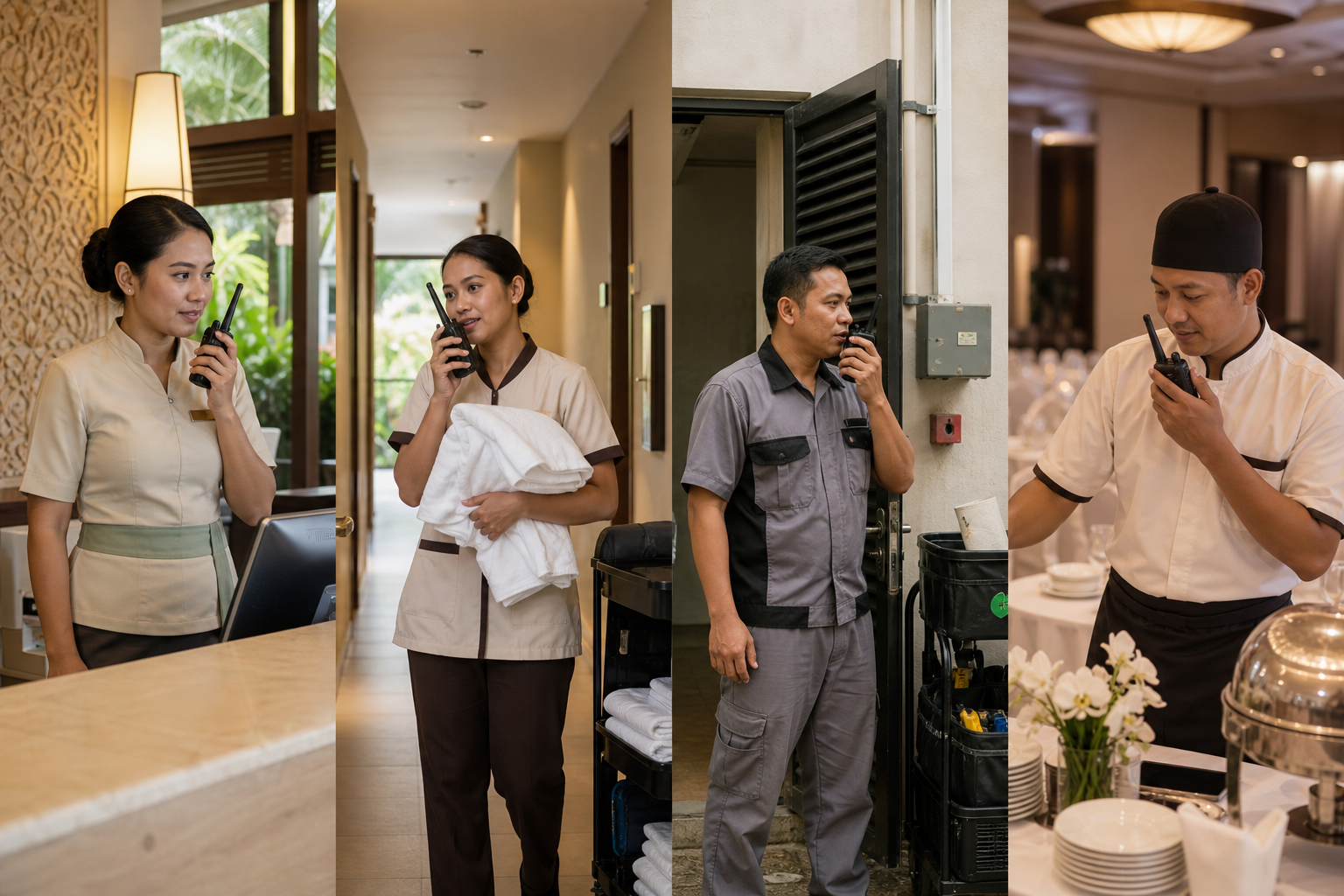
A resort radio upgrade has to satisfy operations, F&B, compliance and procurement at once.
“The radio plan has to work across departments, not only at the front desk.”
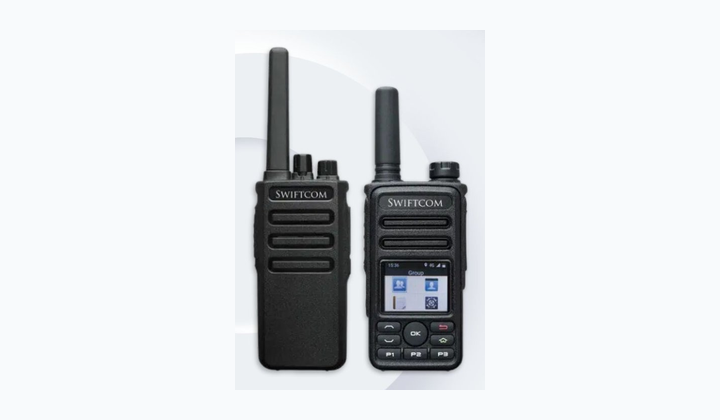
For operations, the important point is the split between 30 SC-680 department radios and 20 SC-F2 F&B radios. The invoice shows a fleet sized around real roles instead of a vague equipment request.
“Service teams need short, clean updates during meal periods, event setup and guest movement.”
For F&B, the story is about keeping restaurant, banquet, runner and support roles reachable without mixing every team into one noisy channel. The 20 SC-F2 radios and accessories give this department its own practical layer.
“The license and programming work matter because the team has to use the radios correctly after delivery.”
This invoice includes MCMC license items, application/runner support and onsite reprogramming after approval. That makes the story stronger than a simple box sale.
“The proof trail is clean: invoice number, delivery orders, scope, payment and zero balance.”
For procurement, INV-202603-022 provides the commercial backbone: RM51,010 total, balance RM0, clear equipment lines and service lines. The customer identity remains private while the buying facts stay specific.
Hotel radios fail when departments grow faster than the channel plan
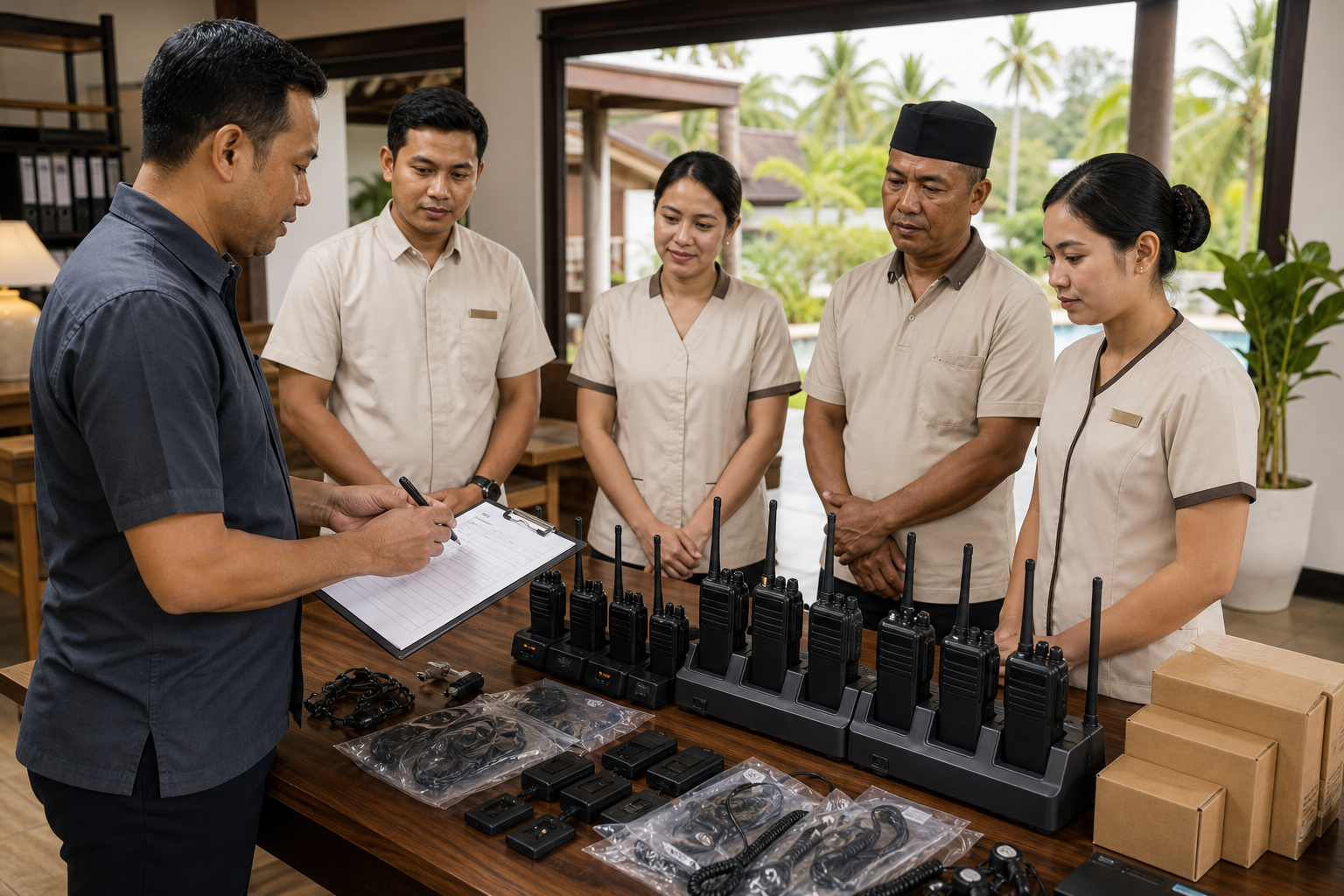
A resort team needs voice coverage across guest-facing and back-of-house spaces
A resort is not one room. It has reception areas, restaurants, rooms, service corridors, outdoor movement and support teams that need quick voice coordination.
- Department users need reliable radio habits during check-in, housekeeping, maintenance and guest support
- F&B users need their own practical communication layer for service flow and event setup
- Supervisors need enough issued units so staff do not share radios during busy periods
The radios also needed license and programming support
The invoice includes MCMC license items, application processing, runner work and onsite reprogramming. That matters because hotel users need a setup they can actually operate after approval.
- License support reduces the risk of teams using radios without a proper frequency path
- Onsite reprogramming helps the issued fleet match the approved channel plan
- A single invoice captures equipment, accessories, service and compliance work together
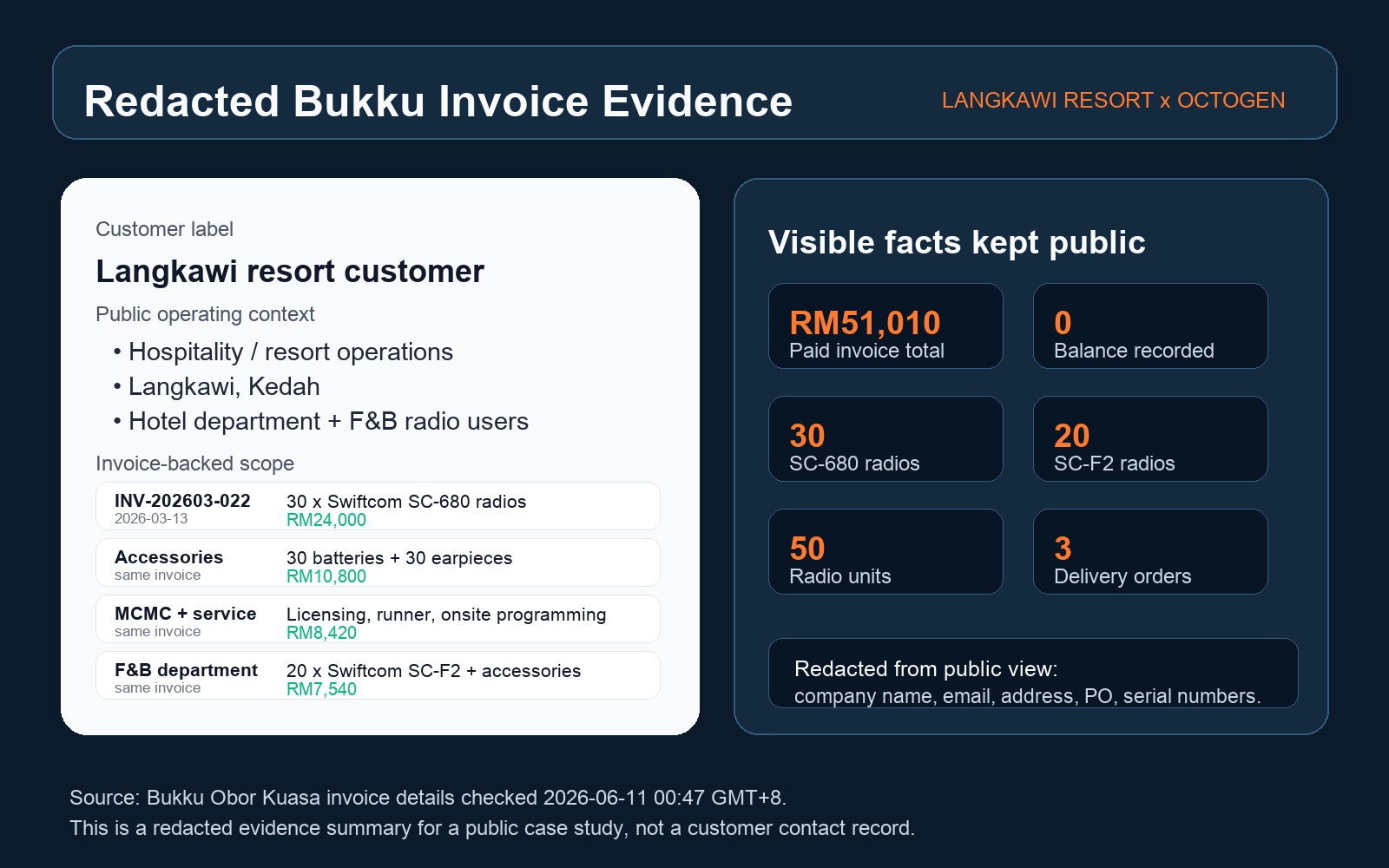
The invoice evidence keeps the story specific and safe to publish
This proof layer is built from Bukku invoice details. It keeps the buying facts that matter to hotel buyers visible while removing company name, email, address, PO and serial numbers from the public page.
- INV-202603-022, dated 13 March 2026: RM51,010 total and RM0 balance
- 30 x Swiftcom SC-680 radios plus batteries, earpieces, MCMC license support and onsite reprogramming
- 20 x Swiftcom SC-F2 radios plus F&B accessories recorded on the same paid invoice
The turning point was treating the resort as multiple communication groups instead of one generic radio purchase. The hotel department needed durable SC-680 radios, F&B needed a simpler SC-F2 layer, and the approved channel plan needed license and reprogramming work to keep the rollout usable.
Four practical steps turned the invoice into a working radio plan
The invoice line items show a staged approach: main department radios, accessory readiness, license support and a separate F&B layer.
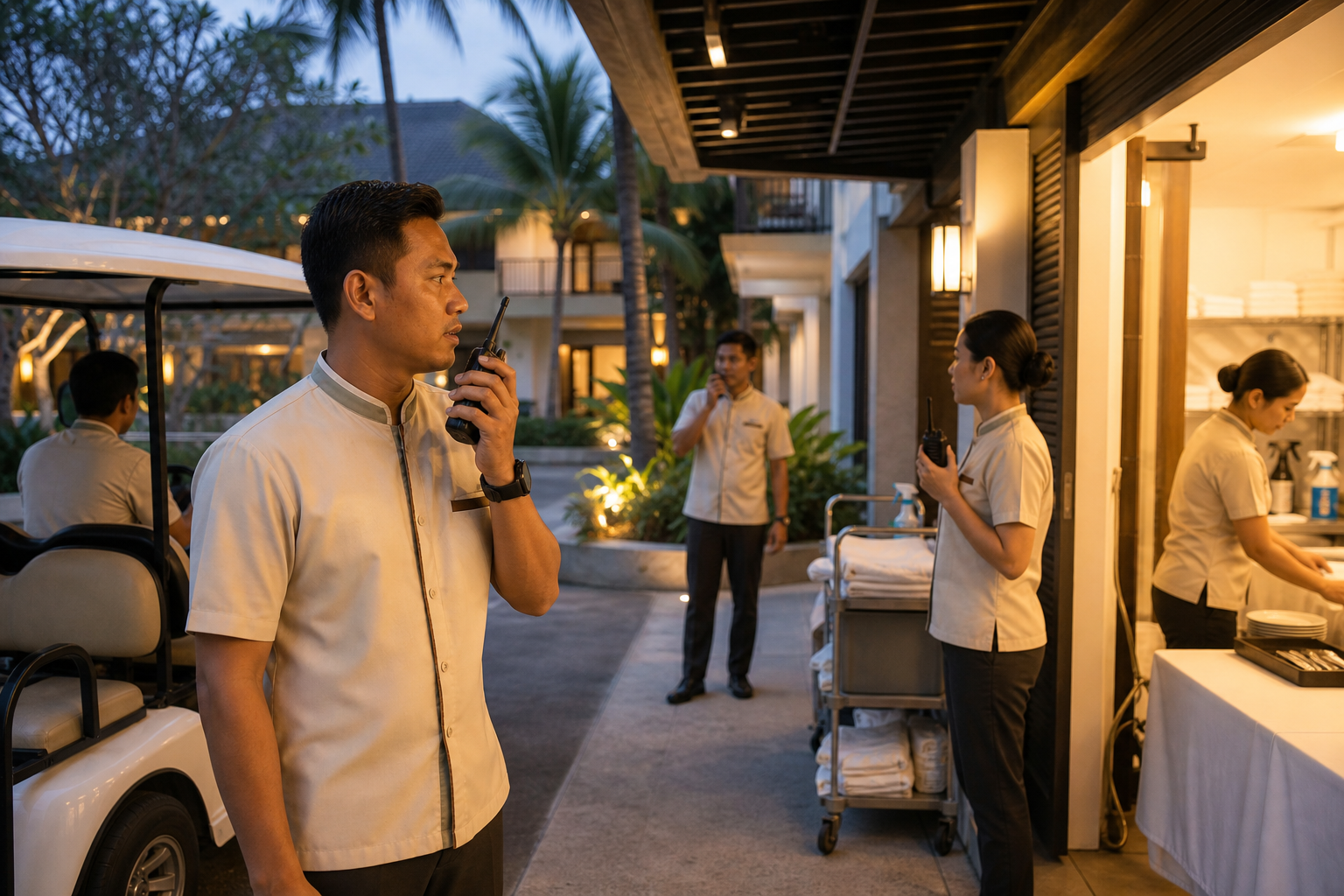
How the resort radio plan works during a busy operating day
The details below are a practical operating model based on the invoice scope, not a claim about private guest incidents.
50 radios – RM51,010 paid invoice – license and onsite programming included – customer identity withheld
From invoice scope to department-ready radio fleet
Main hotel department radios approved
- ModelSwiftcom SC-680 DMR digital and analog radio
- Qty30 units
- AmountRM24,000
- UseDepartment-level resort communication
Accessories and licensing close the usability gap
- Accessories30 batteries and 30 earpieces
- LicenseMCMC simplex license lines
- ServiceApplication/runner support
- ProgrammingOnsite reprogramming after approval
F&B receives its own radio set
- ModelSwiftcom SC-F2 PMR446 license free radios
- Qty20 units
- AccessoriesBatteries and earpieces included
- ProofSame paid invoice, RM0 balance
Langkawi Resort Radio Proof Scorecard
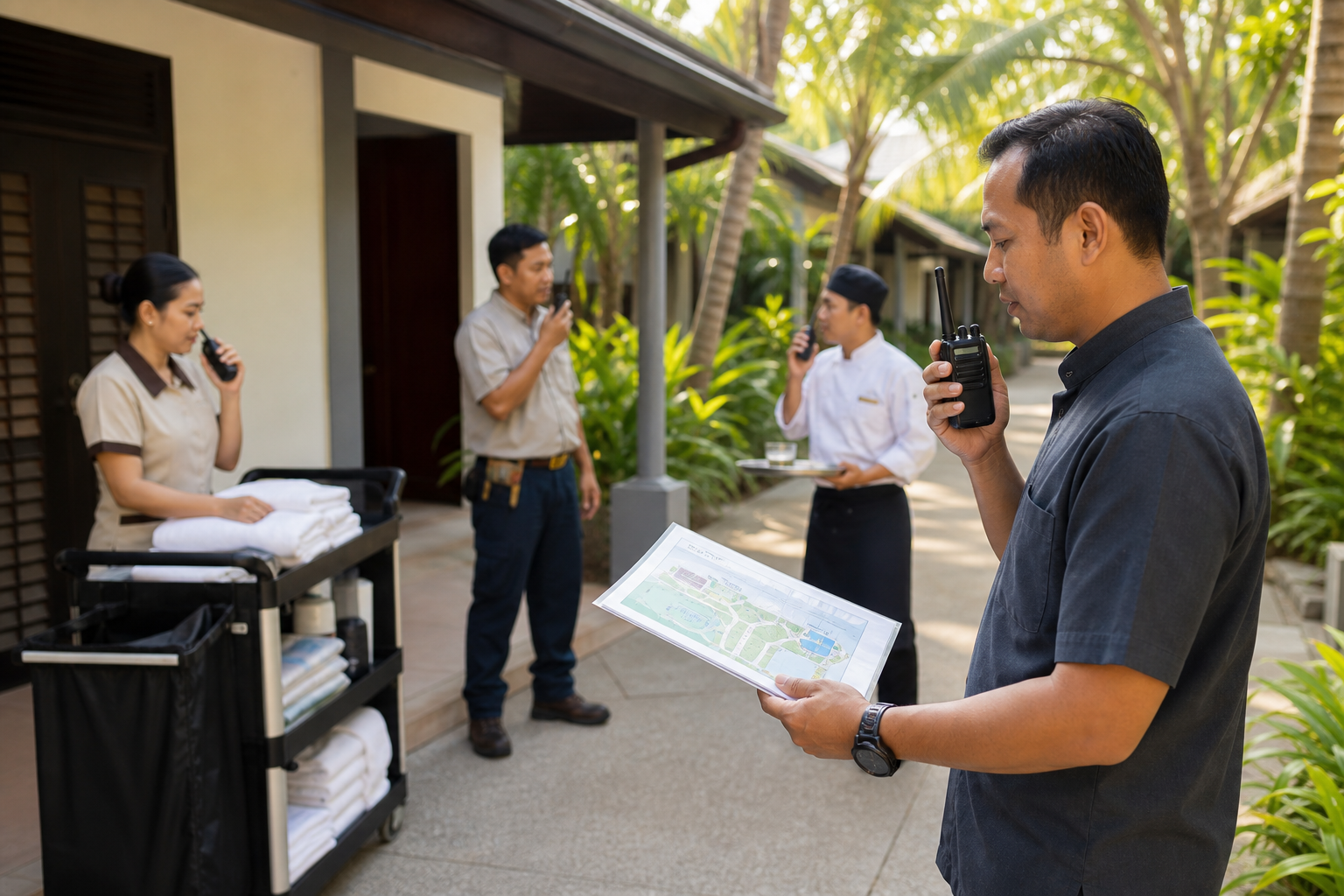
What the invoice proves
This is a real resort radio upgrade story built from Bukku invoice evidence. The lesson for hotel buyers is simple: plan the radio fleet by department, accessories, licensing and programming needs, not just by handset count.
Hotel and resort radio upgrade buying guide
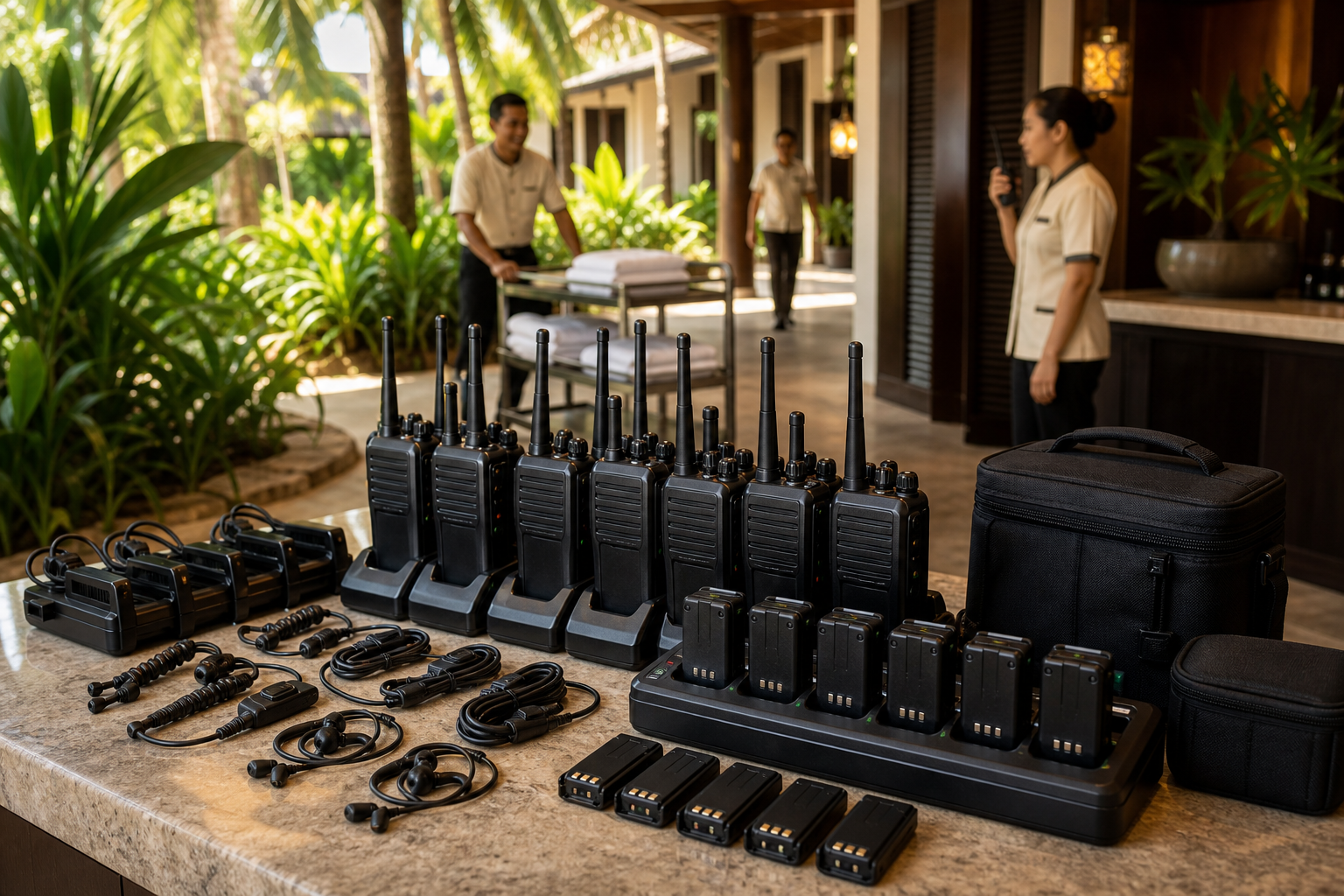
Plan the radio fleet around departments, shifts and license needs
Tell Octogen your hotel or resort layout, departments, F&B flow, expected radio users and whether you need MCMC license support. We will help size the fleet and accessories before your team depends on it.