


A small order with a precise specification.
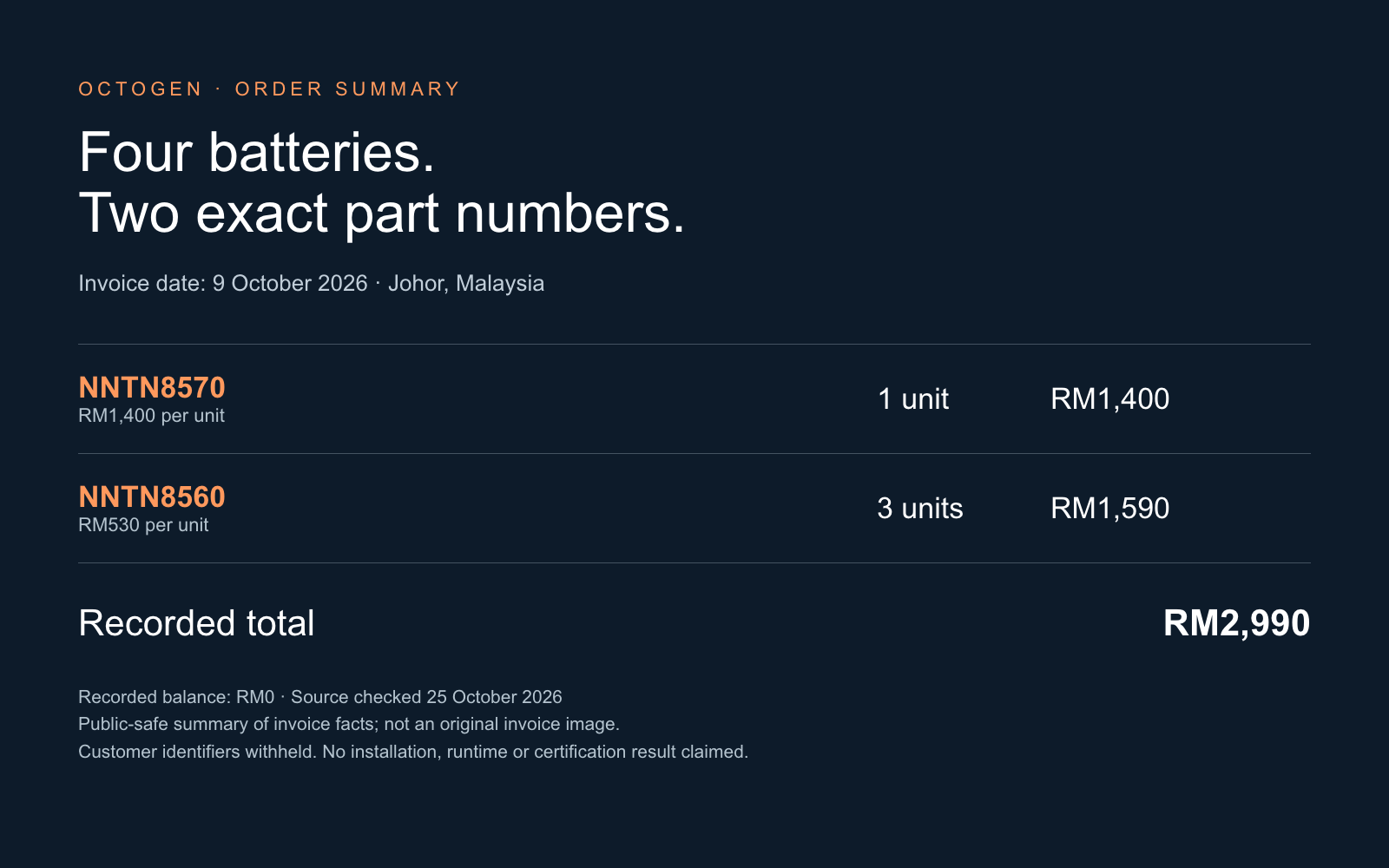
A 9 October 2026 invoice records one NNTN8570 battery and three NNTN8560 batteries for a Johor customer. The order totals RM2,990, with RM0 balance recorded when checked on 25 October. The case documents procurement, not a measured change in radio performance.
What changed after Octogen fixed it
- Problem
- A mixed radio fleet needs battery purchases specified by exact part number. Similar-looking batteries and different approval labels must not be treated as interchangeable.
- Result
- The itemised record lists 1 × NNTN8570 at RM1,400 and 3 × NNTN8560 at RM530 each: RM2,990 total, with RM0 recorded balance.
- Verification
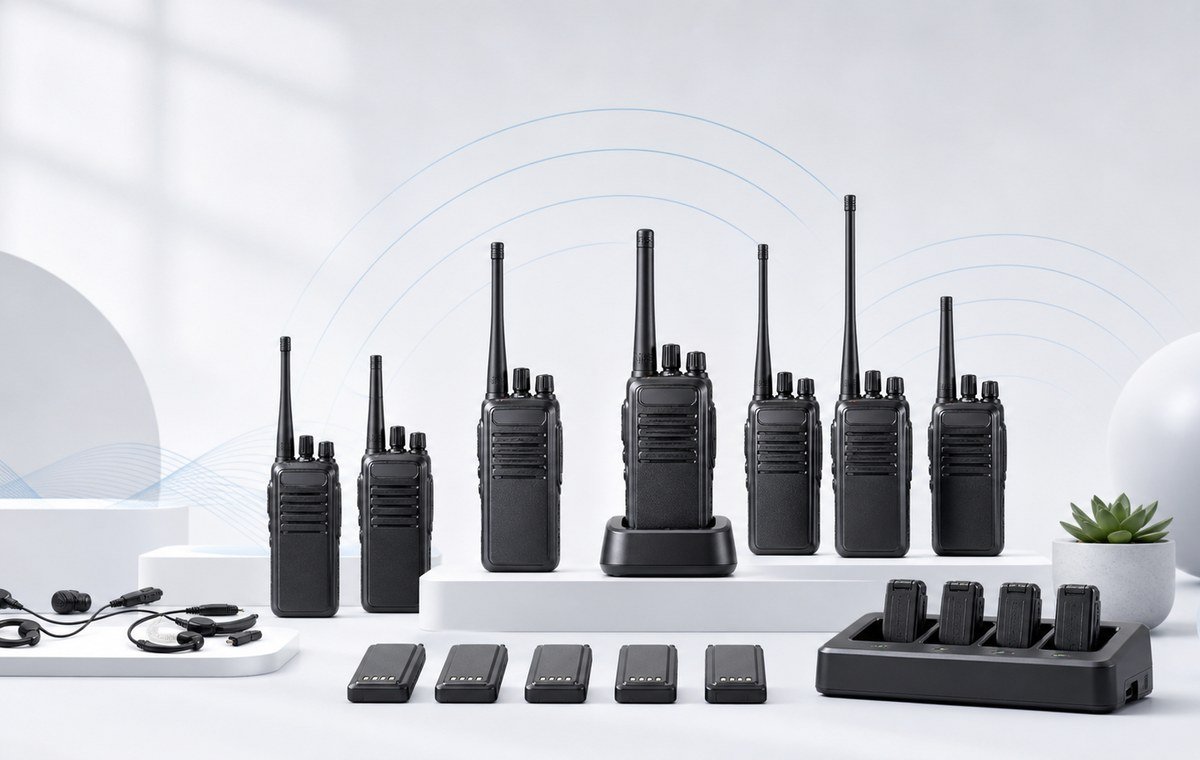
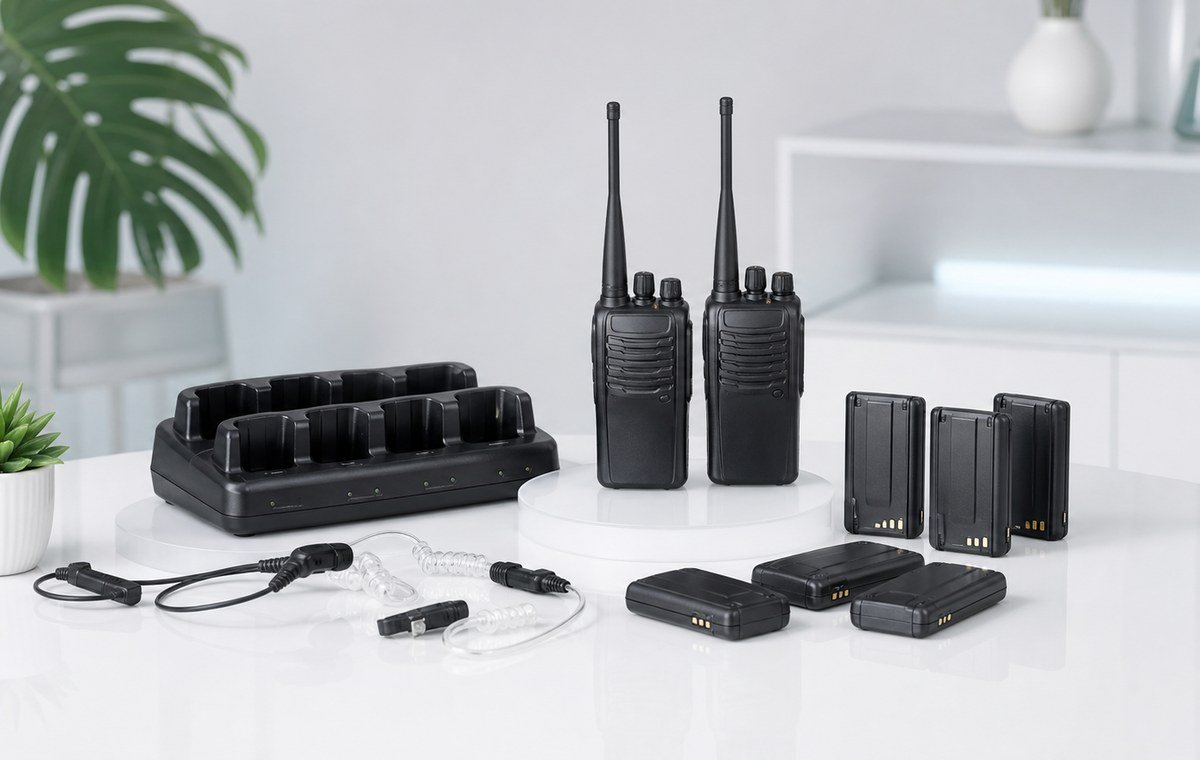
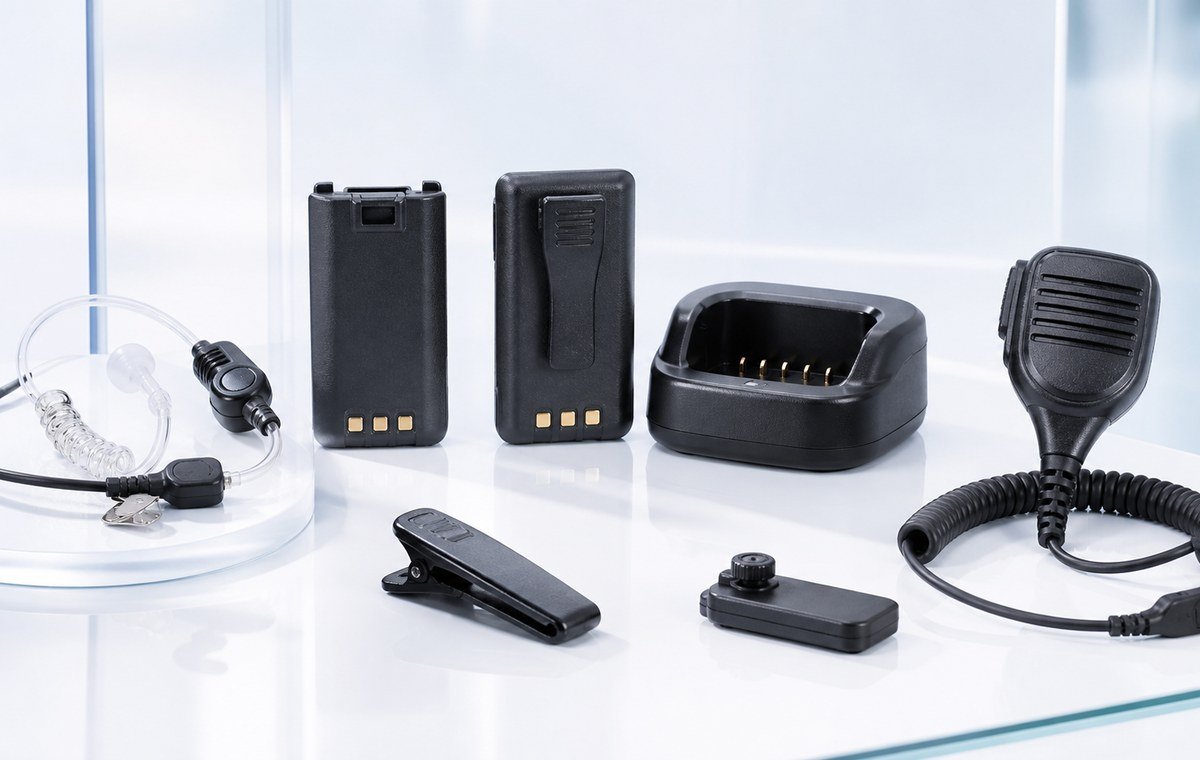
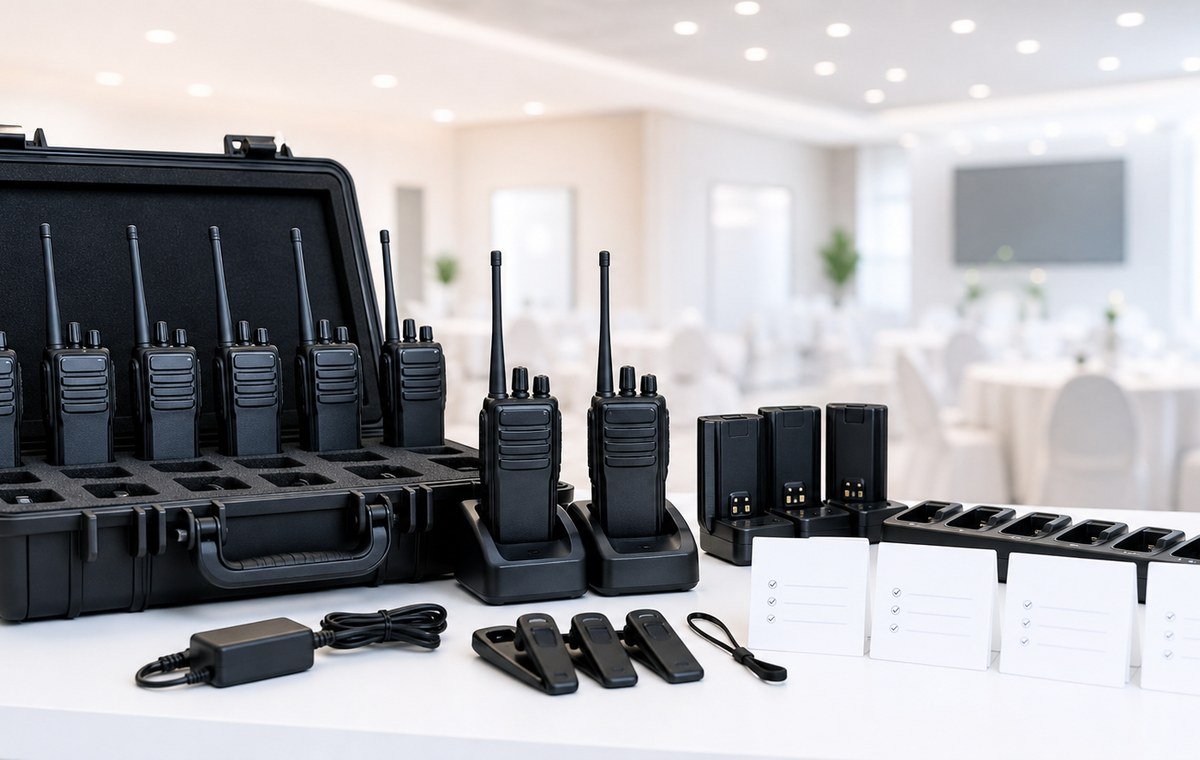
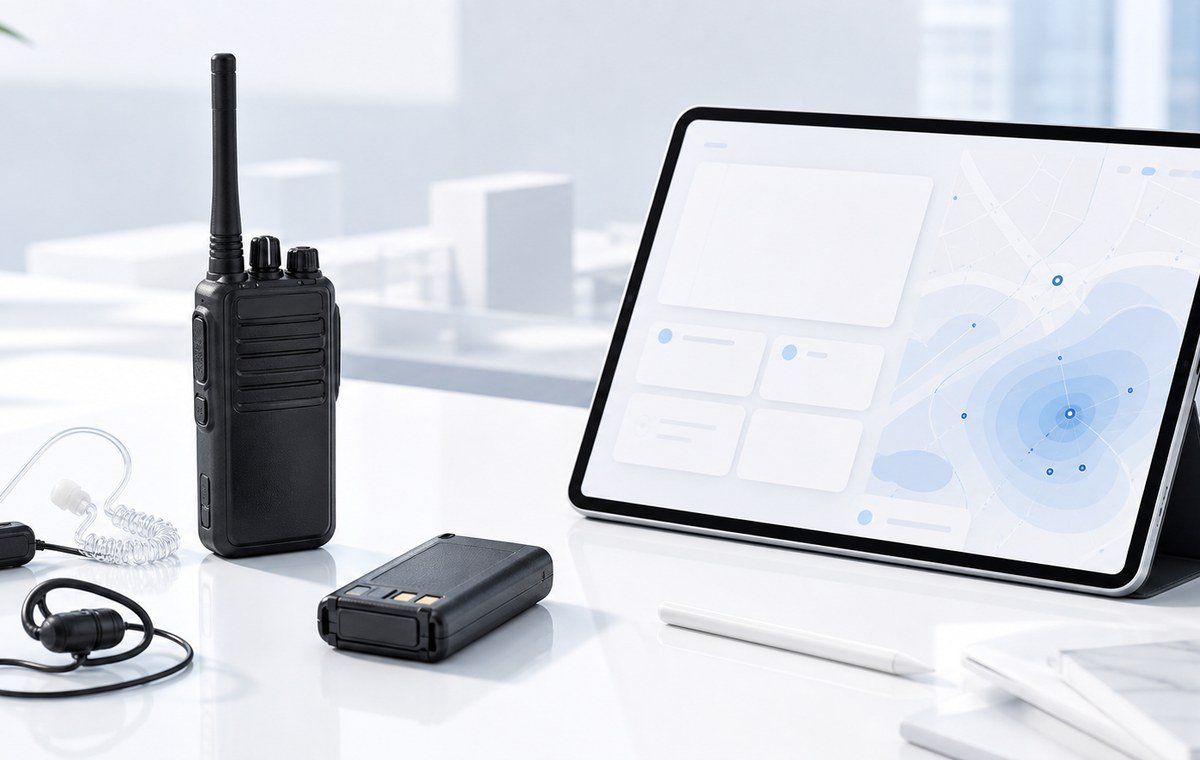
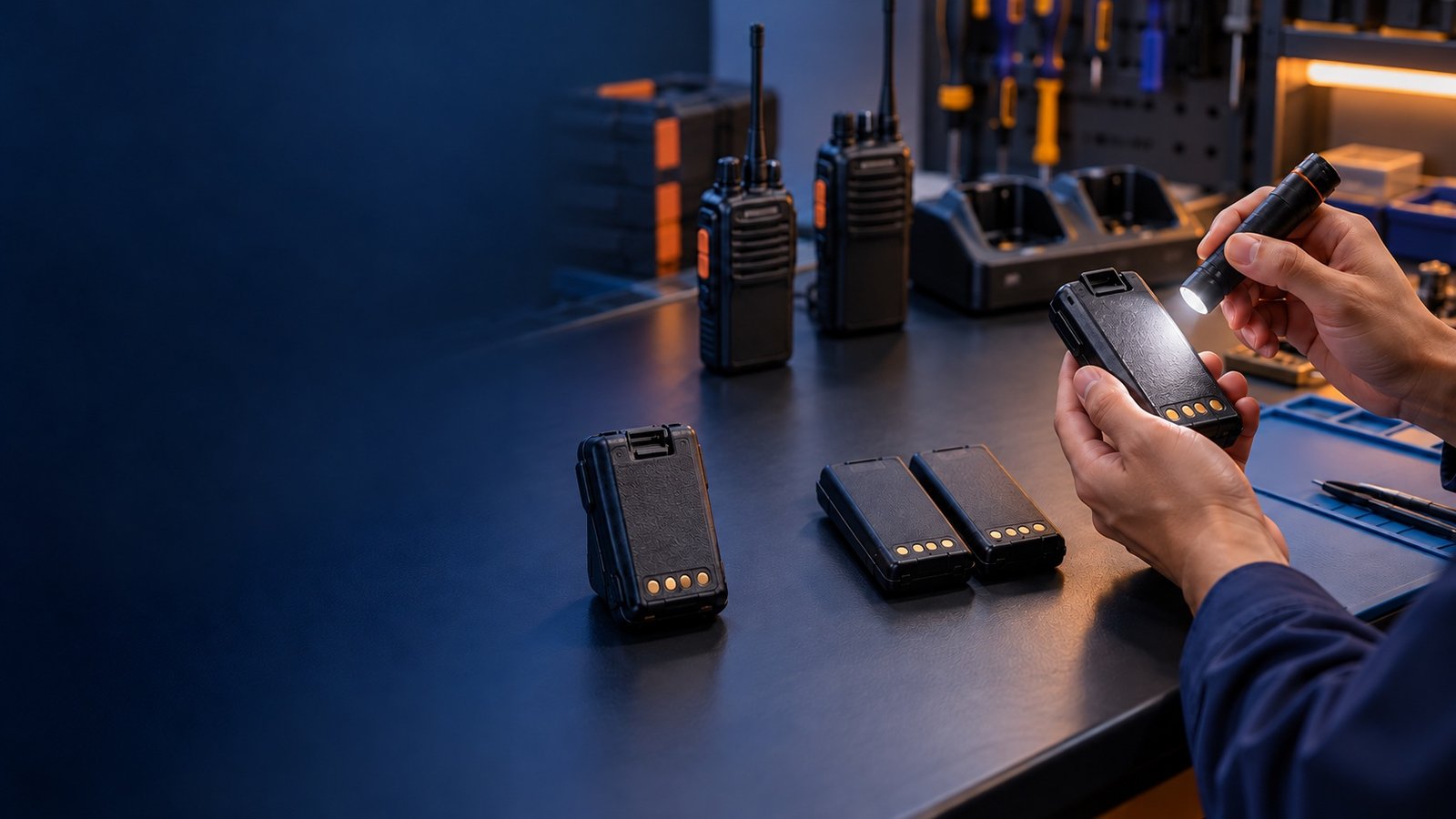
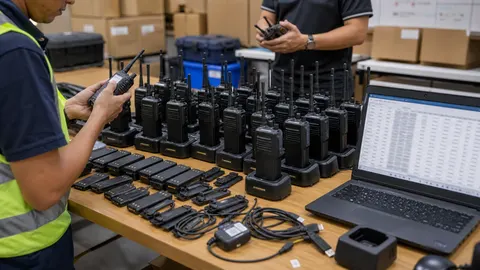
- Octogen Resources Bukku invoice read on 25 October 2026. It confirms the commercial record, not battery installation, runtime testing or a certified radio-battery combination. The workshop scene is an AI-generated illustration, not customer-site or exact-product photography. The order summary graphic is a public-safe presentation of invoice facts, not an original invoice image.
The purchasing question changes with your role.
“Start with the exact radios that need a battery.”
Record the radio model and existing battery label before asking for a replacement. This invoice identifies two battery part numbers; it does not say how many radios were in service.
“Keep quantity, part number and price together.”
One NNTN8570 is listed at RM1,400. Three NNTN8560 batteries at RM530 each account for RM1,590. These are historical line prices, not a current quotation.
“A model label is a starting point for verification.”
The invoice associates the lines with MTP8550Ex and XiR P8620 labels. Confirm the complete radio variant, battery suffix, charger and applicable approved-accessory documentation before use.
“A settled invoice is a commercial fact.”
The record shows RM2,990 invoiced and RM0 balance. It contains no time study, capacity test or evidence that the purchase reduced downtime.
Why a four-battery order still needs a clear brief.
Two part numbers need two order lines
The source records NNTN8570 and NNTN8560 as separate products. It does not establish that they can substitute for each other.
- 1 × NNTN8570
- 3 × NNTN8560
- Confirm the exact suffix before supplying a replacement
Check the full equipment combination
The invoice includes radio-model labels, while suitability and approval need the manufacturer documentation for the exact variant.
- Collect the radio and battery labels
- Identify the charger as well as the battery
- Review the applicable approved-accessory list
The invoice supports scope and balance
The order total is the sum of the two recorded line amounts. No operating improvement is inferred.
- RM1,400 + RM1,590 = RM2,990
- RM0 recorded balance
- No installation or runtime result claimed
This order is useful because it is specific. Instead of a generic request for radio batteries, the commercial record distinguishes two part numbers, two quantities and two unit prices. Those details make a replacement enquiry easier to check.
Four checks to prepare a battery enquiry.
This is a buyer checklist informed by the invoice and manufacturer guidance, not a reconstruction of the customer’s private workflow.
Two battery lines, one documented total.
These panels show recorded purchasing quantities and a suggested enquiry checklist. They are not telemetry or a report of customer operations.
This board separates the evidence layers buyers need to read before turning an order into a deployment claim.
4 batteries · 2 part numbers · RM2,990 total · no runtime or installation result claimed
Keep the purchasing facts separate from later checks.
One NNTN8570 battery
- Quantity1 unit
- Unit priceRM1,400
- Line amountRM1,400
Three NNTN8560 batteries
- Quantity3 units
- Unit priceRM530
- Line amountRM1,590
Keep acceptance evidence separately
- InspectCheck delivered labels and condition
- ConfirmVerify radio and charger combination
- RecordRetain inspection and test results
What the record establishes
What can be stated from this order.
For a radio battery enquiry, the useful starting point is the label: exact radio model, battery part number and suffix, charger, quantity and operating environment. A similar shape or approval acronym does not establish that a replacement is suitable.
Things you probably want to know
Plan a battery or accessory requirement
Plan a similar radio requirement
 Planning & servicesCompare radio and accessory optionsPrepare exact part numbers and quantity for a compatibility review.
- Planning & servicesRadio repair and fleet servicing in MalaysiaAsk for an assessment when battery symptoms may involve the radio or charger.
- Case study collectionBrowse all Octogen case studiesCompare other documented radio, accessory and infrastructure orders.

Compare related customer orders

Manufacturer and technical references
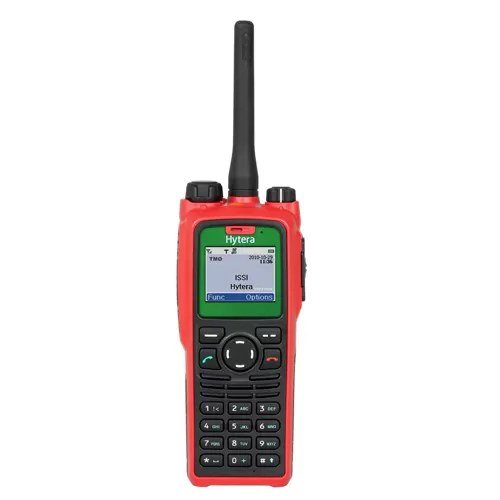
- Illustrationmotorolasolutions.comMotorola Solutions: TETRA accessory catalogueManufacturer product reference for the MTP85x0Ex family and NNTN8570 battery series. Consult the exact approved-accessory documentation before use.
- Illustrationmotorolasolutions.comMotorola Solutions: MOTOTRBO accessory catalogueHistorical manufacturer catalogue with battery part numbers, including NNTN8560. Confirm the current exact model and suffix approval before ordering.
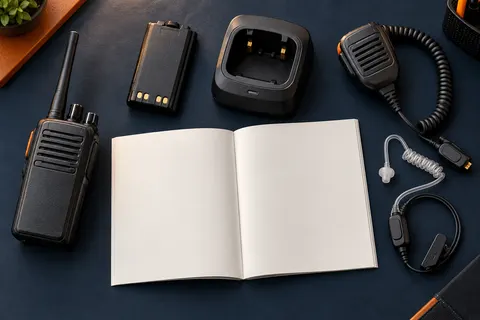
Manufacturer documents provide product and safety context. They do not verify the customer order or establish approval for an unspecified equipment combination. The workshop scene is an AI-generated illustration, not customer or exact-product photography. The order-summary graphic presents invoice facts and is not an original invoice image.
Bring the labels. Get the specification clear.
Send the radio model, battery part number, charger details and quantity for a current quote.