

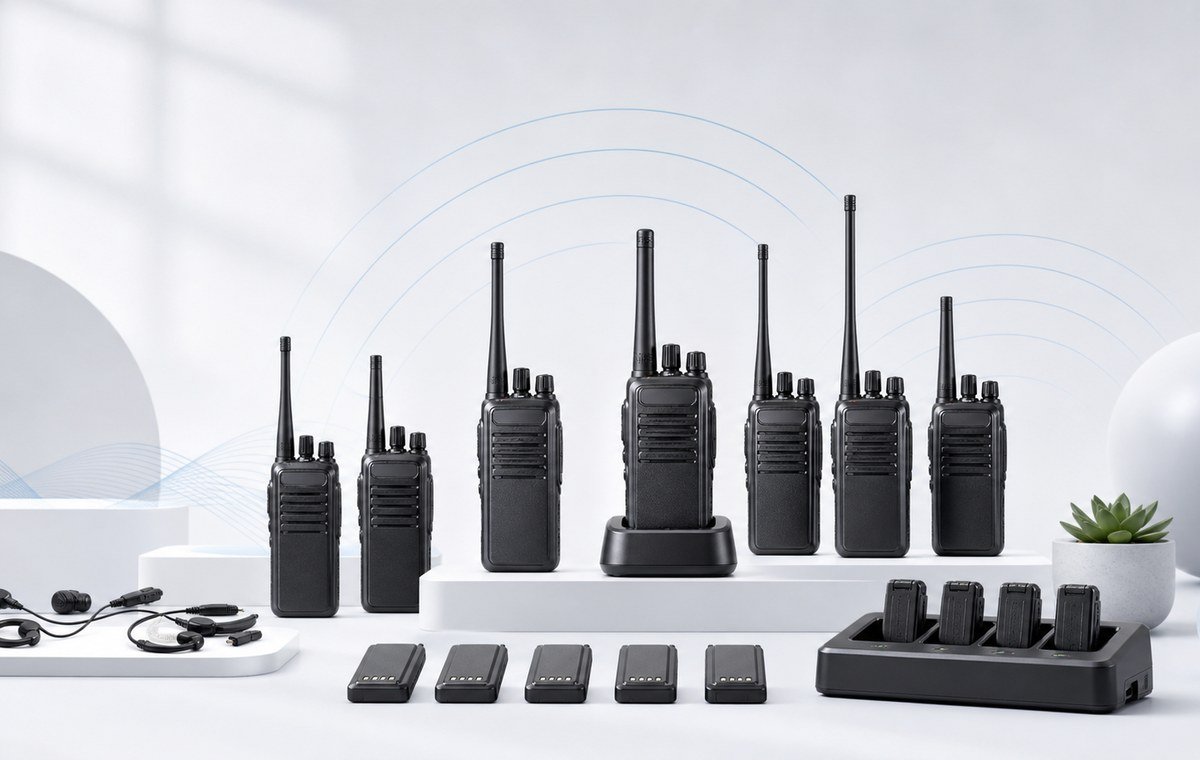
A Better Radio System.
The paid Bukku invoice shows the real buyer lesson: this industrial team invested RM61,725 in speaker microphones, hardhat headsets, chargers and carry protection because the radio is only useful when workers can hear, wear, carry and charge it properly.
What changed after Octogen fixed it
- Problem
- The buyer already understood that handheld radios alone do not solve industrial communication. Workers also need a clear audio path, PPE-compatible headset use, protected carry and charging discipline.
- Result
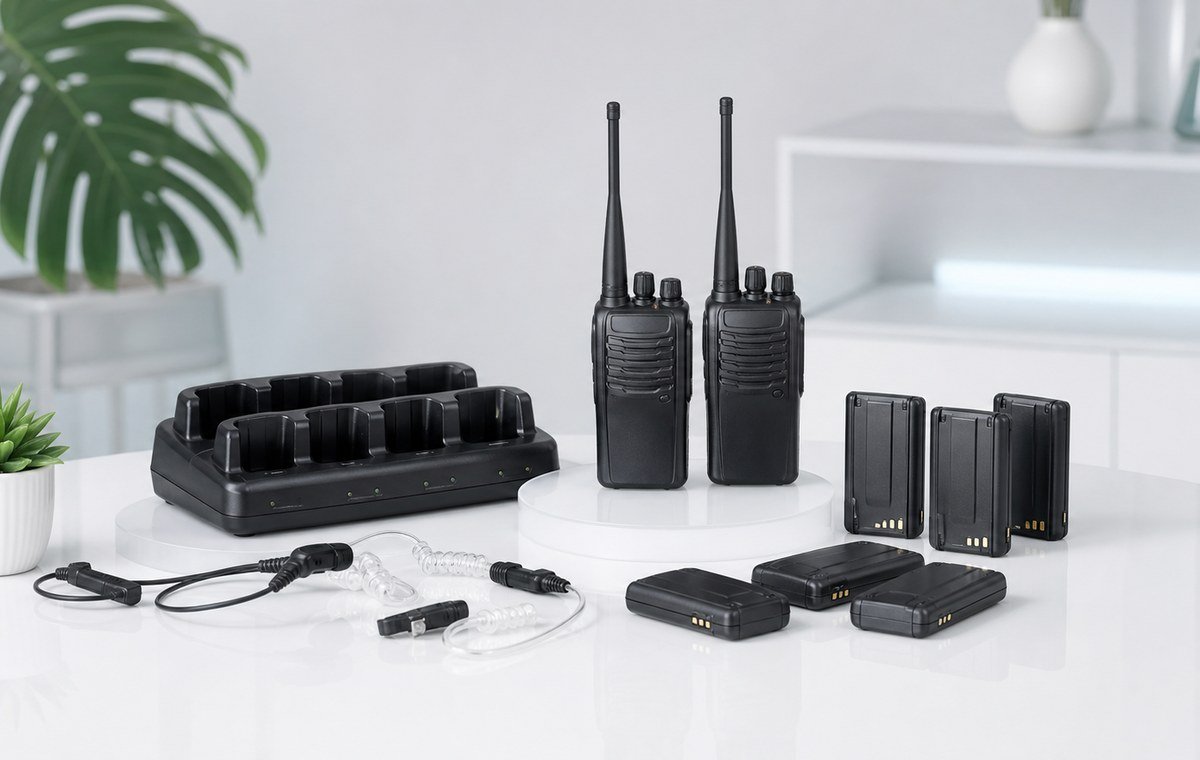
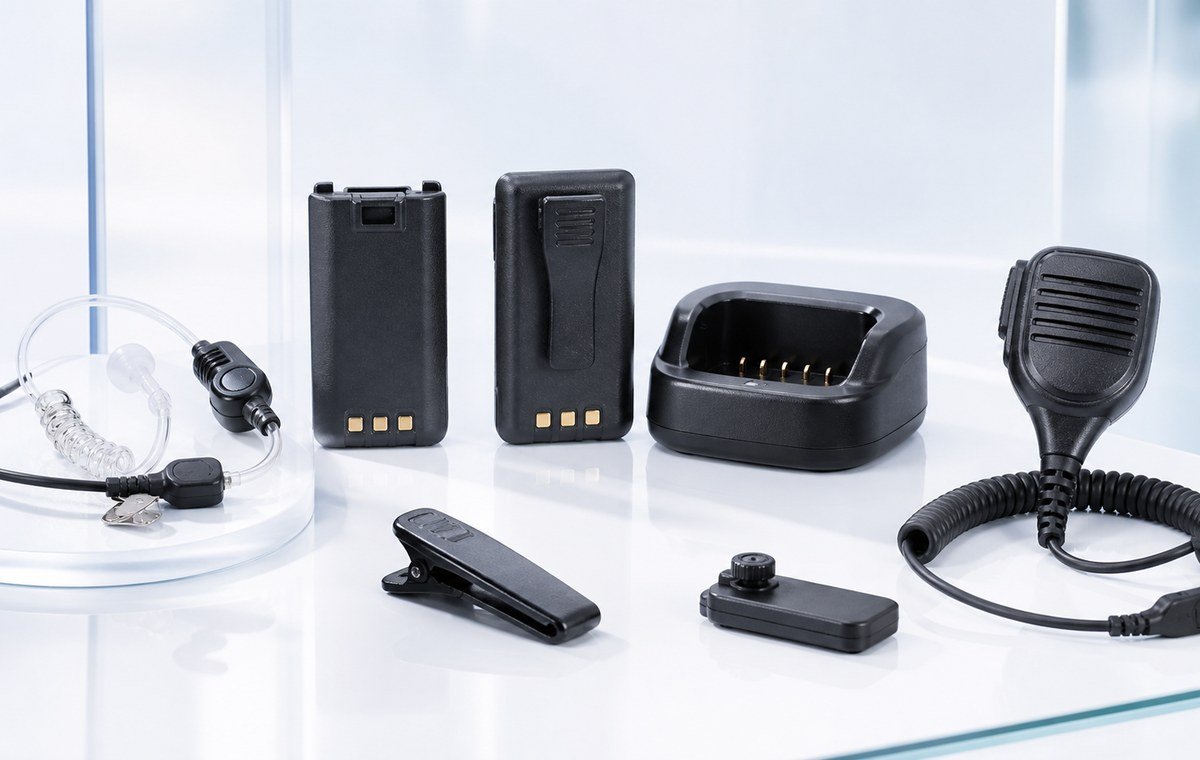
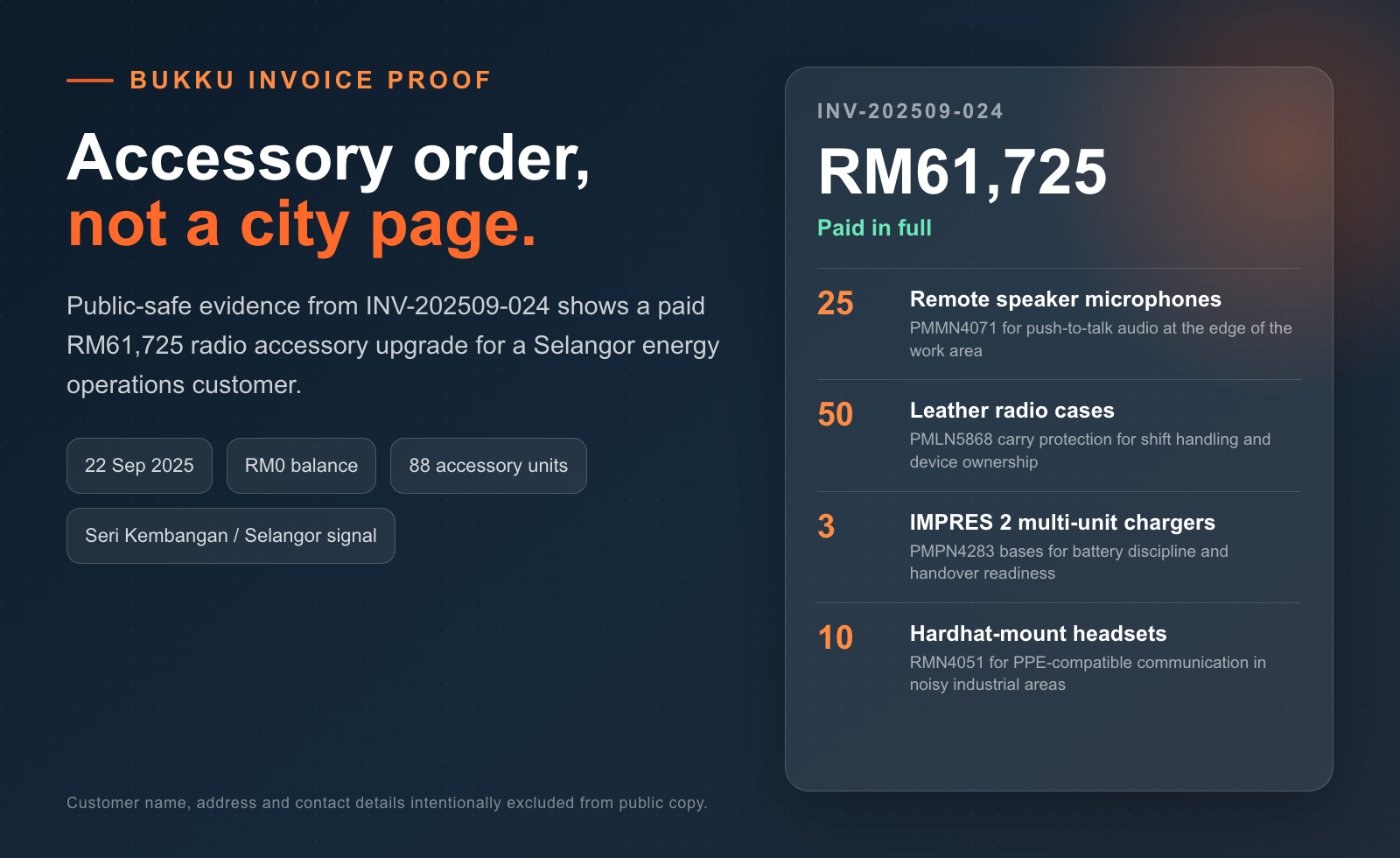
- A paid RM61,725 order covered 25 remote speaker microphones, 50 leather cases, 3 IMPRES 2 multi-unit charger bases and 10 hardhat-mount headsets.
- Verification
- Confirmed from Bukku invoice INV-202509-024 dated 22 September 2025, status ready, balance RM0. Public copy excludes the real customer name, address and contact details.

A radio accessory order looks different depending on your job.
“I do not only need radios on site. I need people to answer while moving, hearing warnings and keeping both hands free when the job needs it.”
For operations, the useful part of this case study is the accessory mix. Remote speaker microphones and hardhat headsets turn a radio fleet from a device purchase into a working communication system.
“A safety call that cannot be heard because of noise or PPE is not a completed communication system.”
For safety teams, the hardhat headset count matters because it shows PPE was part of the plan. The radio is not treated as a loose gadget; it is fitted into how people actually work.
“If radios are dead, loose, or clipped badly, the team will blame the radio even when the real failure is charging and carry discipline.”
For maintenance and shift supervisors, the chargers and leather cases are the quiet proof. They reduce the everyday friction that makes a good radio fleet feel unreliable.
“The invoice makes more sense when each accessory answers a work condition, not when it reads like optional extras.”
For procurement, this is the difference between buying add-ons and buying operational readiness. The RM61,725 paid order gives a concrete benchmark for what a serious accessory upgrade can include.
Why this accessory order helps another industrial buyer plan better
The radio can work perfectly and still fail the worker.
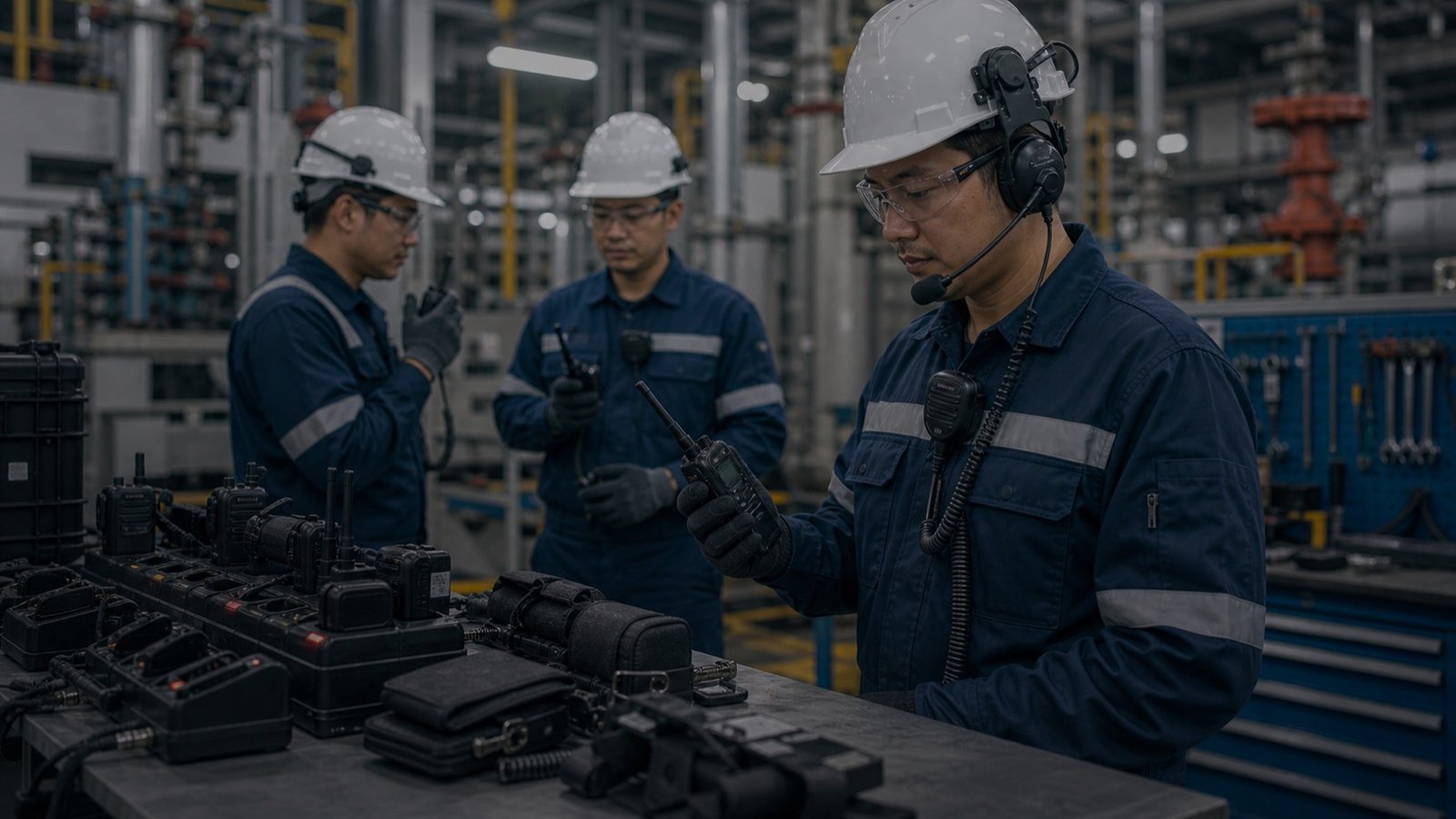
In industrial operations, radio performance is not only about range. If the worker cannot hear the call, reach the push-to-talk button, or speak clearly while wearing PPE, the communication system still breaks at the human edge.
- 25 remote speaker microphones point to a need for easier push-to-talk use on the body, not only handheld operation
- Hardhat-mount headsets show the team considered PPE and noisy work areas before treating accessories as optional
- The useful takeaway is the work condition: noisy industrial workers often need speaker microphones or headsets, not only another handset
Most radio failures feel technical, but many start with storage, carry and charging.
A mature buyer does not only ask how many radios are needed. They ask where radios sit during the shift, how they are protected, who owns charging and what happens at handover.
- 50 leather cases suggest the fleet needed carry protection and easier device ownership across shifts
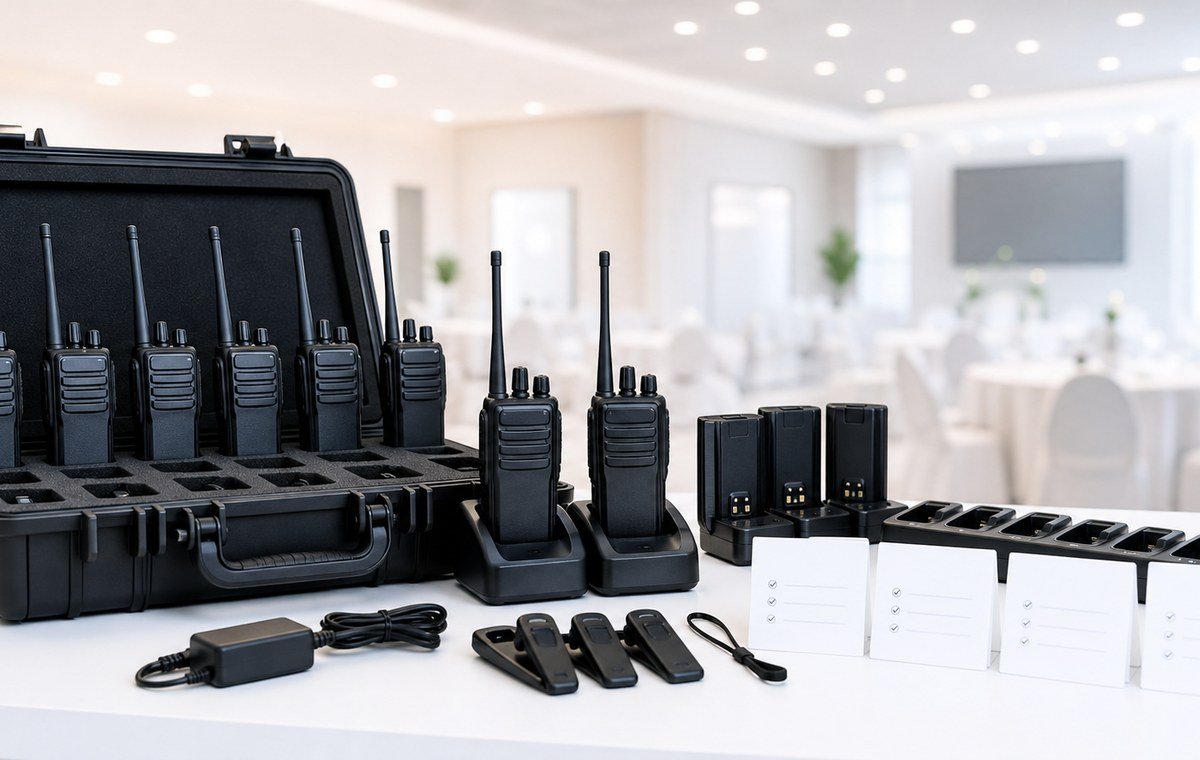
- 3 IMPRES 2 multi-unit charger bases support charging discipline instead of one-by-one cable clutter
- This gives another buyer a practical checklist: carry, charge, label, assign and inspect before blaming coverage
The strongest page proof is not a place name. It is the accessory logic.
Many supplier pages say they can serve an industrial area, but they do not help a buyer decide what to order. This case is stronger because it shows a real paid order and the actual accessory categories a buyer used to make radios workable in an industrial environment.
- Invoice INV-202509-024 was dated 22 September 2025 and marked with RM0 balance
- The total invoice amount is RM61,725; the page does not force individual line amounts to equal a simplified public total
- The public story keeps the customer anonymous while preserving the decision facts that help another buyer plan
The useful shift is simple: stop treating accessories as an afterthought. In this invoice, the buying decision is not about adding random extras; it is about making the radio fleet usable through noise, PPE, shift movement, battery handover and daily handling.
4 accessory decisions that made the radio fleet usable
Octogen's buyer-facing lesson from this order is a practical planning sequence: audio first, PPE fit second, carry discipline third and charging readiness fourth. Click each step to explore.
What a serious accessory plan covers
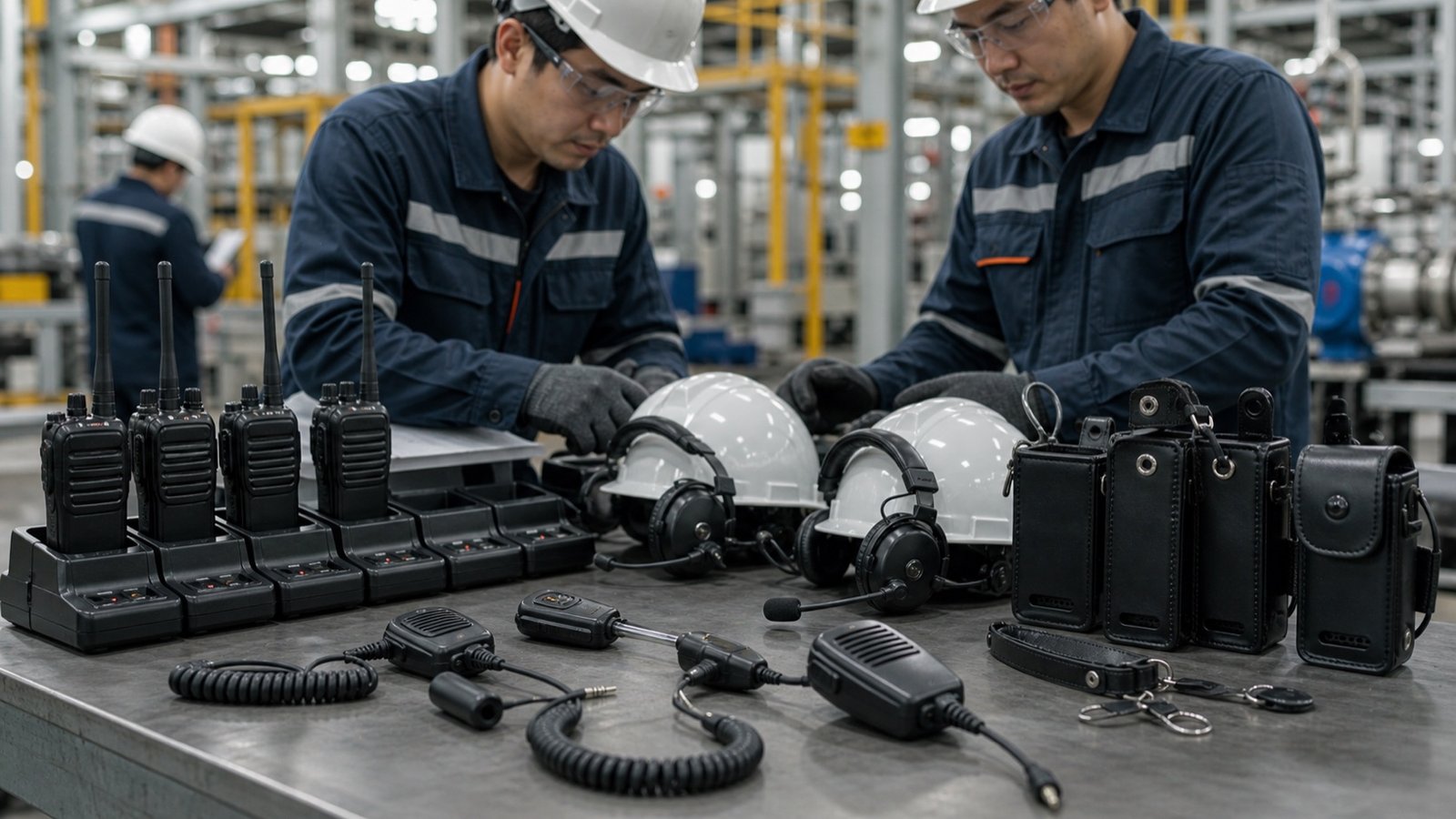
This is not a simulated product bundle. The categories below come directly from the paid invoice and translate into a practical buyer checklist for industrial radio planning.
88 accessory units · RM61,725 paid · 4 product categories · worker-ready radio use
How another industrial buyer can use this story
Start with the worker
- AskWho needs to talk while moving?
- CheckWhich roles wear hard hats, gloves, masks, or eye protection?
- ListenWhere is the environment noisy enough to affect speech?
- DecideWhich users need RSMs or headsets instead of handset-only use?
Plan ownership and charging
- CarryUse cases or clips so radios stay protected and assigned.
- ChargeUse multi-unit chargers to avoid scattered cable charging.
- HandoverDefine who checks radios at shift start and end.
- ReplaceKeep accessory wear-and-tear visible before it becomes a radio failure.
Build a better quote
- ListRadio model, user roles, work zones and PPE requirements.
- CountHow many speaker mics, headsets, cases and charger slots are needed.
- ValidateAsk whether the accessory mix fits real site use.
Invoice-Backed Facts
The numbers show a system, not loose accessories
This case is useful because it shows what many radio quotes miss. The buyer did not only need more devices; the team needed a way to hear calls, wear audio safely, protect radios and keep charging under control. That is the difference between a radio purchase and a radio system.
Things you probably want to know
Related cases and planning resources
Plan a similar radio requirement
 Planning & servicesCompare radio and accessory optionsReview the product range, then confirm exact model and accessory compatibility with Octogen.
- Planning & servicesCheck radio repair and fleet servicing optionsPrepare the radio model, symptoms and accessory requirements for a service assessment.
- Case study collectionBrowse all Octogen radio case studiesCompare rental, radio supply and fixed-system requirements across other documented cases.

Compare related customer orders
- Customer case6 Demo Units. RM4,800 Paid.A Miri, Sarawak HVAC buyer purchased 6 Motorola MOTOTRBO XiR P6600i TIA UHF demo units from Octogen, backed by Bukku invoice INV-202604-0XX for RM4,800 with clear no-return sale terms.
- Customer case4 Batteries. 2 Part Numbers. RM2,990.Compare an October 2026 Johor battery order: one NNTN8570, three NNTN8560 and RM0 recorded balance, with exact-part-number procurement checks.
Manufacturer and technical references
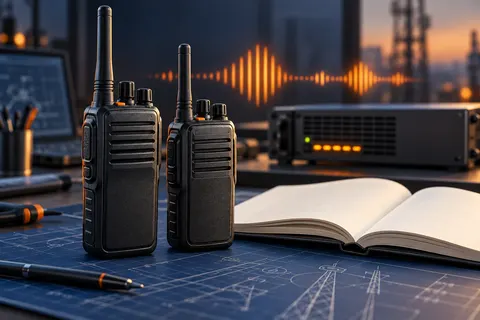
These technical references explain products or radio principles. They do not independently verify this customer order, measured site coverage or commissioning. Product variants and local requirements need confirmation.
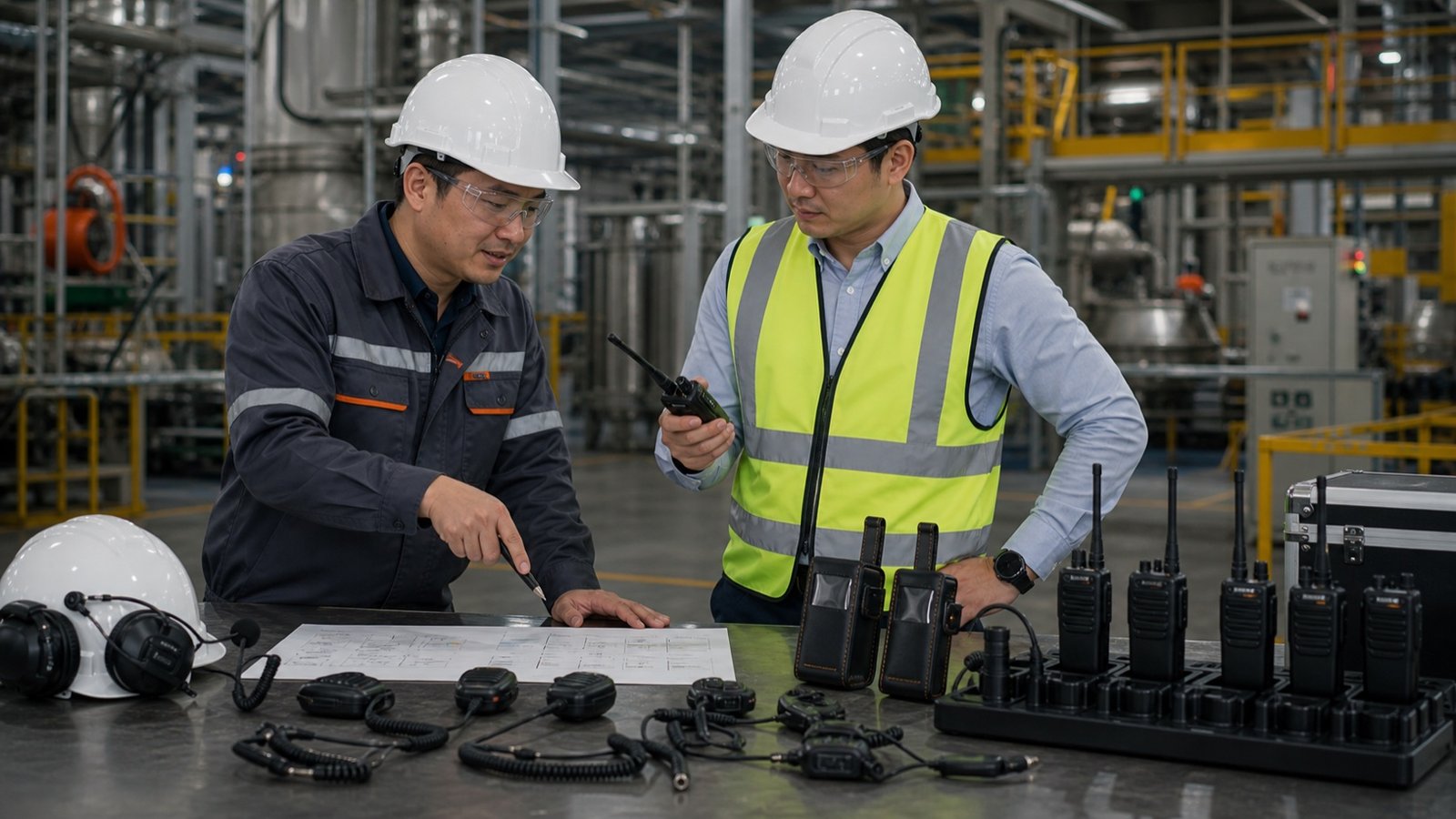
Make the radio fit the worker
Tell Octogen where your team works, what PPE they wear and how shifts hand over. We will help you choose the radio accessories that make the system usable.