
Walkie Talkie Repeater Malaysia: When Does Your Site Need One?
A practical Malaysia guide for factories, high-rise buildings, campuses, resorts, logistics yards, and large event sites that need radio coverage beyond simple handset-to-handset communication.
Carry radio traffic beyond direct handset range when the site is too large or blocked.
Plan clearer talk groups for security, operations, maintenance, and emergency response.
Test lifts, stairwells, loading bays, parking areas, and guard posts before installation.
Fit the system to Kuala Lumpur, Klang Valley, Johor Bahru, Melaka, Penang, or multi-site operations.
When do you need a walkie talkie repeater?
You usually need a repeater when the team can hear some users clearly but loses communication across distance, floors, basements, thick walls, or separate operating zones.
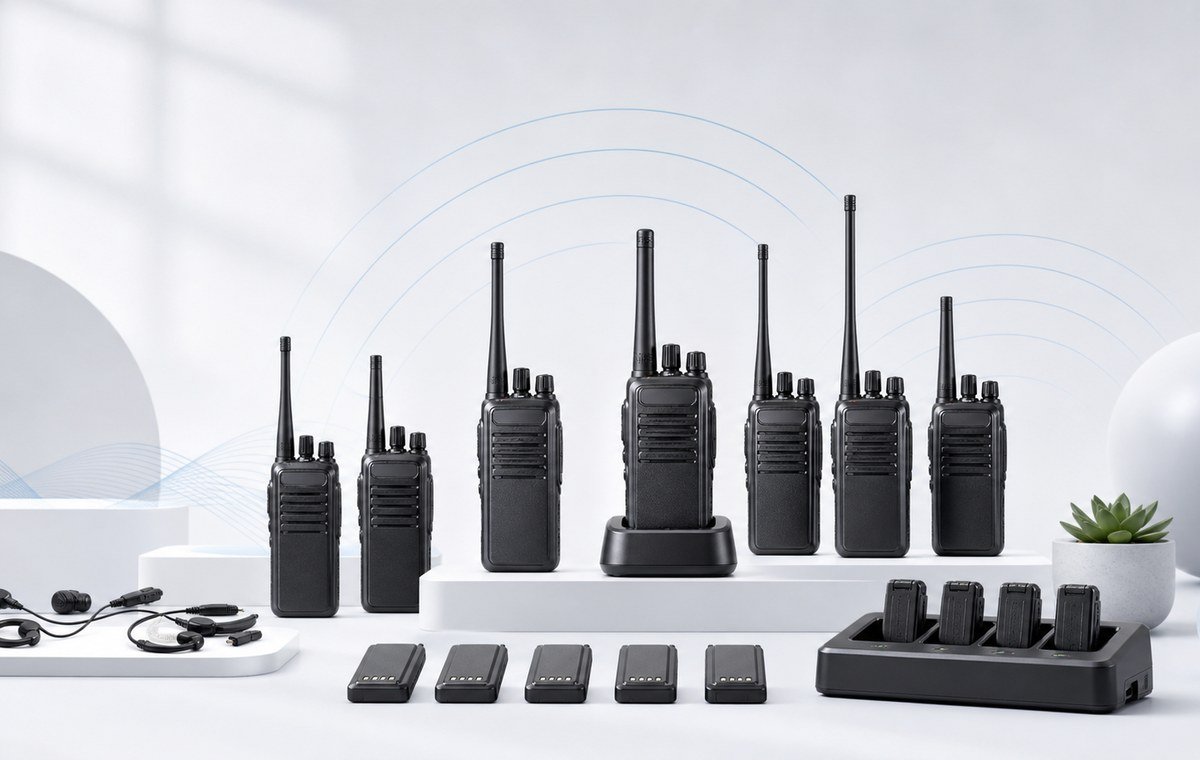
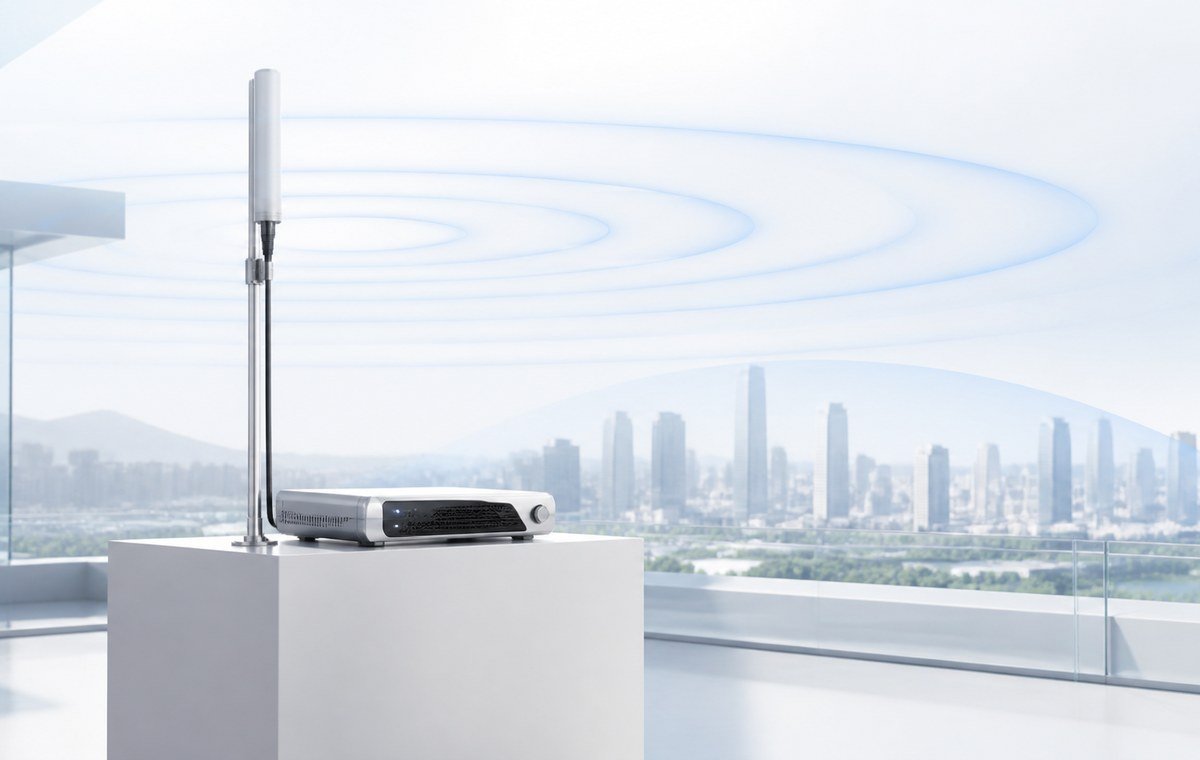
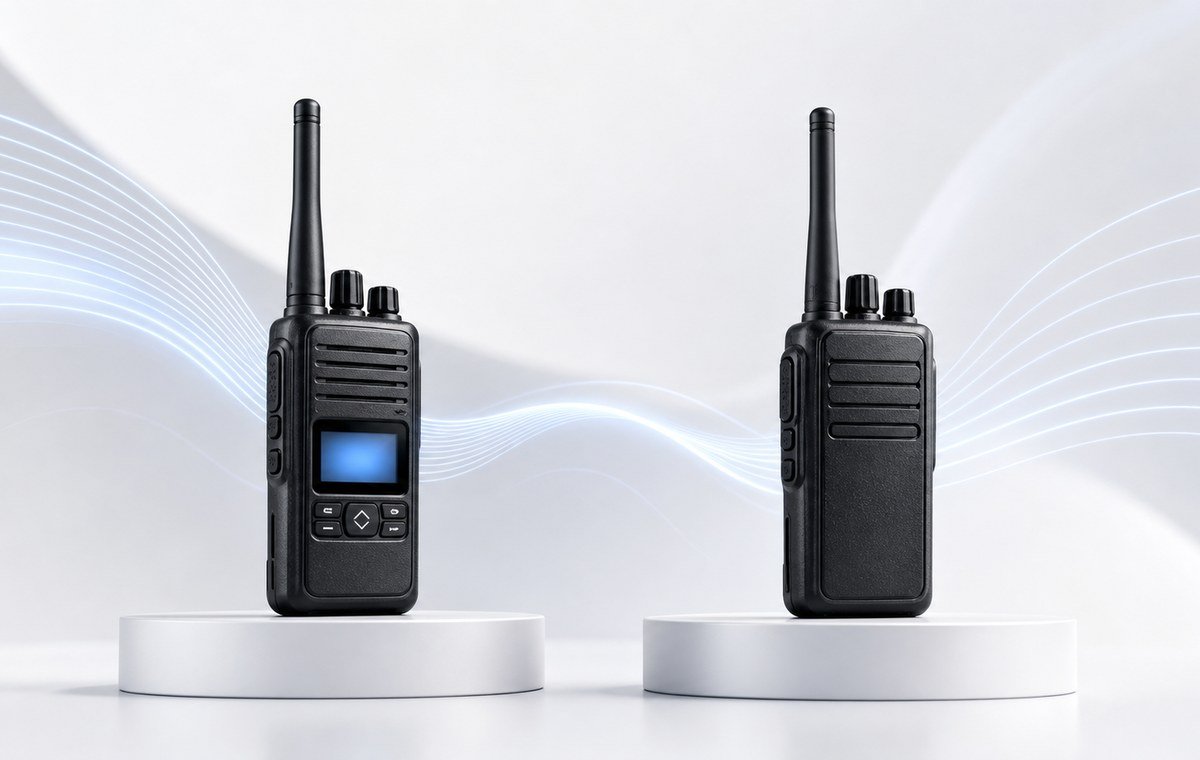
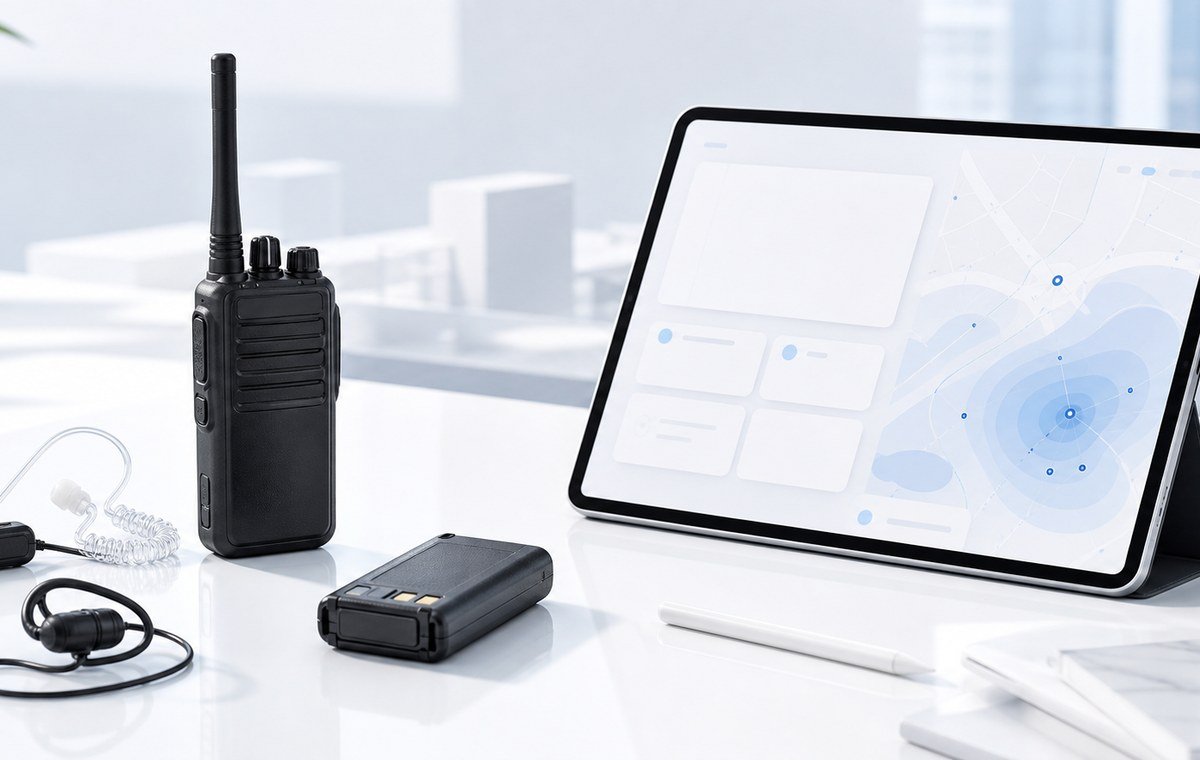
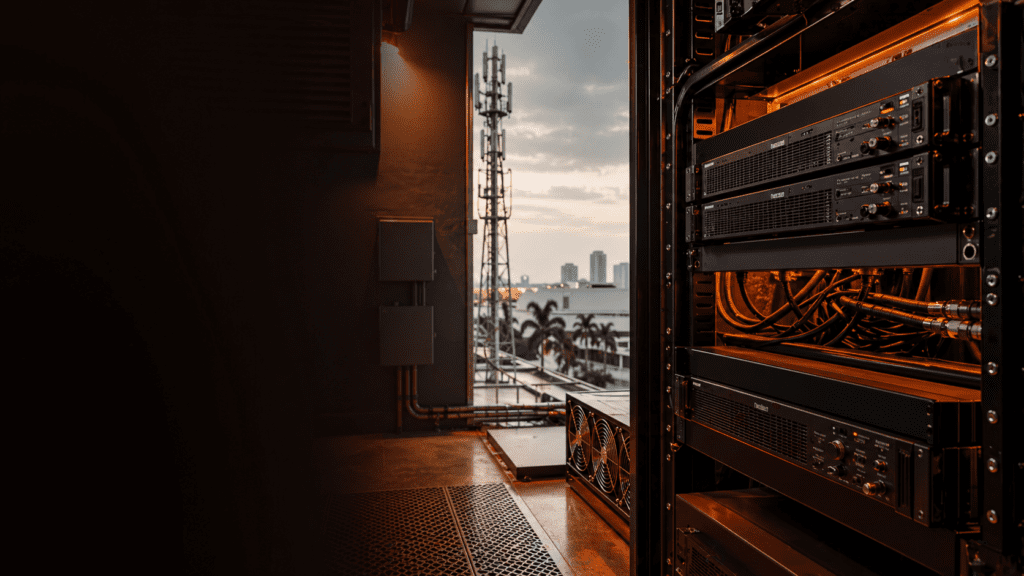
A normal walkie talkie talks directly from one radio to another. That is enough for small shops, compact event teams, and short-distance job sites. A repeater changes the system design: radios transmit to a fixed unit installed at a better height or strategic point, then the repeater re-broadcasts the message so more users can hear it across the site.
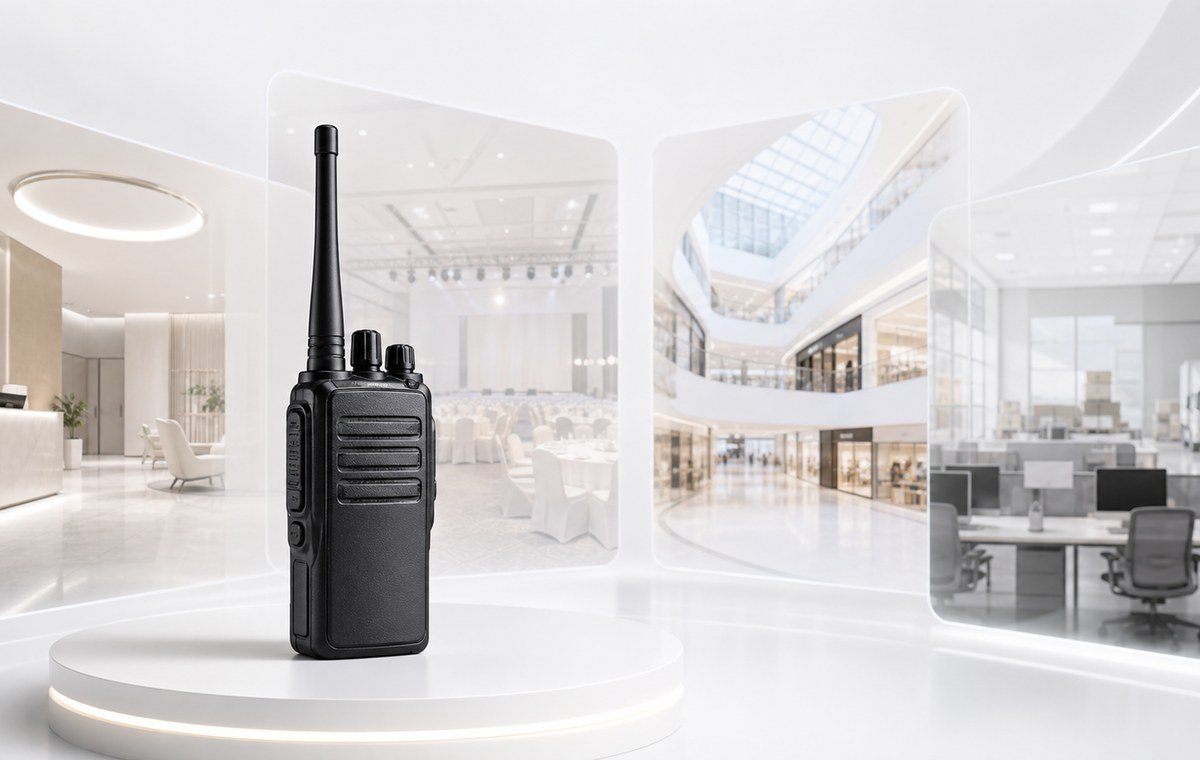
For Malaysian businesses, repeater planning is common in warehouses, factories, ports, security compounds, high-rise buildings, plantations, resorts, construction projects, malls, and large event venues. The goal is not only longer range. The goal is dependable coverage where work actually happens.
Coverage symptoms to check first
Before buying more handsets, check whether the problem is coverage design, building obstruction, channel congestion, battery condition, or user workflow.
A repeater is worth considering when users report broken audio in repeatable locations, not random one-off noise. Typical signs include guards losing contact in basement parking, warehouse teams hearing the office but not the loading bay, construction supervisors losing contact between floors, or event marshals failing to reach the command post from perimeter gates.
- Mark the exact weak points: basement, lift lobby, stairwell, back-of-house corridor, loading bay, perimeter gate, or rooftop plant room.
- Test during real operating hours because machinery, crowd density, and vehicle movement can change radio performance.
- Separate handset range issues from user discipline issues, such as wrong channels, low batteries, or blocked microphones.

Repeater, PoC radio, or more handsets?
The right answer depends on whether the coverage problem is local site penetration, wide-area mobility, or simply not enough radios for the team.
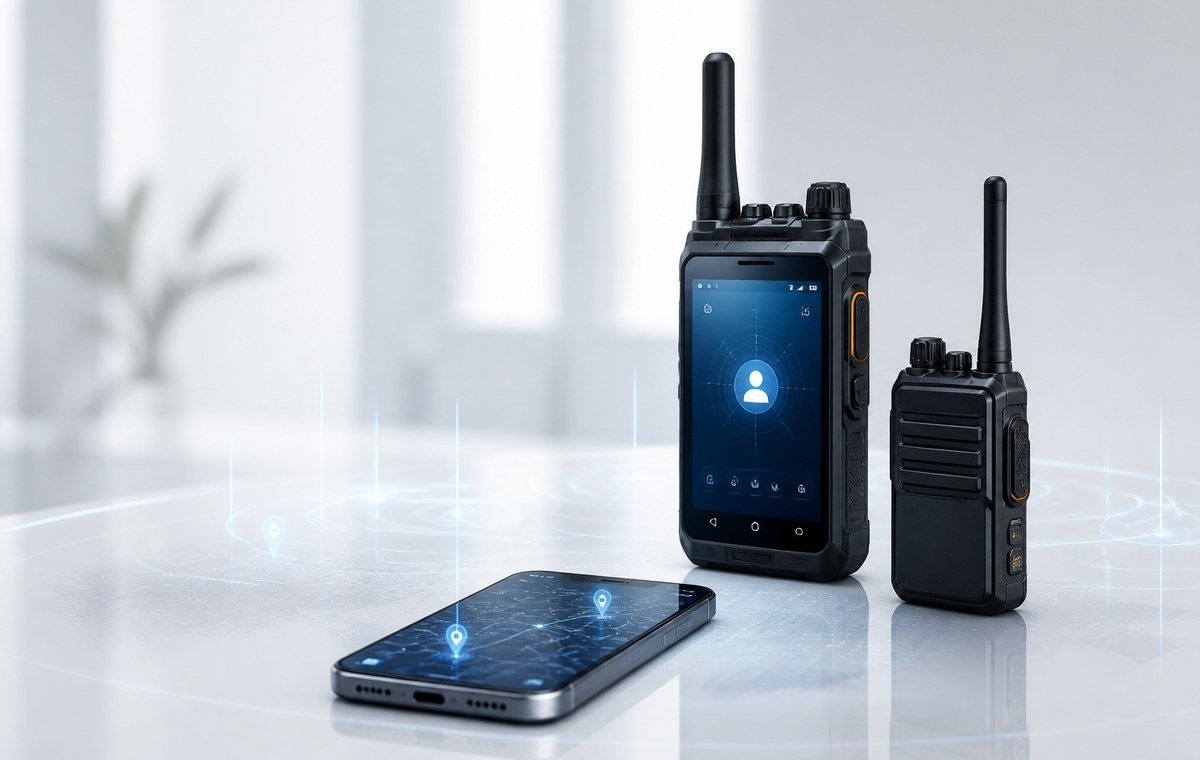
Adding more walkie talkies does not solve a weak coverage path. If two users cannot reach each other because concrete, terrain, or distance blocks the signal, more handsets can create more confusion. A repeater is best when the operation is mostly within one site or a connected campus. PoC radio is better when teams move across cities, states, or many customer locations using cellular data coverage.
| Situation | Best-fit option | Why it fits |
|---|---|---|
| Factory, warehouse, mall, resort, or high-rise with dead spots | Walkie talkie repeater | Improves local site coverage through planned infrastructure and antenna placement. |
| Security or logistics team moving across Klang Valley, Johor Bahru, Melaka, Penang, or multiple branches | PoC radio | Uses cellular data coverage for broader geographic movement. |
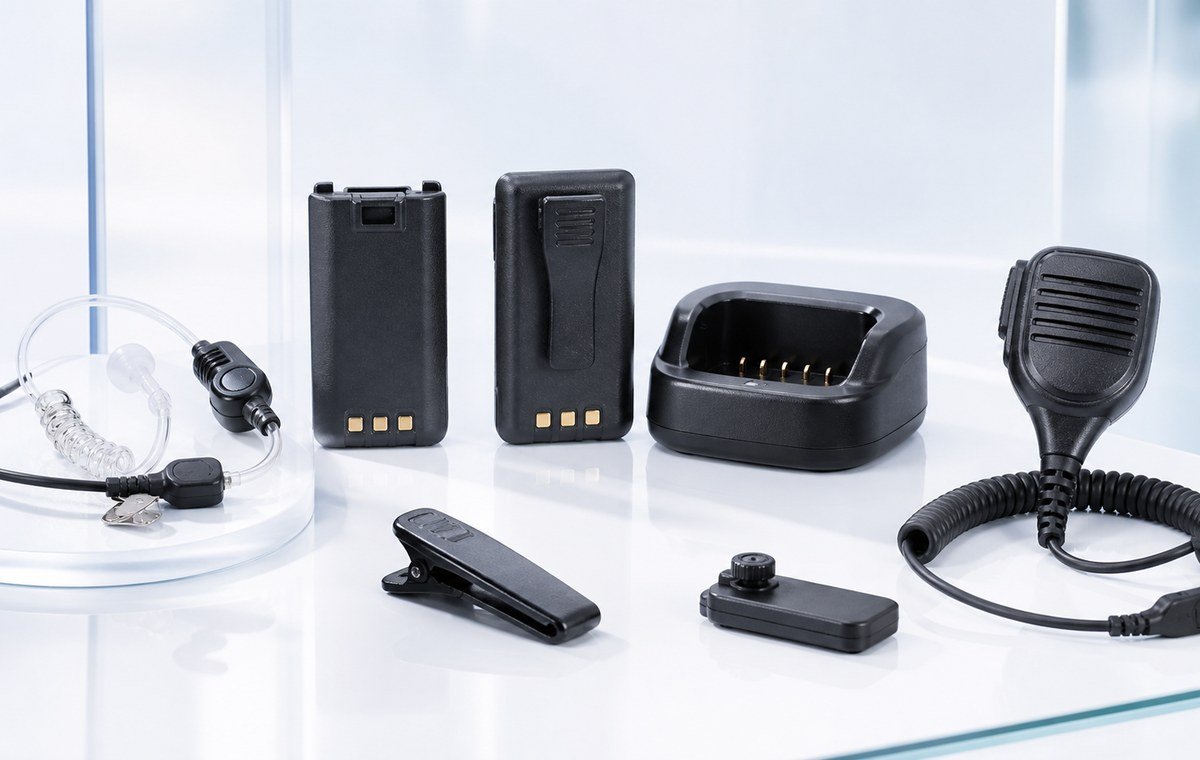
| Small team in one open area with clear communication already | More handsets or better accessories | The issue may be user count, earpieces, battery rotation, or channel planning, not infrastructure. |
| Large site with separate departments and emergency escalation | Repeater plus channel plan | Supports more disciplined communication between operations, security, maintenance, and management. |
How to plan a Malaysia rollout
Start with a site survey, choose the right radio path, then test the final user workflow before treating the system as complete.
A practical rollout begins with floor plans, operating zones, team roles, and current pain points. Octogen can help check whether your site needs a repeater, a better antenna position, digital radios, PoC radios, or a mixed solution. For businesses in Kuala Lumpur, Klang Valley, Johor Bahru, Melaka, Penang, and other Malaysian locations, the most useful first step is to test the real coverage path instead of relying only on advertised range claims.
- List user groups: security, production, warehouse, maintenance, reception, event control, supervisors, and emergency response.
- Define must-cover zones before nice-to-have zones.
- Confirm whether the site needs analogue compatibility, digital migration, or PoC coverage.
- Document channel names and response rules so the radio system supports the workflow.
Common Customer Questions
How do I know if my business needs a walkie talkie repeater?
You likely need one if radios work in some areas but fail repeatedly in basements, upper floors, back-of-house corridors, loading bays, perimeter gates, or distant site zones.
Will a repeater make every walkie talkie cover the whole building?
Not automatically. Coverage depends on antenna position, building structure, frequency planning, radio model, and where users actually operate. A site survey is still important.
Is a repeater better than PoC radio?
A repeater is usually better for controlled local site coverage. PoC radio is usually better for teams that travel widely across cities, states, or many branches.
Can a repeater help warehouse and factory teams?
Yes, especially when racks, machinery, thick walls, and separate loading areas block direct handset communication. Testing should include the noisiest and busiest operating hours.
Can Octogen advise for Kuala Lumpur, Johor Bahru, Melaka, or Penang sites?
Yes. Octogen supports walkie talkie, repeater, PoC radio, rental, and site communication planning for Malaysian business locations including Klang Valley, Johor Bahru, Melaka, and Penang.
Real Deployment Notes
Advertised range is usually tested under ideal conditions. Real buildings, terrain, vehicles, and machinery reduce usable coverage.
A short coverage test can prevent buying more handsets when the real issue is antenna position or site obstruction.
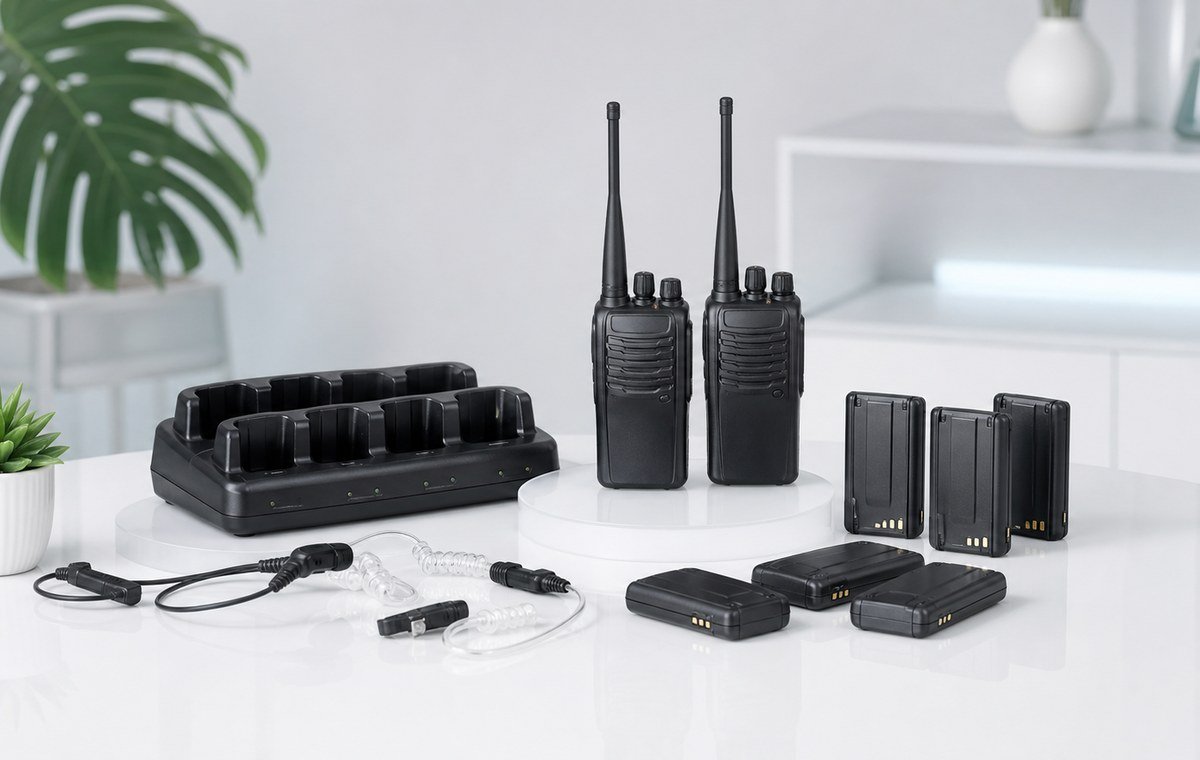
Good hardware still needs channel naming, radio discipline, battery rotation, and clear escalation rules.
Ask Octogen About Your Site Coverage
Send Octogen your site type, weak coverage areas, team size, and location. The team can advise whether a repeater, PoC radio, rental set, or site survey is the right next step.