
Walkie Talkie Rental for Events & Exhibitions Malaysia
Any duration from 1 day. Multi-department channel programming included. Same-day KL for urgent setups. No minimum, no ownership headache.
Three Reasons Event Teams Rent, Not Buy
Buying 50 radios for a 3-day event makes no sense
Rental eliminates the capital outlay, the storage problem, the depreciation, and the IT department conversation about the asset register. Use them, return them.
Eight departments, one event, zero confusion
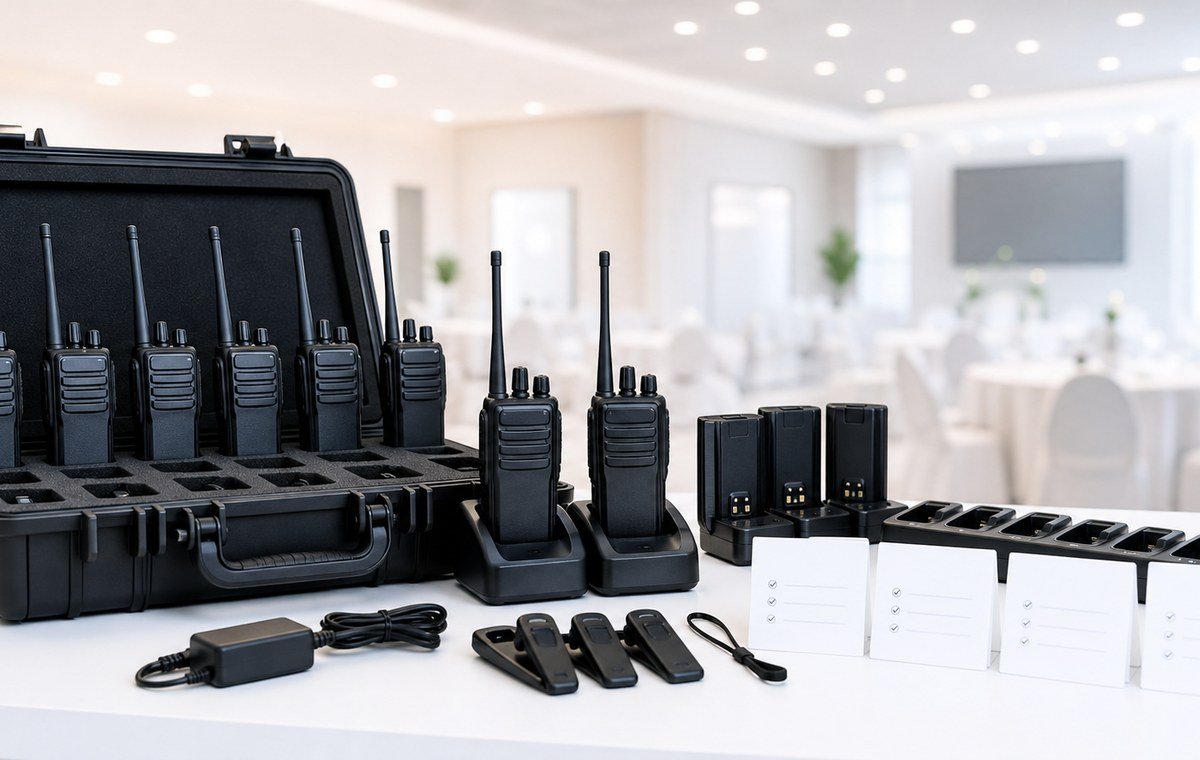
Stage, FOH, production, catering, security, parking, guest relations, operations. We programme separate channels before equipment arrives — each team on their own frequency from minute one.
Requirements change and finalise late
We understand events. Last-minute unit additions, channel adjustments, department changes. Same-day KL pickup means late confirmations are manageable, not a production crisis.
A 3-day international trade exhibition at KLCC Convention Centre. Seven organising departments, 120 crew, 4 halls. 90 units across 8 channels delivered Thursday morning. Event ran Friday to Sunday. Units returned Monday. Total rental: 4 days.
Ready for Event Day. Every Time.
Multi-Channel Programming
Up to 16 channels per unit, labelled by department or function. Included in the rental — you provide the channel list, we do the rest.
Same-Day KL Pickup
Order by 12pm, collect from Bandar Sri Damansara by 3pm. For urgent event setups, production day changes, and last-minute additions.
Accessories Available
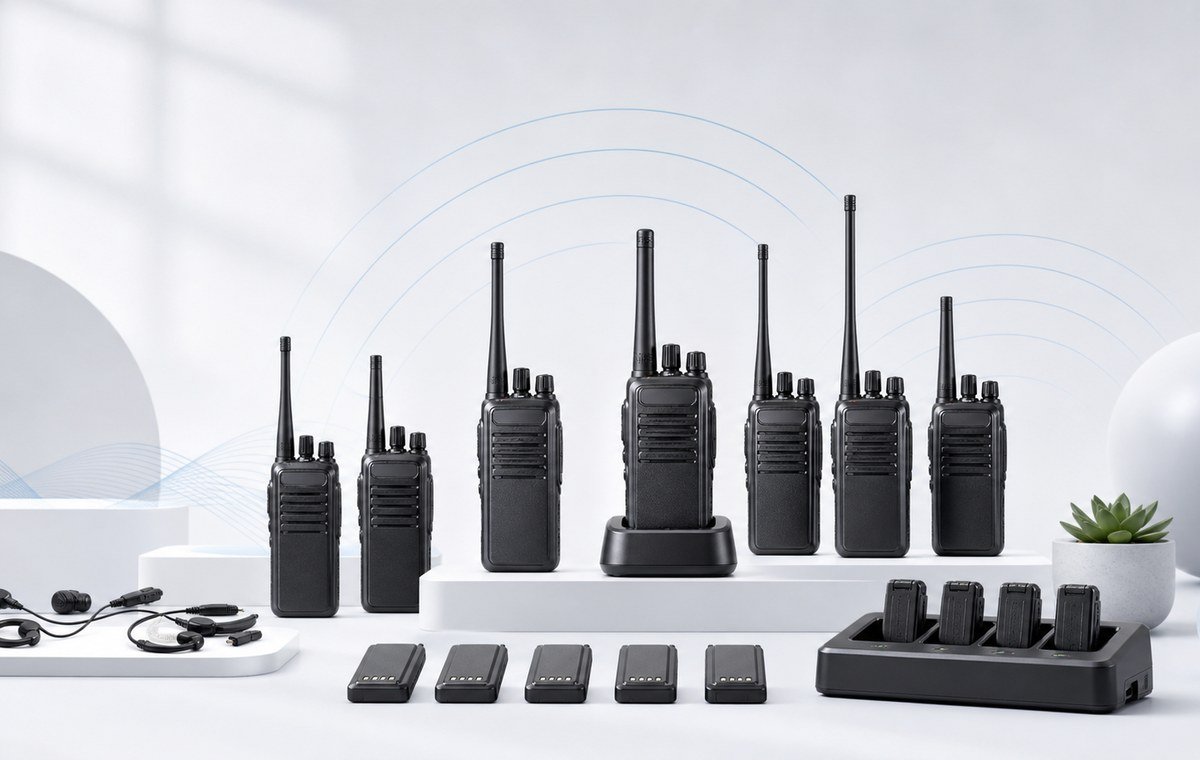
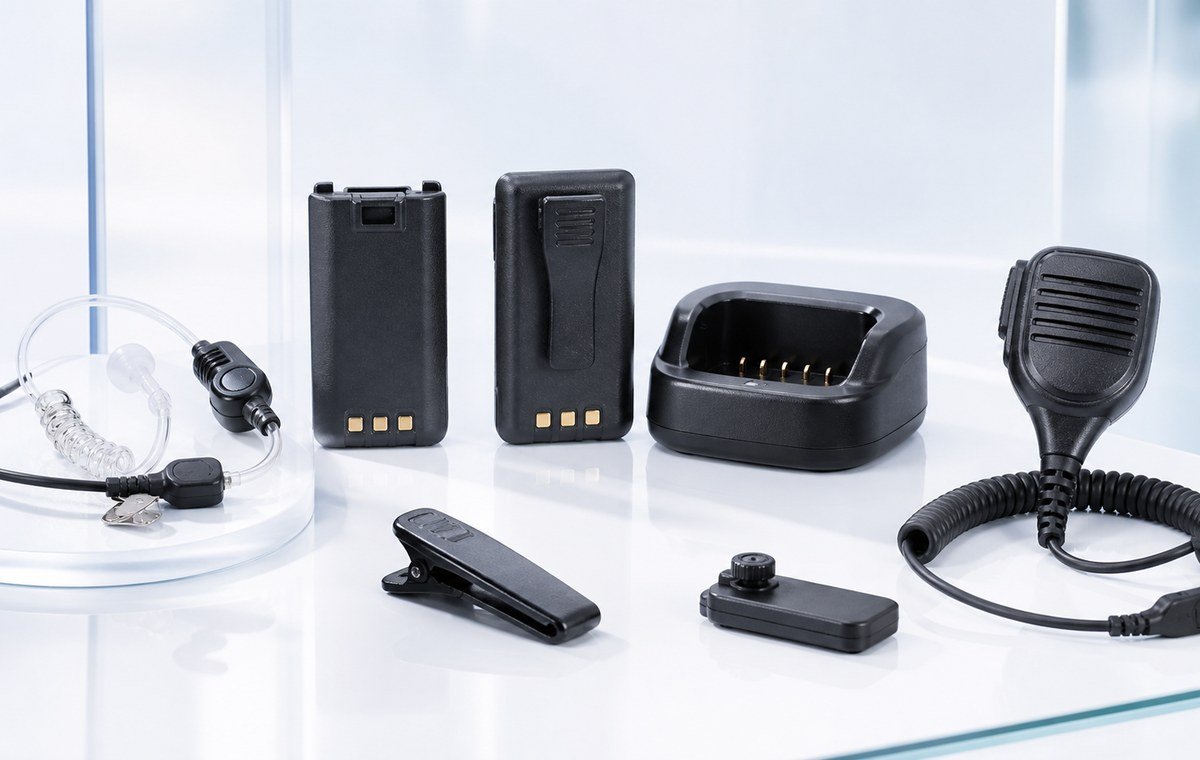
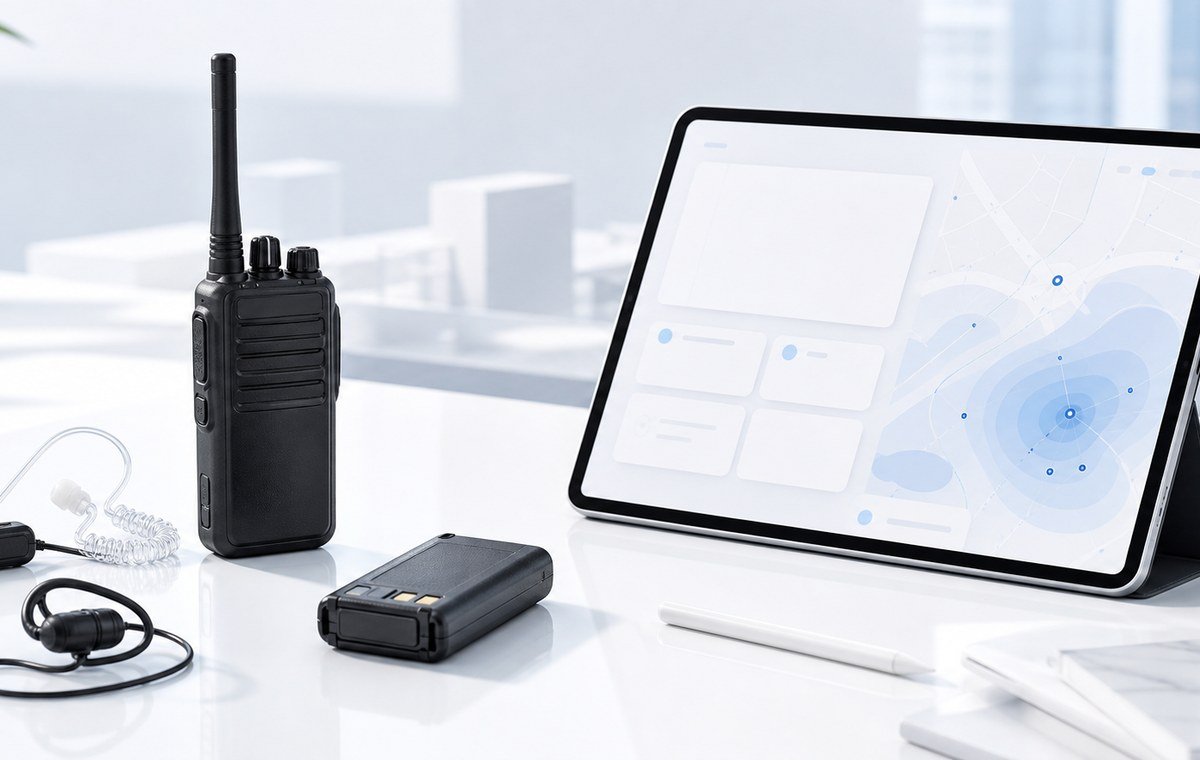
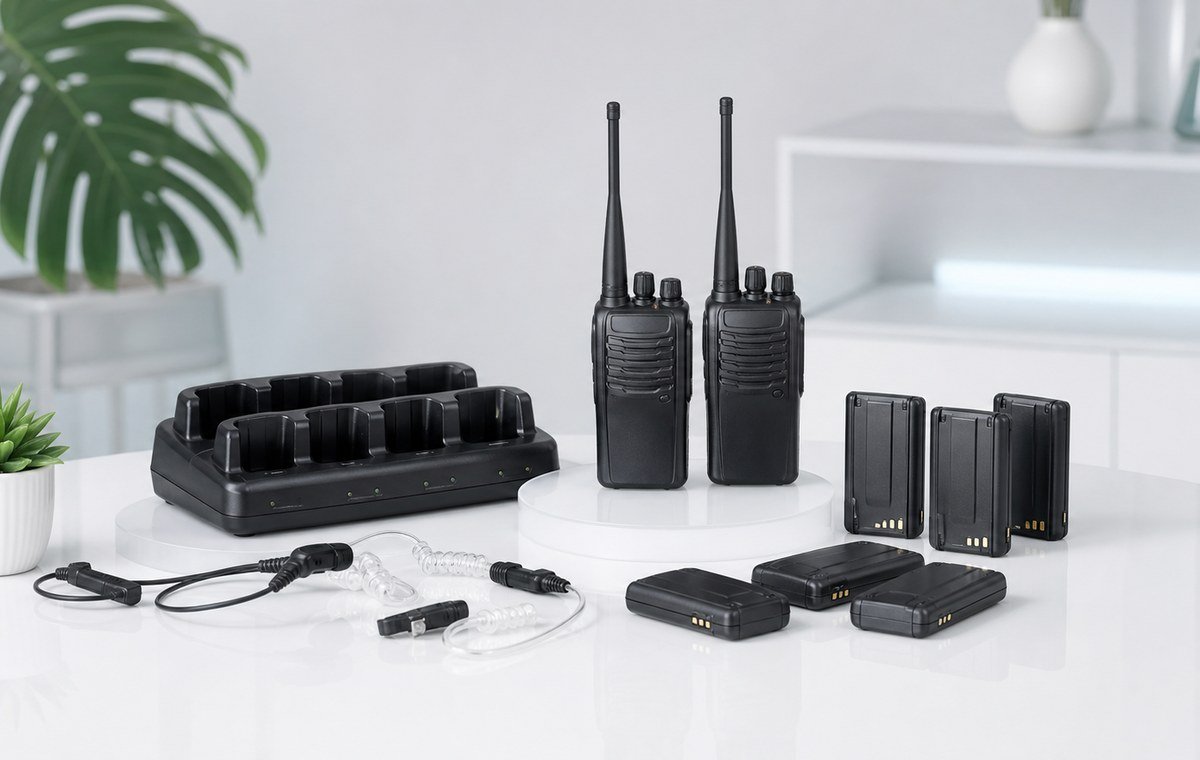
Surveillance earpieces, remote speaker microphones, spare batteries, and multi-bay chargers — available as add-ons to your rental order.
Clean Event Turnaround
Return units after the event. Inspected, charged, reprogrammed, and available for the next event. No long-term obligation.
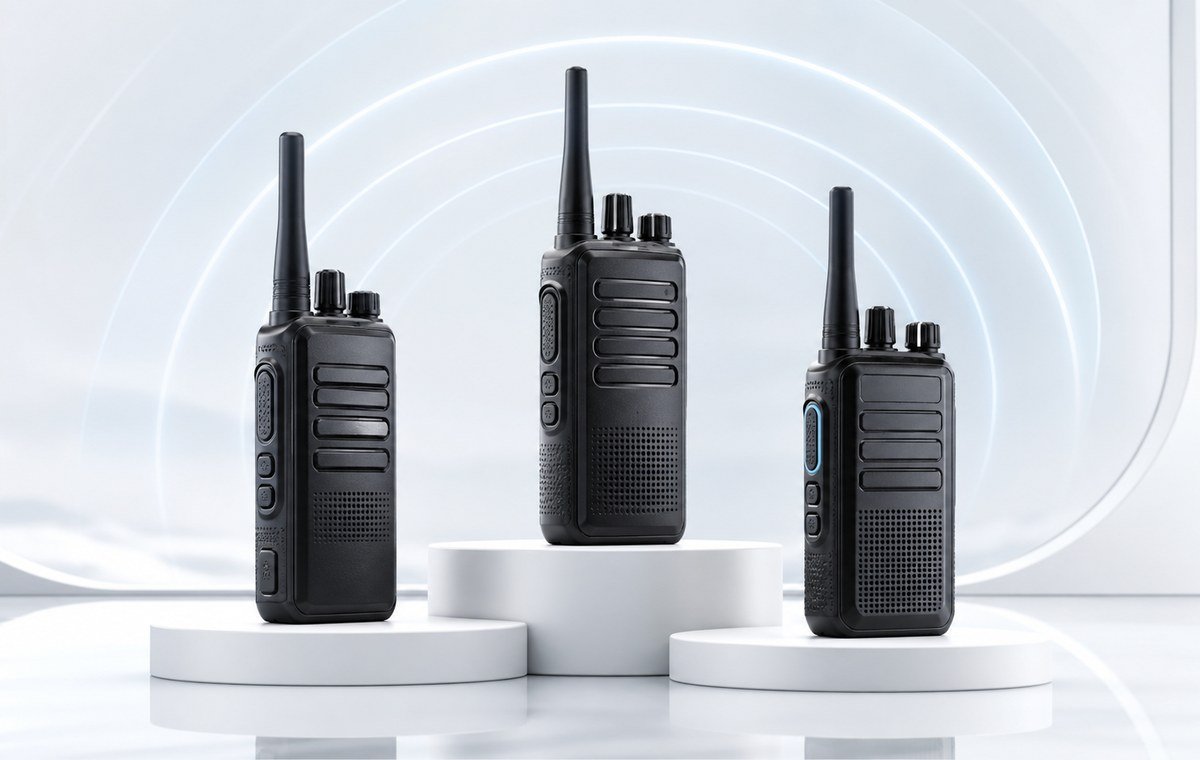
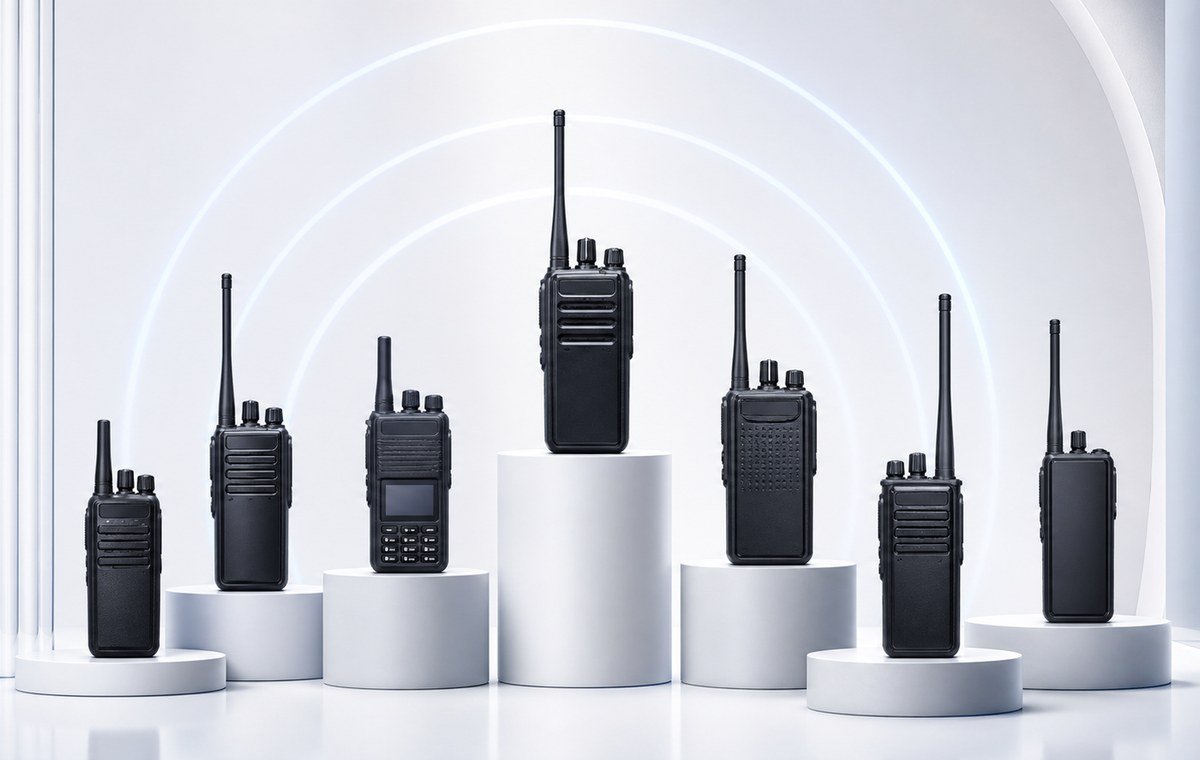
The Right Radio for Each Role
Motorola CP1300
Reliable, simple, 4–5km. The standard choice for general event crew, stage management, logistics, and operations teams. Handles rough treatment from production crews.
Kenwood TK-3360
Compact and light — preferred for service staff, ushers, and front-of-house roles where a large radio is impractical. Comfortable for full-day wear.
Hytera PD365
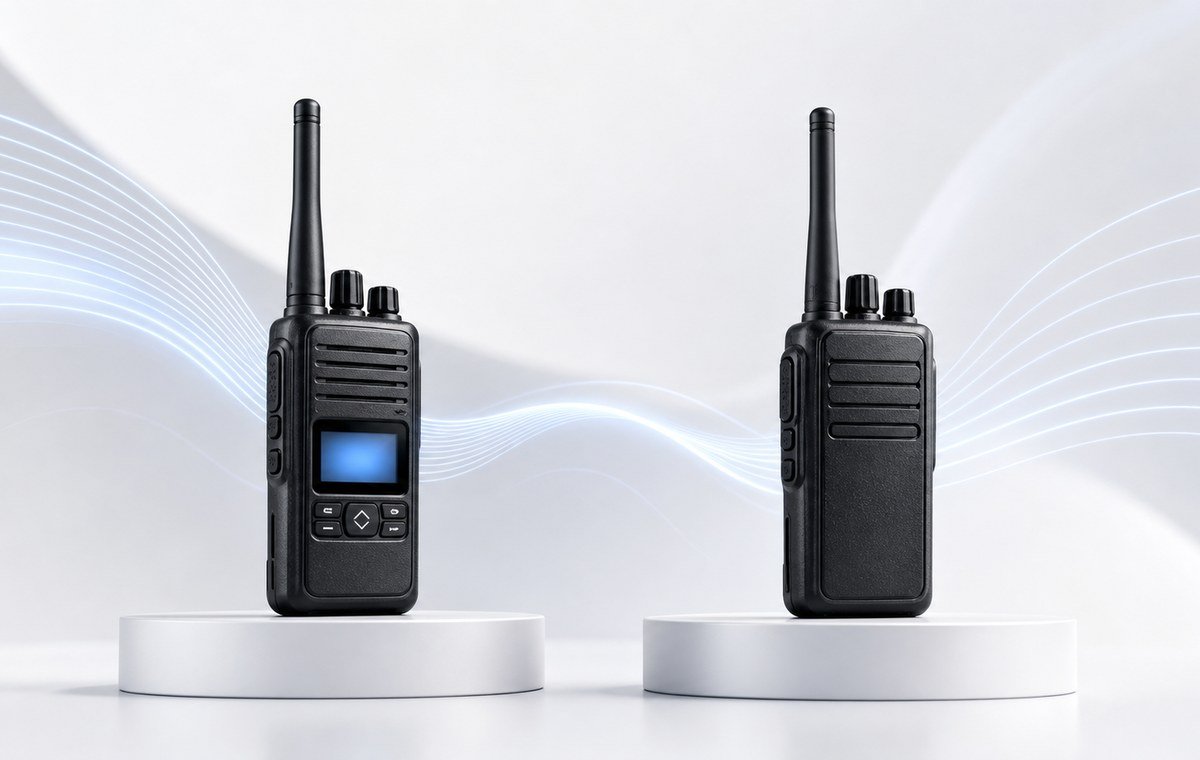
Slim digital unit with covert earpiece capability. For VIP hosts, guest relations, and front desk positions where discretion is essential.
From Briefing to Production Day
- Brief us on your eventEvent date(s), total unit count, departments (for channel count), and any specific accessories needed. WhatsApp or the online form.
- We confirm and programmeChannel plan confirmed, units programmed and labelled by department, tested. Confirmation sent with pickup or delivery details.
- Collect or receive deliveryKL same-day pickup available. Nationwide courier for events outside KL — most states next-day.
- Return after the eventUnits returned at event close. Rental settled within 48 hours. We handle inspection and reset.
Rent Walkie Talkies in Your City
- Walkie Talkie Rental in Kuala Lumpur — Event radios for conferences, concerts, and exhibitions in KL.
- Walkie Talkie Rental in Johor Bahru — Professional event communication solutions in JB.
- Walkie Talkie Rental in Penang — Walkie talkie rental for festivals, sports events, and functions in Penang.
Recommended Brands for Events
- Motorola Walkie Talkies — The go-to choice for large-scale event coordination and management.
- Kenwood Walkie Talkies — Clear audio and reliable performance for concerts, conferences, and exhibitions.
Frequently Asked
What’s the minimum rental duration?
1 day. Events running Friday to Sunday are charged for 3 days. Multi-day setup periods can be included in the rental period.
How many channels can you programme per event?
Up to 16 channels per unit. You provide the department list and we handle the programming — included in the rental rate.
Are earpieces and accessories included?
Available as add-ons. Surveillance earpieces, remote speaker microphones, and spare batteries are in stock. Pricing on enquiry when you submit your rental request.
Can we order last-minute for a same-day event?
Yes, for KL orders. WhatsApp us with your requirements — we confirm availability immediately and can have units ready for same-day pickup if ordered by midday.
Do you deliver to events outside KL — Penang, JB, Sabah?
Yes, nationwide. Pos Laju, J&T, and DHL delivery available. Most states receive next-day delivery from KL. Advance notice recommended for events in East Malaysia.
Running an event? Let’s get you connected.
Tell us your event date, unit count, and departments. Quote in 2 hours. Same-day KL available.
Related rental guides for event operations
If you are coordinating organisers, crew, venue staff, and security, these pages help you compare event-ready brands, city coverage, and nearby operating environments.