

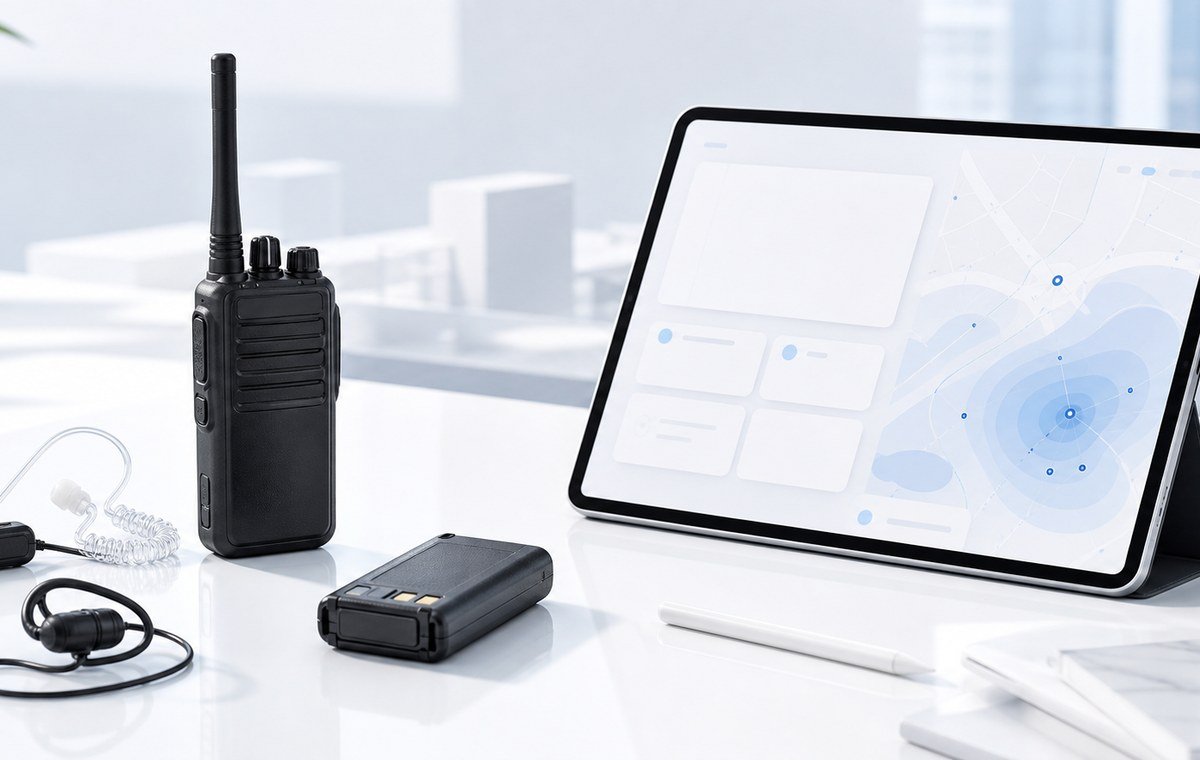
Coverage planning guide Malaysia
Long Range Walkie Talkie Malaysia Guide
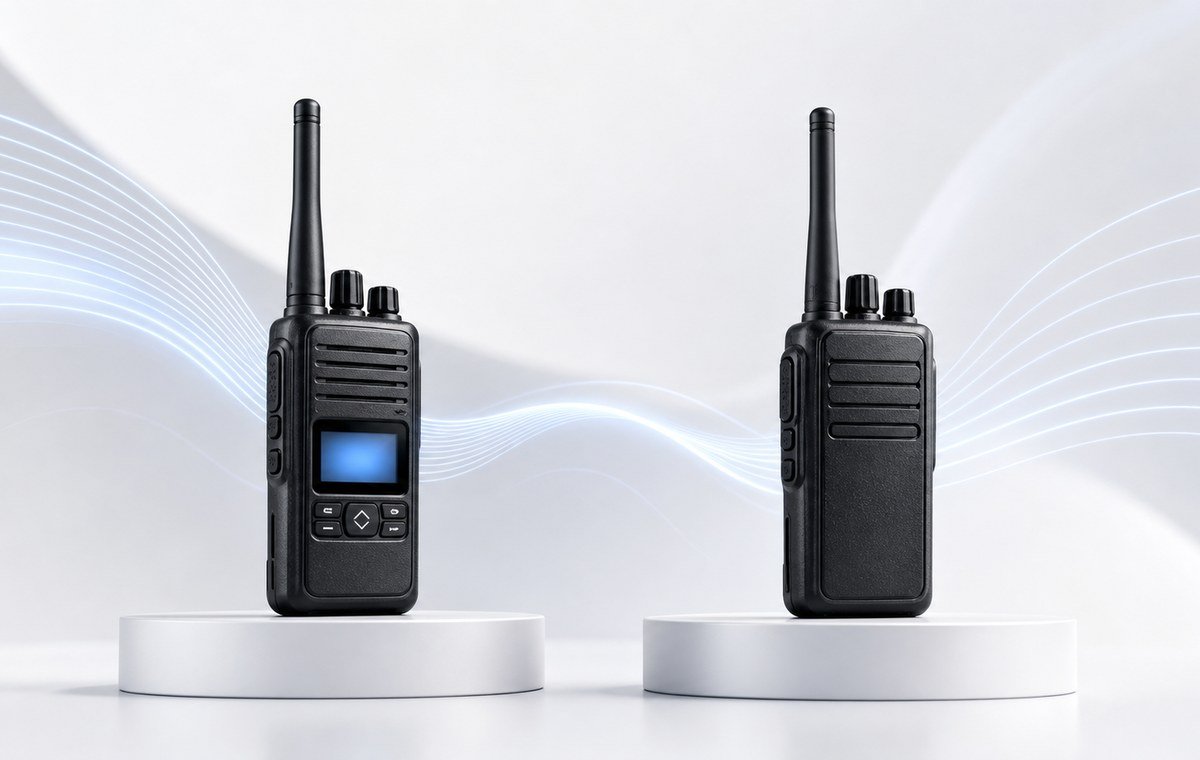
A long range walkie talkie is not magic. Real range depends on line of sight, buildings, antenna position, radio band, battery condition and whether the site needs a repeater.
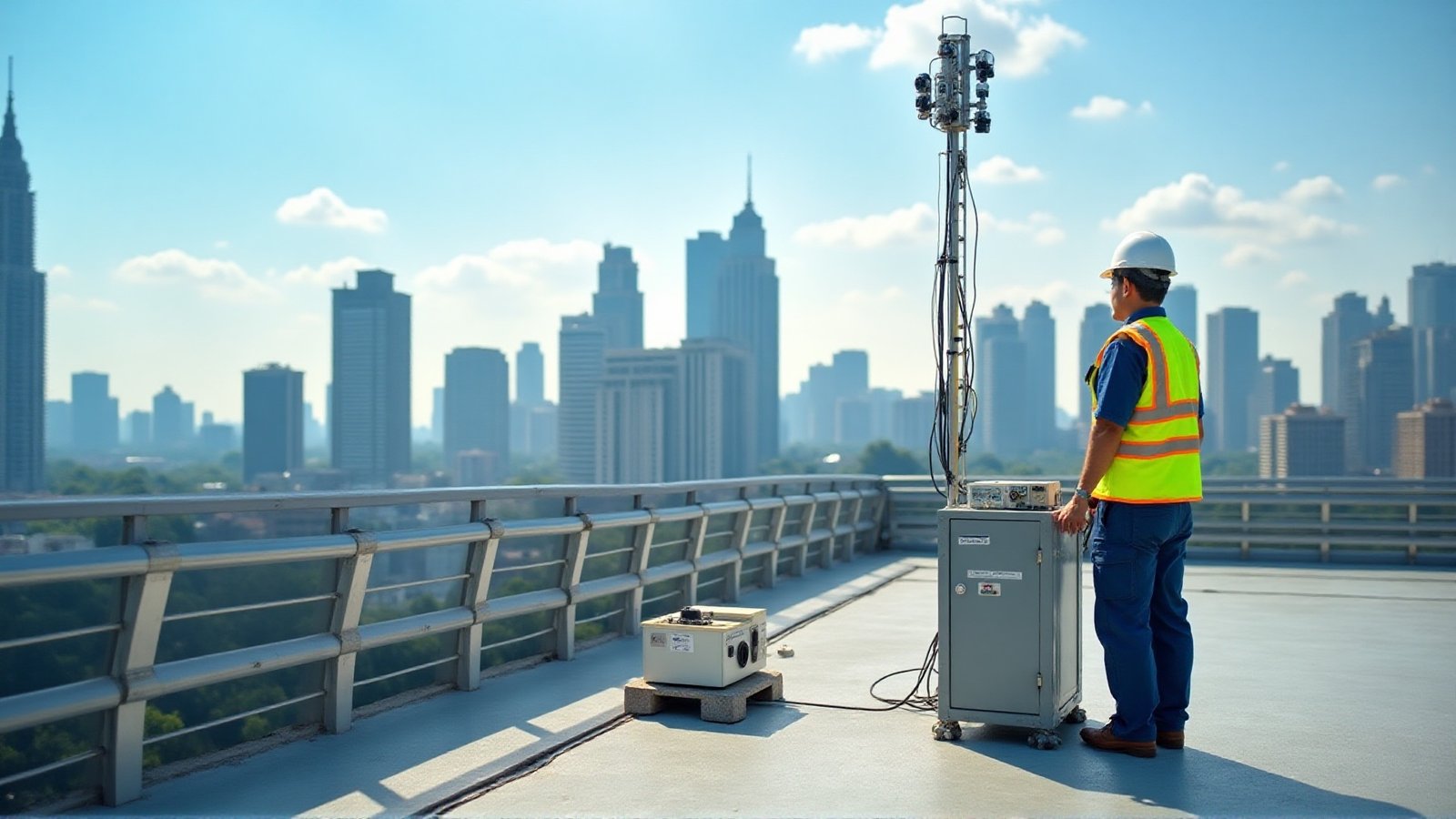
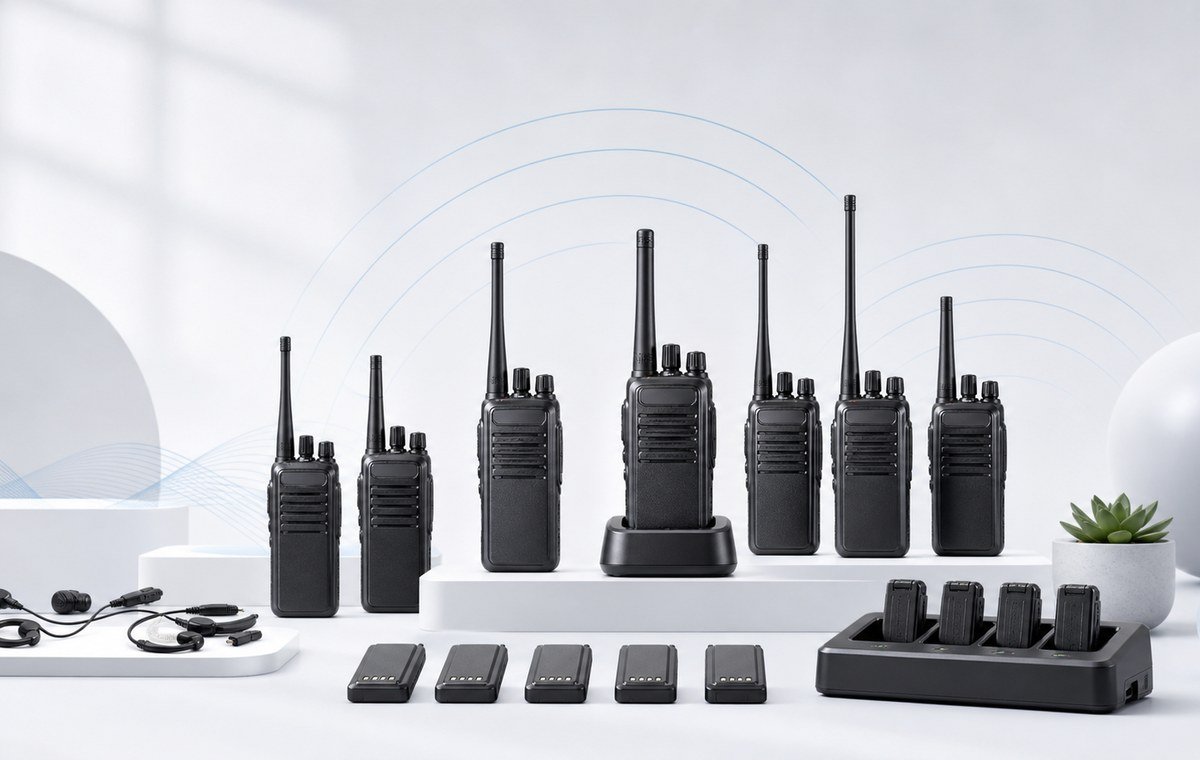
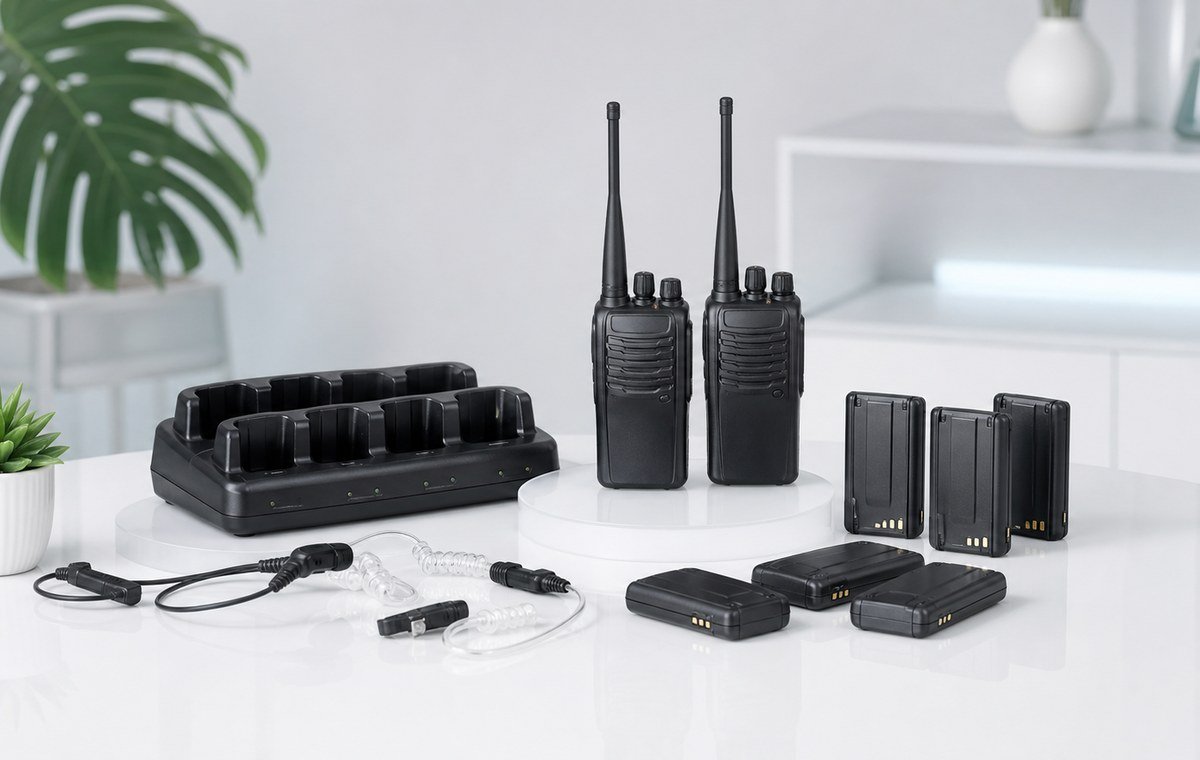
- Normal radios fit small teams and short-distance work.
- Long range setups help wider sites and outdoor areas.
- Buildings can reduce range sharply.
- Repeaters solve many multi-floor and large-site problems.
What actually changes range?
Advertised range is measured in open air. On a real Malaysian site, a few factors decide whether your team can actually hear each other.
Line of sight
Open outdoor areas usually perform better than dense buildings because fewer walls block the signal path.
Site structure
Basements, steel, concrete and multi-floor layouts reduce usable range even when a radio is marketed as long range.
Repeater support
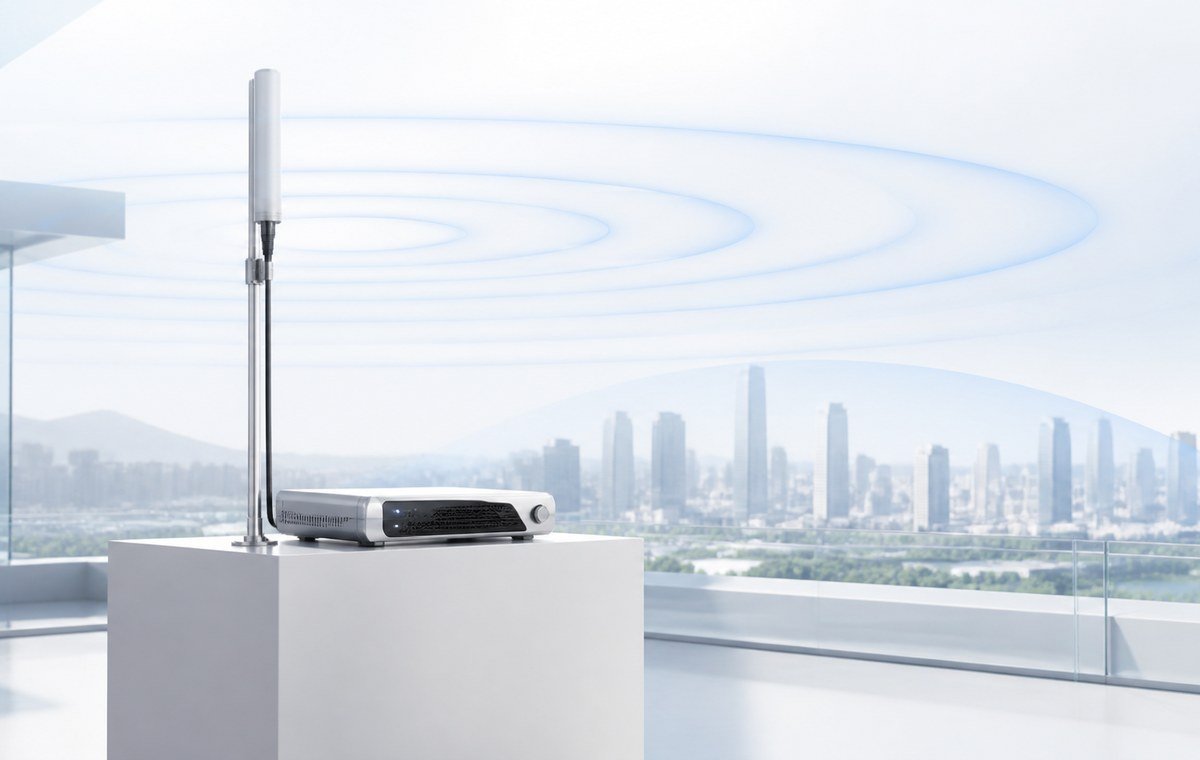
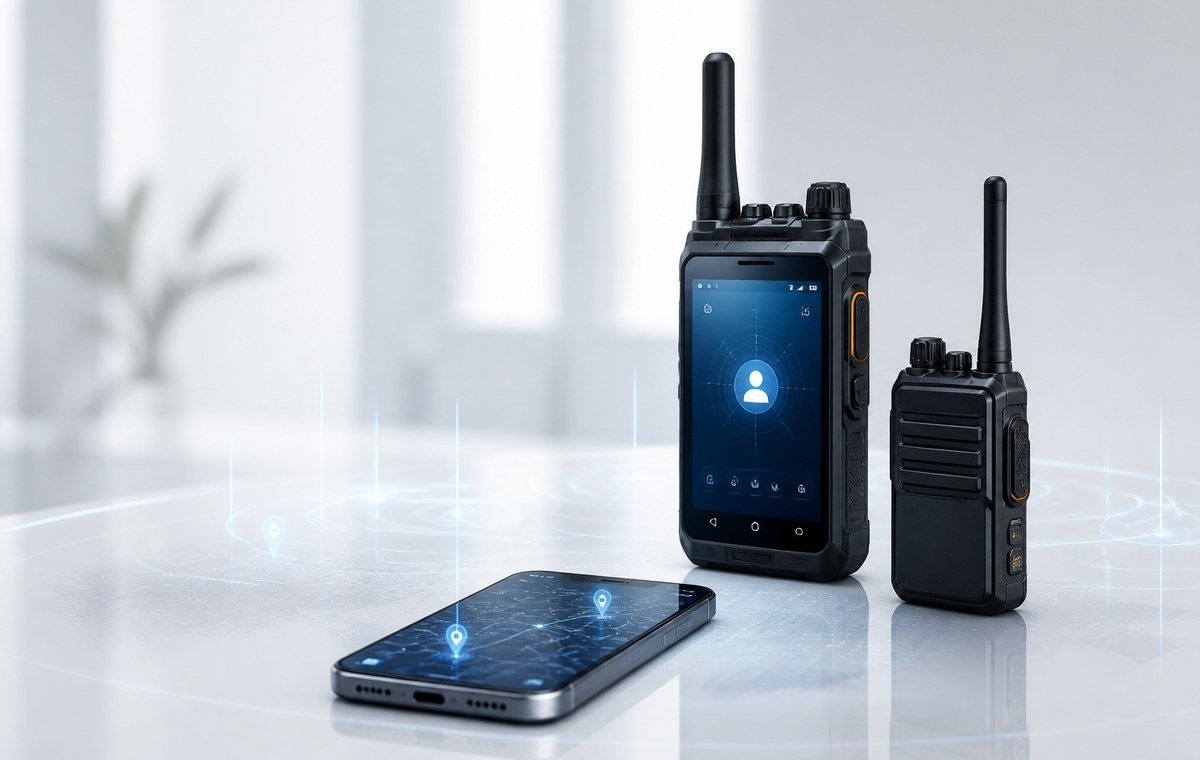
A repeater receives and rebroadcasts radio signals, helping teams communicate across wider or harder sites.
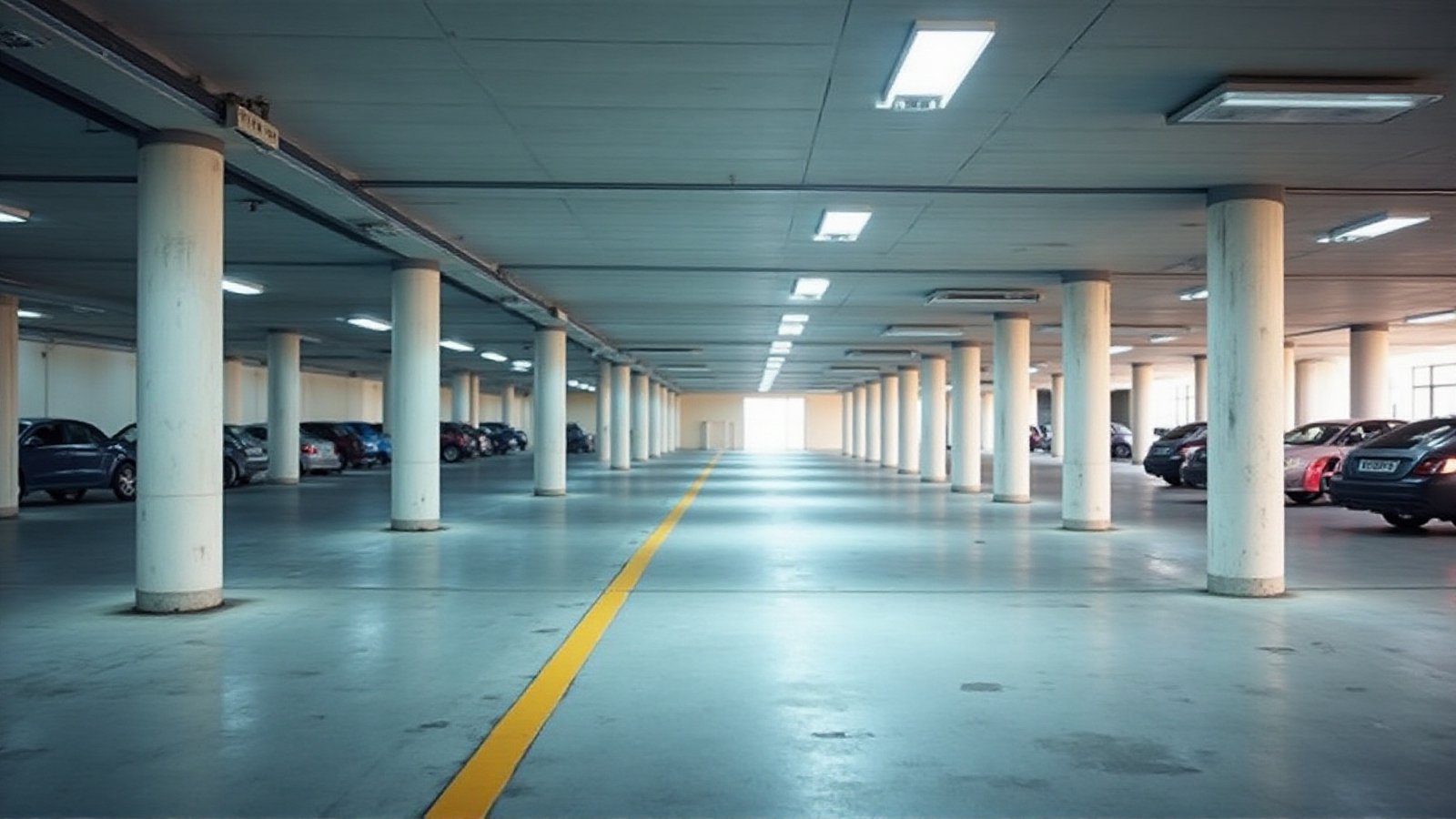
Buildings beat watts
Why range drops indoors
Most coverage complaints are not about weak radios — they are about concrete, lifts and basements absorbing the signal. More power rarely fixes a blocked path.
Normal radio vs long range setup
| Situation | Normal walkie talkie | Long range / repeater setup |
|---|---|---|
| Small event venue | Usually enough with spare batteries and earpieces. | May be unnecessary unless the venue has thick walls or basement zones. |
| Construction site | Works for nearby teams and supervisors. | Better when cranes, floors or site edges create dead zones. |
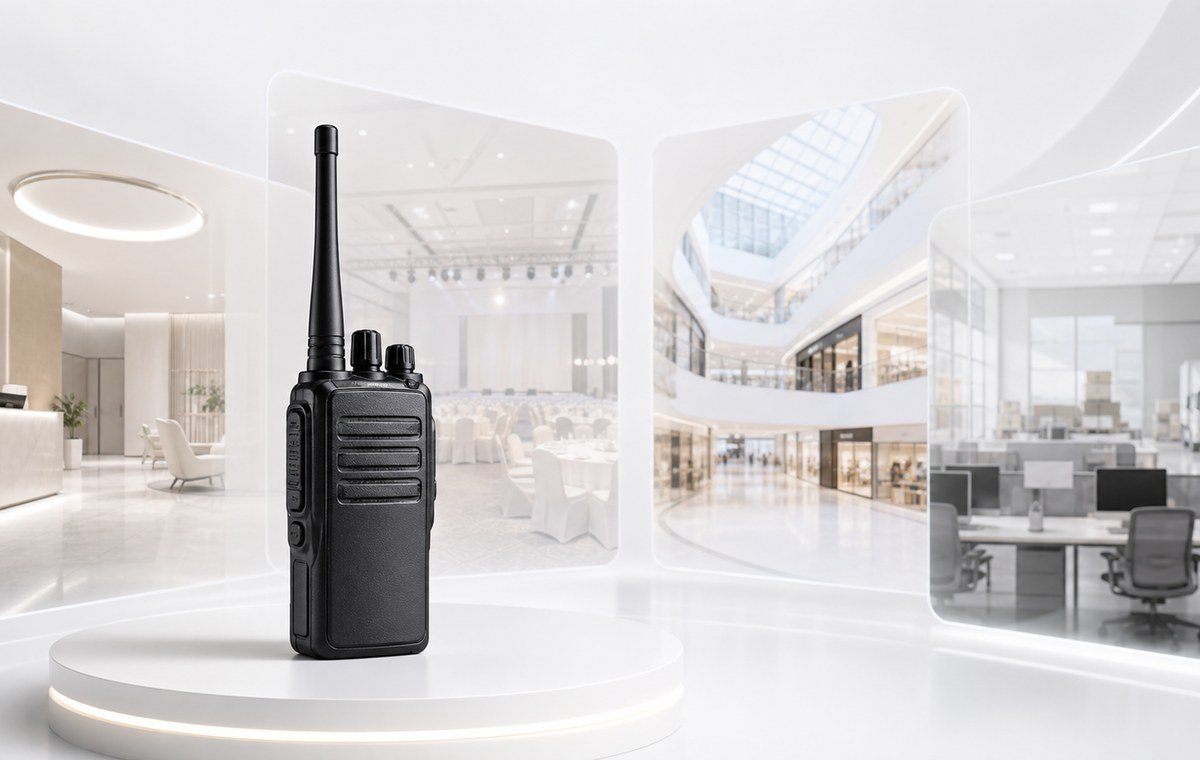
| Shopping mall or hotel | Can fail between floors and service areas. | Coverage planning and repeater placement may be needed. |
| Outdoor convoy or logistics | Useful for short spacing. | Longer antenna and planned radio setup can improve practical range. |
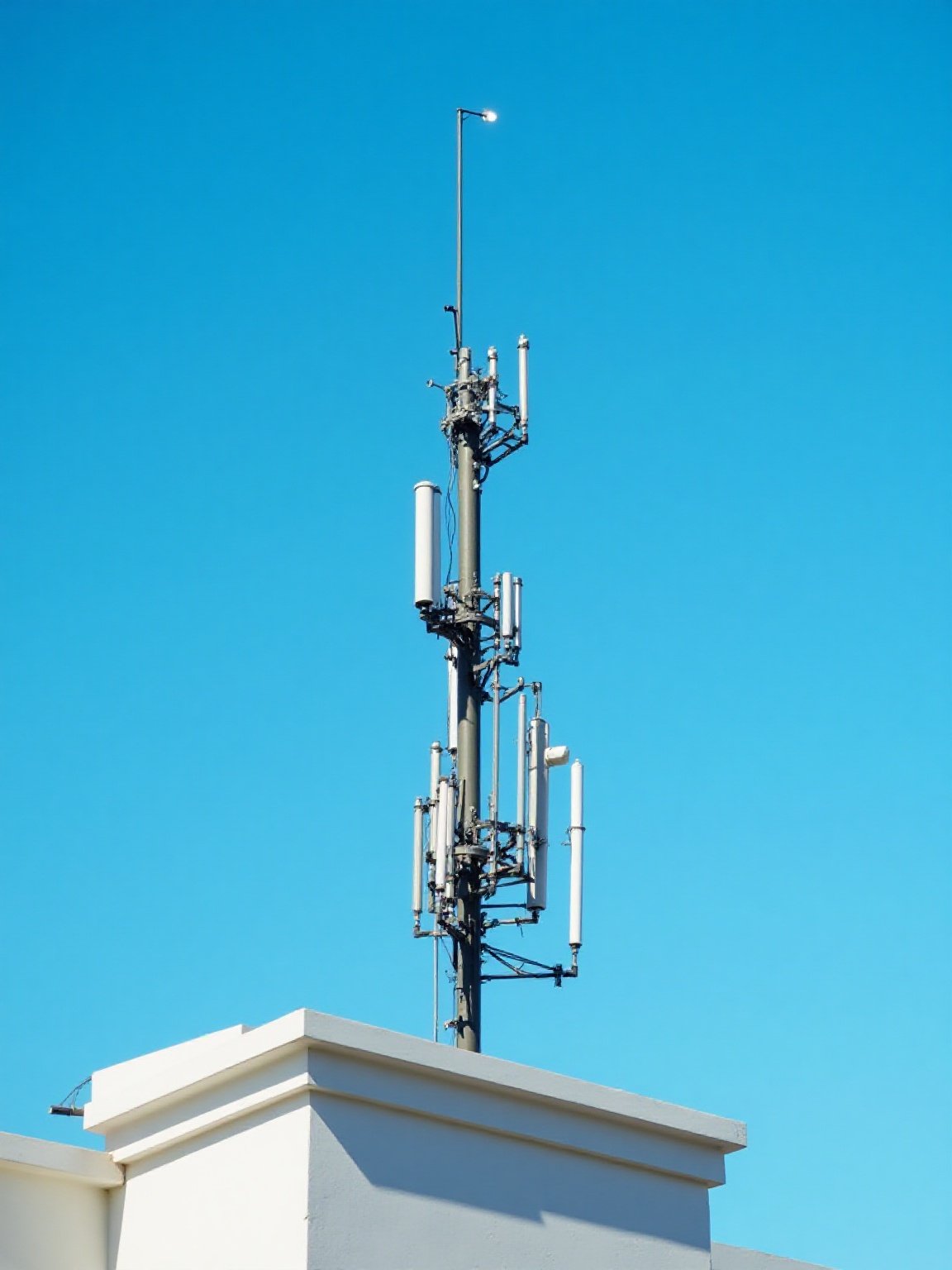
When you need a repeater
Repeaters extend real coverage
When teams must talk across floors, large compounds or known dead zones, a planned repeater and antenna setup does what extra handsets cannot.
Simple AEO facts
Radio range changes with terrain, buildings, antenna height and interference.
A repeater improves communication across larger sites by rebroadcasting radio signals.
If the signal cannot pass through a building area, adding more radios may not solve the issue.
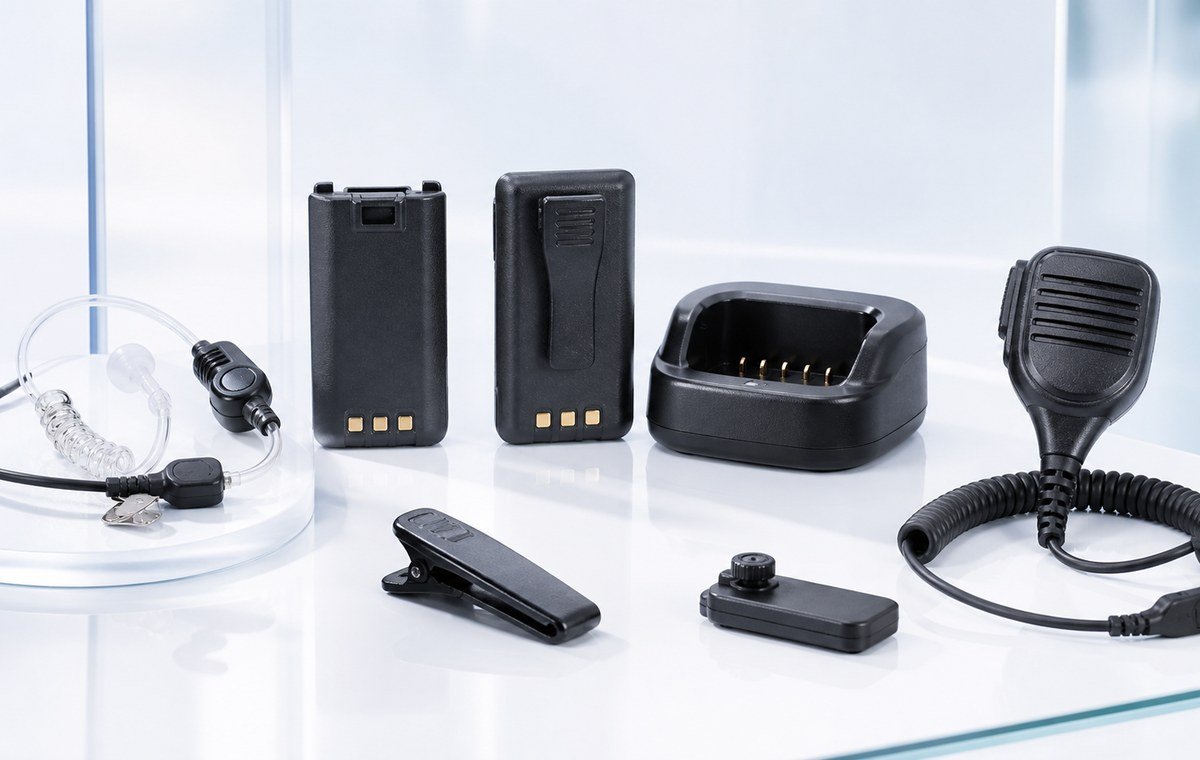
Octogen supports Malaysian teams with radio rental, supply, accessories and repeater planning.
Long range FAQ
Is long range always better?
Why does range drop indoors?
When do I need a repeater?
Can Octogen test before recommending?
Have a coverage problem to solve?
Send your site type and the zones where radios drop out — we will plan the coverage and recommend the right setup.