


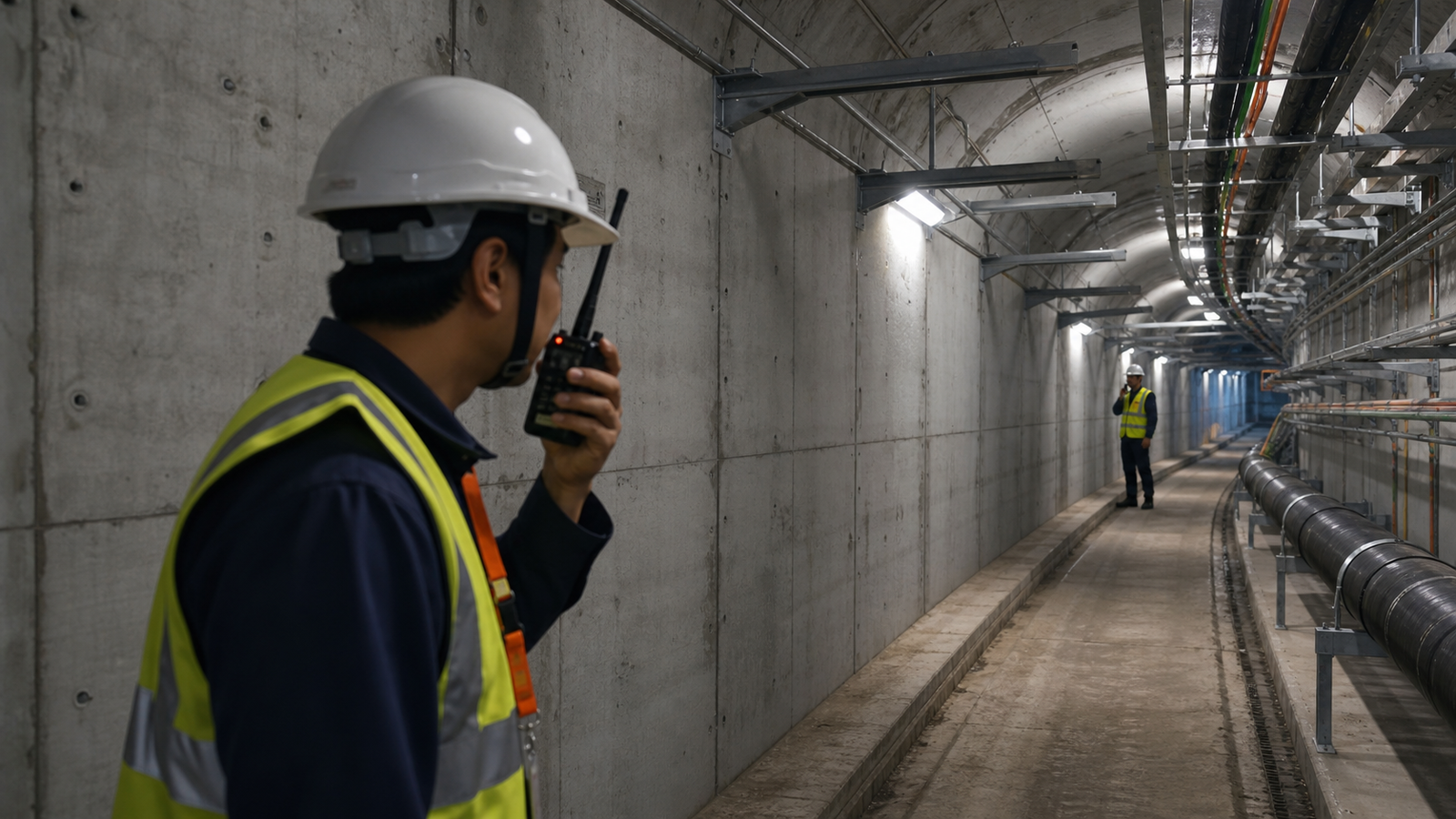
A no-phone-dependence planning story.
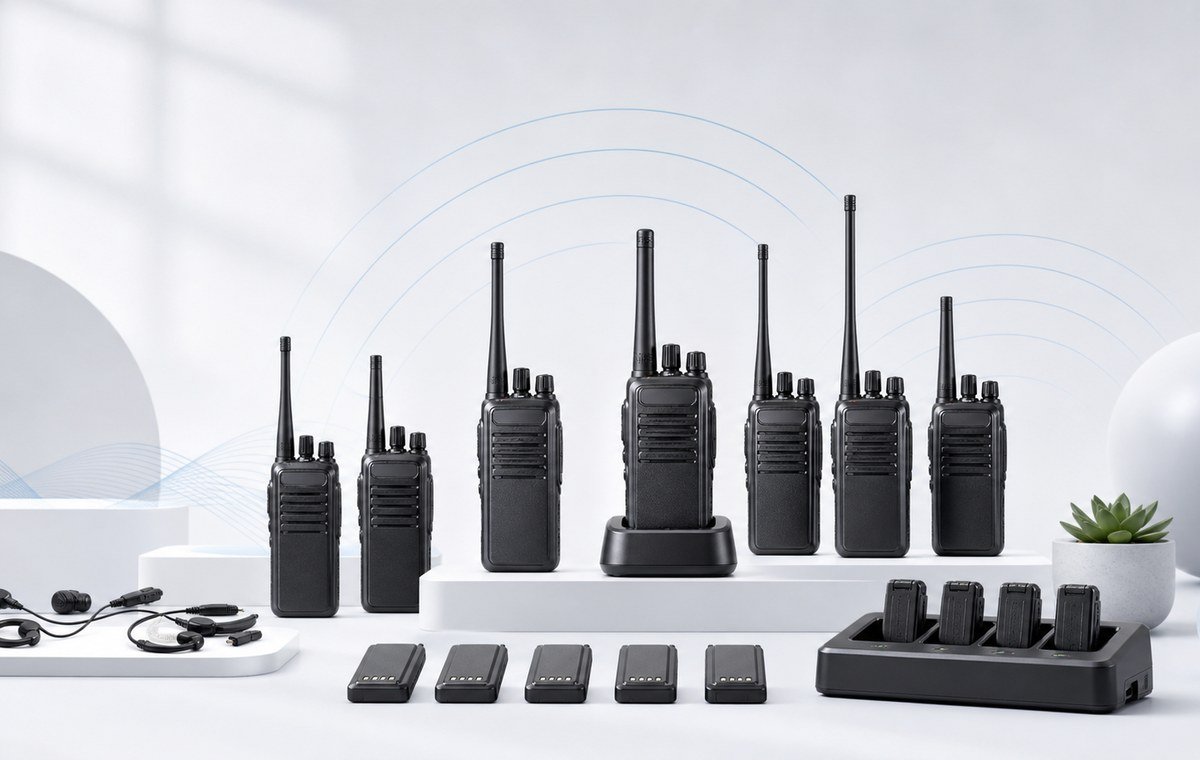
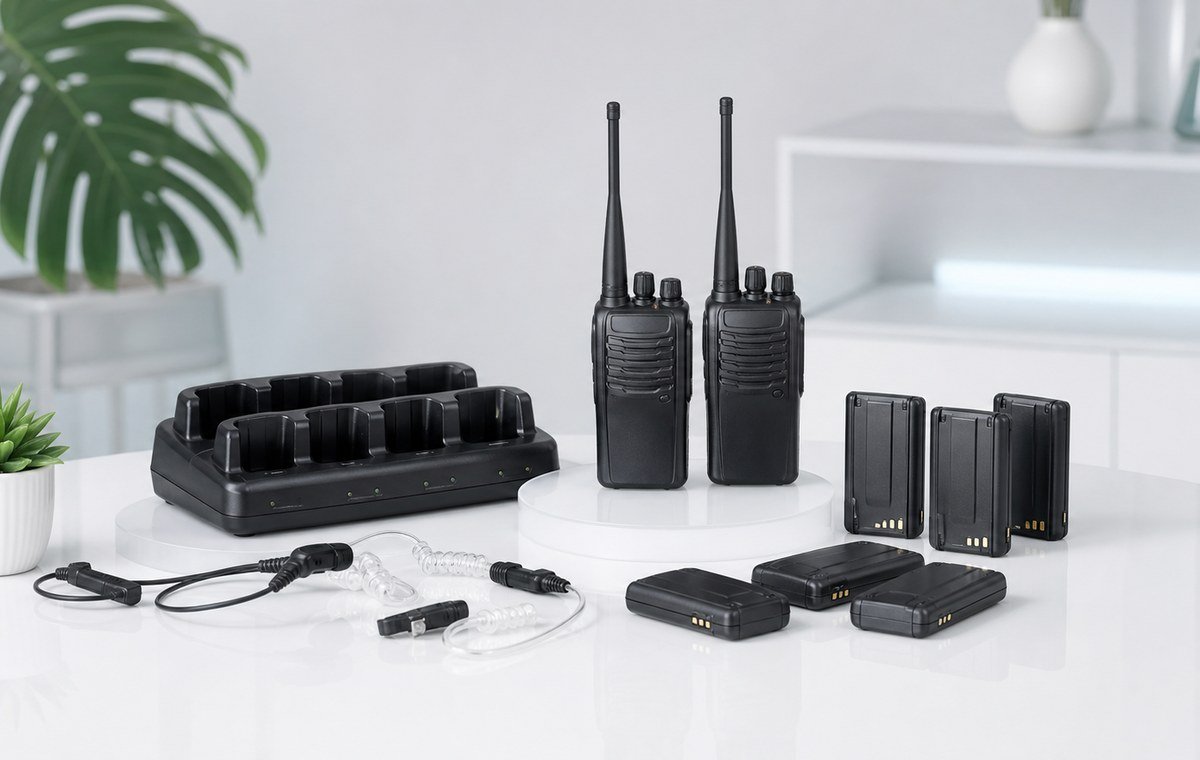
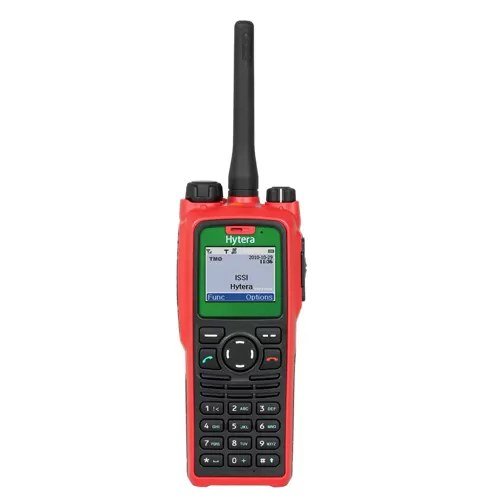
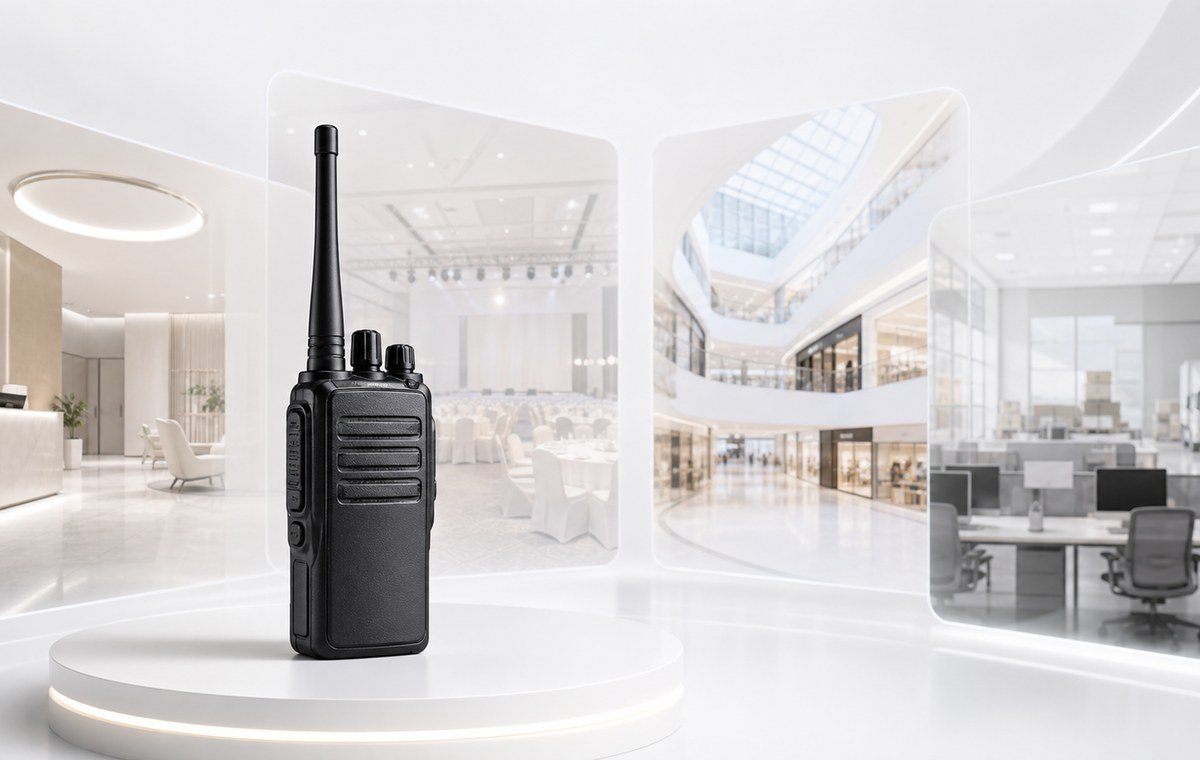
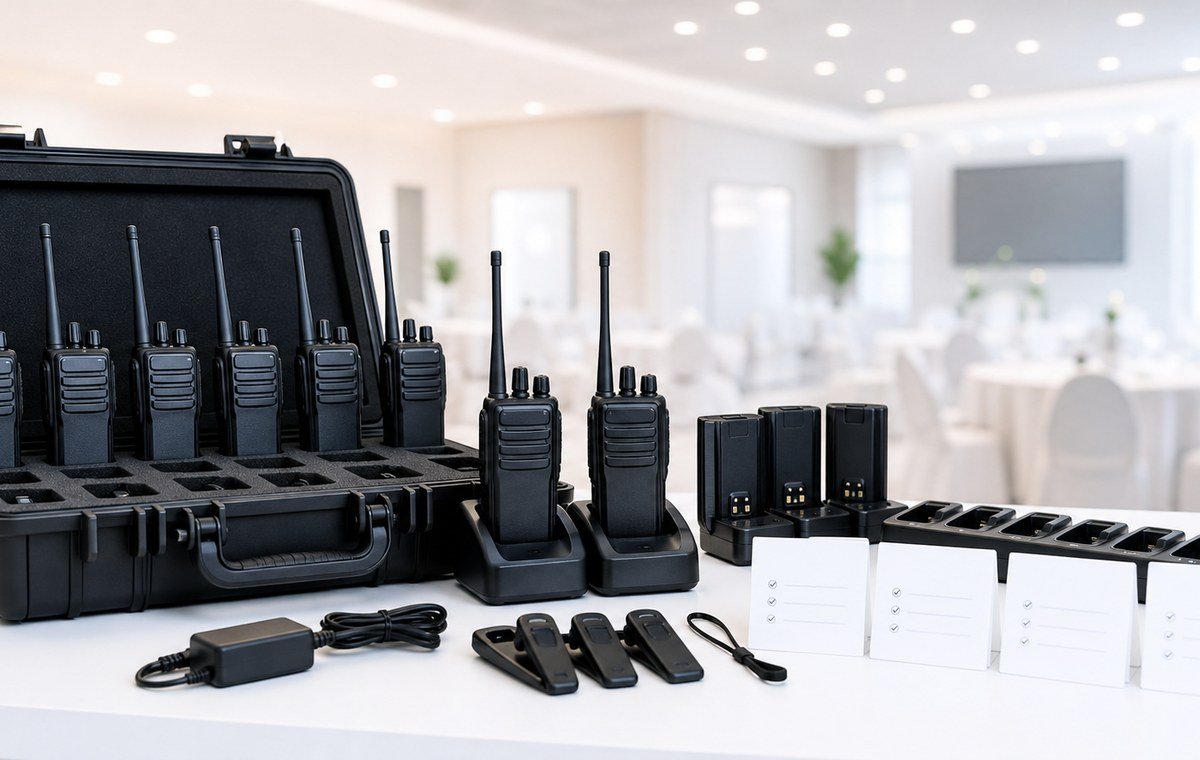
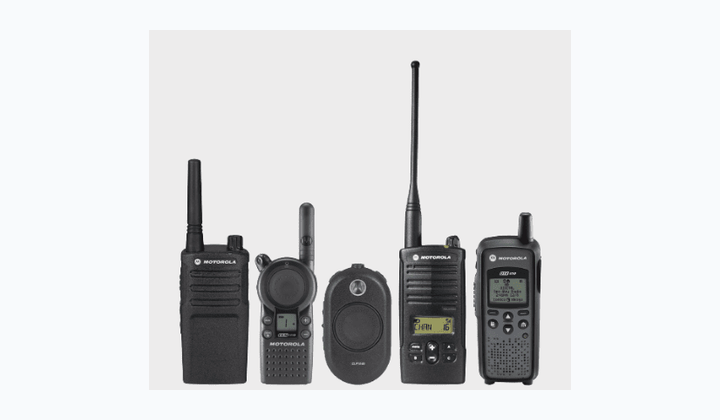
Bukku invoice INV-202510-039 includes an embedded line for Underground Engineering: 6 Motorola GP328 UHF radios at RM566 each, RM3,396 attributable line amount.
What changed after Octogen fixed it
- Problem
- Underground and service-corridor work should not depend only on phone calls, chat apps or a worker walking back to the entrance for every update.
- Result
- The invoice line records 6 Motorola GP328 UHF radios attributed to Underground Engineering SDN BHD, at RM566 each, RM3,396 line amount.
- Verification
- The customer appears inside an item description within mixed invoice INV-202510-039, so the public story uses only the attributable line amount and does not claim the full RM15,409 invoice.
The same order answers different buyer questions.
“In an underground job, silence between the entrance and the workface slows decisions.”
The project lead cares about reach, check-in rhythm and whether the team can coordinate without waiting for phone signal.
“A radio check is easier to standardize than asking everyone to unlock a phone underground.”
Safety buyers should think about call signs, check-in intervals and escalation phrases before workers enter a service corridor.
“The crew needs a simple push-to-talk habit, not another app.”
This story is useful because it keeps the buying lesson simple: a small radio set can support basic site communication discipline.
“The line amount matters because the invoice is mixed.”
Procurement needs clean attribution. This page uses only the Underground Engineering line, not the whole consolidated invoice.
Underground jobs need a communication habit that does not assume phone signal
The work area itself creates communication uncertainty
Tunnels, corridors, basements and service routes can break the habit of relying on mobile calls. The safer planning question is how crews check in when people are separated by distance and concrete.
- Use radios for short check-ins before relying on phone apps
- Plan who carries radios at entrance, workface and supervisor positions
- Keep the public claim limited to the verified radio order
The evidence is a line item, not a standalone customer invoice
Underground Engineering appears inside a mixed Octogen Resources invoice. That makes the story usable, but only if the public page respects the line-level evidence boundary.
- 6 x Motorola GP328 UHF attributed to Underground Engineering
- RM566 unit price, RM3,396 attributable line amount
- Full invoice contains other customers and must not be assigned to this story
Radio planning reduces dependence on phone signal assumptions
This page can educate buyers without pretending we measured tunnel coverage. The point is that underground crews should plan a push-to-talk fallback before the site exposes weak phone signal.
- Phone and app communication may be unreliable in underground spaces
- Radios create a shared call habit with fewer screen steps
- A site test is still required before claiming full coverage
The story became useful when we stopped trying to inflate it. The invoice does not prove a tunnel performance result; it proves a real underground engineering customer line for six UHF radios.
4 things to plan before using radios underground
This draft turns the Bukku evidence into a practical buying path. Click each step to explore.
How a small underground radio set can be planned
This is an illustrative planning workflow based on the verified order, not a claim of measured tunnel coverage.
This board separates the evidence layers buyers need to read before turning an order into a deployment claim.
6 radios – line-level proof – underground planning – site test still required
3 phases for underground radio discipline
Before Entry
- 07:45Radio owners assigned
- 07:55Entrance and workface roles confirmed
- 08:00Battery and channel check
- 08:05First check-in phrase agreed
During Work
- 09:00Movement update sent
- 10:00Supervisor calls pause
- 10:05Workface repeats instruction
- 11:30Exit timing confirmed
After Work
- 13:00Check missed calls
- 13:15Note weak areas for future testing
- 13:30Charge radios for next shift
Bukku Scorecard
What the invoice proves
This draft is deliberately careful. The public story should help underground contractors think about radio planning, but it should not pretend we have a full tunnel coverage report. The verified fact is the six-radio line for an underground engineering customer.
Things you probably want to know
Related cases and planning resources
Plan a similar radio requirement
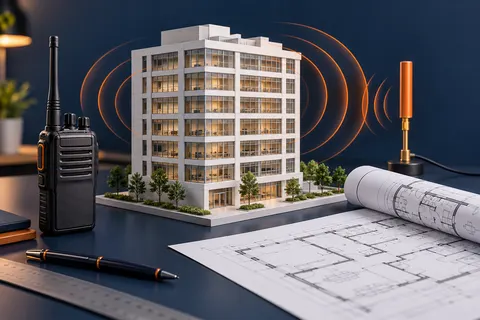
 IllustrationPlanning & servicesPlan radio coverage and system designDiscuss building layout, repeater requirements and coverage acceptance before choosing equipment.
- Planning & servicesRadio requirements for construction teamsReview crew roles, work zones and coverage constraints before specifying a fleet.
- Case study collectionBrowse all Octogen radio case studiesCompare rental, radio supply and fixed-system requirements across other documented cases.


Compare related customer orders
- Customer case850 Workers. 48 Floors.See how Octogen deployed 150 walkie talkies for 850 workers across 48 floors after a crane near-miss exposed construction site communication gaps.
- Customer case50 Floors. 8 Cranes.See how Octogen helped Pinnacle Builders fix high-rise radio dead zones, support eight cranes and avoid MCMC frequency risks on site.

Manufacturer and technical references
These technical references explain products or radio principles. They do not independently verify this customer order, measured site coverage or commissioning. Product variants and local requirements need confirmation.
Plan communication before your crew goes underground
Send the route, crew count and site constraints. Octogen can help decide what to test before you depend on radios.