

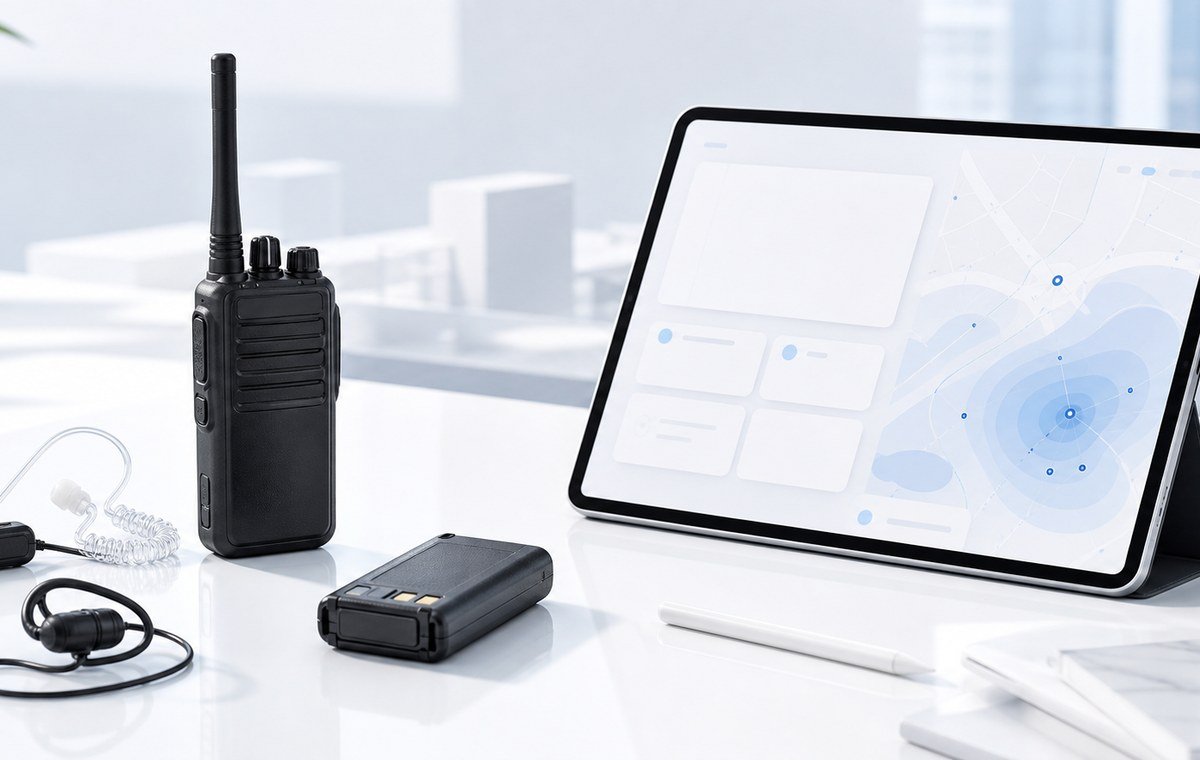
A phased project-buying story.
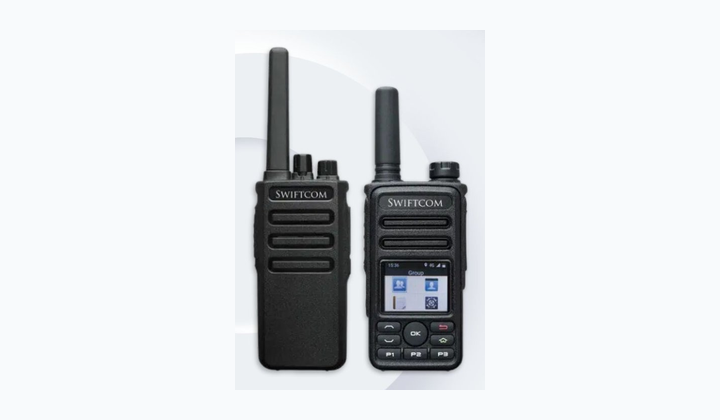
Bukku invoice INV-202603-023 records 10 MYTETRA MYT-836L units at RM780 each, with a note that project bundle pricing applies when the order reaches 20 units.
What changed after Octogen fixed it
- Problem
- A project buyer may not want to commit to the full fleet before validating the first batch and total quantity requirement.
- Result
- The invoice records 10 MYTETRA MYT-836L units at RM780 each, RM7,800 total, with RM0 balance and a bundle-pricing note if total project purchase reaches 20 units.
- Verification
- Bukku detail for INV-202603-023 shows the model, quantity, unit price, invoice amount, balance and project-bundle pricing note.
The same order answers different buyer questions.
“Start with the first working batch, then scale when the project confirms quantity.”
This role cares about not overbuying too early while still giving the project team a real radio set to use.
“Ten radios are enough to test the rhythm before expanding.”
Operations can test assignment, charging, handover and radio etiquette before a bigger order.
“The bundle note gives a pricing trigger instead of a vague future discount.”
Finance gets a visible threshold: if the project reaches 20 units within the stated window, the adjusted bundle price can be applied.
“The invoice shows a first batch, a unit price and a future order rule.”
Procurement can compare this with vendors that only quote a one-time unit price.
A first batch has to prove both usage and buying logic
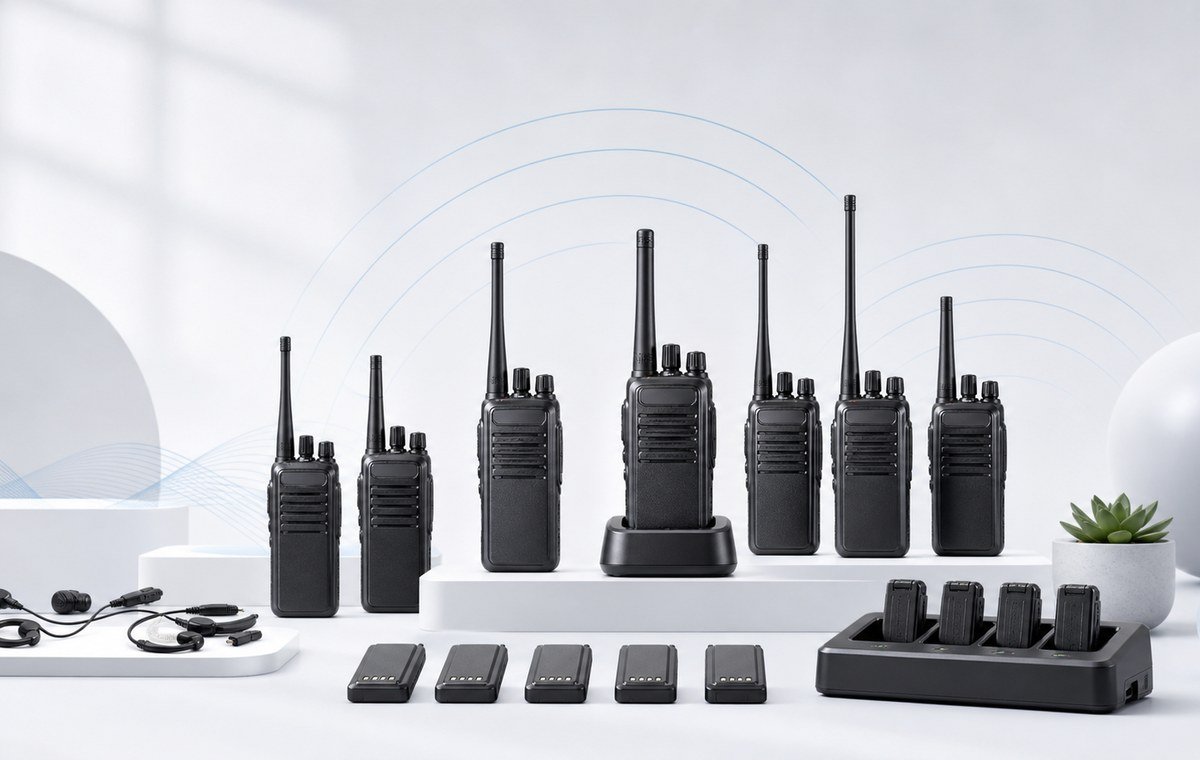
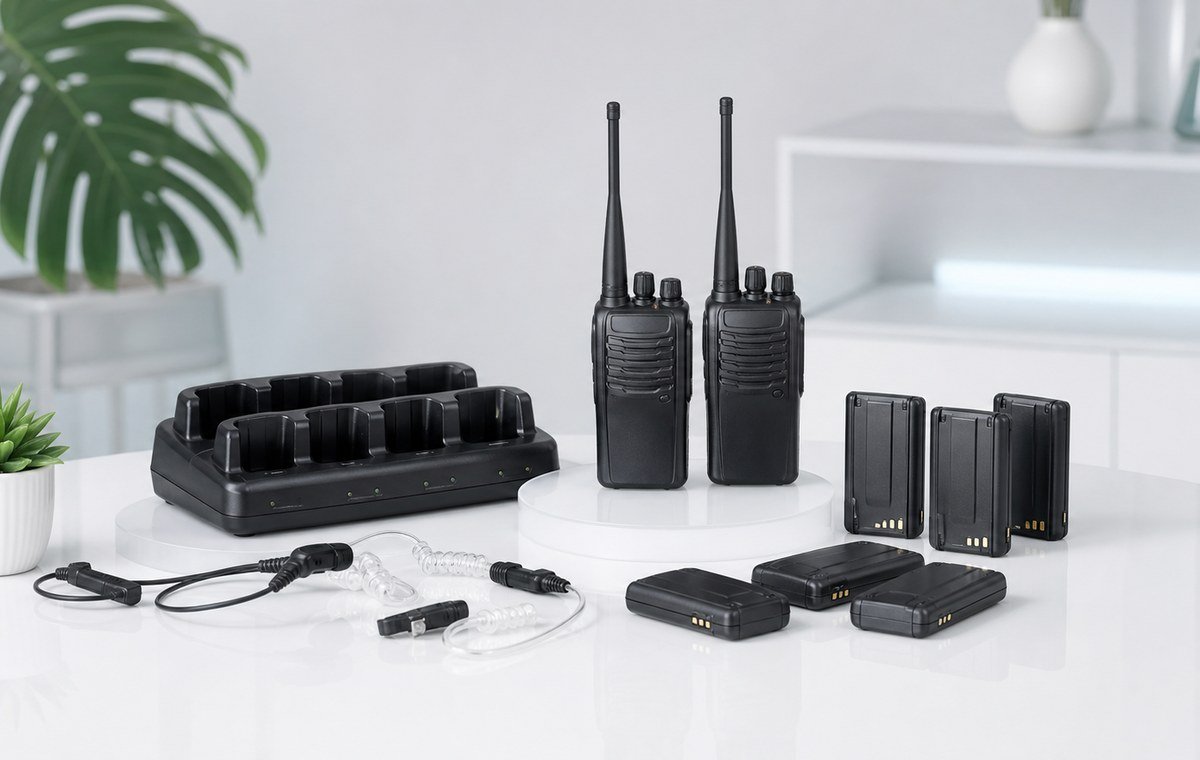
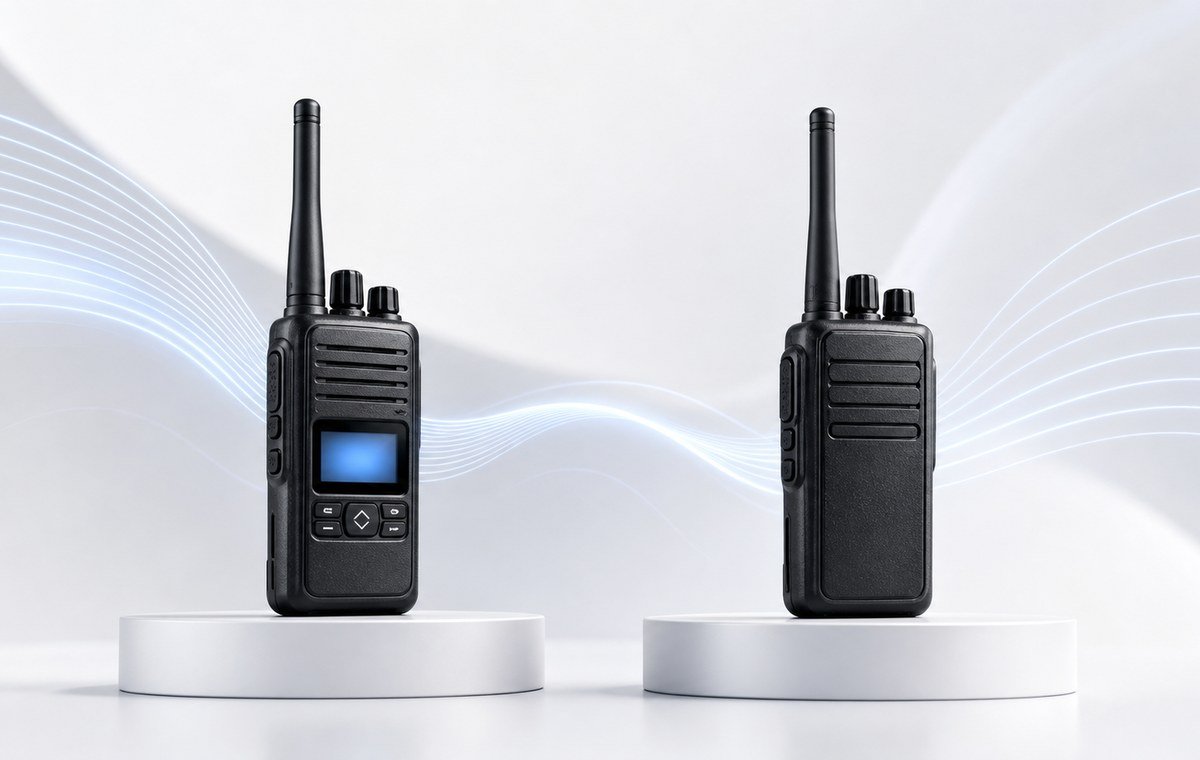
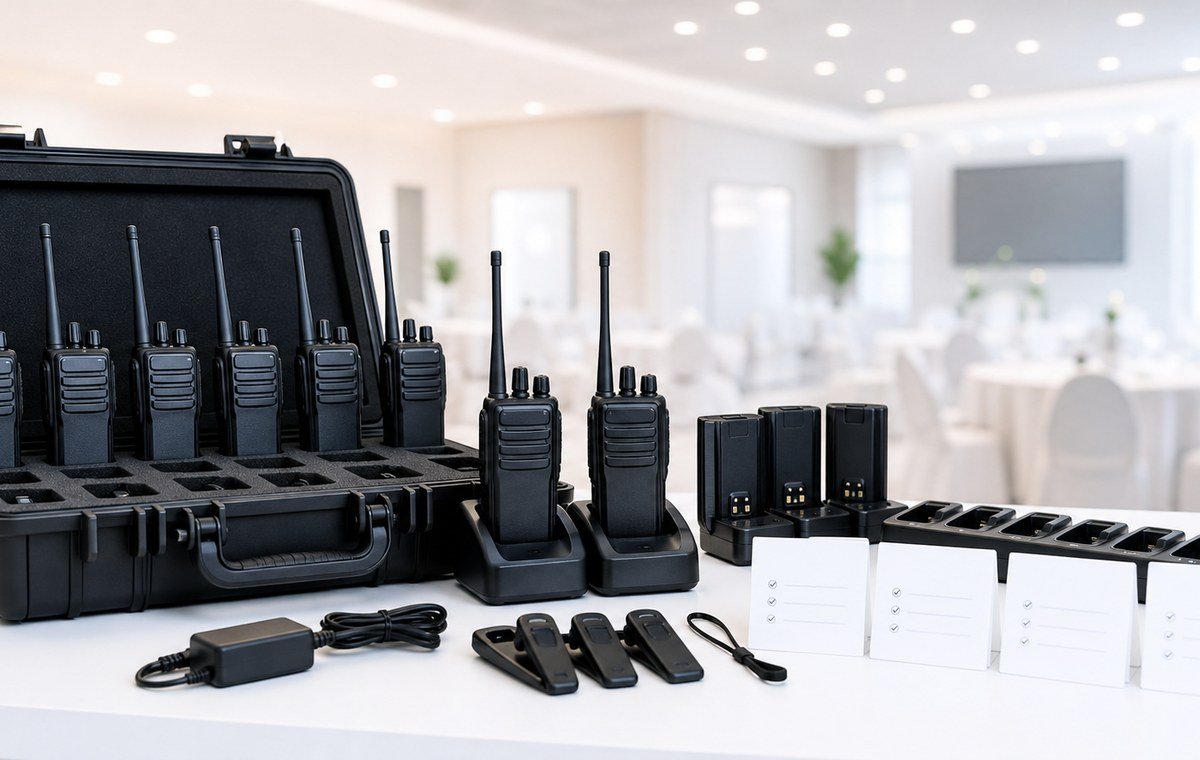
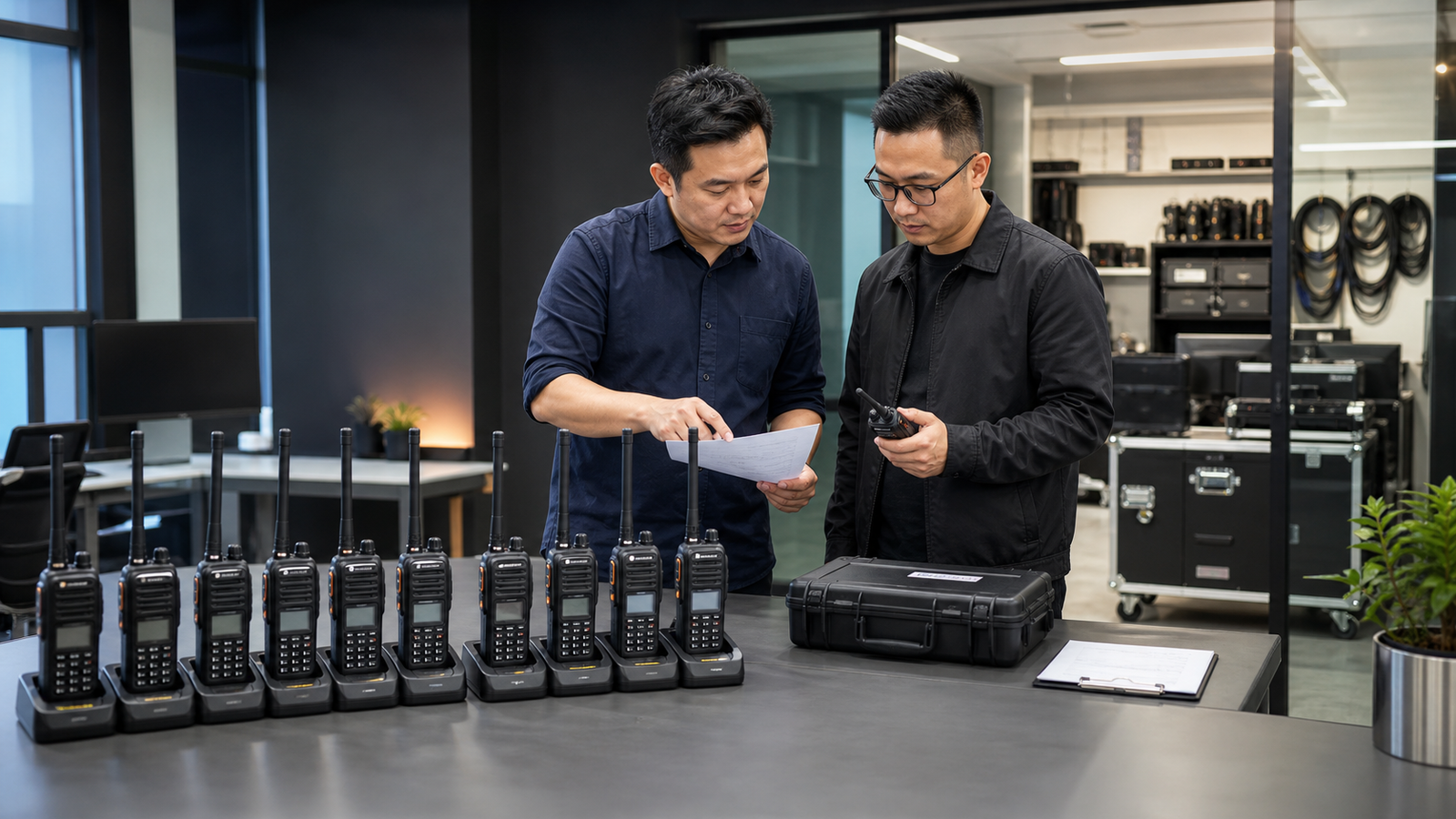
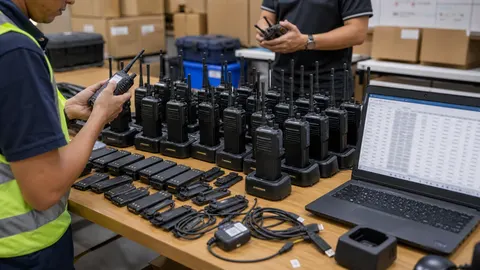
The buyer started with a controlled 10-unit batch
The first order was not a random small purchase. It gives the project a real operating set before committing to a bigger radio count.
- 10 MYTETRA MYT-836L units in the invoice
- RM780 unit price for current order quantity
- RM7,800 total with RM0 balance
Staging makes radio ownership visible
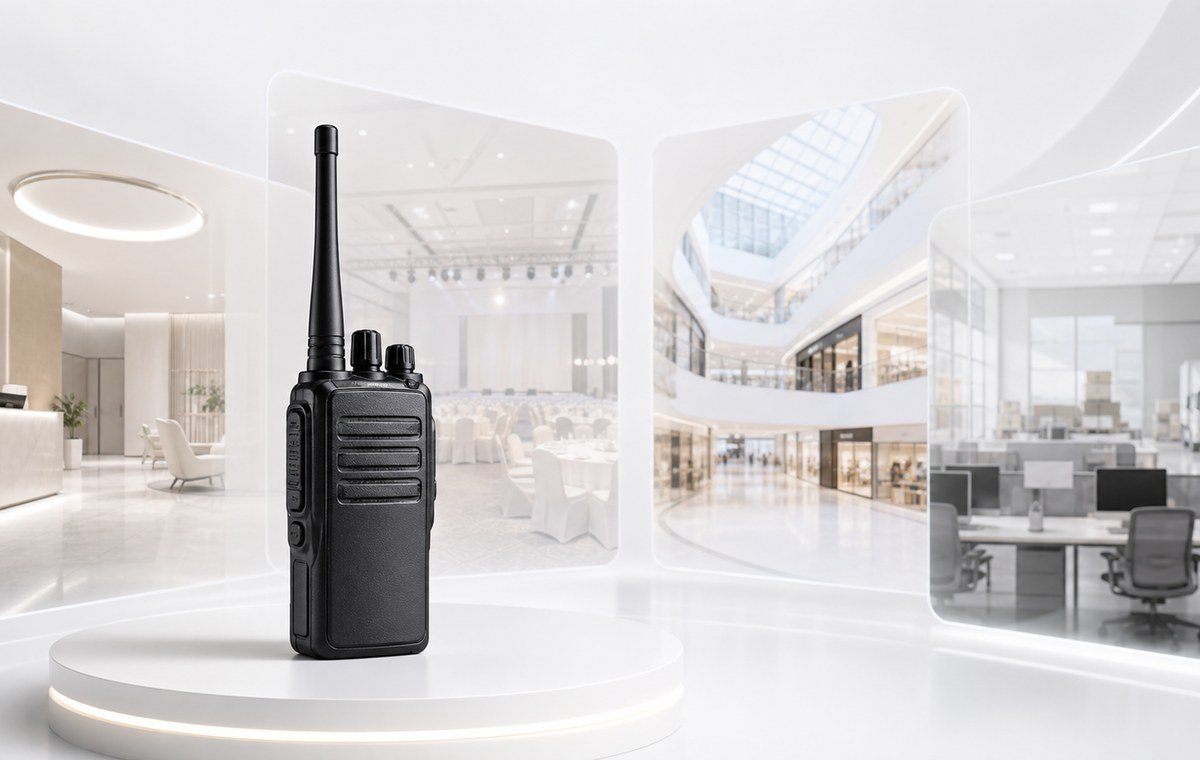
The image-led section should show radios as assigned work tools, not generic gadgets. The buyer needs a handover habit: who carries, who charges and who responds.
- Assign radios to actual job roles
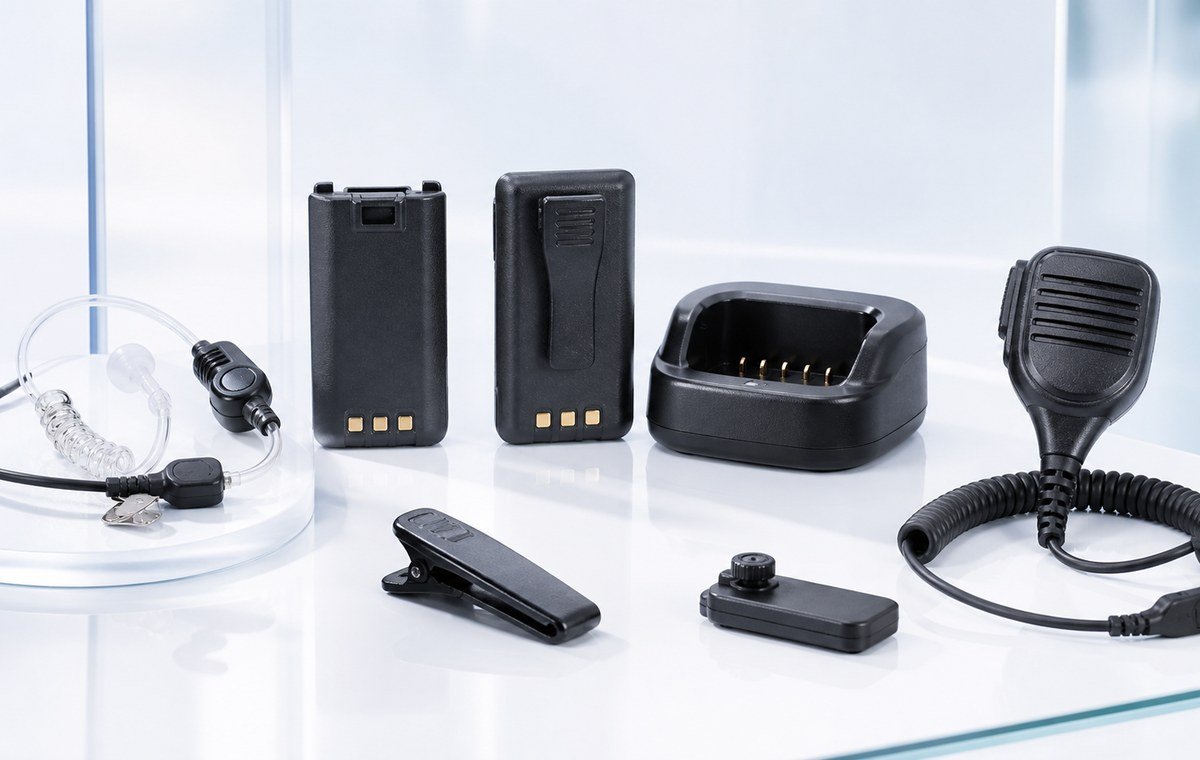
- Confirm charger and battery routine
- Use short radio phrases before the next batch
The price story changes when the project reaches 20 units
The Bukku remark says a project bundle price of RM700/unit applies if total purchase reaches 20 units within the stated project window.
- Current order: 10 units at RM780/unit
- Bundle threshold: 20 total units
- Future balance order can receive the project bundle adjustment
This order is useful because the invoice contains both the first purchase and the future buying rule. That turns a small order into a staged procurement story.
4 things to manage in a staged radio purchase
This draft turns the Bukku evidence into a practical buying path. Click each step to explore.
How a first batch becomes a scale-up decision
This is a buyer planning model based on the invoice note, not a claim about project performance.
This board separates the evidence layers buyers need to read before turning an order into a deployment claim.
10 units – bundle threshold 20 – RM7,800 – balance RM0
3 phases in a staged radio bundle
First Batch
- 09:0010 radios checked and assigned
- 10:30Charging routine set
- 12:00Basic call phrases agreed
- 16:00First usage notes collected
Usage Review
- 09:00Count actual daily radio owners
- 11:00Find gaps in handover
- 14:00Compare need against 20-unit threshold
- 16:00Prepare balance-order decision
Scale Plan
- 09:00Confirm timeline window
- 11:00Check bundle adjustment condition
- 15:00Plan next order if needed
Bukku Scorecard
What the invoice proves
This is a good staged-purchase example. The first ten radios are enough to make the project real, and the bundle note gives the buyer a clear reason to track whether demand reaches twenty units.
Things you probably want to know
Related cases and planning resources
Plan a similar radio requirement
 Planning & servicesCompare radio and accessory optionsReview the product range, then confirm exact model and accessory compatibility with Octogen.
- Planning & servicesCheck radio repair and fleet servicing optionsPrepare the radio model, symptoms and accessory requirements for a service assessment.
- Case study collectionBrowse all Octogen radio case studiesCompare rental, radio supply and fixed-system requirements across other documented cases.

Compare related customer orders
- Customer caseNot New Radios.An invoice-backed Selangor industrial radio accessory case study: 25 remote speaker microphones, 50 leather cases, 3 IMPRES 2 multi-unit chargers and 10 hardhat-mount headsets in a RM61,725 paid order.
- Customer case6 Demo Units. RM4,800 Paid.A Miri, Sarawak HVAC buyer purchased 6 Motorola MOTOTRBO XiR P6600i TIA UHF demo units from Octogen, backed by Bukku invoice INV-202604-0XX for RM4,800 with clear no-return sale terms.

Manufacturer and technical references
These technical references explain products or radio principles. They do not independently verify this customer order, measured site coverage or commissioning. Product variants and local requirements need confirmation.

Start with the right batch, then scale with evidence
Bring your team roles, project timeline and target quantity. Octogen can help turn a first order into a clean scale-up plan.