

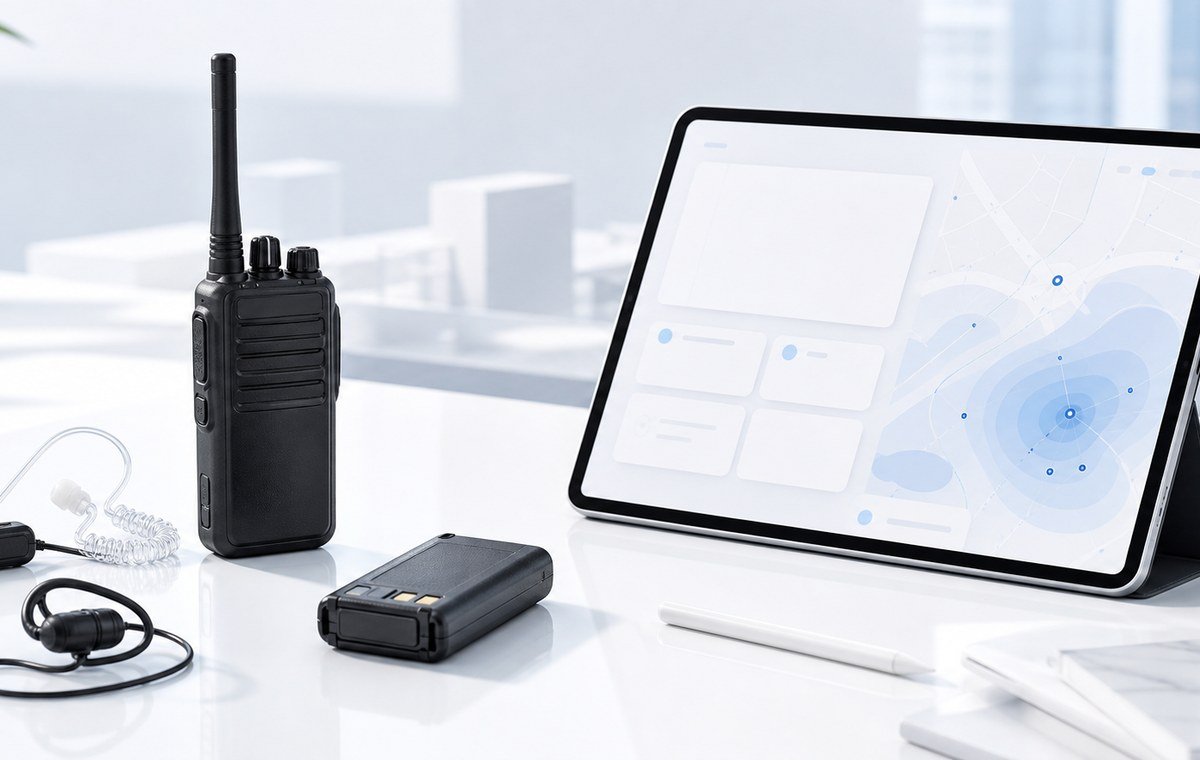

RM30,130 coverage-test story.
Bukku invoice INV-202511-017 records a Motorola SLR-5300 UHF repeater system with system design, coverage test, installation support and MCMC Duplex licensing.
What changed after Octogen fixed it
- Problem
- A larger industrial site needed more than handheld radios because radio reach depended on repeater planning, antenna hardware, cable path and approved frequency work.
- Result
- The order records one SLR-5300 UHF repeater, duplexer, lightning arrestor, antenna, 30 metres of cable, system design and coverage test, two installation-support trips and an MCMC Duplex license line.
- Verification
- Bukku detail for INV-202511-017 shows RM30,130 total and RM0 balance, with repeater hardware, service lines and licensing listed in the same invoice.

The same order answers different buyer questions.
“If the site is large, one radio model is not the whole solution.”
Operations needs to know whether the radio network reaches the real work zones. This story is useful because it includes system design, coverage test and installation support.
“Coverage gaps become safety gaps when teams cannot call across distance.”
The repeater system gives safety buyers a way to think about blind spots, escalation points and call discipline before a job starts.
“The antenna, cable and duplexer are as important as the handheld unit.”
This is a technical story, so the page foregrounds hardware planning instead of pretending the device alone solved coverage.
“The invoice bundles hardware, service and license work into one visible scope.”
Procurement can compare vendors by scope completeness: repeater, accessories, design, installation support and MCMC line.
Why repeater jobs should not be quoted like normal walkie-talkie purchases
The real problem was site coverage, not just device count
Repeater work starts with the shape of the site. The invoice is valuable because it records system design and coverage test as an explicit service line.
- System design and coverage test listed at RM6,000
- Installation support listed for two trip-days
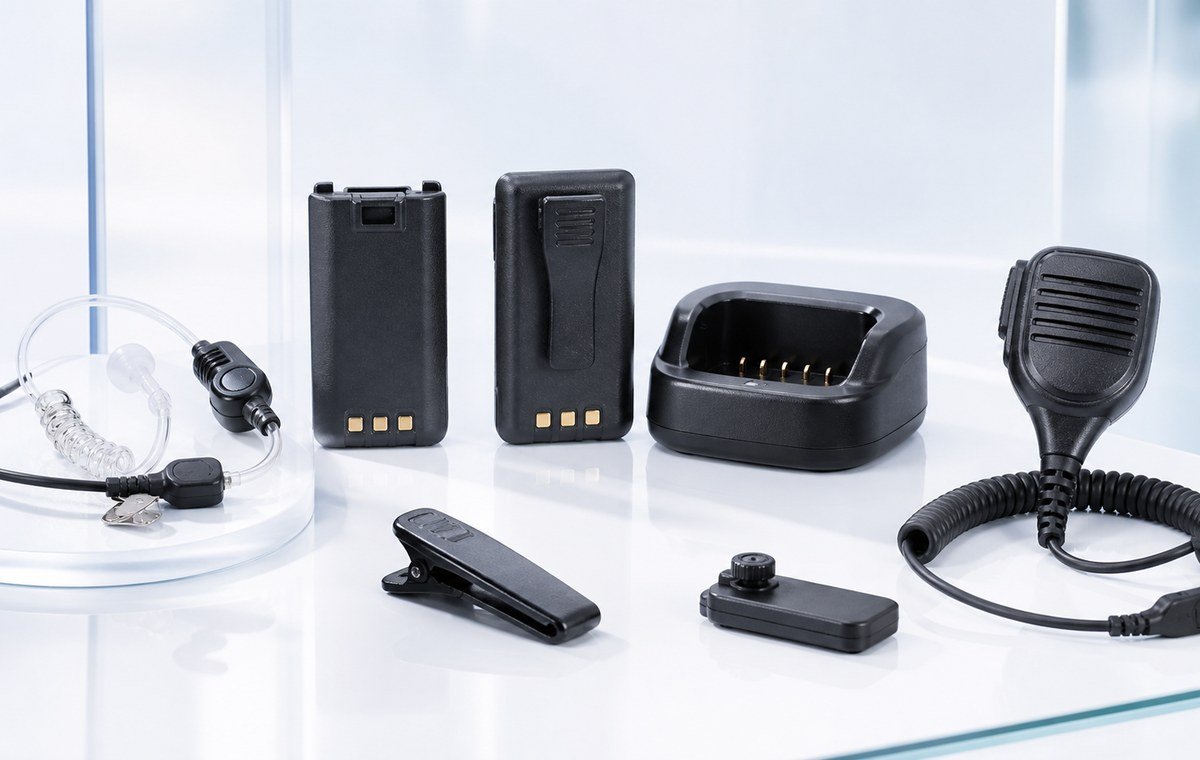
- Repeater hardware appears with antenna, duplexer and cable parts
The repeater stack had multiple dependent parts
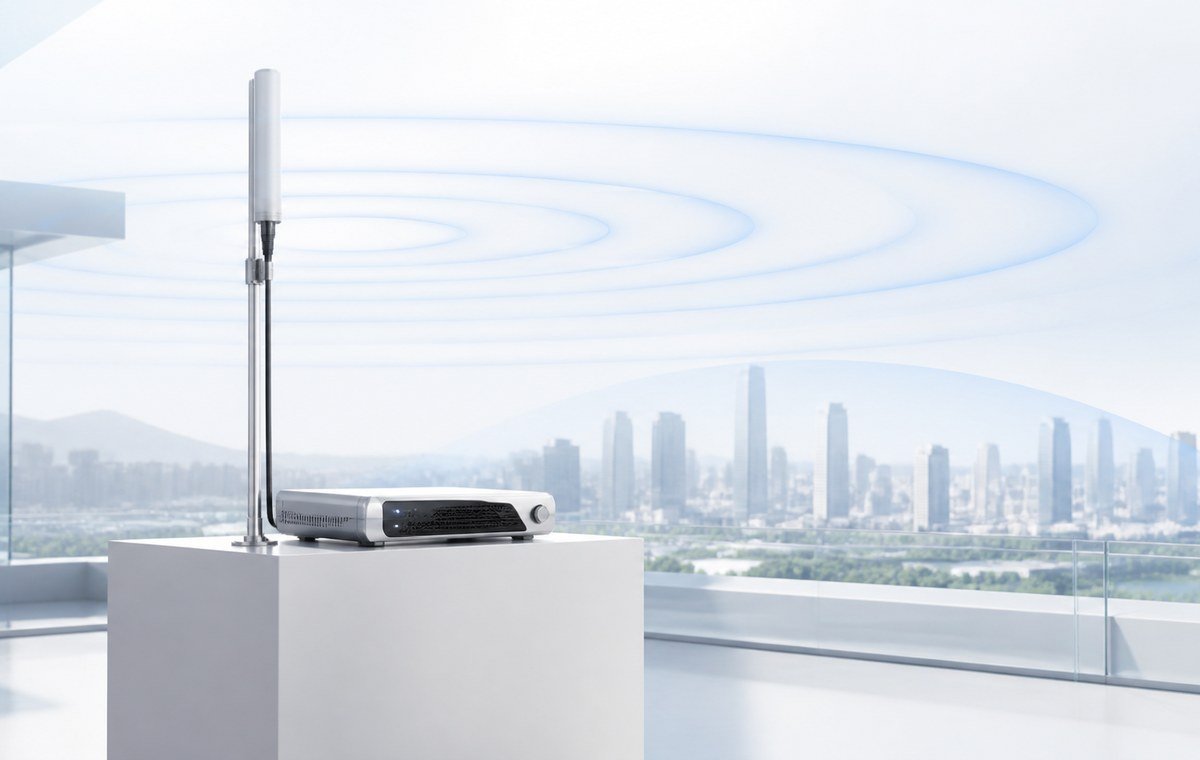
The line items show why a repeater system is more than one black box. Duplexer, antenna, cable, connectors and lightning protection all affect the installation plan.
- SLR-5300 UHF repeater listed at RM12,500
- Duplexer, antenna and lightning arrestor appear as separate lines
- Cable and connector quantities make the physical installation visible
MCMC approval can affect project delivery timing
The invoice note states that duplexer ordering can proceed only after MCMC Apparatus Assignment frequency approval. That makes licensing a schedule item, not just admin.
- MCMC Duplex license line listed at RM2,750
- Invoice note links approval timing to delivery timeline
- Buyer can plan paperwork before hardware expectation
The useful lesson is that a repeater job becomes safer when scope is visible before deployment. Hardware, cable path, coverage testing, support days and licensing should sit in one plan.
4 things Octogen made visible in the repeater scope
This draft turns the Bukku evidence into a practical buying path. Click each step to explore.
How a repeater scope moves from quote to working radio path
This is a planning view based on invoice scope, not a live performance guarantee.
This board separates the evidence layers buyers need to read before turning an order into a deployment claim.
Repeater hardware – coverage test – installation support – MCMC Duplex
3 phases in a repeater coverage job
Scope Lock
- 09:00Repeater system scope confirmed
- 10:00Antenna and cable dependencies listed
- 11:00Coverage test service separated from hardware
- 12:00MCMC path identified
Site Test
- 09:00Technician checks repeater and antenna assumptions
- 11:00Coverage-test route prepared
- 14:00Installation support window planned
- 17:00Buyer can see what will be tested
Handover
- 10:00License and installation notes filed
- 12:00Parts list reconciled
- 15:00Buyer keeps one system record
Bukku Scorecard
What the invoice proves
This is the kind of repeater scope we want buyers to compare. It shows the hardware, the site work, the test, the installation support and the licensing line. That makes the conversation more practical than asking for a repeater price only.
Things you probably want to know
Related cases and planning resources
Plan a similar radio requirement
 IllustrationPlanning & servicesPlan radio coverage and system designDiscuss building layout, repeater requirements and coverage acceptance before choosing equipment.
- IllustrationPlanning & servicesPlan a permanent radio systemCompare repeaters, antenna distribution and portable radio requirements.
- Case study collectionBrowse all Octogen radio case studiesCompare rental, radio supply and fixed-system requirements across other documented cases.


Compare related customer orders
- Customer case40 UHF radios. One approved MCMC simplex certificate.A real Octogen case study backed by an MCMC Simplex / Apparatus Assignment certificate and Bukku invoice INV-202511-006 for 40 Motorola MOTOTRBO XiR P6620i UHF radios.
- Customer case2 repeater orders. 12 TIA radios.A two-invoice repeater system draft based on Usahasama Emas orders: UHF and VHF SLR-5300 repeaters with 6 P6620i TIA radios each, with balances still open in Bukku.

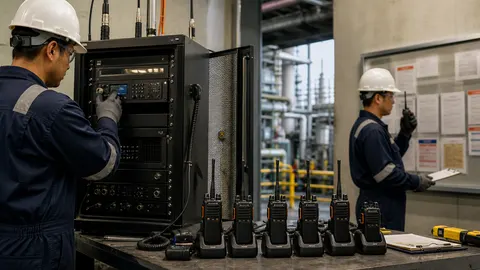
Manufacturer and technical references
These technical references explain products or radio principles. They do not independently verify this customer order, measured site coverage or commissioning. Product variants and local requirements need confirmation.
Plan the radio path before your team depends on it
Bring your site shape, operating zones and compliance questions. Octogen can help turn that into a practical radio plan.