
Octogen

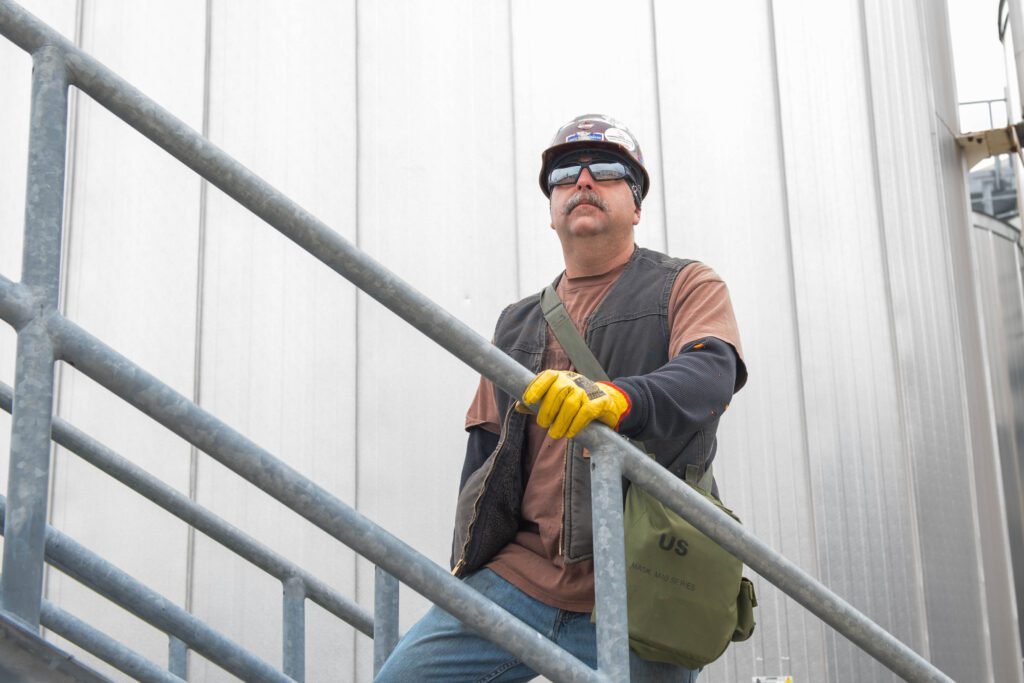
Industrial hazardous-site worker near storage tanks, used as context for intrinsically safe walkie talkie planning.

Intrinsically Safe Walkie Talkies in Malaysia: What Buyers Must Check

Industrial hazardous-site worker near storage tanks, used as context for intrinsically safe walkie talkie planning.
Hazardous Site Radios · 2026-05-02

Intrinsically Safe Walkie Talkies in Malaysia: What Buyers Must Check

Normal walkie talkies are not automatically suitable for explosive atmospheres. Use this guide to prepare the right questions before choosing radios for fuel, oil, gas, chemical, dusty, or controlled industrial areas.

8 min readHazardous areasIECEx / ATEX planningHSE procurement
Hazardous area radio brief

Start with the site zone and certificate, not the radio price.

For explosive atmospheres, radio selection is a safety and compliance decision. The right question is not only whether the radio can reach the guardhouse, but whether the equipment is approved for the area where the worker will carry it.

82readiness

Most buying mistakes happen when a normal radio is chosen before HSE confirms the hazardous area classification.

ZoneConfirm where flammable gas, vapour, mist, or dust may be present.
MarkMatch the radio certificate and marking to the classified area.
UseSeparate patrol, maintenance, shutdown, and emergency roles.
CareKeep batteries, chargers, repair, and accessories inside the approved plan.
Z
Zone firstNormal warehouse rules do not decide hazardous area suitability.
C
Certificate trailAsk for model-specific certification evidence, not generic sales copy.
A
Accessory controlBatteries, audio accessories, and chargers can affect the approved system.
H
HSE sign-offFinal use should be cleared by competent site safety personnel.
Certified Radio Decision Cockpit

Do not let a normal radio walk into the wrong zone.

Zone checkCertificate reviewControlled rollout
Exapproval path

Area drives the radio choice

Oil, gas, chemical, fuel storage, and dusty processing sites may need certified equipment depending on the classified area.

Approval risk falls when evidence improves

Model marking, certificate status, approved battery, and repair control reduce procurement uncertainty before deployment.

Map users to zones

Different posts may need different rules. A radio that is acceptable in the office may not be acceptable near tanks, loading areas, or process rooms.

01 ClassifyConfirm hazardous area and operating task.
02 VerifyCheck radio, battery, accessory, and marking evidence.
03 AssignLimit approved sets to the right users and locations.
04 ControlManage charging, repair, replacement, and handover.
05 ReviewRecheck when process, chemical, or site layout changes.

When is an intrinsically safe walkie talkie needed?

A hazardous area radio may be needed when workers carry communication equipment into areas where flammable gas, vapour, mist, or combustible dust can be present.
ATEX hazardous area zone diagram used to explain radio approval conversations for intrinsically safe walkie talkies.
ATEX zone reference image: Belsatex via Wikimedia Commons, CC BY-SA 4.0; used as a technical planning reference.

For normal offices, retail floors, hotels, and many warehouses, a standard business walkie talkie may be enough. Hazardous industrial sites are different. If the area has an explosion risk, the radio becomes electrical equipment that must be reviewed against the site classification.

Common examples include oil and gas facilities, fuel storage, chemical processing, paint or solvent handling, some marine and port operations, and dusty processing areas. The exact answer should come from the site hazardous area classification and HSE team, not from a general radio catalogue.

For example, a site may treat Zone 0, Zone 1, Zone 2, Zone 21, or Zone 22 areas differently. A 12-hour shutdown team may also need a different spare radio and battery workflow from 5 radios kept at a fixed guardhouse.

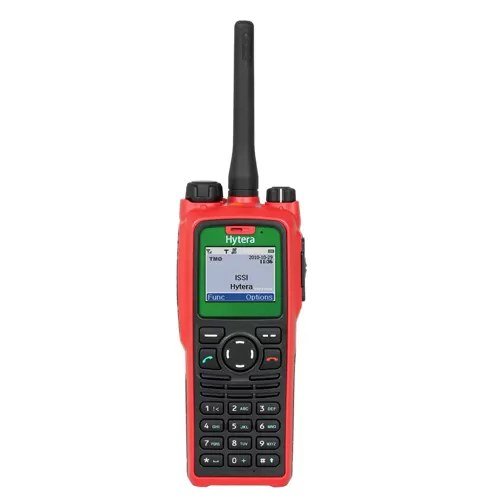
Octogen can help the procurement conversation by separating communication needs from safety approval needs: who carries the radio, where they carry it, what accessories they use, and what evidence the site safety team must review.

  • Do not assume waterproof or rugged means intrinsically safe.
  • Do not move a normal radio into a classified zone just because it works elsewhere on site.
  • Do not mix batteries or audio accessories without checking whether they remain part of the approved radio system.

What markings should procurement check before buying?

Procurement should ask for model-specific certification evidence and confirm that the marking fits the site requirement.

Terms such as ATEX, IECEx, Ex, intrinsically safe, explosion proof, and hazardous location are not interchangeable buying shortcuts. They point to different approval systems, protection concepts, and site requirements.

For a walkie talkie purchase, the practical step is to collect the exact radio model, battery model, charger guidance, accessory compatibility, certificate or declaration, and marking details. Then the HSE or competent safety person can compare that evidence with the area classification.

If the seller cannot identify the approved battery or certificate trail, treat it as a blocker for hazardous-area use until clarified.

  • Radio model and marking: the approval applies to a specific model and protection concept; avoid buying a visually similar radio without the same marking.
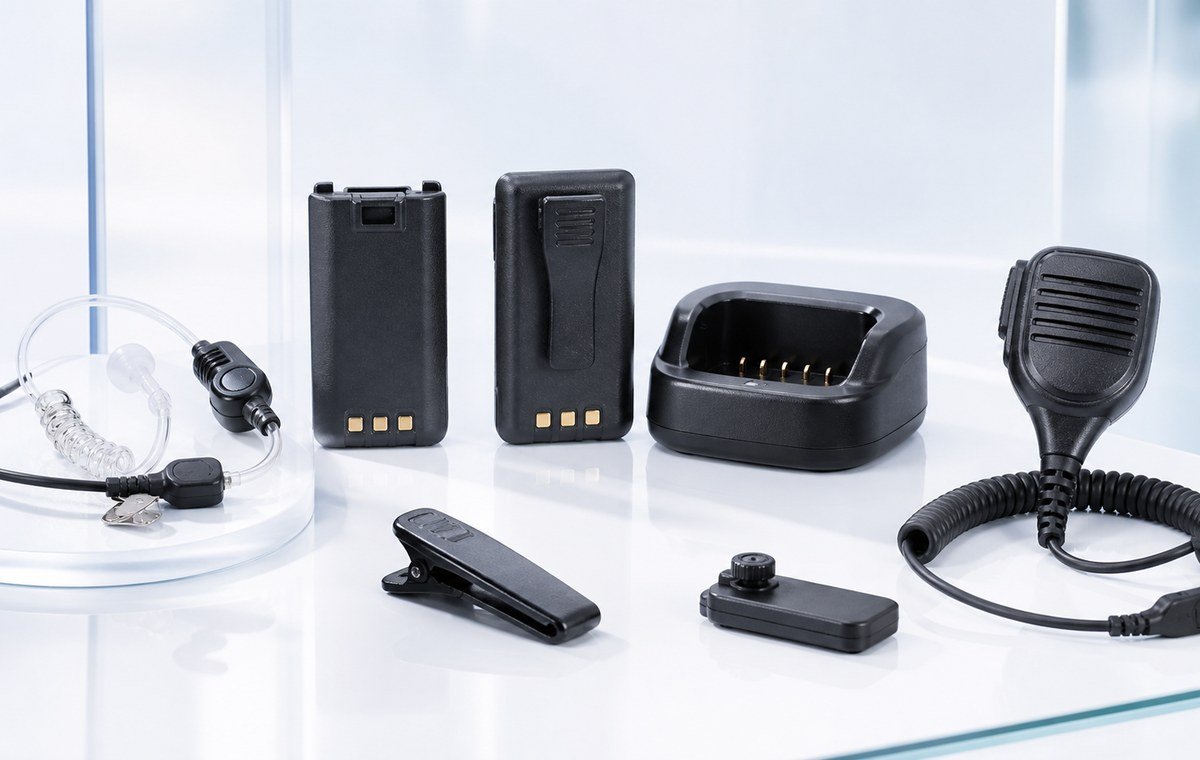
  • Battery and charger rules: the battery is part of the safe operating system; avoid cheaper spare batteries that are not approved for the radio.
  • Audio accessory compatibility: earpieces or microphones can change the approved configuration; avoid adding generic accessories after the radio is approved.
  • Repair and replacement control: damaged equipment may no longer match the certified condition; avoid informal part swapping across sites.

How should Malaysian teams plan radios around hazardous zones?

Plan communication by zone, user role, and emergency workflow before deciding how many certified radios to buy.

Start by separating people who enter controlled process areas from people who stay in offices, warehouses, guardhouses, or logistics zones. Not every user needs the same radio, but the people entering hazardous areas need the strictest review.

Next, decide whether the user needs normal voice traffic, emergency alerts, lone-worker support, hands-free audio, or shift handover logging. These requirements affect model choice, accessory choice, battery rotation, and spare unit planning.

The section image below is a technical zone reference, not a Malaysia legal approval document. Use it as a conversation starter: the site owner or competent person must confirm the actual classification and allowed equipment.

  • Map radio users against their actual work locations.
  • Keep certified radios physically separated from normal site radios if confusion is possible.
  • Document which batteries, chargers, and accessories belong to the certified set.

Buyer checklist by hazardous-site situation

Use the checklist below to prepare a cleaner conversation before asking Octogen or your safety team for equipment options.

The goal is not to overbuy specialist radios for every user. The goal is to avoid placing the wrong electrical equipment into the wrong operating area.

A practical starting point is to list 3 site situations: daily operations, temporary contractor work, and emergency response. Then decide which users enter classified areas and which users only communicate from normal support areas.

  • Fuel depot or petrol operation: prepare zone or classification notes, user list, emergency roles, and required shift duration.
  • Chemical plant or solvent area: prepare the process area map, model marking requirement, and accessory rules.
  • Dusty processing or storage area: prepare dust classification, cleaning workflow, radio storage, and charging location.
  • Contractor maintenance work: prepare permit-to-work rules, loan radio control, and battery return process.

Real Deployment Notes

The safest radio plan is usually a controlled workflow, not a bigger radio purchase.
Keep charging outside the controlled area

Plan where certified radios are charged, inspected, and issued. Charging workflows should follow site rules and not drift into informal user behaviour.

Do not mix approved and normal accessories

If the radio is used with a specific approved battery or audio accessory, label and store the set clearly so replacement parts do not break the approval trail.

Let HSE own the final approval

Octogen can advise radio options and operating workflow, but the site owner or competent safety person should confirm hazardous area suitability before use.

Hazardous areas IECEx / ATEX planning HSE procurement

Common Customer Questions

Is a waterproof walkie talkie the same as an intrinsically safe walkie talkie?

No. Waterproofing is about resistance to water ingress. Intrinsic safety or hazardous-area approval is about reducing ignition risk in explosive atmospheres. A rugged radio is not automatically suitable for a classified hazardous area.

Can normal walkie talkies be used in oil and gas sites?

Only in areas where the site rules allow them. If the user enters a classified hazardous area, the radio, battery, and accessories should be reviewed against the site’s safety requirements before use.

Should every worker on a hazardous site use an intrinsically safe radio?

Not always. Users who stay outside classified areas may use different equipment from workers entering controlled zones. The radio plan should follow the site map, role, and HSE approval process.

What should I send Octogen before asking for intrinsically safe radio options?

Send the site type, user roles, hazardous area classification if available, required radio quantity, shift length, accessory needs, and whether the radios are for daily operation, shutdown work, contractor use, or emergency response.

Can Octogen certify that a radio is safe for my hazardous area?

Octogen can help with radio selection and documentation requests, but final hazardous-area suitability should be confirmed by the site owner, HSE team, or competent safety professional using the actual site classification and equipment evidence.

Ask Octogen About Your Site Coverage

Send Octogen your site type, user roles, zone information if available, shift length, and accessory requirements. The team can help narrow the radio discussion before your HSE or safety team confirms final hazardous-area suitability.