
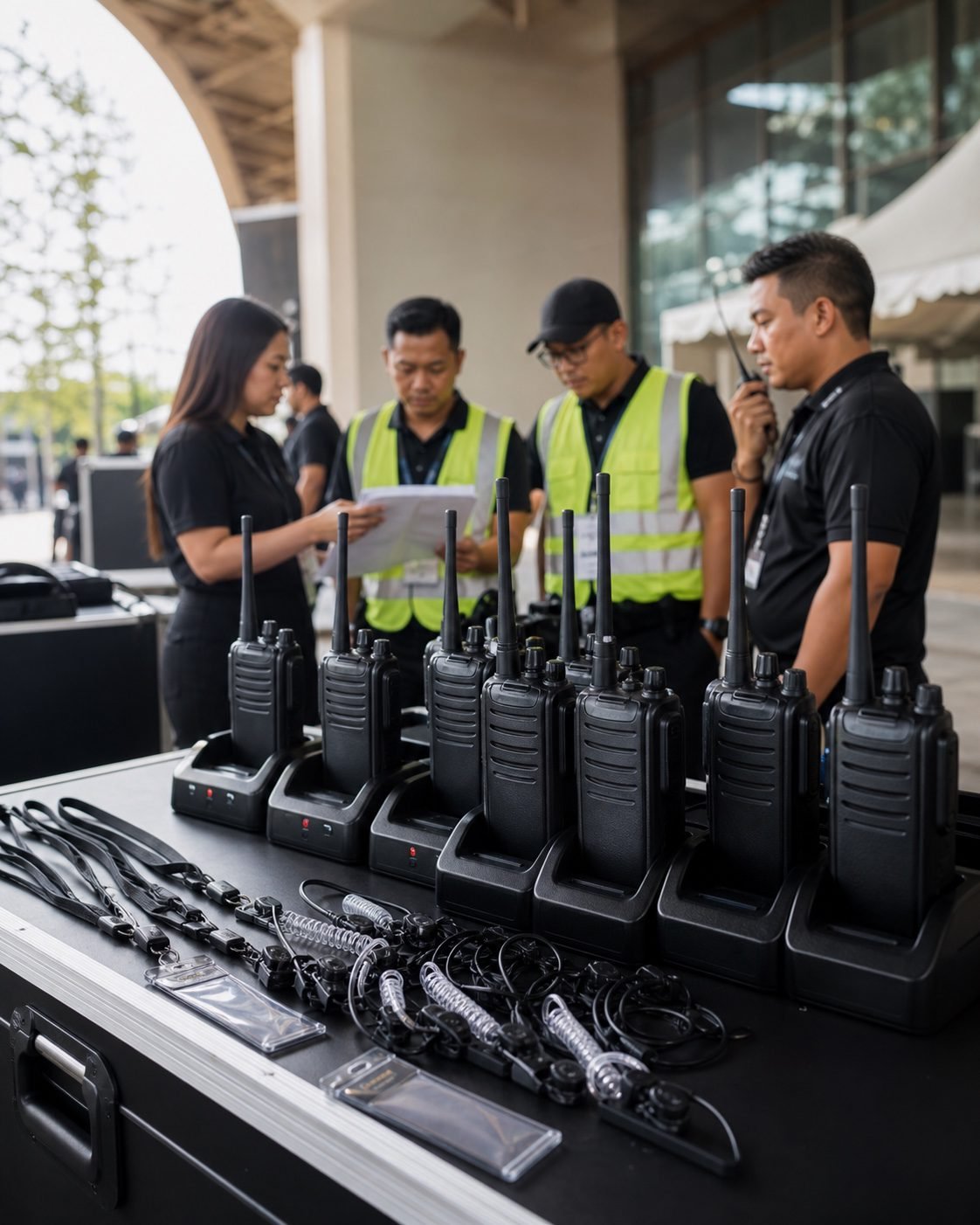



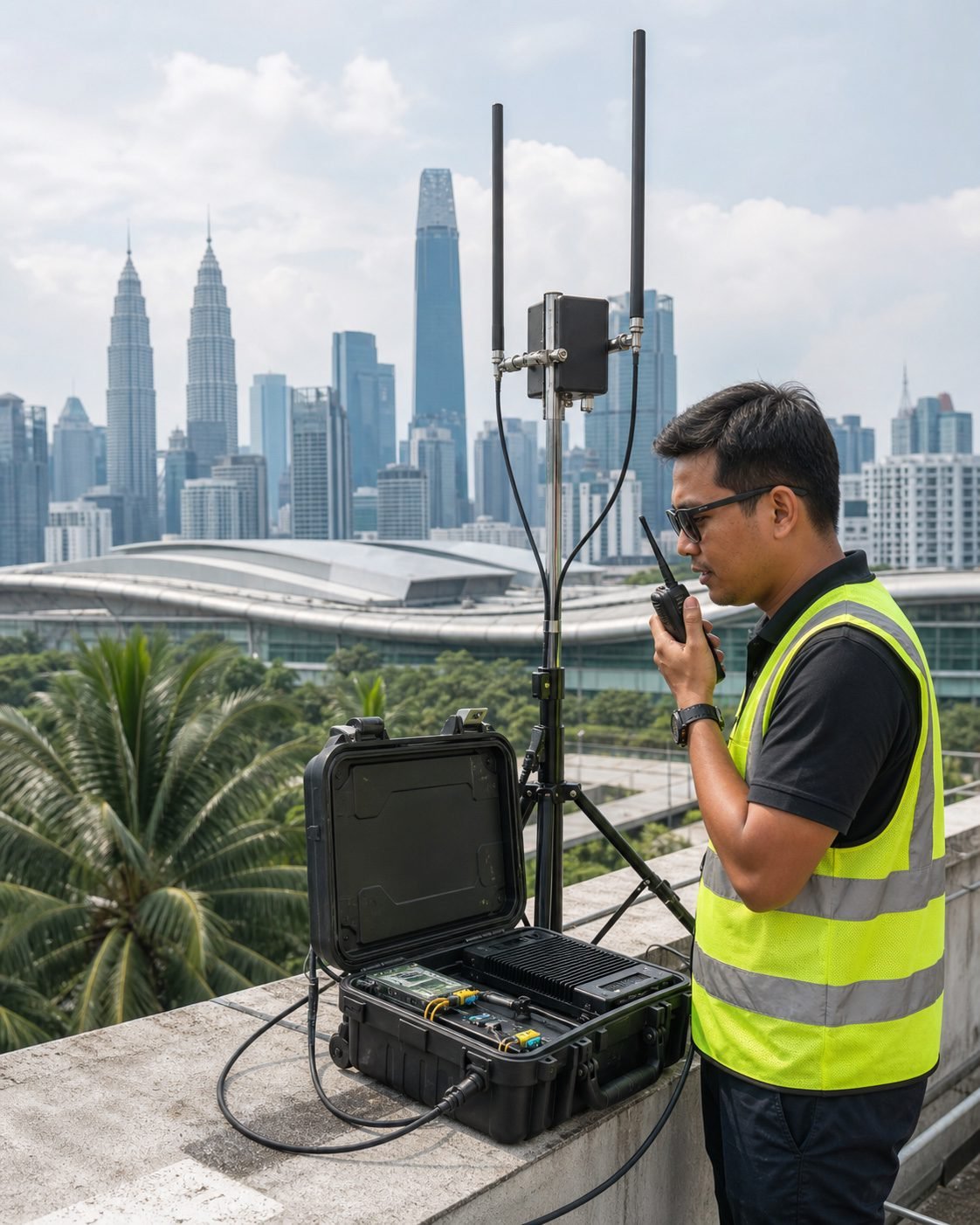
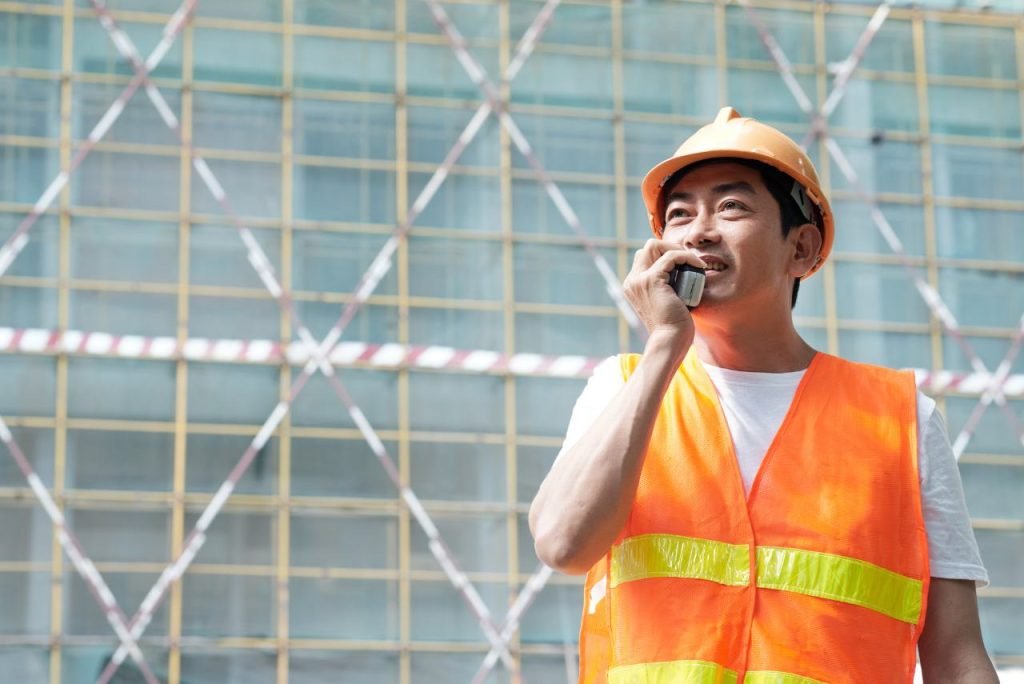
Both the employer and the workers are concerned with workplace safety in any situation. If such safety precautions are not taken, a construction site can be a very dangerous place to be. We’re all used to seeing construction workers wearing yellow hardhats and high-visibility vests, but there are even more safety protocols to follow.
Construction sites are busy and sometimes noisy, but they are full of dangers that can be easily avoided, and good communication is one of the most important tools in keeping everyone secure. It’s just as important to make sure that everyone on site is aware of what’s going on as it is to make it a priority that everyone can be reached and contacted when working there.
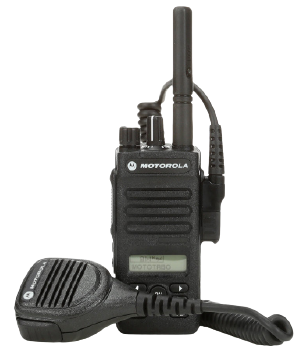
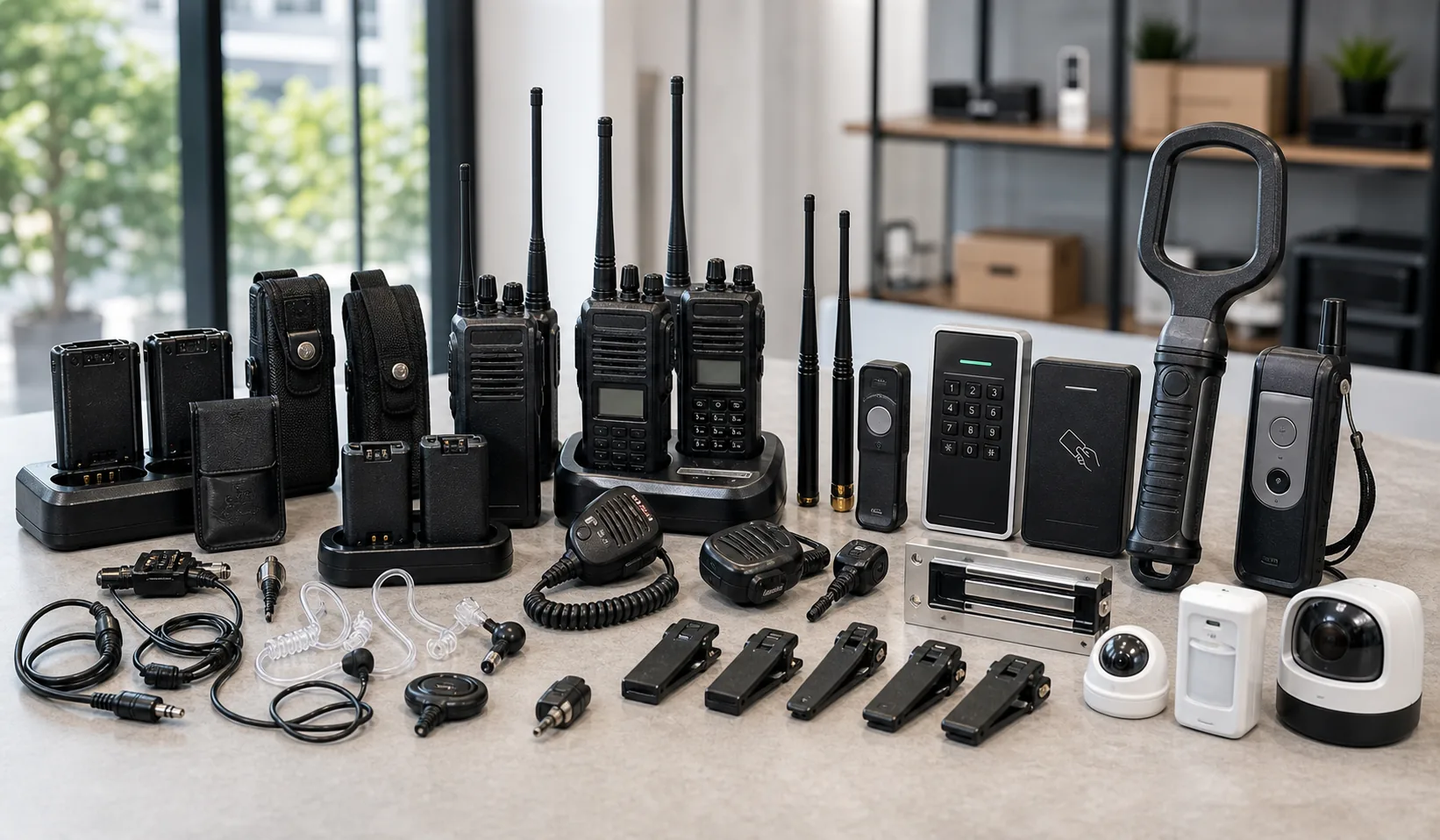
In an emergency, it’s important to communicate quickly and effectively. If there is a danger or risk to their safety, it is important to notify people as soon as possible. In such a scenario, cell phones, as ubiquitous as they have become in today’s society, are not always the best communication tool. A two-way radio is much more powerful, allowing people to communicate instantly and efficiently.
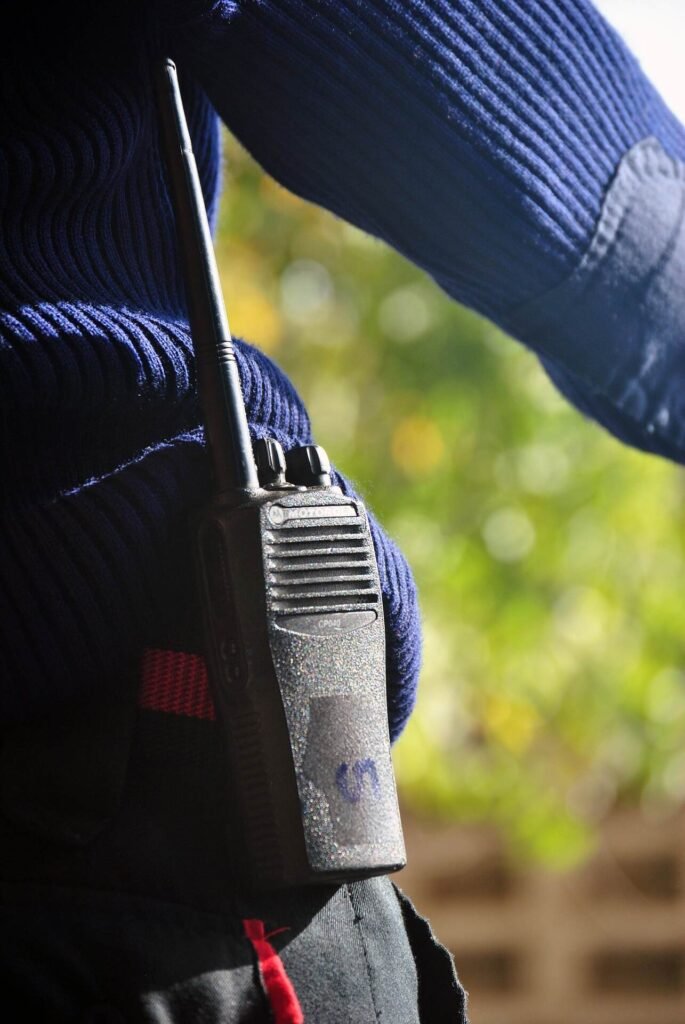
Most companies can communicate with their employees via email or telephone, but in a construction site, none of these choices is feasible. Two-way radios, unlike cell phones, do not need anyone to answer a call; the message is transmitted immediately. This is especially useful in areas like construction sites, where a ringing phone cannot always be answered right away.
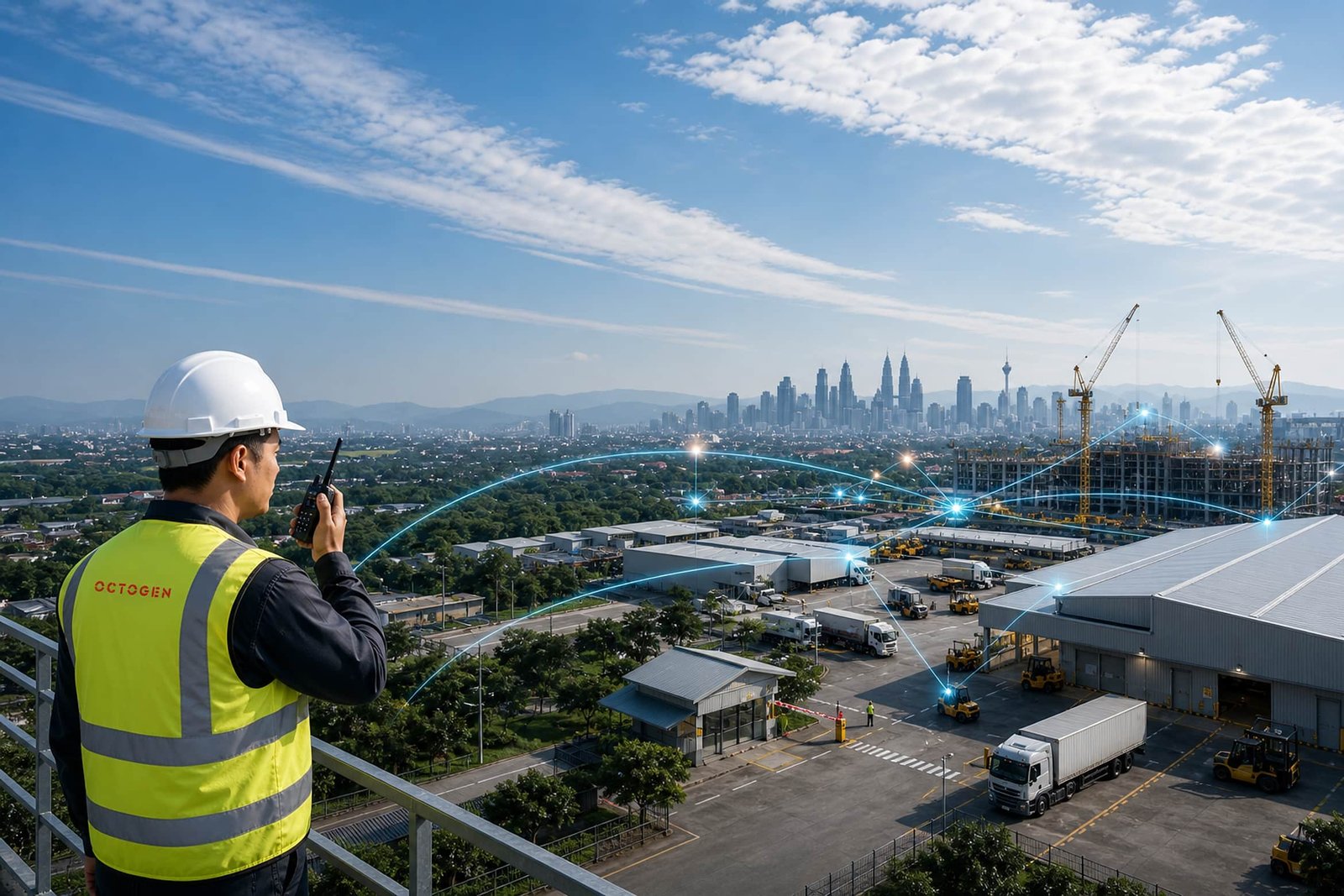
It can also be challenging to contact all of the workers employed on a construction site at the same time, since the work force is spread around a wide area, unlike in an office. People might be on ladders or carrying heavy loads, and answering a phone will be risky in these situations. With two-way radios, contact can be easily distributed over a wider area, allowing several people to be alerted at the same time to any immediate threat to their protection.

A construction site is always a very busy spot, with many people walking about and diggers, cranes, and other vehicles driving through the city. It is not only dangerous but also illegal to use a cellphone when driving any car. A easy solution to this problem is a two-way radio. They are not only easy to use while driving and completely legal, but they also ensure that even drivers in the workplace can be quickly reached and aware of any danger.
In every line of operation, good communication implies a safe and productive workforce. This is more true than ever in the construction industry, where many on-site hazards, such as heavy equipment, necessitate the use of a simple and reliable communication system.
Comments are closed.