


Zero Miscommunications.
How an offshore rig operator eliminated hearing damage risks and improved engine room coordination with heavy-duty noise-canceling headsets.
What changed after Octogen fixed it
- Problem
- Deafening Engine Rooms
- Result
- 110 Ambient Noise Mastered; 24 Hearing Protected
- Verification
- Project Scorecard
Which role are you? This story speaks to you differently.
“Hearing loss is our number one long-term occupational hazard. We needed a solution that workers would actually wear.”
You care about health, safety, and compliance. Protecting the crew's hearing is non-negotiable. Key sections: The 110dB Barrier.
“I couldn't hear control room instructions over the generators. I was basically guessing what valves to turn.”
You care about clarity and usability in extreme environments. Heavy gloves and oil mean you can't push small buttons. The oversized PTT buttons solved this.
“A single spark from a cheap radio could blow up the entire rig. ATEX certification was our only baseline.”
Your core problem: explosive environments require intrinsically safe hardware. The ATEX rating of the radios guaranteed no spark hazards.
“We stopped buying replacement radios every month. The Motorola units just don't break.”
You care about total cost of ownership. High upfront cost for ATEX gear is offset by its extreme durability and long lifespan.
These problems — you may have faced them too
Deafening Engine Rooms
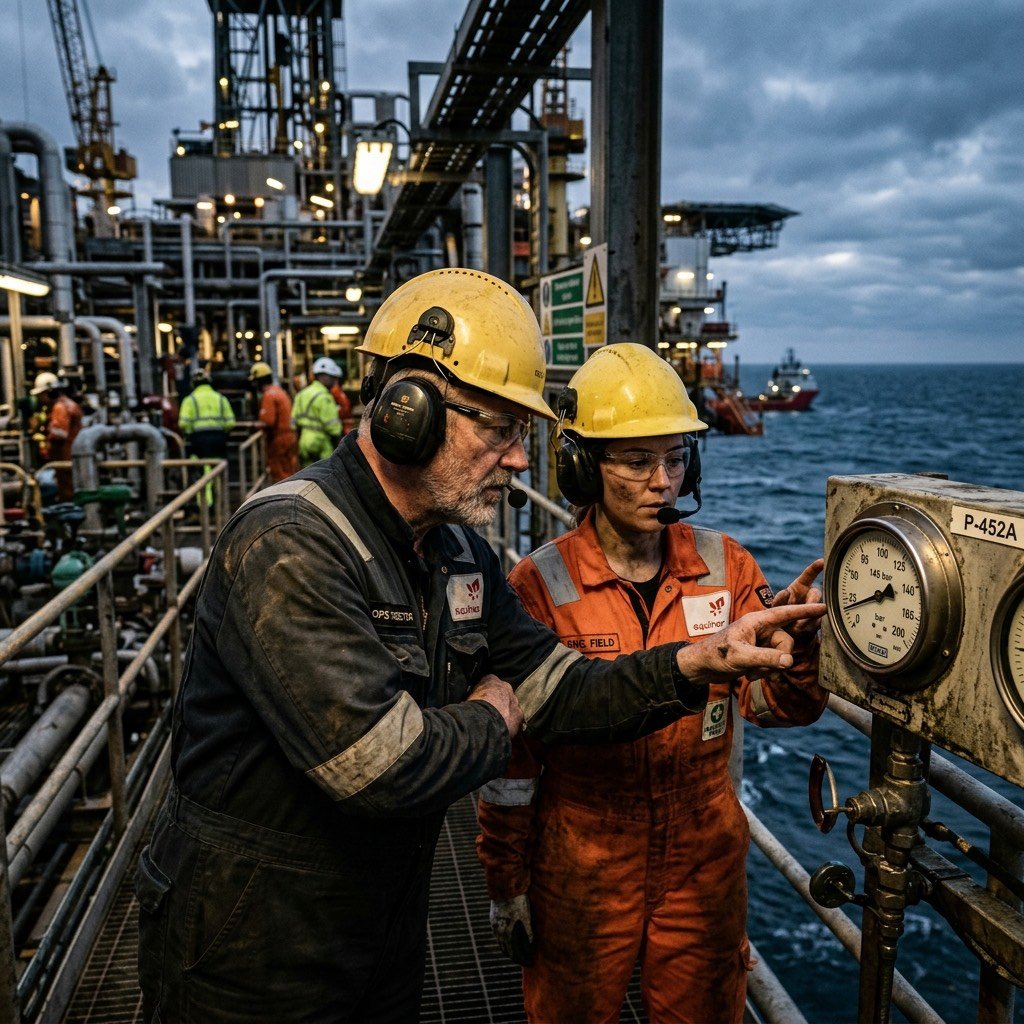
The rig's main diesel generators produced constant noise levels exceeding 110dB, making verbal communication impossible.
- Standard radio speakers could not overcome ambient noise.
- Workers had to leave the engine room just to talk.
- Severe risk of long-term hearing damage.
Consumer Gear Dying Quickly
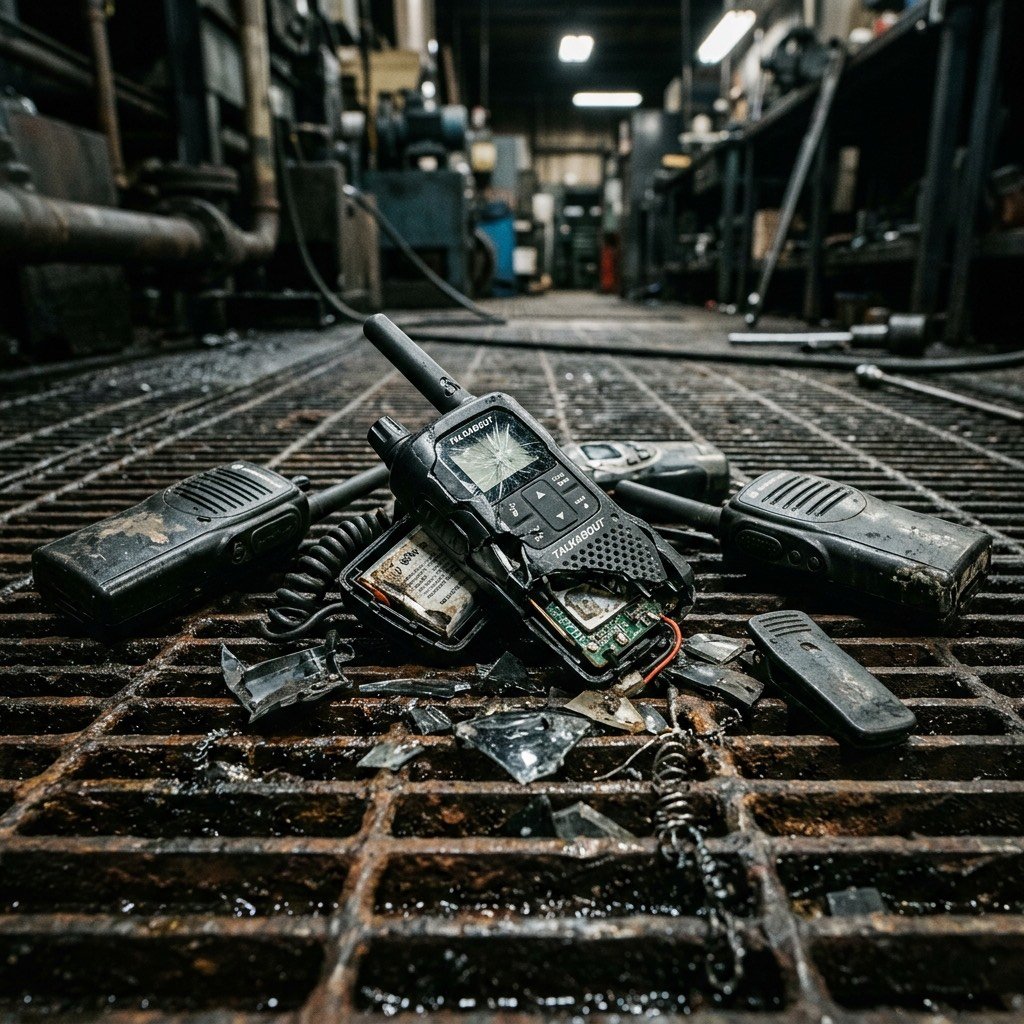
Saltwater, heavy grease, and drops onto steel grating destroyed standard radios within weeks.
- Microphones clogged with oil and grime.
- Casings shattered when dropped.
- High replacement costs.
The Need for Intrinsically Safe Gear
Operating in Zone 1 hazardous areas meant that any electrical spark could trigger a catastrophic explosion.
- Standard radios pose a severe ignition risk.
- Strict ATEX compliance required by law.
- Non-compliant gear can void rig insurance.
During a critical pressure valve adjustment, an engineer misheard an instruction over the roar of the generators. While the mistake was caught in time, the near-miss prompted an immediate safety review.
Rugged, Safe, and Clear
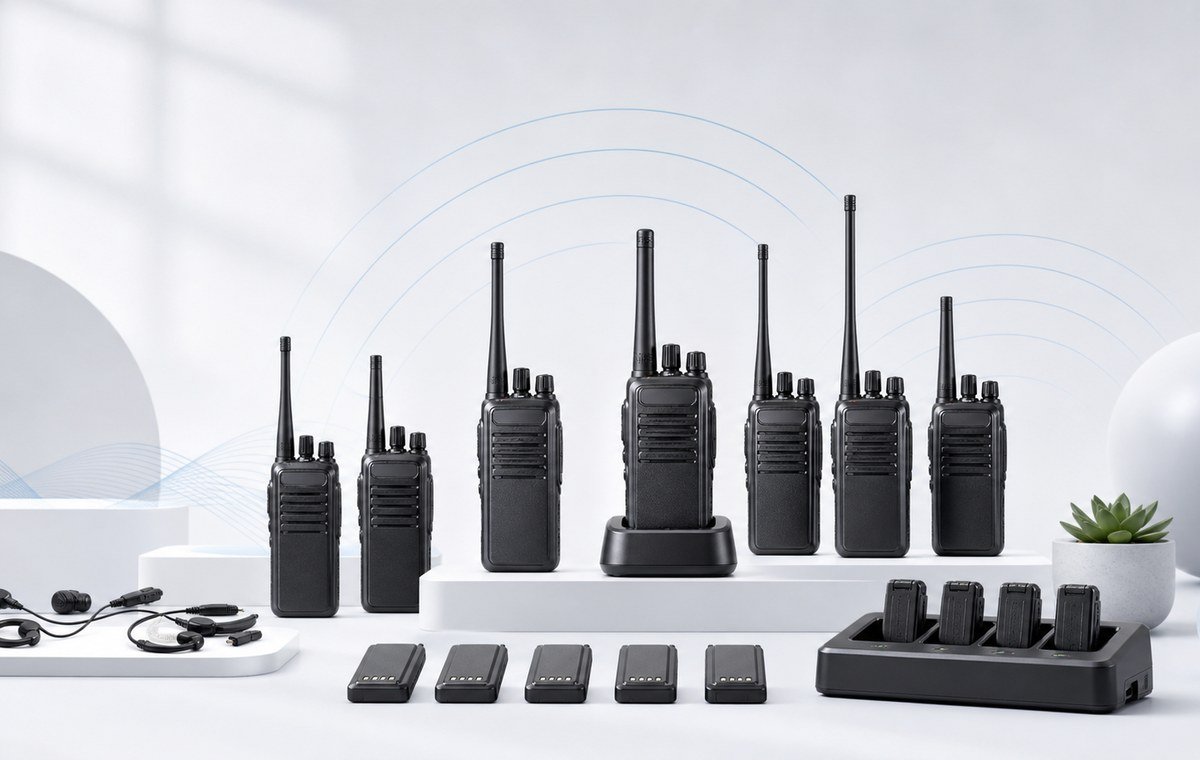
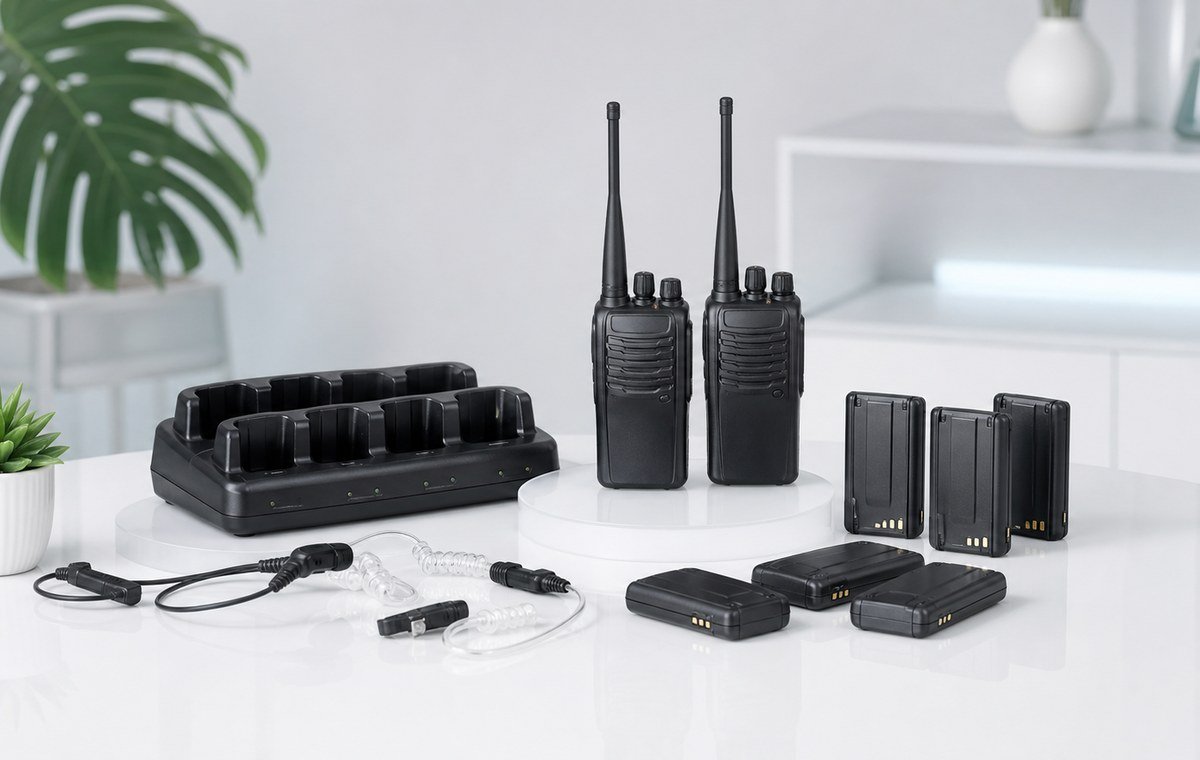
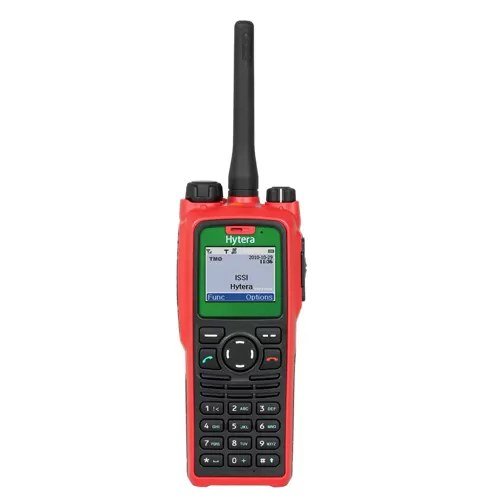
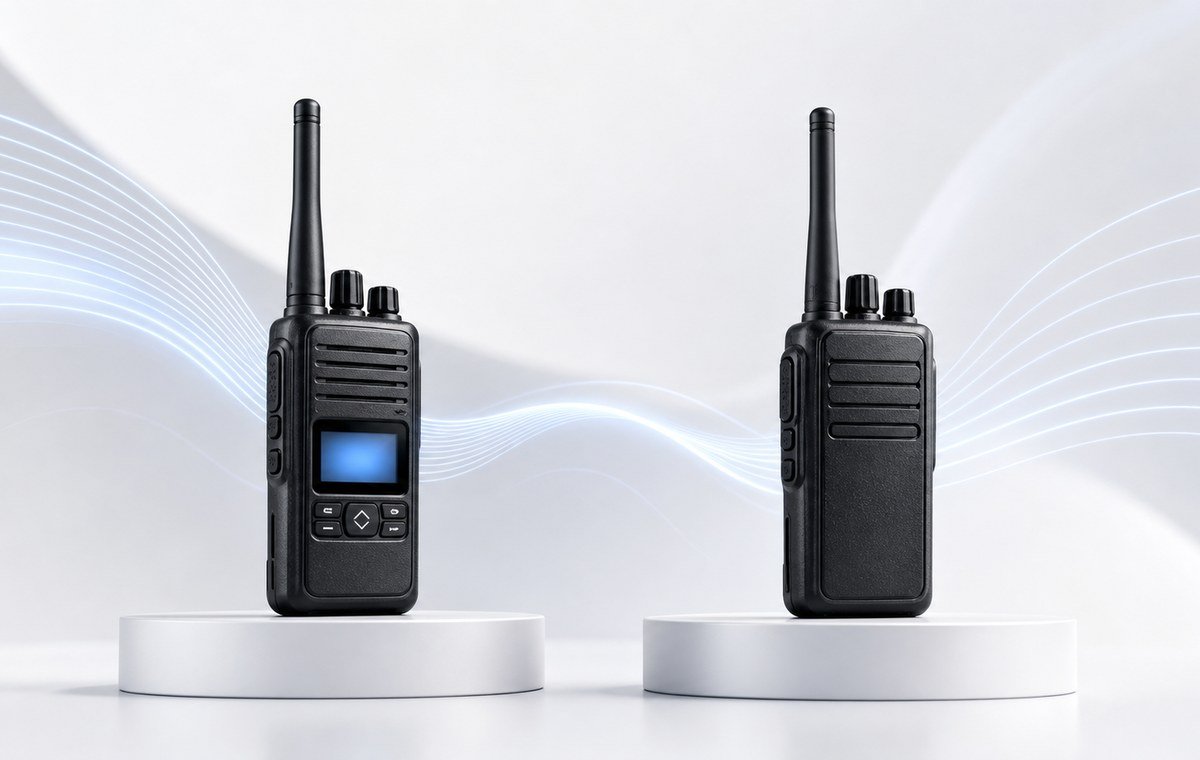
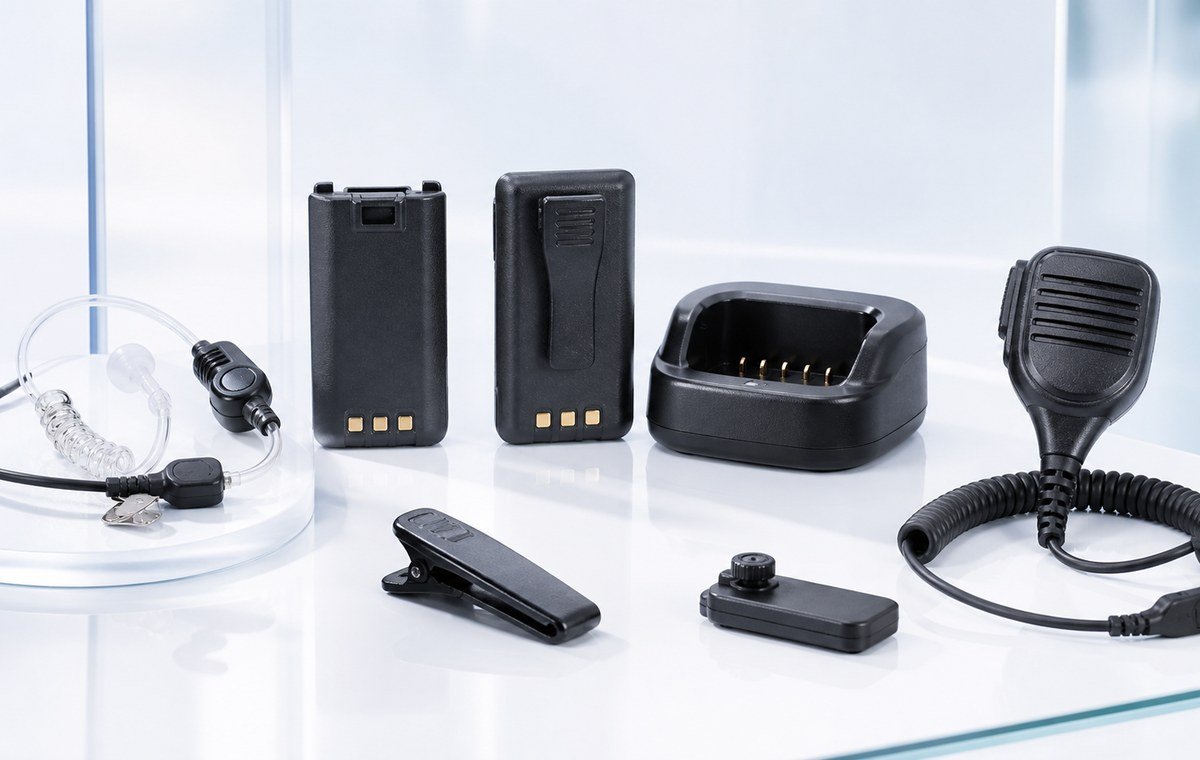
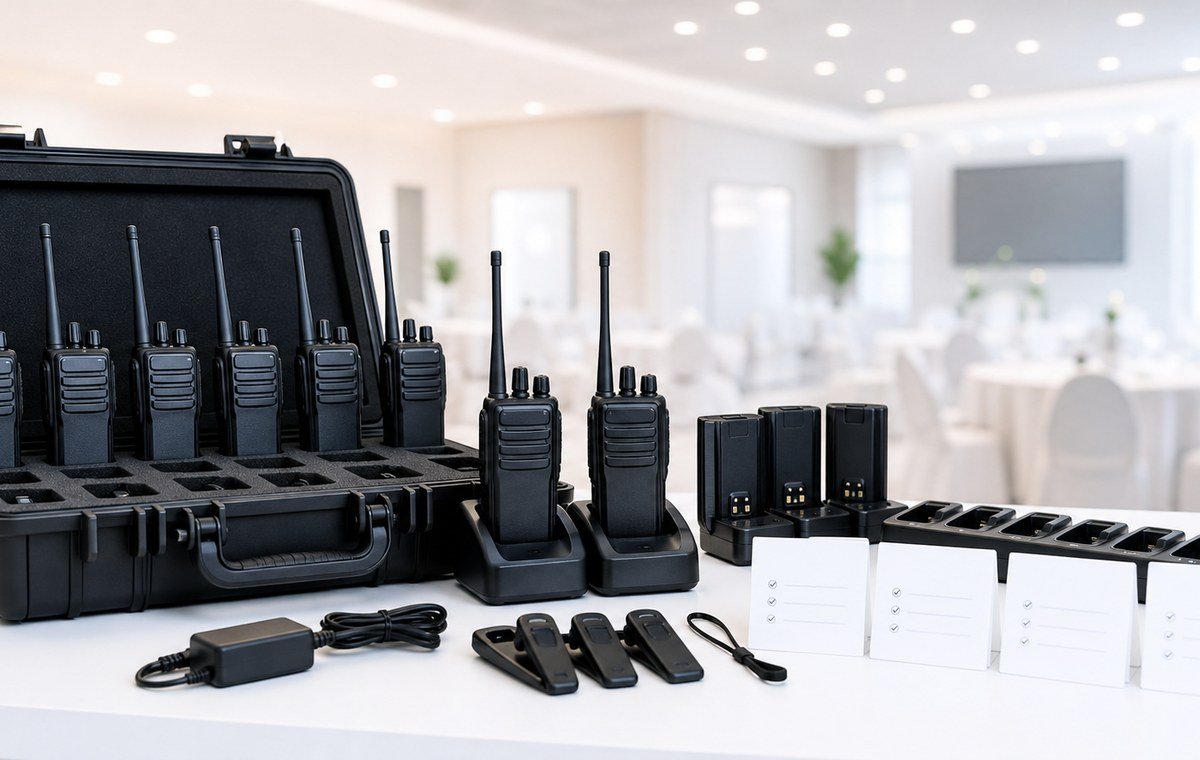
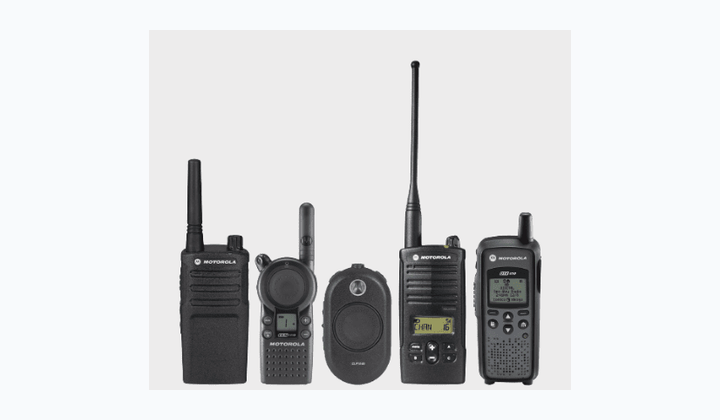
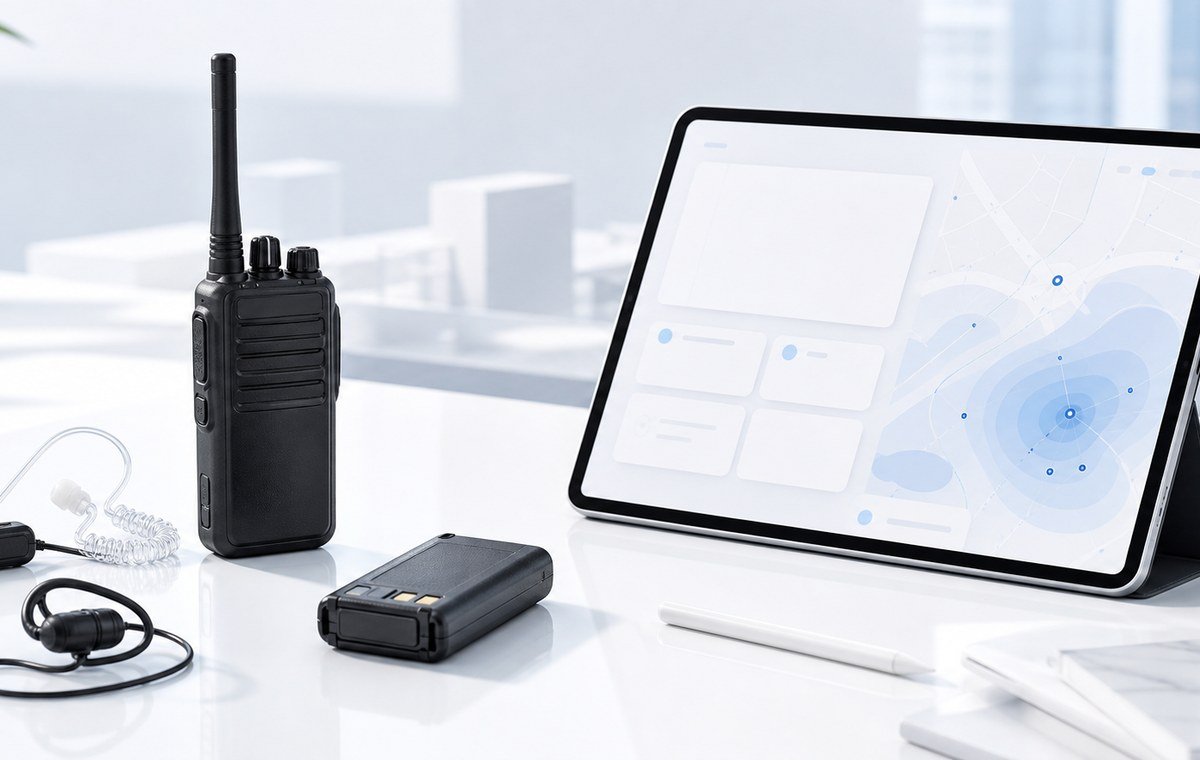
We equipped the crew with Motorola ATEX radios paired with heavy-duty noise-canceling headsets.
Flawless comms in extreme conditions
The crew can now converse clearly without ever leaving their stations or removing their gloves.
ATEX Safe · 24dB NRR · Glove-friendly PTT · Crystal clear audio
Rolling out to the rig
Hardware Delivery
- Day 1Equipment flown to the offshore rig via helicopter.
- Day 3Radios and headsets inspected by HSE for ATEX compliance.
Crew Training
- Day 7Crew trained on proper headset fitting for maximum noise reduction.
- Day 10Engine room tests conducted. Workers communicated flawlessly next to running generators.
Full Adoption
- Day 15Headsets become mandatory PPE for all high-noise areas.
Project Scorecard
Safety and Clarity
The new ATEX radios and Peltor headsets solved our two biggest problems simultaneously: protecting our crew's hearing and ensuring they can actually hear each other in the most extreme noise environments on the rig. It's an investment in safety that paid off on day one.
Things you probably want to know
Defeat the noise. Guarantee safety.
Upgrade to intrinsically safe, noise-canceling communication gear.