

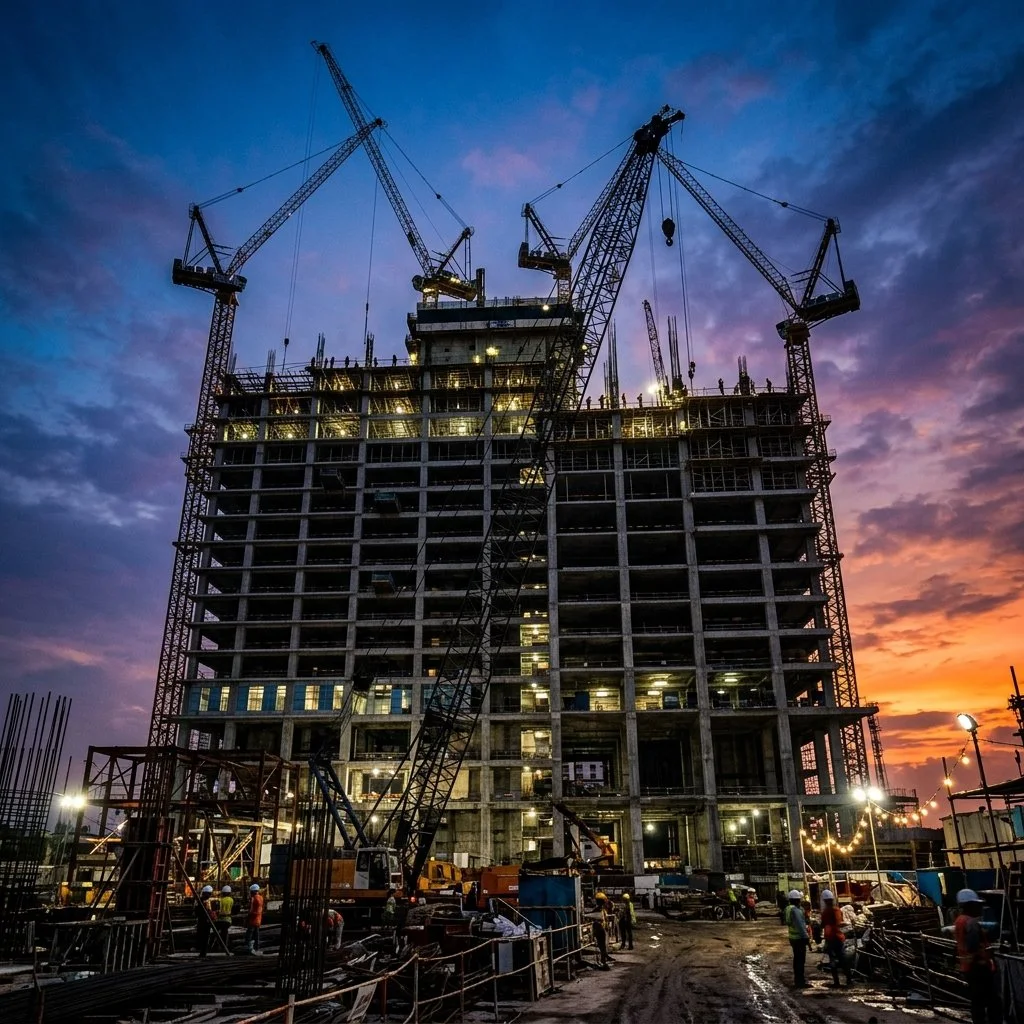
Zero Signal Drops.
How Pinnacle Builders coordinated blind lifts and basement pours simultaneously without interference or MCMC compliance risks.
What changed after Octogen fixed it
- Problem
- Dead Zones in the Core Wall
- Result
- 100 Signal Coverage; 0 Frequency Interference
- Verification
- Project Scorecard
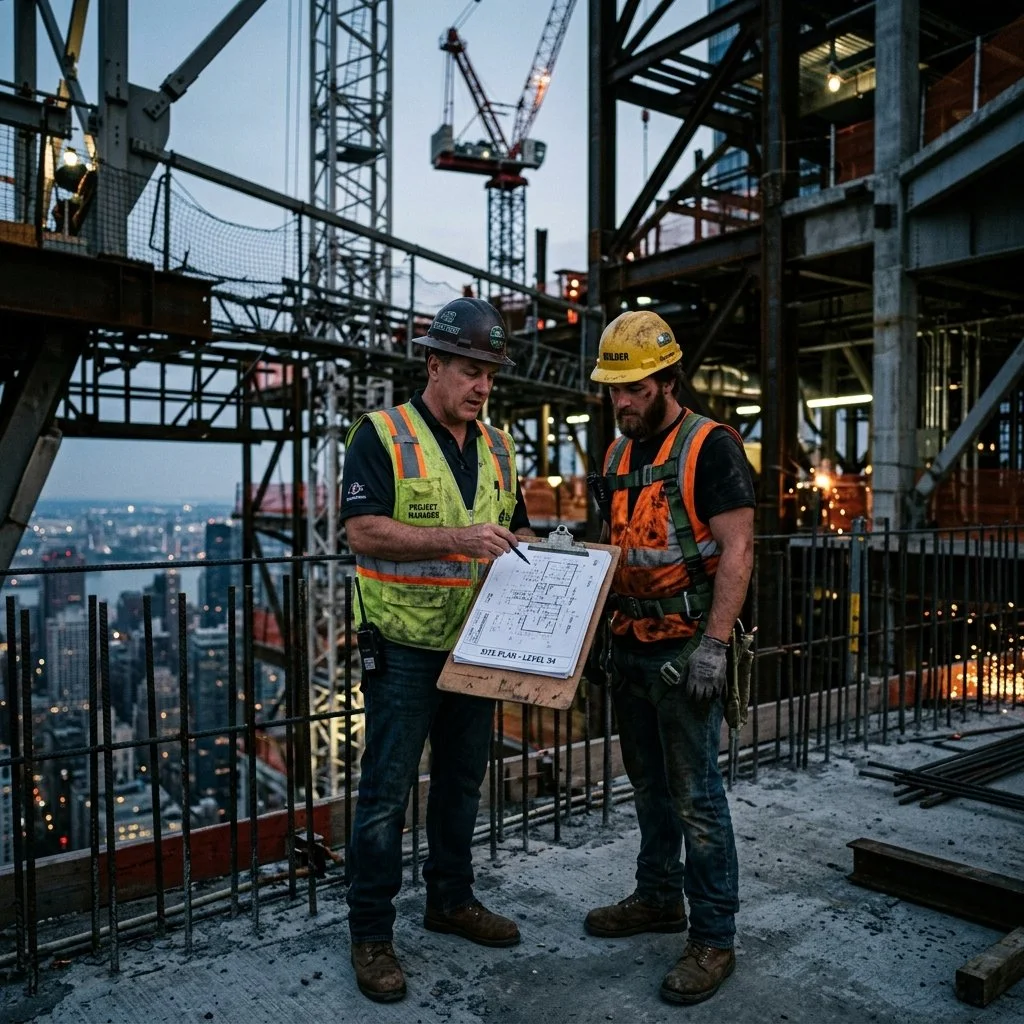
Which role are you? This story speaks to you differently.
“Our basement crew couldn't reach the crane operator. Every blind lift was a massive schedule delay.”
You care about keeping the project schedule on track. When the concrete shield blocks signals, lifts stop and labor costs soar. Key sections for you: The Concrete Shield challenge and the System in Action dashboard.
“If there's a fire on level 40, I need to know the ground floor hears the evacuation order instantly.”
You care about risk mitigation. A communications breakdown during an emergency is unacceptable. The Day-by-Day timeline showcases how we maintained 100% connectivity during the critical superstructure phase.
“Hearing static when a 5-ton load is dangling blind over a public road is terrifying. The new duplex channel fixed that.”
Your core problem: interference from neighboring sites. You need an isolated frequency that guarantees clear audio. Focus on the Frequency Clashes section.
“We nearly bought cheap radios again, until we realized the MCMC fines could wipe out our entire project margin.”
You care about legal compliance and long-term cost. We handled the entire MCMC licensing process to eliminate regulatory risk. The Licensing Risks bar chart explains the math.
These problems — you may have faced them too
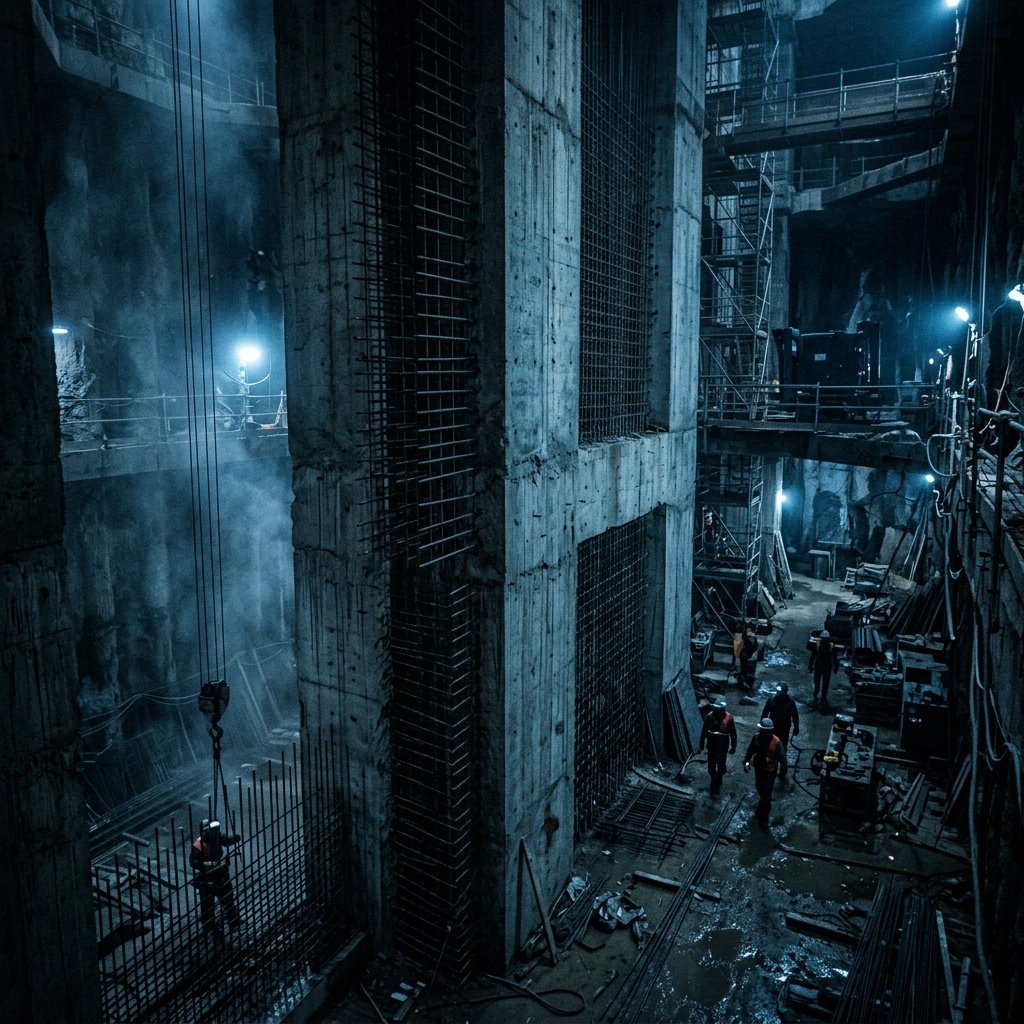
Dead Zones in the Core Wall
As the building core rose past the 20th floor, the dense reinforced concrete created an impenetrable shield. Ground-level supervisors completely lost contact with the upper deck.
- Tower cranes could not reach the 5-level deep basement.
- Supervisors had to climb 10 flights of stairs just to get a signal.
- Concrete pours were delayed due to lack of coordination.
Cross-Talk from the Neighbors
Pinnacle was building in a dense urban center. Three other high-rises were under construction within a 1km radius, all using the same default UHF channels.
- Crane operators received lifting commands from other companies.
- Severe safety risks during heavy material hoisting.
- Constant static and background noise causing fatigue.
The Cost of Non-Compliance
To solve the interference, the team considered buying high-powered illegal radios online. We showed them the catastrophic risk of unauthorized frequencies.
- MCMC raids can confiscate all equipment immediately.
- Fines up to RM 500,000 for using illegal frequencies.
- Project shutdown during investigation periods.
- Legal, dedicated duplex channels cost a fraction of the penalty.
After a near-miss safety incident involving a blind crane lift and a radio dead zone, the project director halted all high-risk hoisting. They realized that commercial-grade radios were no longer sufficient for a mega-structure.
4 steps to absolute clarity
We completely overhauled their communications architecture, from MCMC paperwork to tower crane deployment.
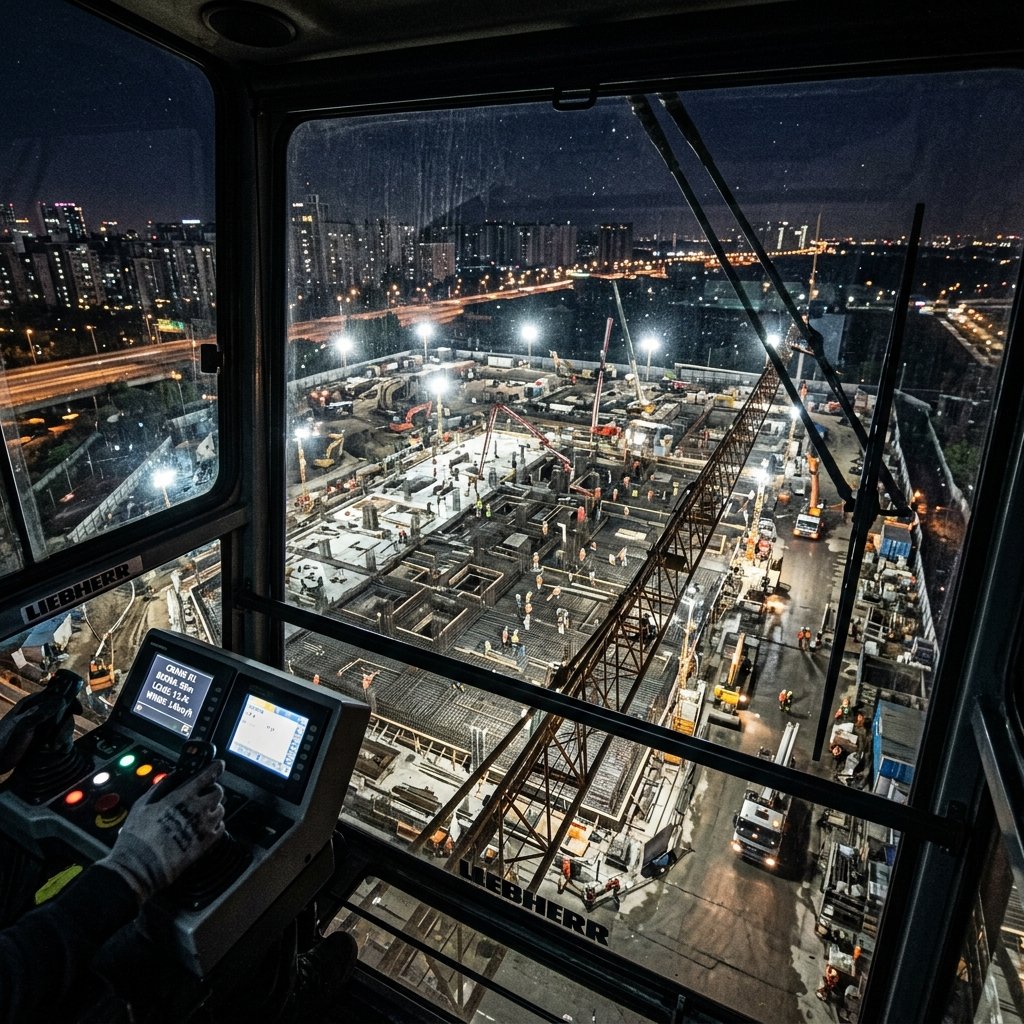
What the network looked like at peak construction
During the critical superstructure phase, the system handled hundreds of critical safety transmissions daily.
Private frequency · Full vertical coverage · Flawless blind lifts · Zero safety incidents
Scaling comms as the building grew
Foundation & Basement
- Month 1Site mapping and MCMC license application submitted.
- Month 2Temporary base station deployed to cover basement levels B1-B5.
- Month 4Raft foundation poured. 100% comms uptime maintained underground.
Superstructure & Core
- Month 8Repeater system relocated to Level 20 to maximize upward spread.
- Month 128 Tower cranes fully operational on the dedicated MCMC duplex frequency.
- Month 15Zero interference detected despite neighboring high-rise projects.
Topping Out
- Month 20Final roof slab poured. System maintaining perfect clarity from B5 to L50.
- Month 22Facade and MEP teams added to the network via new talk groups.
- Month 24Project completion. Hardware transitioning to FM operations.
Project Scorecard

Numbers don't lie
Upgrading to a proper repeater system and securing a legal MCMC frequency completely transformed our site. Our supervisors stopped running up and down stairs, our crane operators stopped worrying about interference, and our safety record stayed spotless. Octogen didn't just sell us radios; they engineered our site's nervous system.
Things you probably want to know
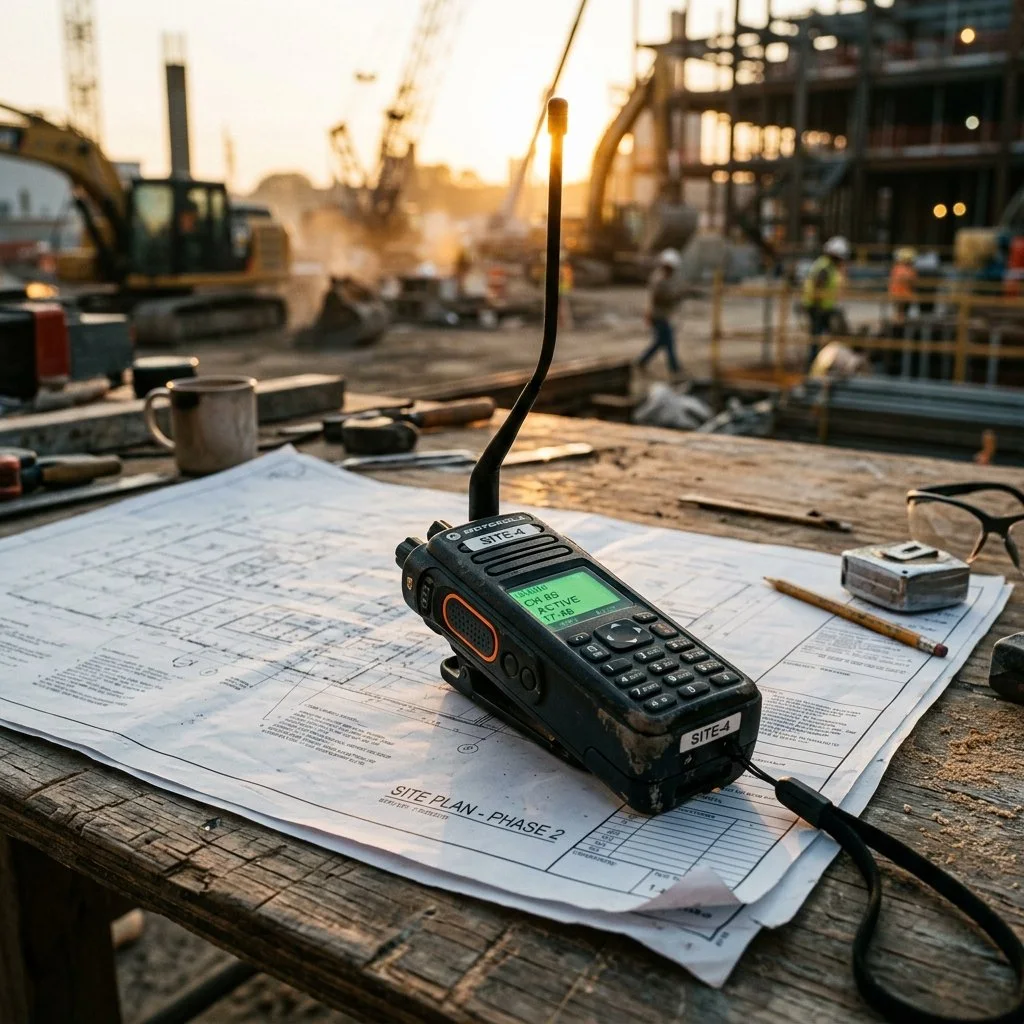
Eliminate dead zones. Guarantee safety.
Don't let illegal frequencies or concrete shields put your project at risk.